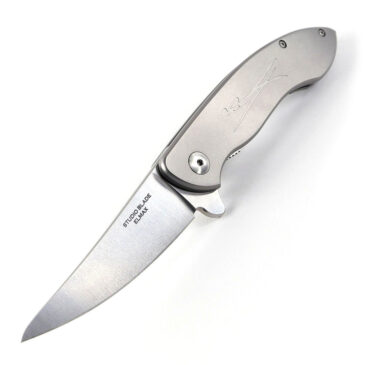
The RAMBLER is a short run production knife from the Owner & founder of Studio Blade, Dimitri Turcott. The Rambler is based on his “HUBERT” fixed-blade hunting knife and features a titanium framelock folding design with a Elmax stainless steel blade.
You may be lucky enough to get hold of a truly unique version of this knife, as Dimitri has held back a very limited number for custom collaborations. Check https://www.studio-blade.com/ for these as well as the standard Rambler.
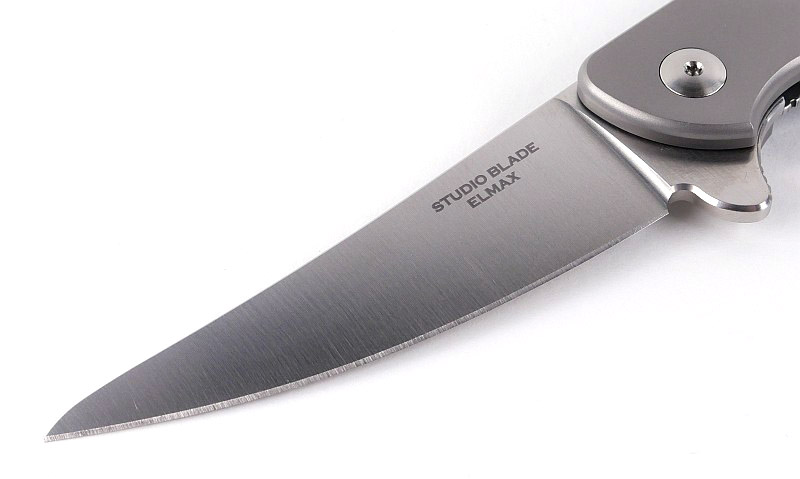
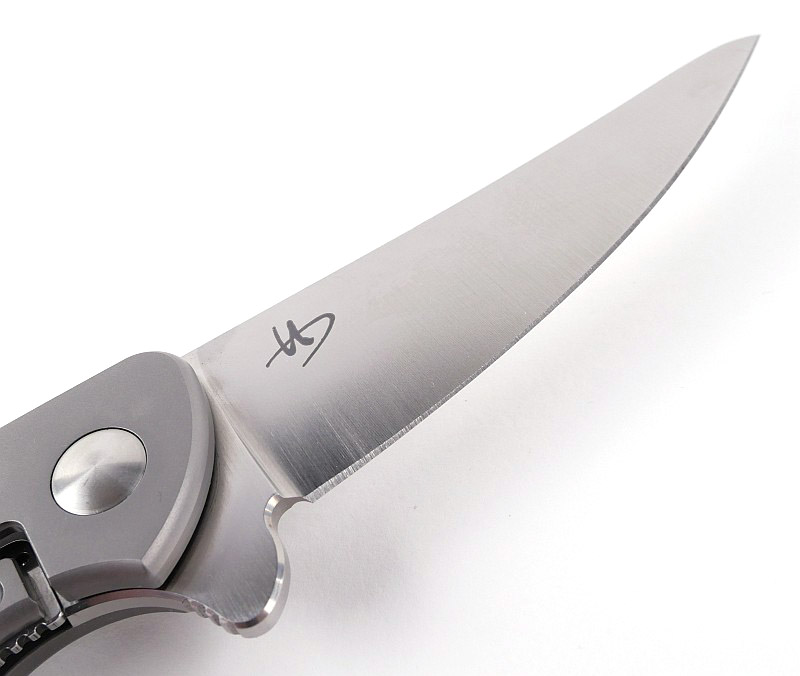
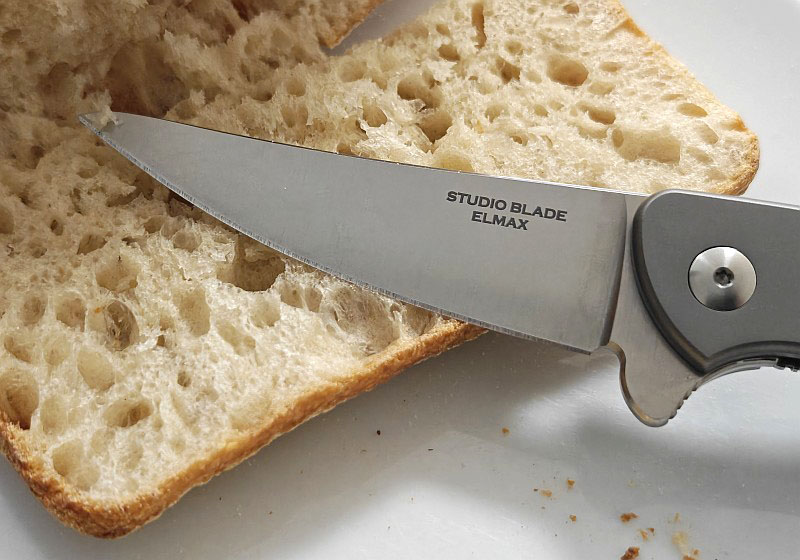
Rooted in a hunting heritage, the Rambler is perfect for skinning game, deboning, and cleaning fish. It also shines in the kitchen, making food preparation effortless. The slight downward curve at the tip is a small yet significant feature, designed to prevent cutting into the insides of whatever you’re working on. The continuous curve of the blade ensures that the point of contact consistently maximises force, delivering superior cutting performance compared to straight blades, which distribute force over a longer length and are therefore less effective. The narrow, pointed blade allows for detailed cutting and carving, much like a scalpel, making it ideal for intricate work in confined spaces. The ball-bearing system enables the knife to flip open smoothly with one hand, and the guard doubles as the flipper tab.
Join me in this detailed Studio Blade Rambler review to find out if it could be the ideal knife for your daily adventures.
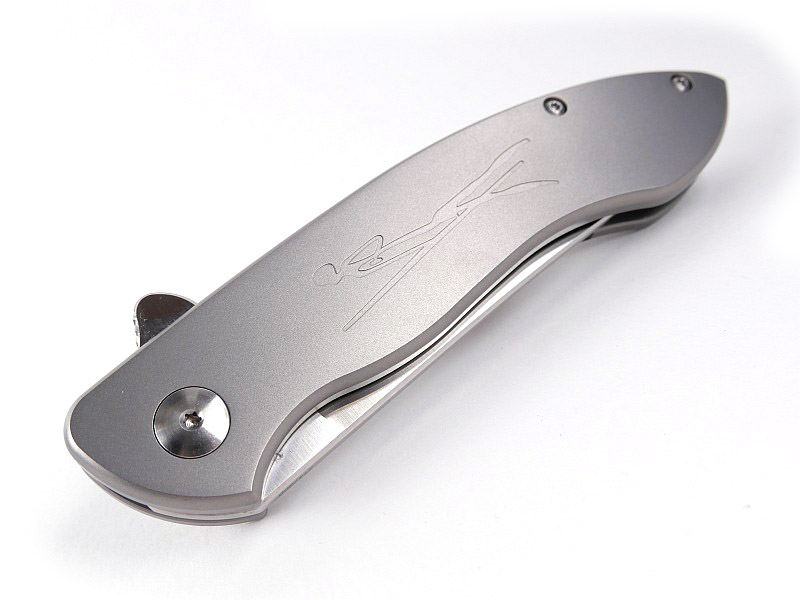
Just a quick note before immersing ourselves in the Studio Blade Rambler review, which is to mention that this specific knife was a demonstration model at IWA 2026, so is not ‘new’ and may show some signs of use and handling.
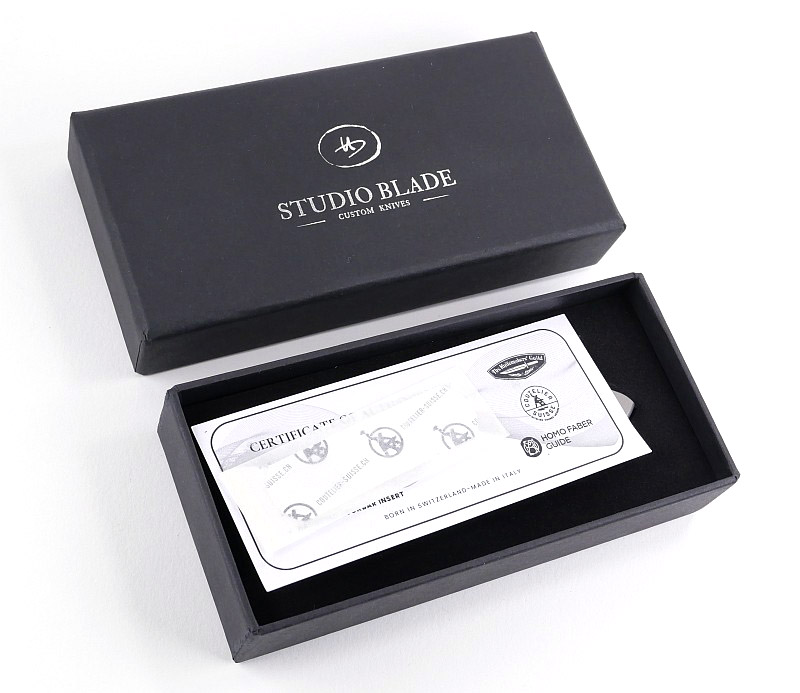
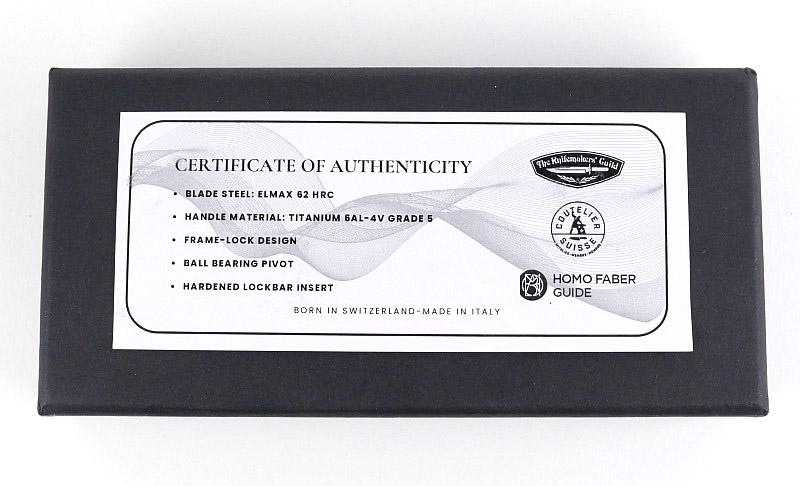
What’s in the box?:
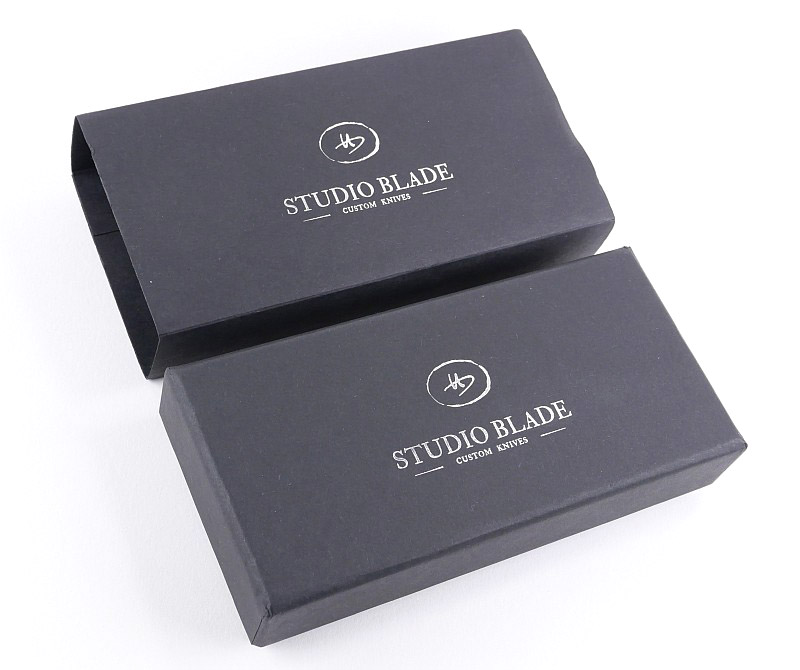
Simple and elegant, the Rambler is presented to you smartly but without excess. In the box are a plaster (a warning to be careful) and a certificate. This is a working knife ready to be put to good use.


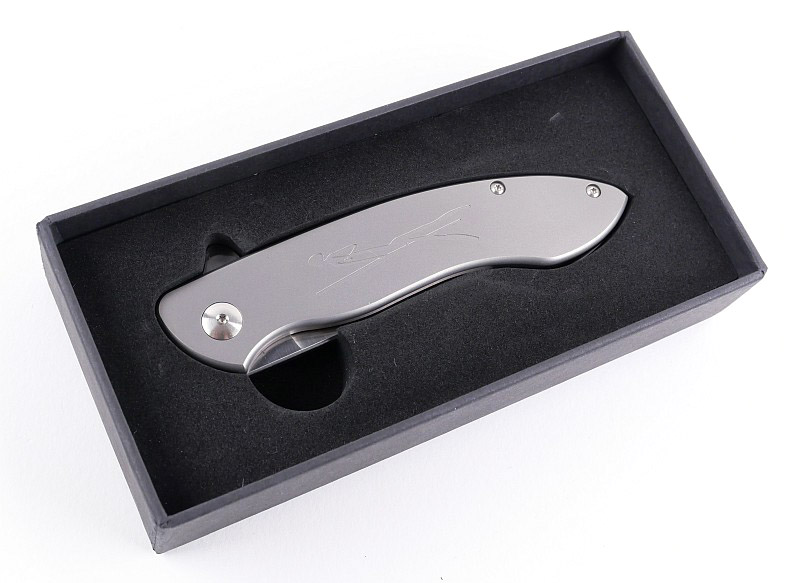
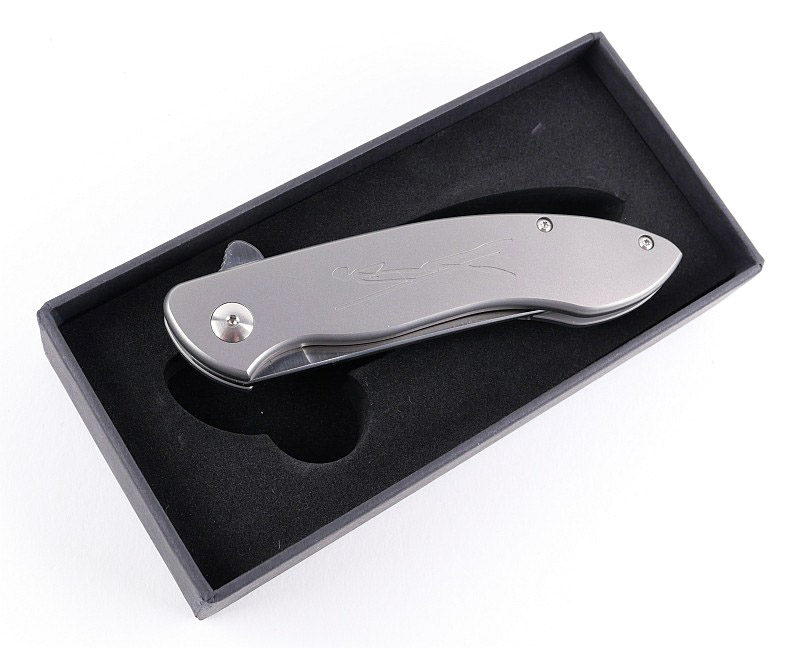
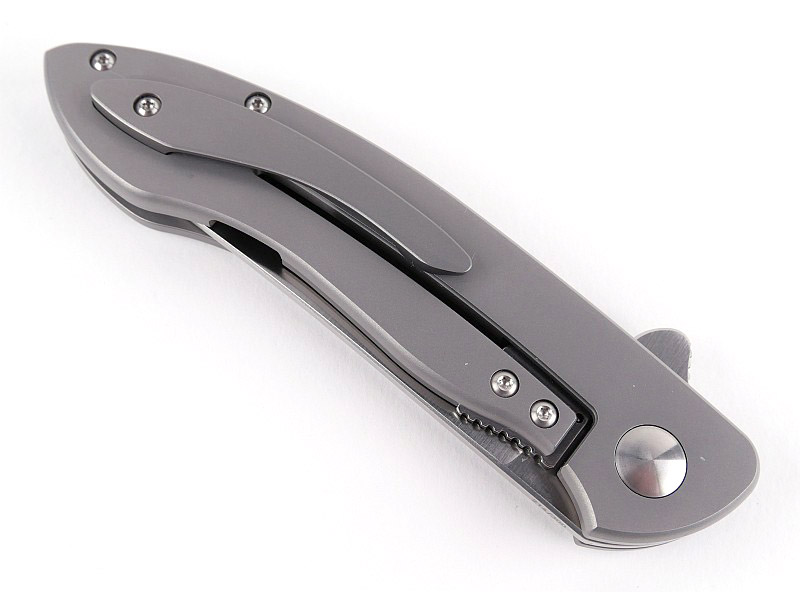
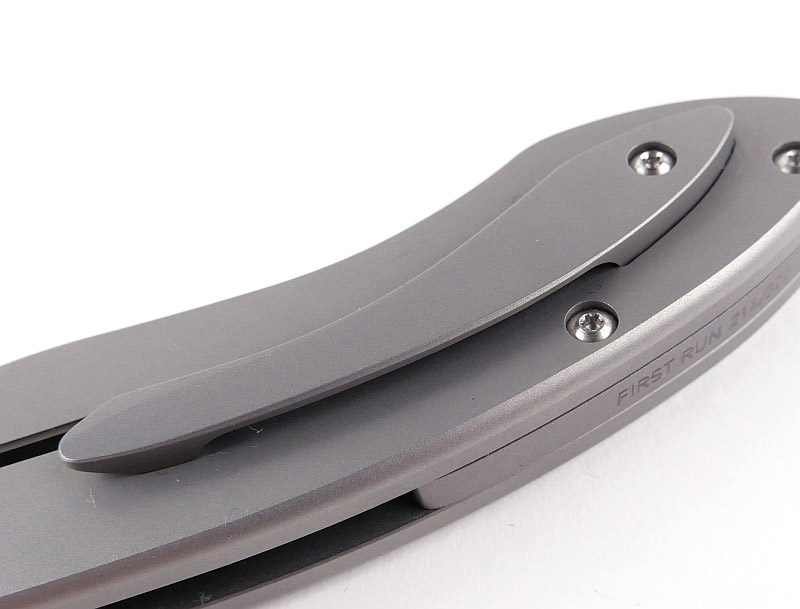
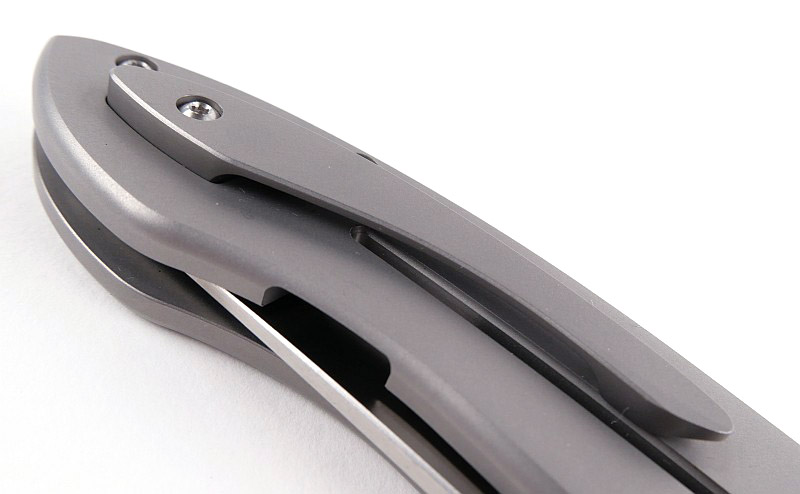
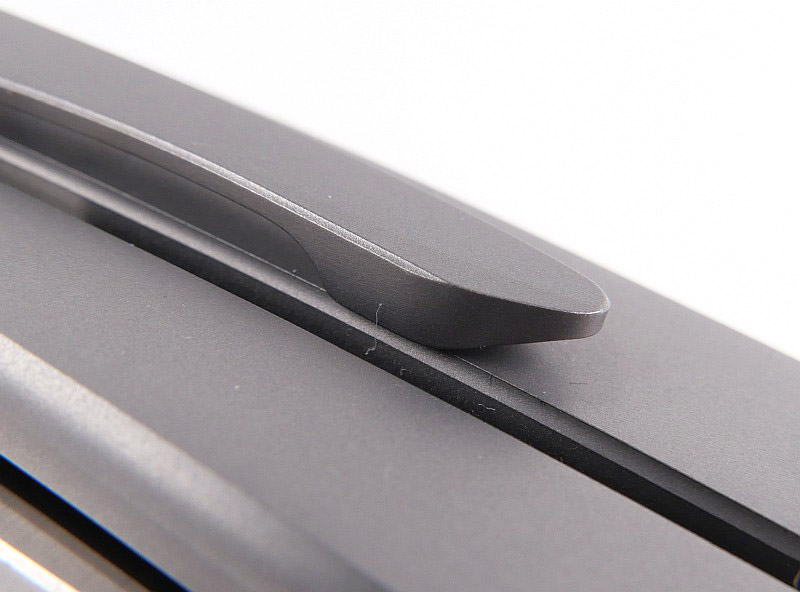
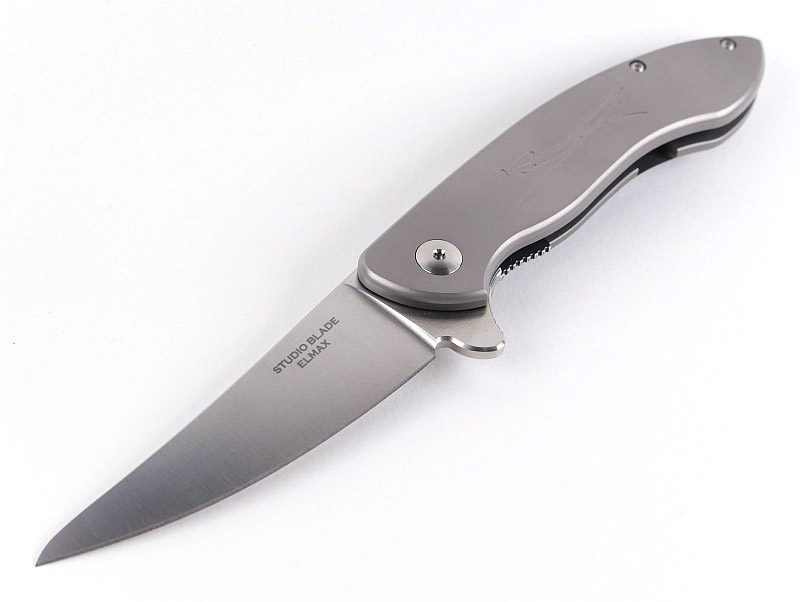
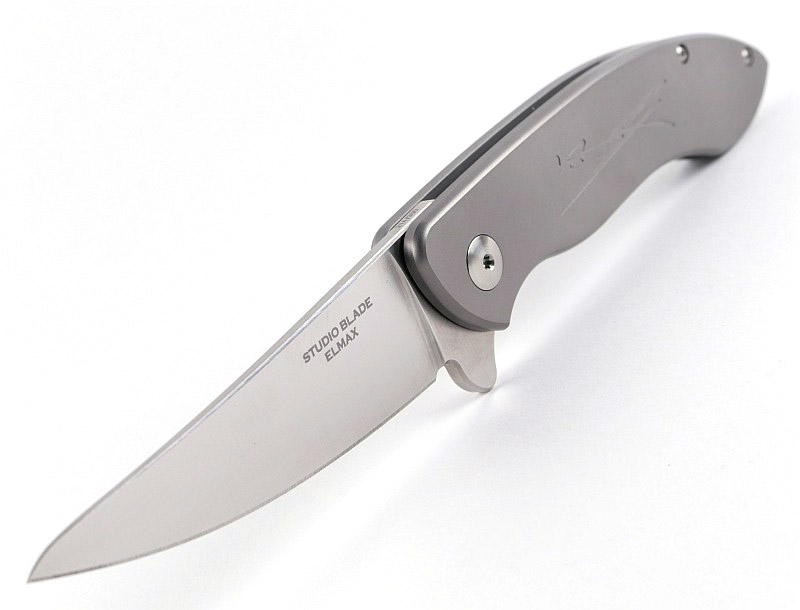
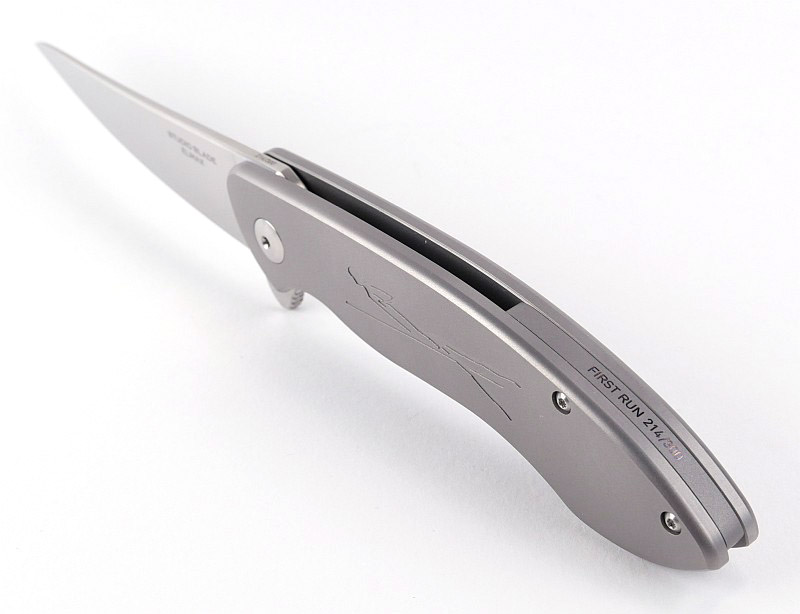
A good look round the folded Rambler – Things to look out for here are:
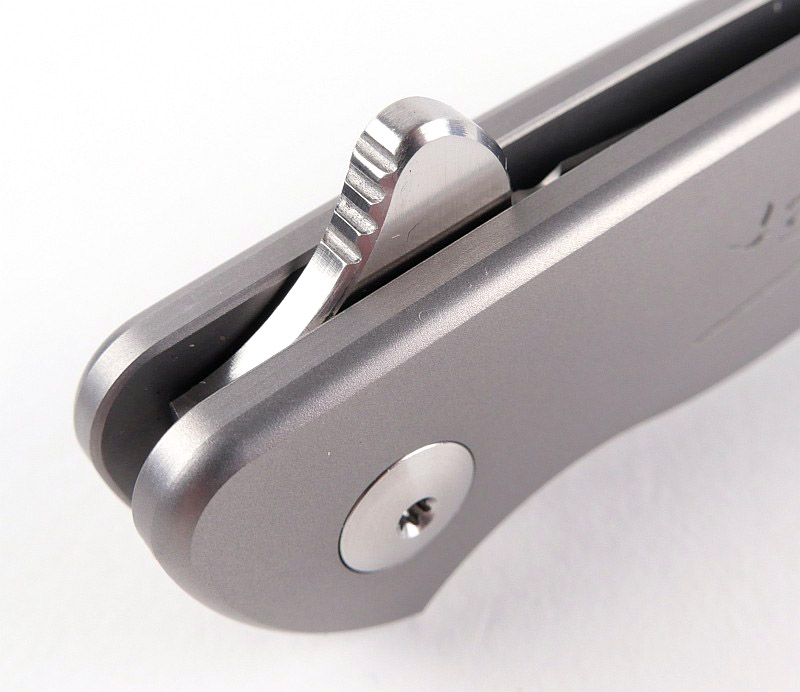
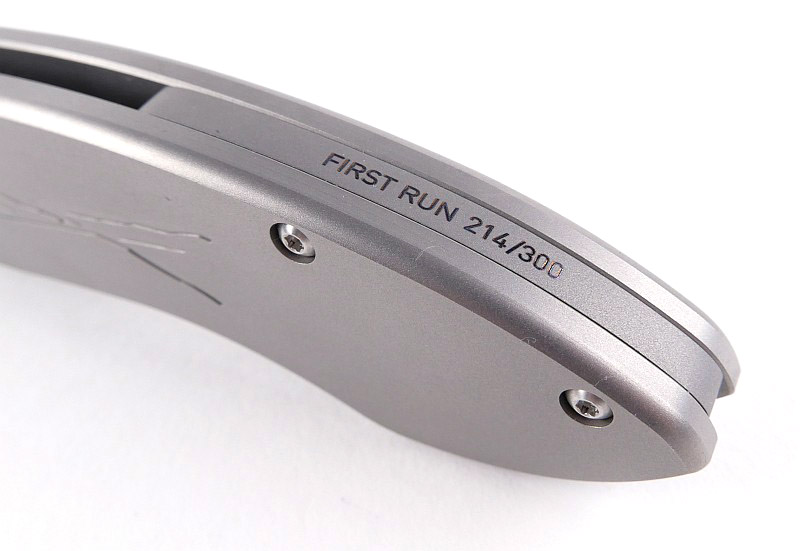
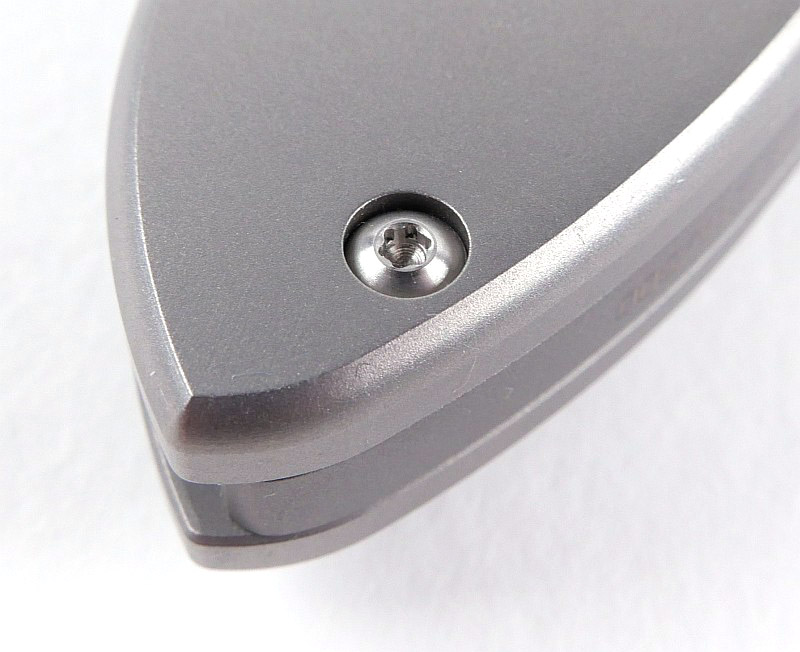
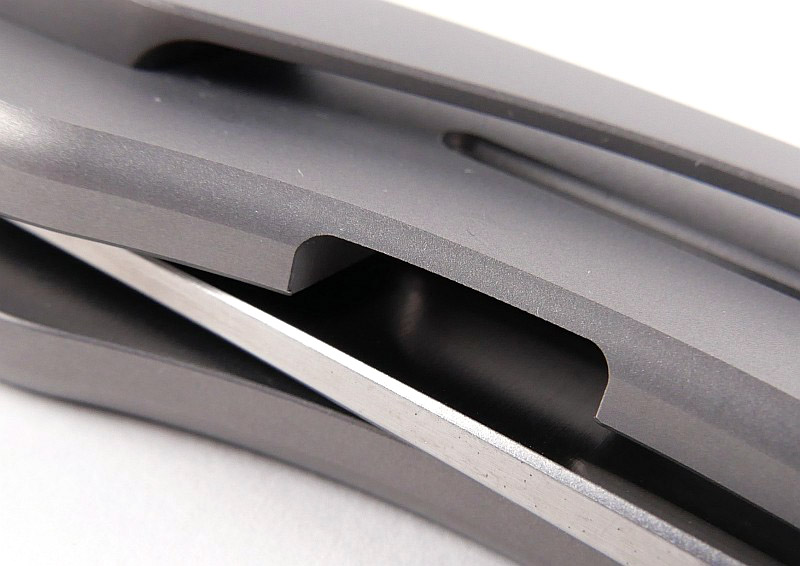
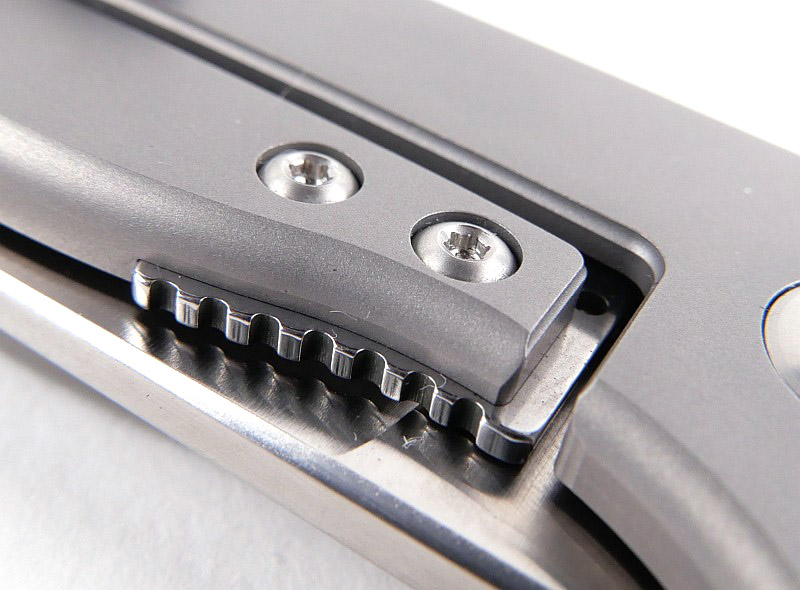
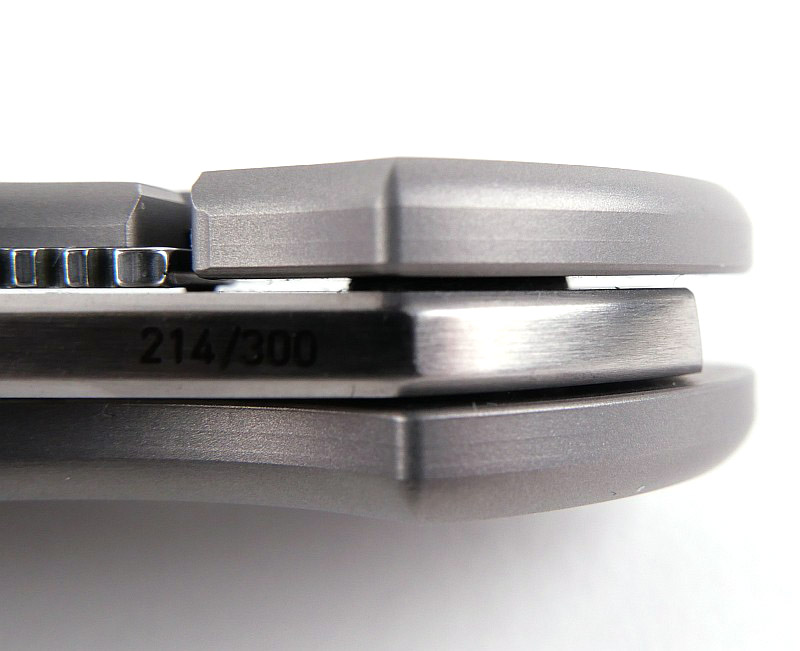
This gallery ended up a bit bigger than I intended as it is meant to show the finesse and attention to detail Dimitri has packed into the Rambler’s design. This first set of photos are with the knife folded.
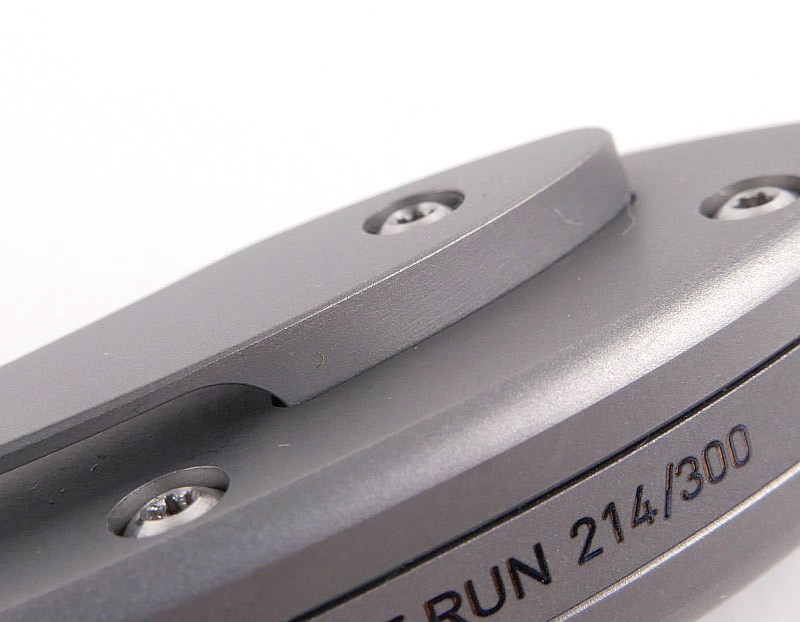
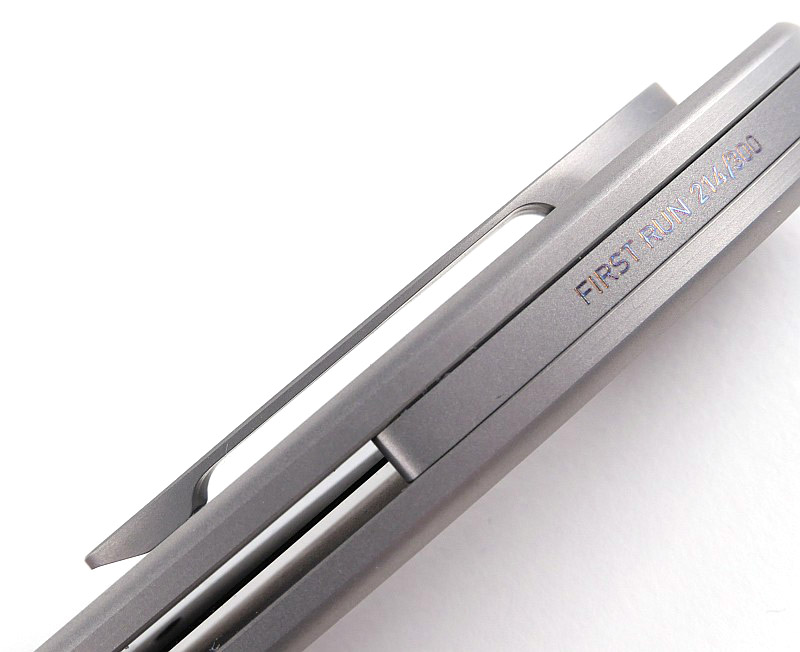
Constructed from thick 4mm titanium all the gentle curves are focussed on ergonomics and function. This knife is from a limited first production run of 300 pieces, and this numbering is engraved on the handle spacer and blade. We can hope there will be further production runs to come.
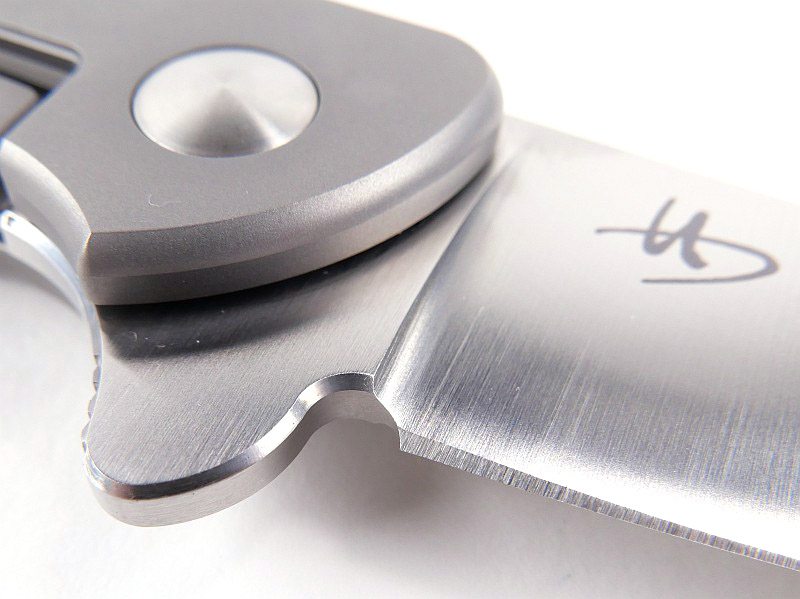
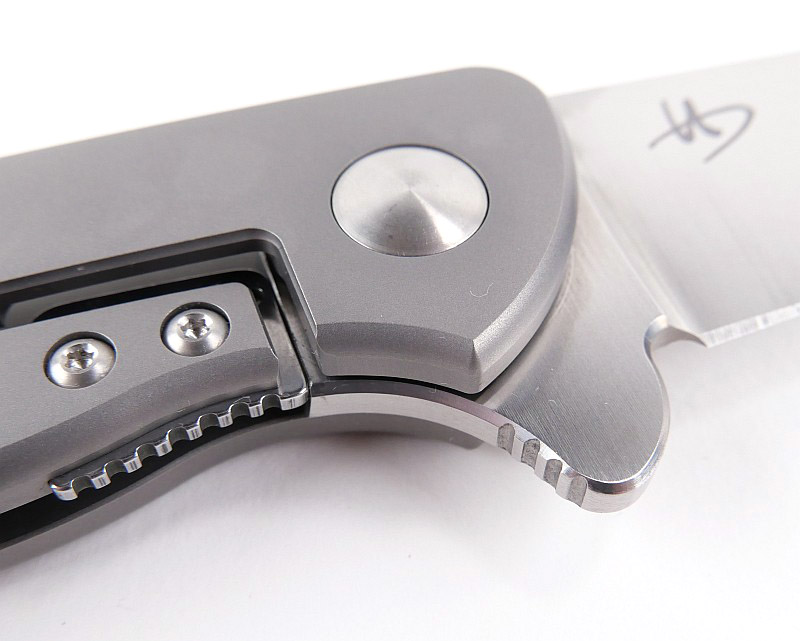
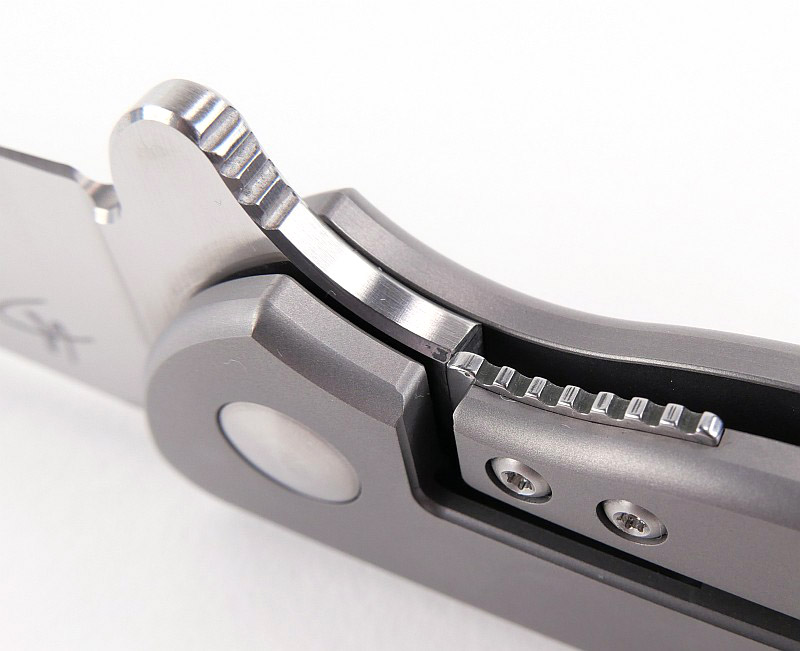
The prominent flipper tab’s main function is to be a finger guard. There to prevent your hand slipping onto the blade when using the knife for dressing game, at night, in all weather, and when tired; a vital safety consideration.
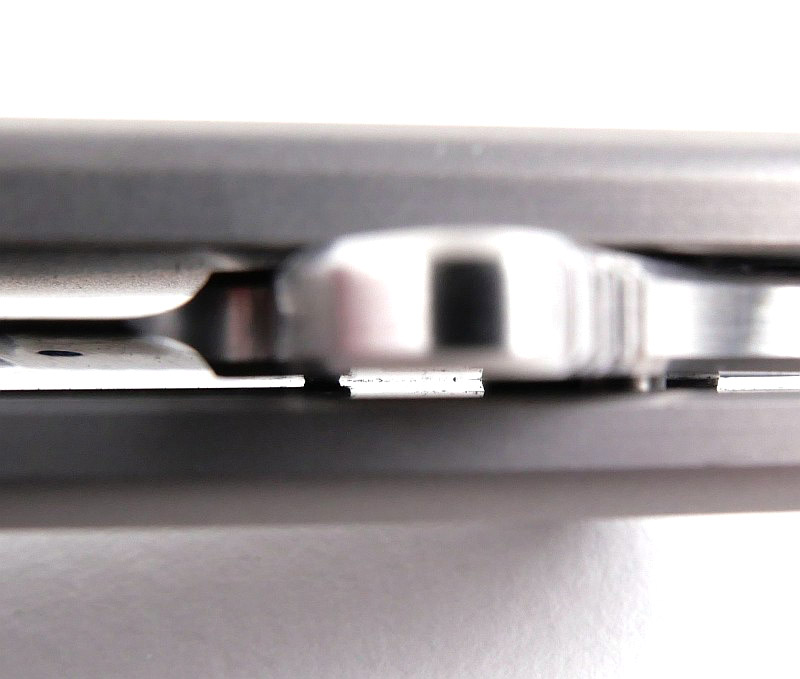
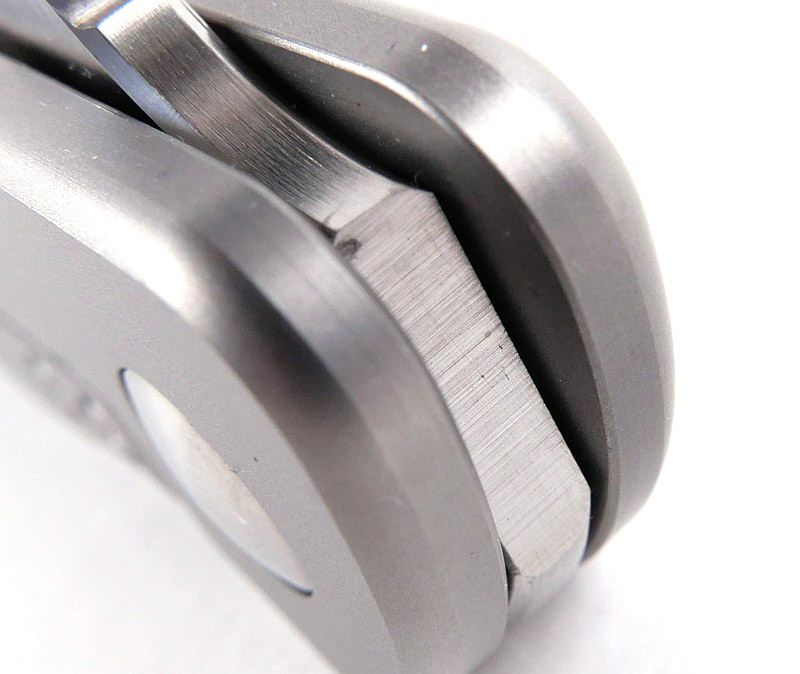
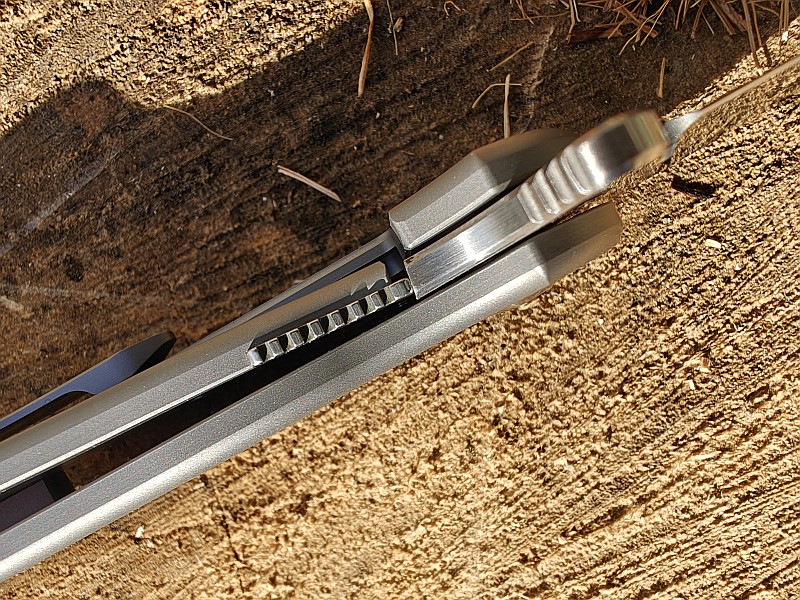
The Rambler’s pocket clip follows the curve of the handle and sits on the handle rather than onto the lock bar. Details of the milled lock bar spring, along with the hardened steel lock bar insert are shown. The lock bar insert is also an over-travel stop preventing the lock-bar being pushed too far open and being bent outwards. As will be explained later in the review this is a vital design aspect.
There is a single-sided pivot bolt, and you can just make out the caged pivot bearings plus the lock bar blade retention detent.






A good look round the open Rambler – Things to look out for here are:
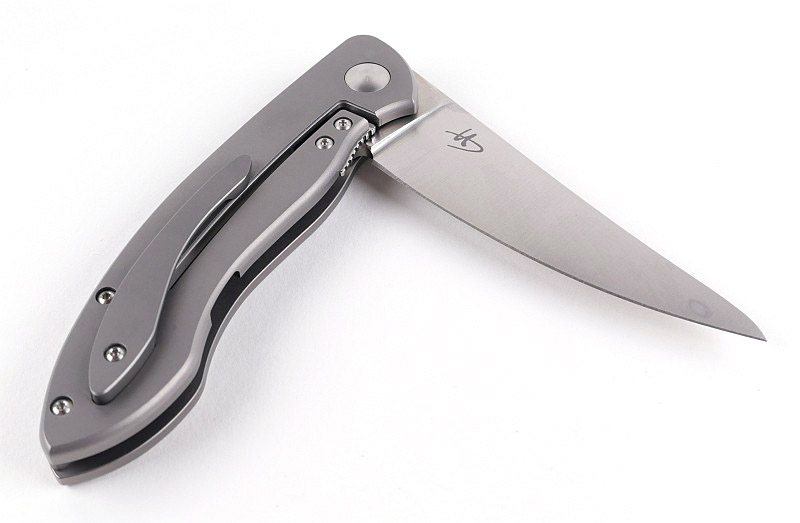
Swinging out the Rambler’s unusual blade brings this working knife to life. The strange, curved, narrow-tipped blade is ideal for detailed cutting and carving, almost scalpel like in its abilities. That curve ensures maximum cutting pressure at all times by focussing the force onto a smaller contact area.
A generous flipper tab is actually primarily a finger guard, to protect you from accidental slips when tired, or with slippery / cold hands. A full flat grind makes for a slicy blade profile, aiding the cutting prowess.
When opening via a firm flip the gallery also shows the initial lock engagement position. We’ll need to refer back to this later in the review.




Explained by the Maker:
The reasons for certain design choices may not be clear when simply looking at an object, so this section is intended to give an insight into the thinking behind a design by speaking to the designer themselves.
I was fortunate to meet Dimitri at IWA 2026 and have the opportunity to talk about the Rambler face to face. The following notes are intended to cover some of the points we discussed while not being direct quotes.
The Rambler is a full production knife and has not had any post production finishing by Dimitri. This first limited production run consists of 300 numbered pieces. A few of these have been held back without the prehistoric figure engraving (so no engraving at all) to allow for a few very special custom collaborations with unique handle designs. In fact the first batch of these have all sold and at the time of writing a second batch of custom collaborations are now in progress.
The prehistoric figure design was found in an ancient cave in France; For Dimitri this symbolises that a knife is a tool, a very old tool. Humans first had a stick, then a silex stone (flint) tool, and then we had the knife; it is a tool, not a weapon.
The Rambler’s DNA is in Dimitri’s hunting knife design, the Hubert, the blade shape is peculiar as you don’t see many knives with a small narrow tip like the Rambler has. It also has a small curve upwards at the tip. If you are dressing game and have the knife in reverse grip, the curve helps avoid cutting the intestines. It also has the same form and function as a petty knife (a kitchen knife) for fine cutting work. Dimitri found inspiration in an old traditional Austrian hunting knife he inherited, which has a very small tip, unlike most modern knives that have drop points and broad blades. But the very fine tip is so useful and extremely functional for cooking, preparing game and fish.
Ergonomic considerations are an important part of the design process, it has to hold well in many different ways, the reverse grip, choking up on the blade and more.
Dimitri is a designer of knives that are to be used, not to be fidget toys, but real working tools. One example of this being that the Rambler has a big guard which is essential for a working knife, if you are in the dark, wet hands, tired, out in the woods, an accident can happen really quickly, so a guard is critical as the consequences of an accident can be very bad when out in the wild.
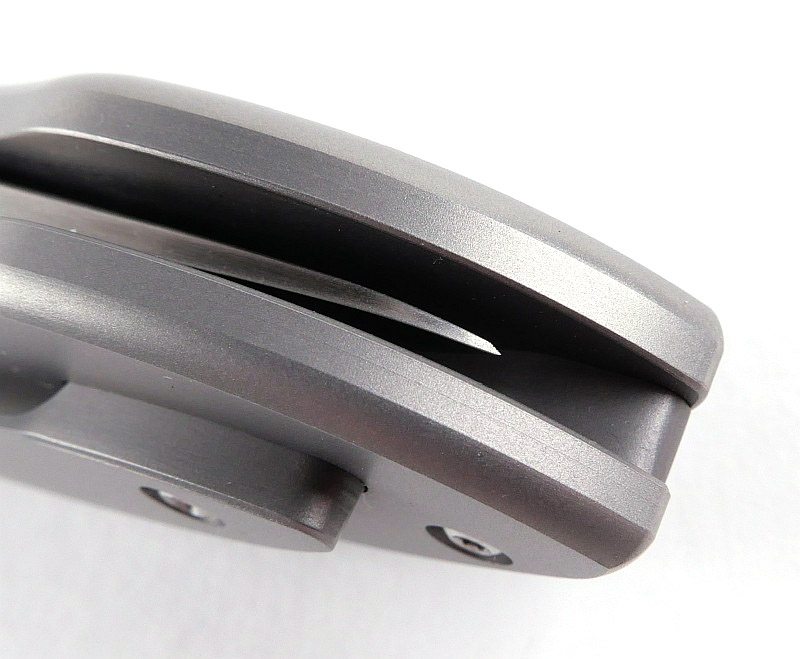
The gap around the lock bar, and the lack of pocket relief inside the handle scales for weight reduction, are intentional features to make the Rambler easy to clean. Designed liek this to keep the knife strong, simple, and reduce places where dirt can build up. Doing any serious work with a folding knife, and it is usually disastrous to clean afterwards, but the Rambler is made to be easy to flush out, and only needs three screws removed to fully strip it down if it is really dirty.
Most titanium folding knives use 3mm thick scales, but Dimitri specified 4mm for extra strength and solid feel.
As a working knife and tool, the Rambler has been designed with the expectation that the owner will take the knife apart for maintenance. The bearings are intentionally a standard size so that the owner can swap them out or upgrade them themselves.
And a final thought; someone who walks around every day with a tool in their pocket is someone you can count on.
The Blade and Handle – Detailed Measurements:
For full details of the tests and measurements carried out and an explanation of the results, see the page – Knife Technical Testing – How It’s Done.
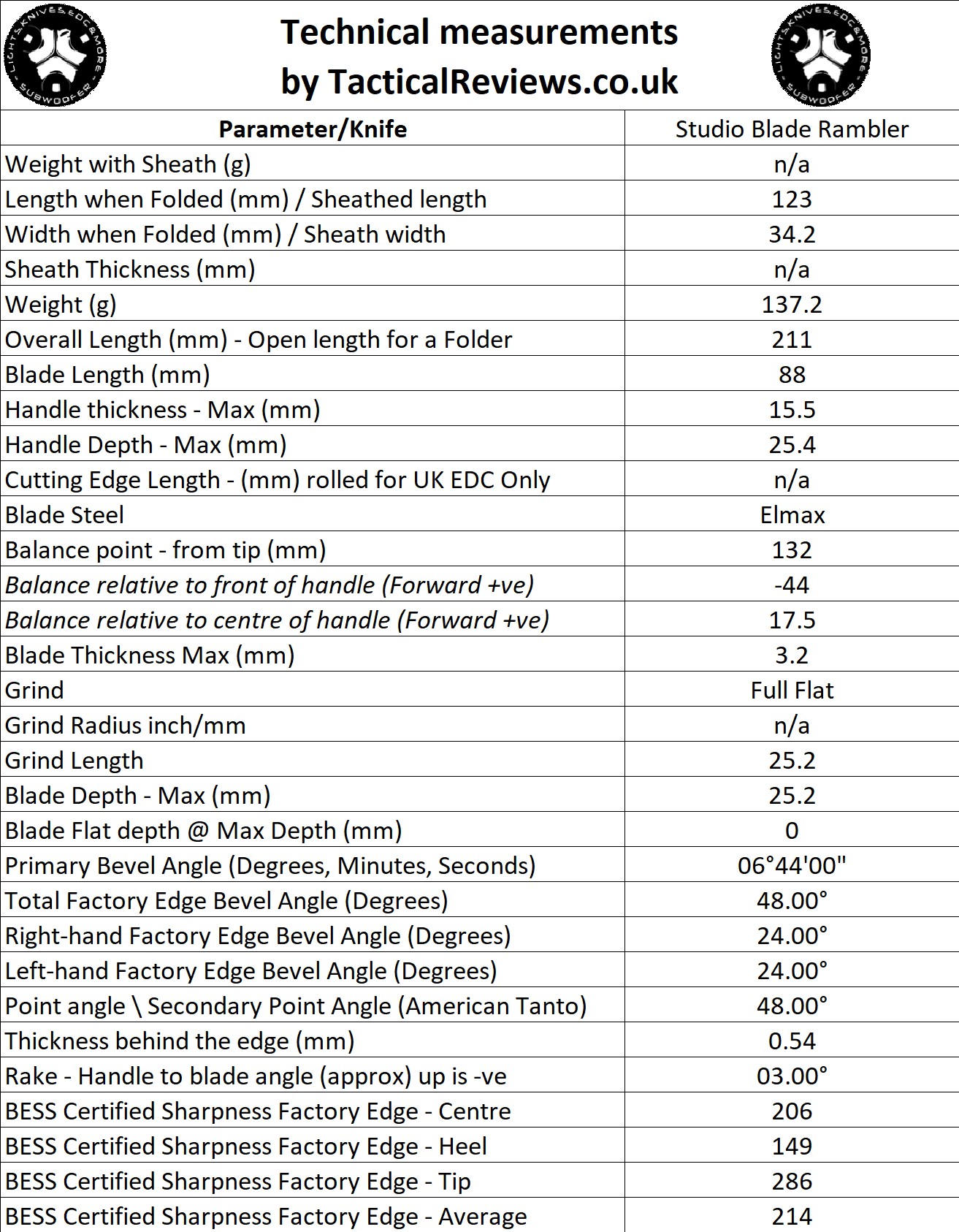
The blade is made from Elmax steel. Below is the Studio Blade Rambler Review parameters table:
The Factory edge up close:
Followers of Tactical Reviews will know my views on factory edges, but to recap:
Anyone using a knife will need to sharpen it. That first factory edge is just like the first tank of fuel that a new car comes with (or first charge of the battery).
A good factory edge is a ‘nice to have’ but not a ‘make or break’ for a good knife, as you will be putting your own edge onto it soon enough.
The factory edge does however indicate the care a knife maker has put into the final finish.
It is for this reason Tactical Reviews measures factory edge sharpness and specifications, and includes this information in the detailed technical testing.
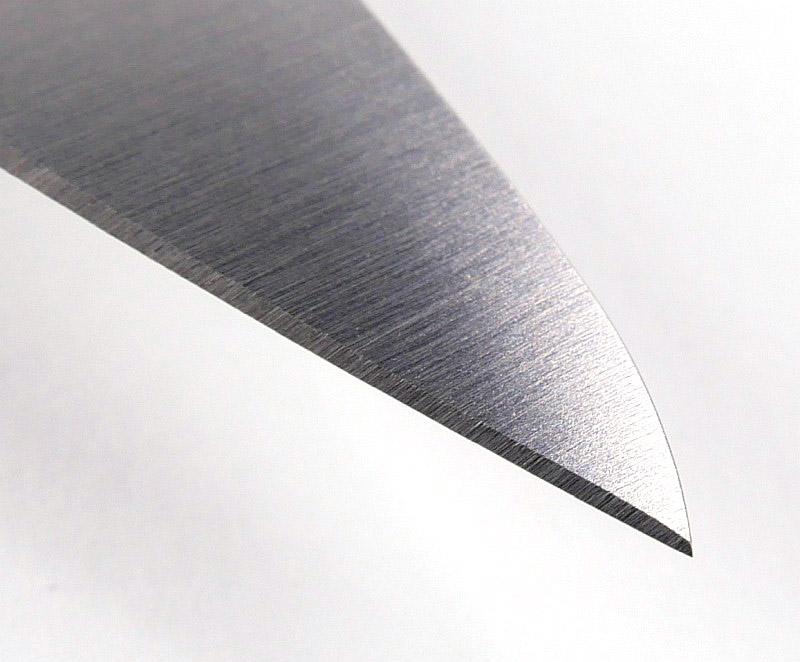
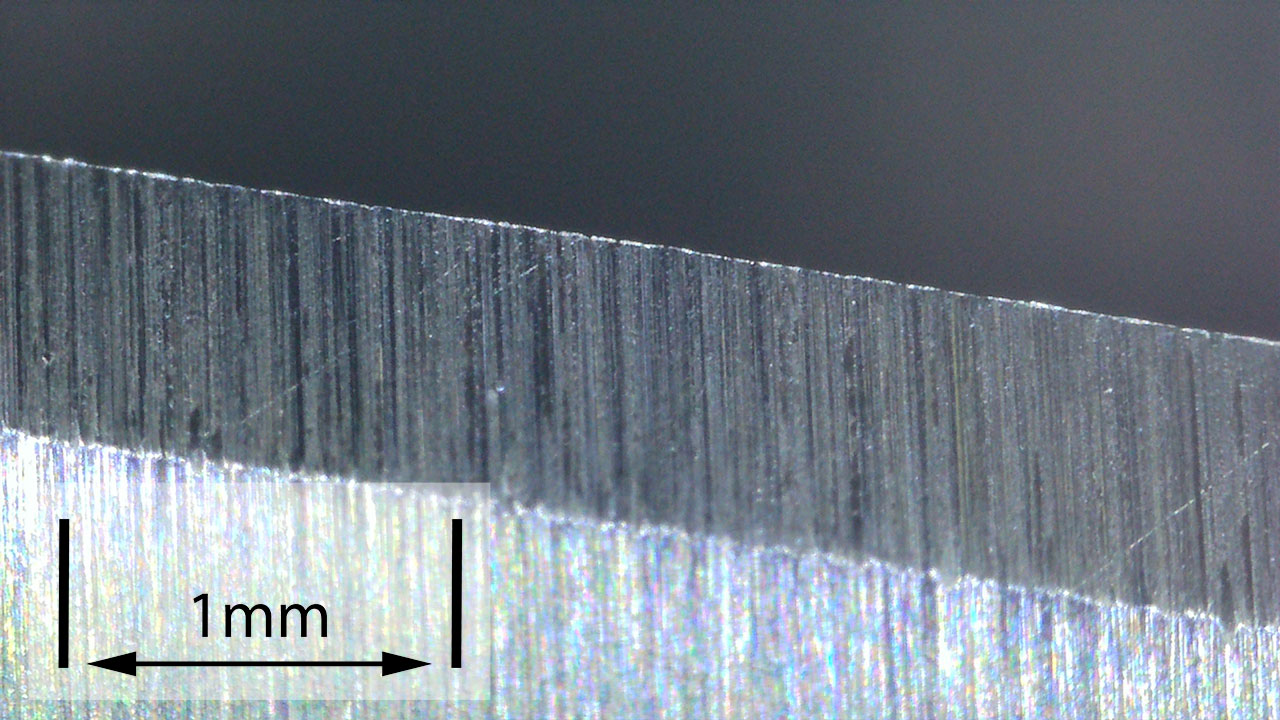
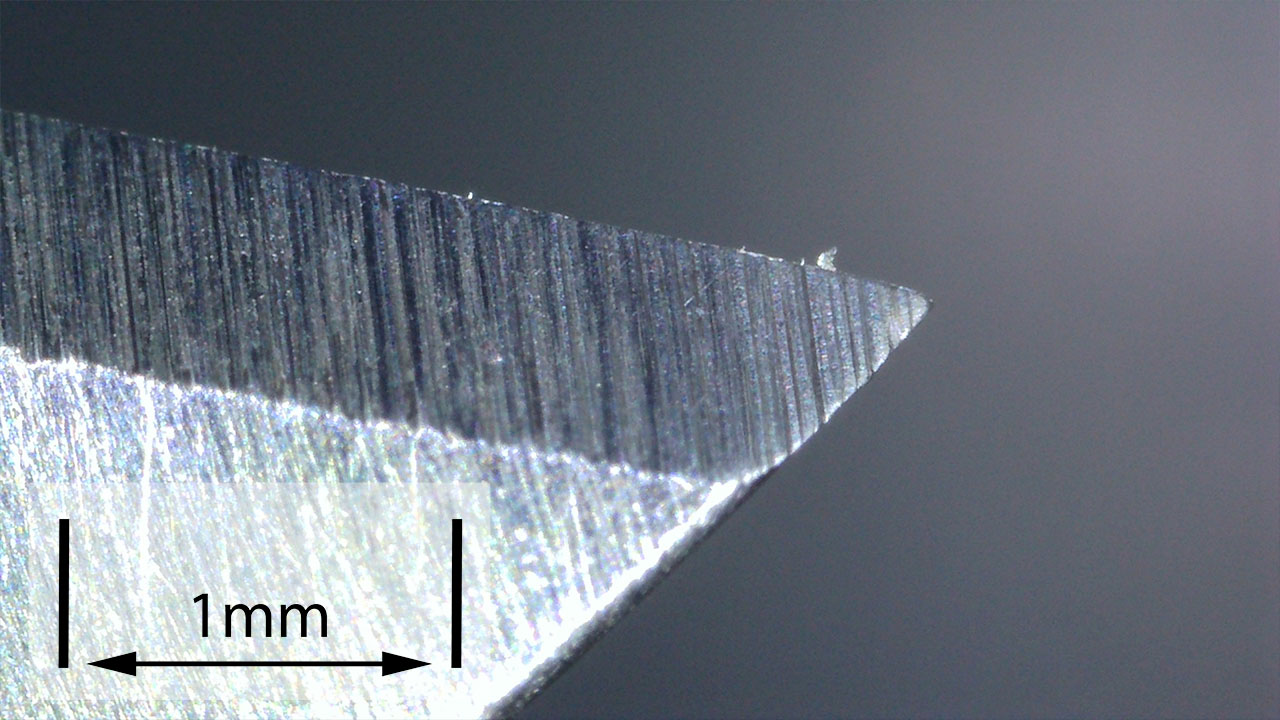
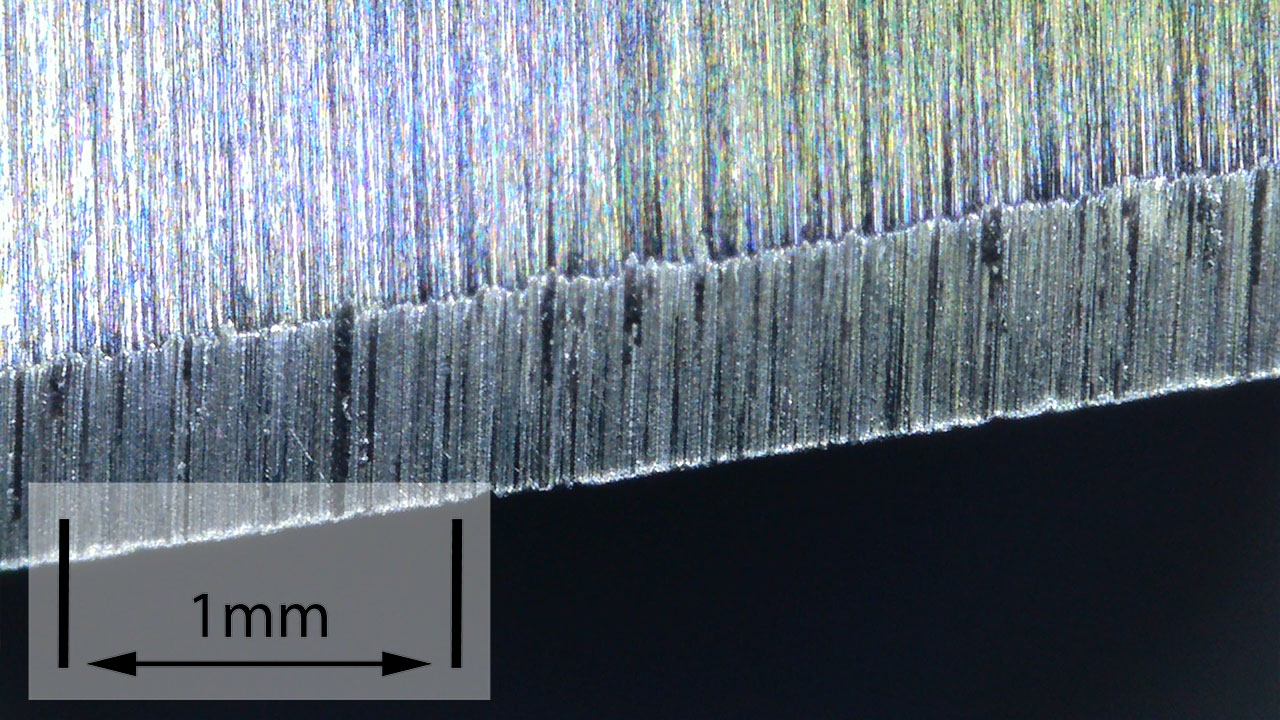
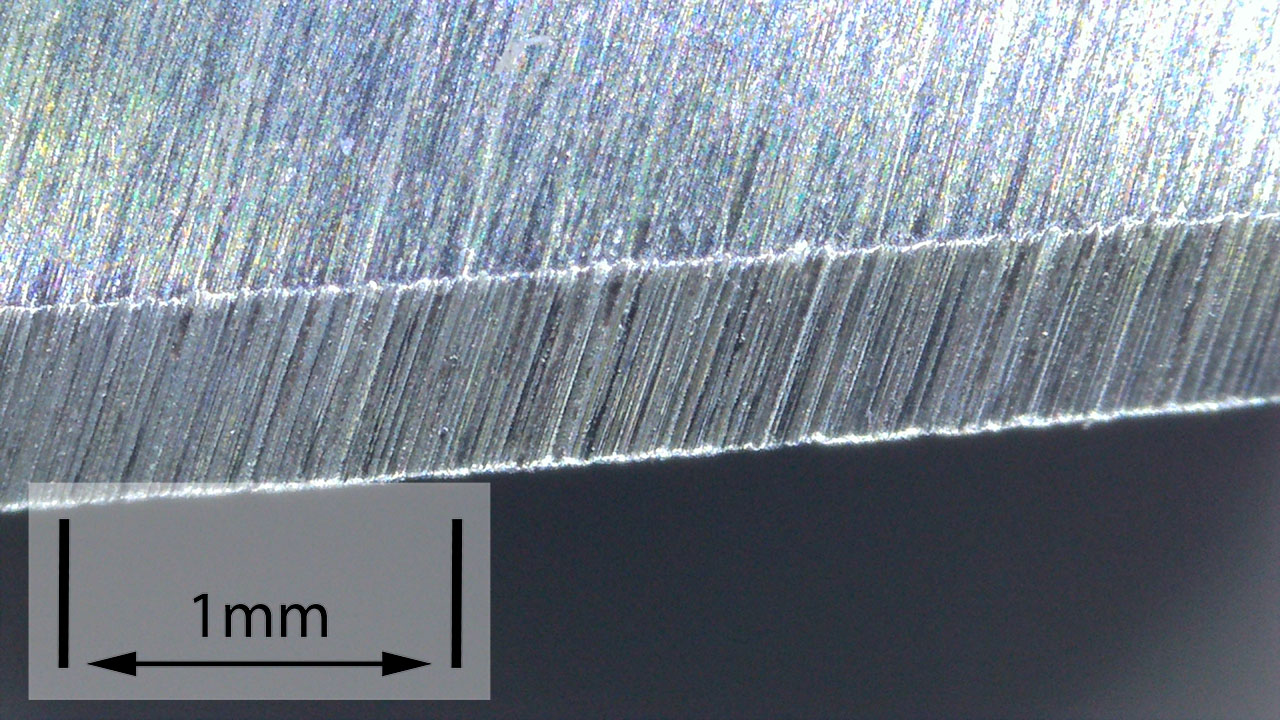
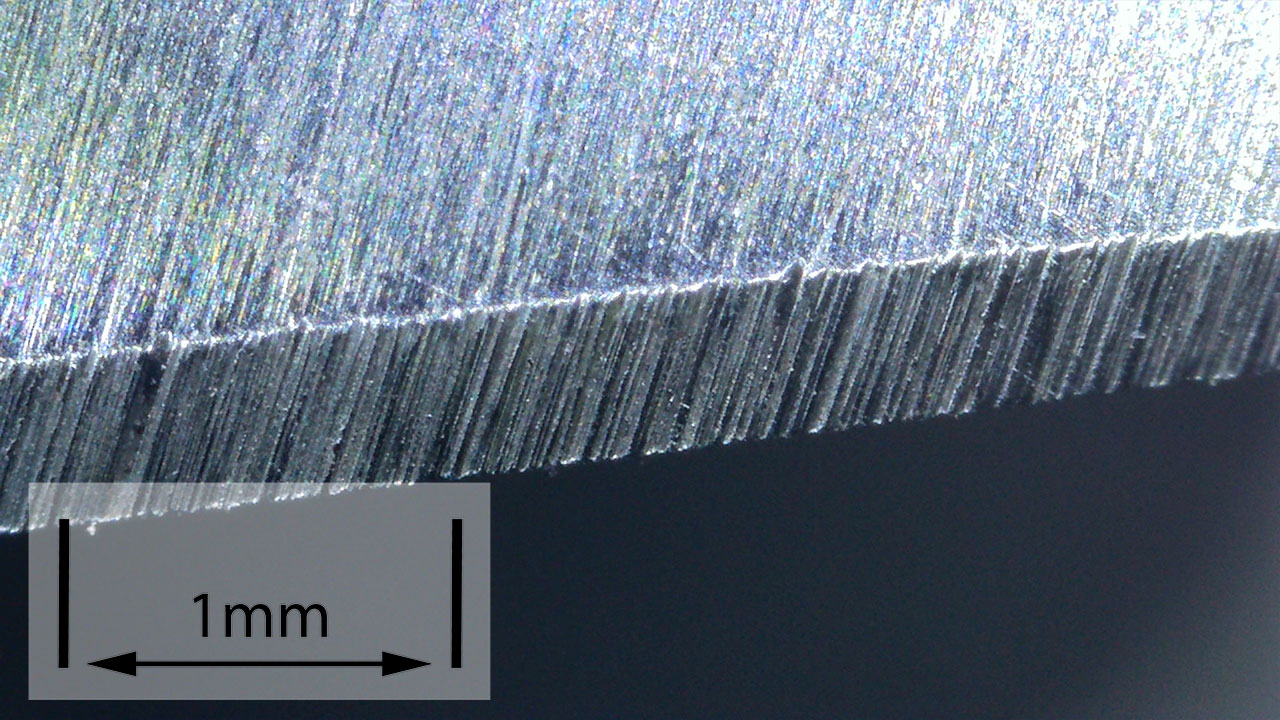
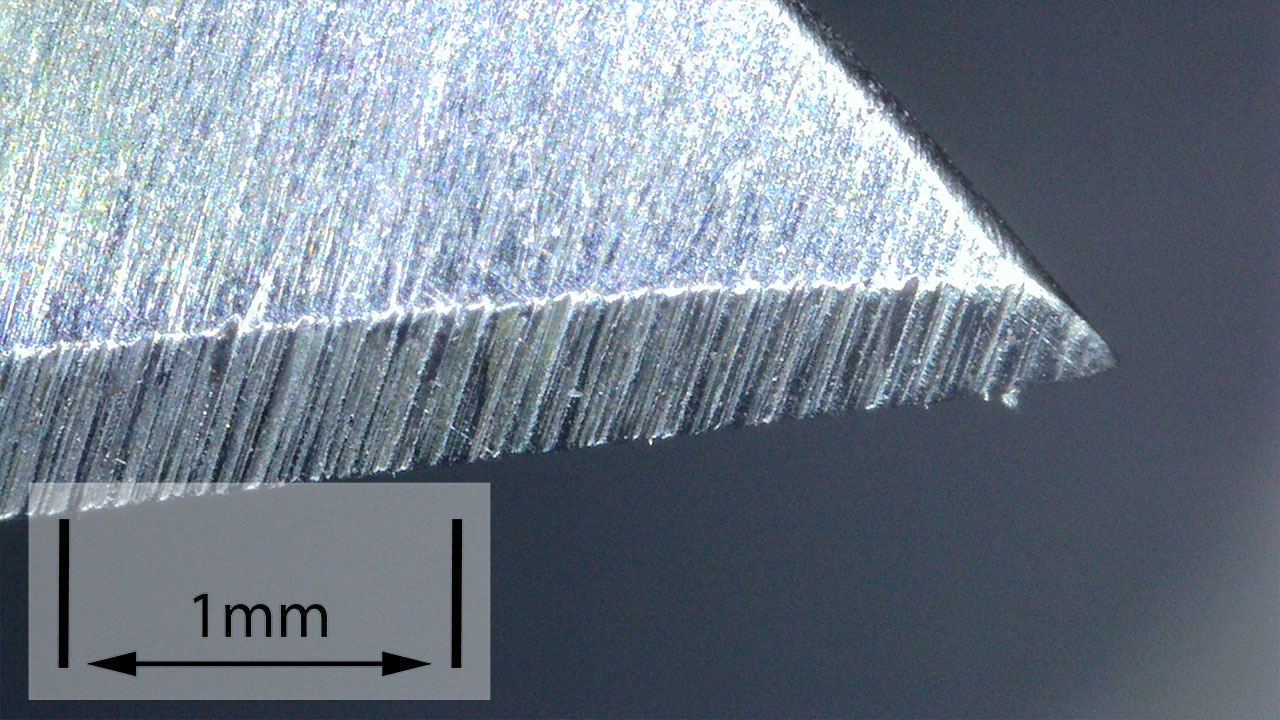
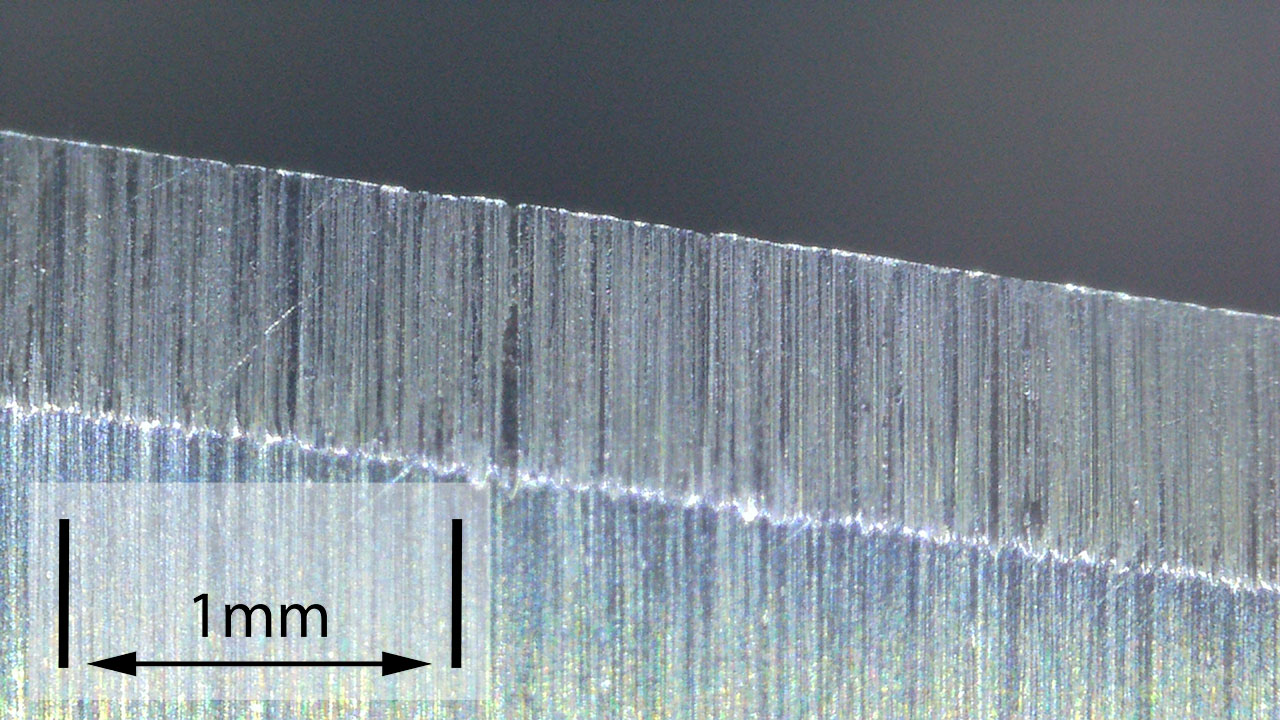
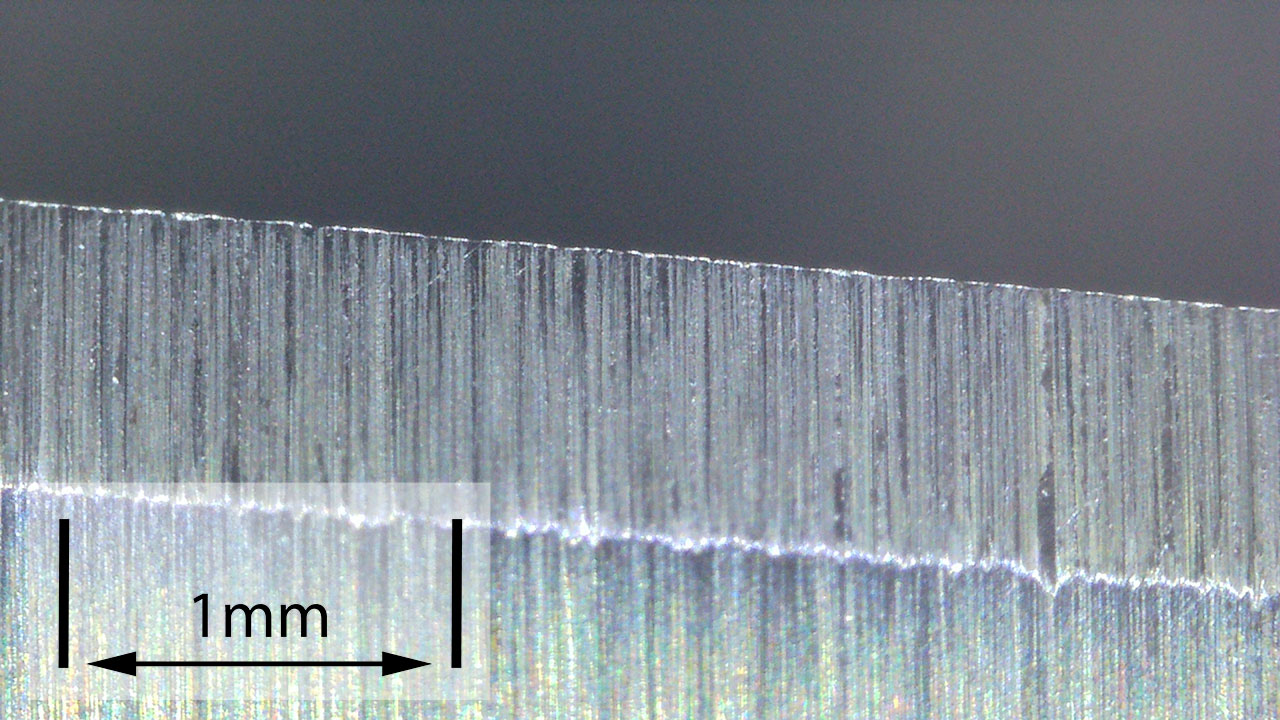
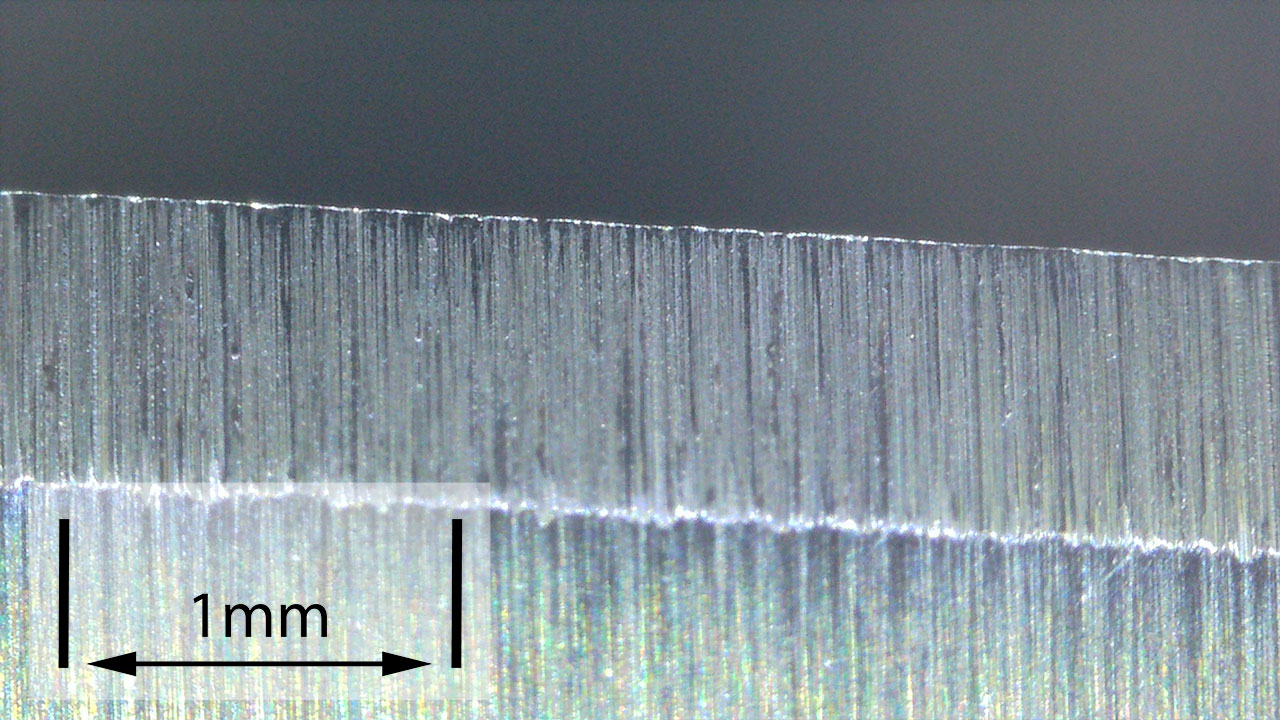
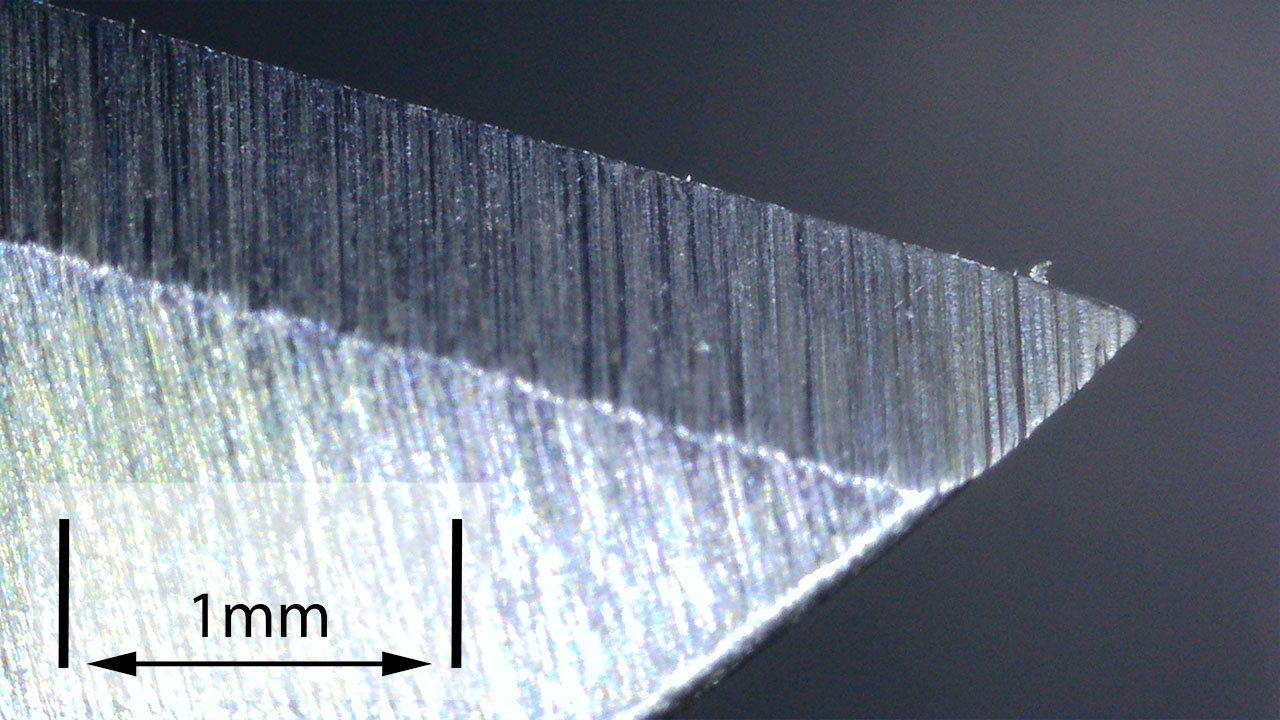
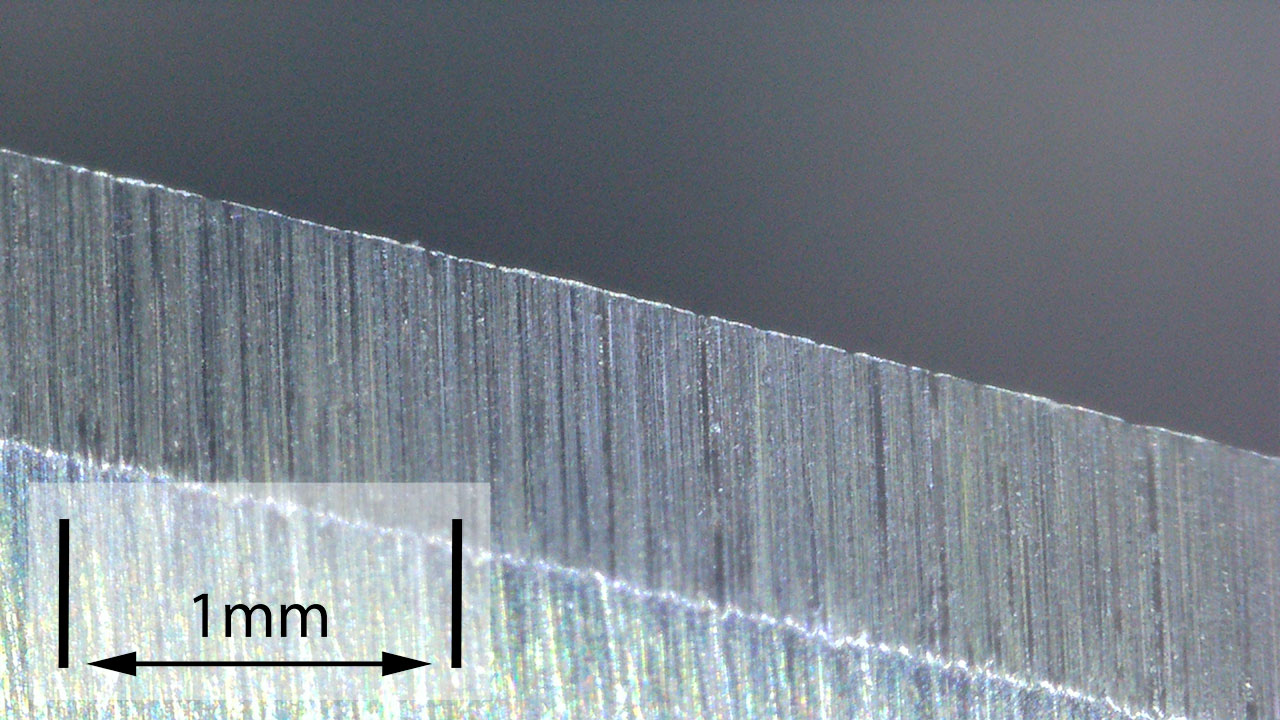
As a further look at the factory edge, this section has been added to include some high magnification photos of the factory edges.
The factory edge on the Rambler is an excellent working edge with a eager micro-serration from the grit used to create the cutting edge. As you look over these magnified edge images you can see there are clear coarse grit scratches mixed into the edge which enhance the micro-serrations. This type of edge is a great all round cutter.
Remember this was a demo knife at IWA 2026, so there are a few areas that may be showing a little rolling (or possibly a slight residual burr from the sharpening), but even so this edge shaves arm hair and cuts really well.



What is it like to use?
The Rambler is definitely ergonomic and this is obvious from the moment you pick it up. Take a look through the handling gallery (remembering I have XL glove size hands). The extra handle thickness, 4mm being used instead of the more standard 3mm, really makes a difference to the feel in your hand. Combined with the fact that the handles have been left full thickness and flat inside, they are both stronger and a touch heavier than most titanium handled knives.
All the edges were you will be applying force are well rounded (only the pocket clip has some crisp edges) to help remove any hotspots for heavier work.
There is no thumb stud or other manual opener, and though I prefer to thumb-open a blade, it keeps the Rambler very streamlined, and with no obstructions on the blade during cutting or sharpening. If you don’t quite flip it strongly enough, you can use your thumb on the blade to swing it fully open easily thanks to the slick ball bearing action.

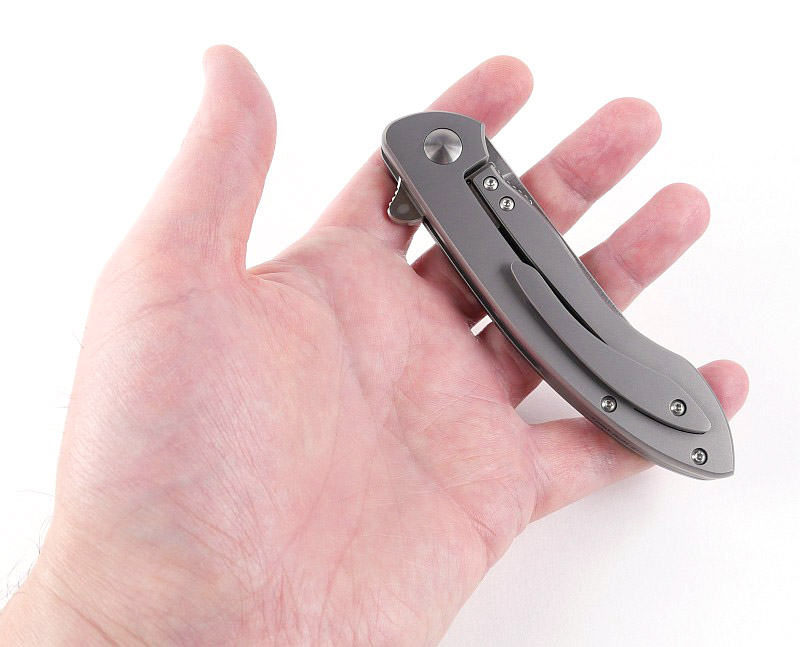
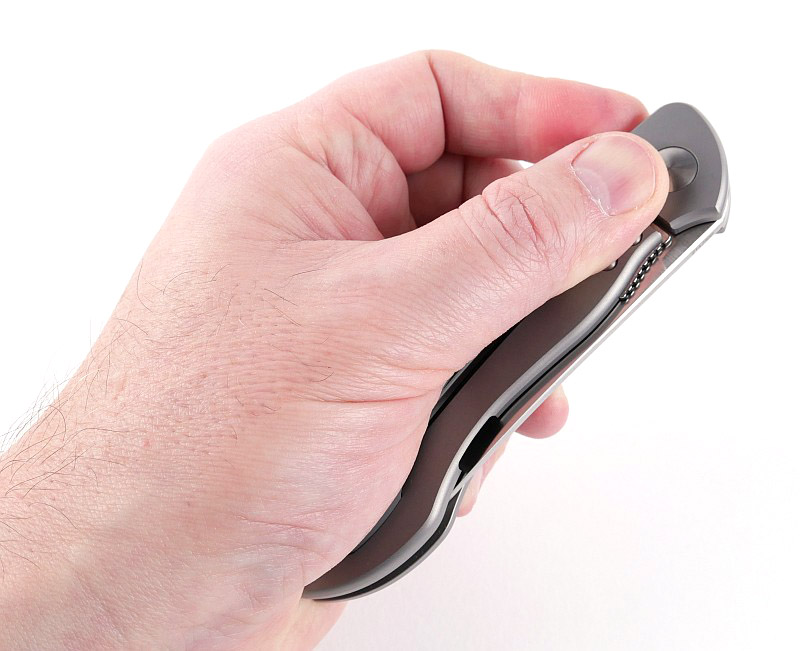
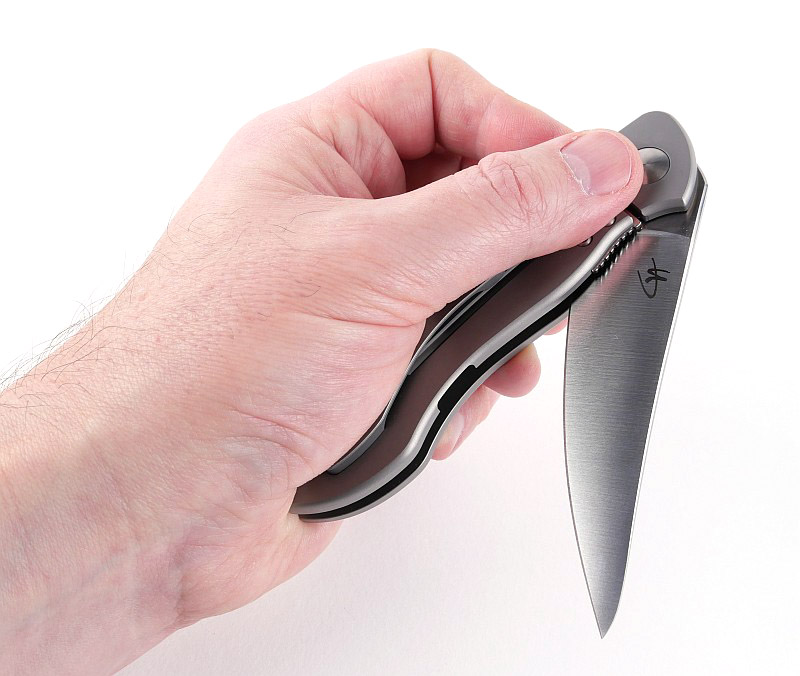
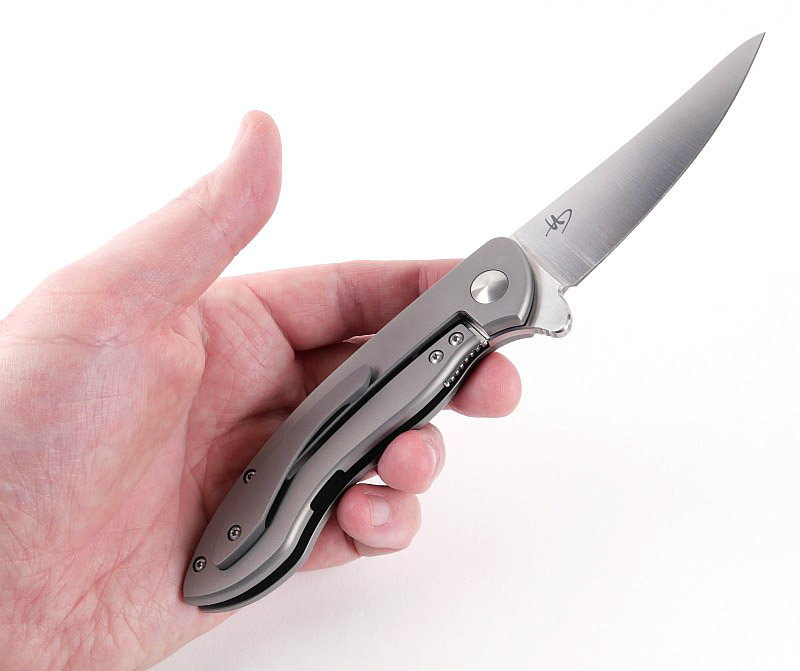
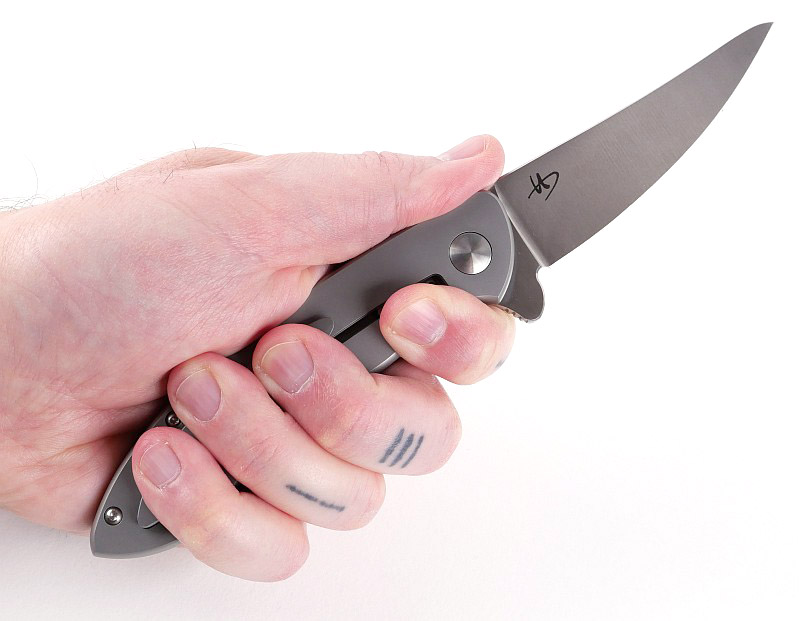
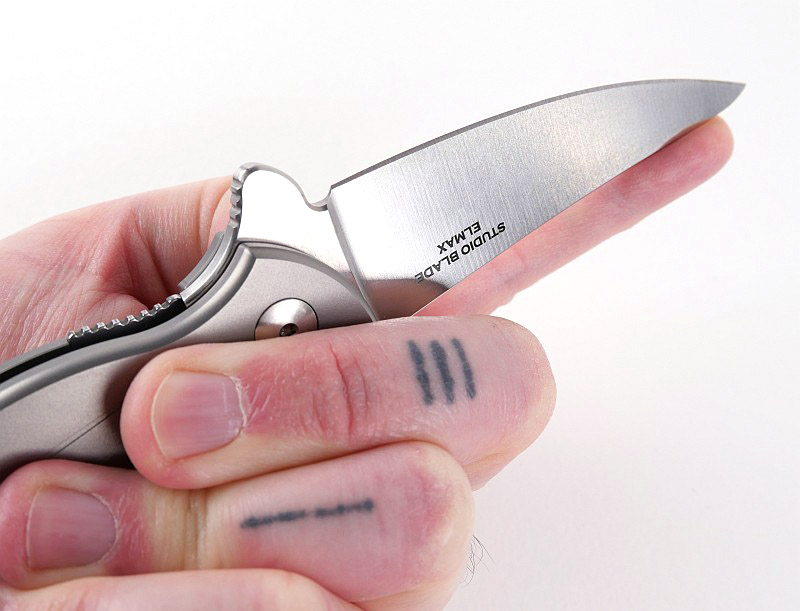
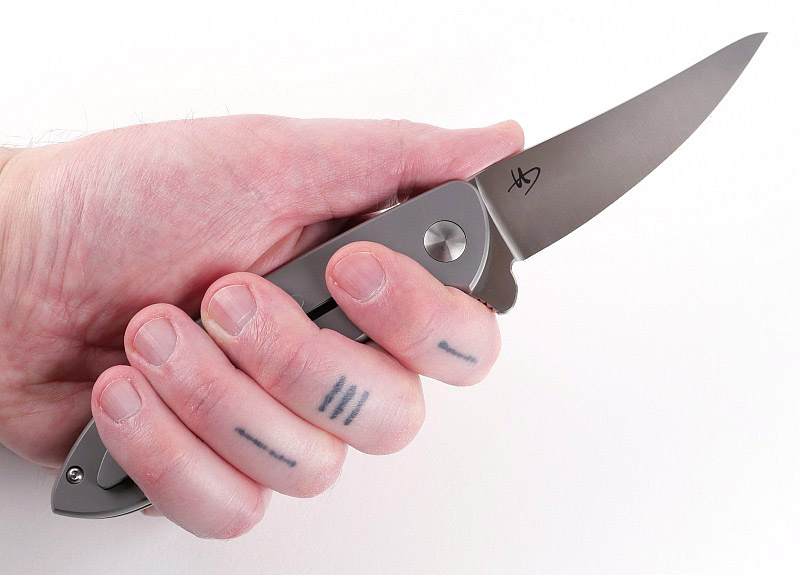
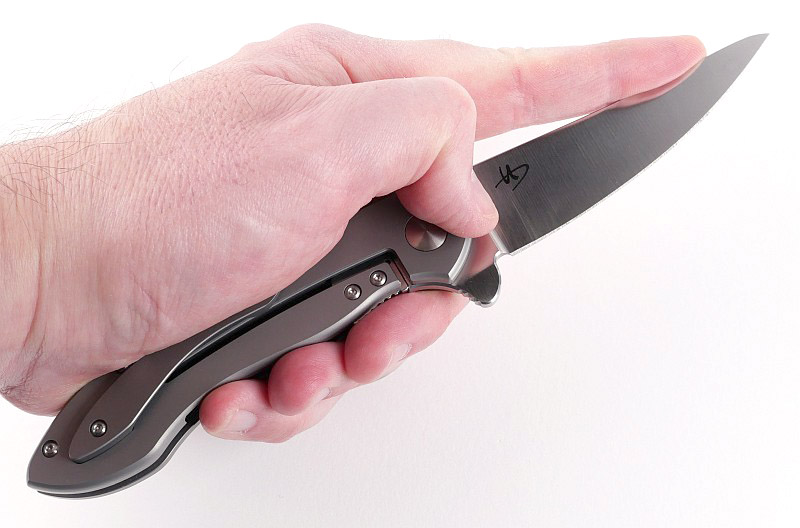
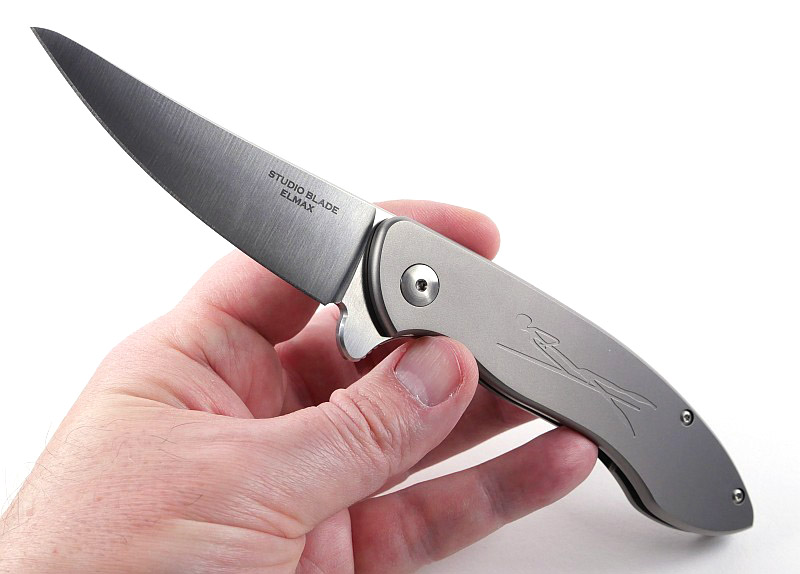
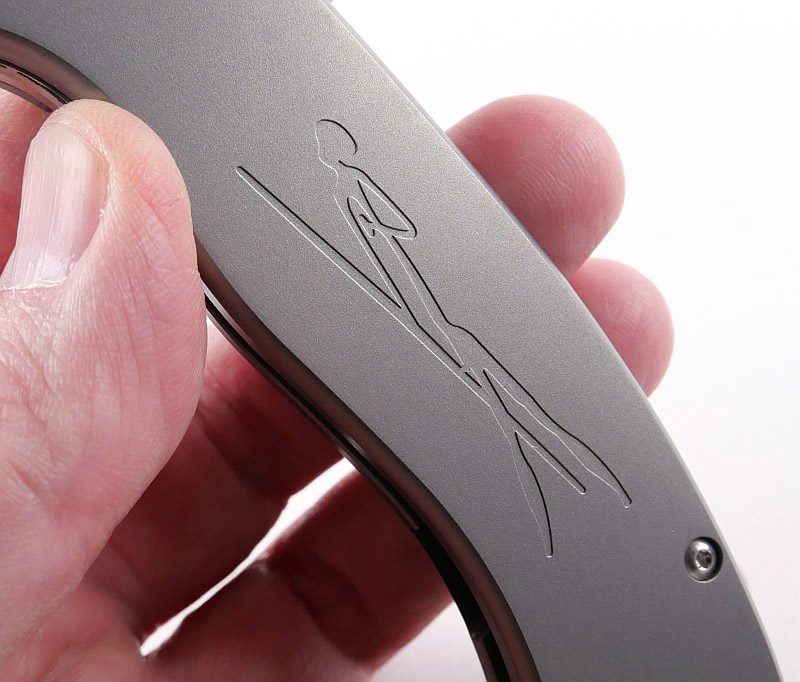
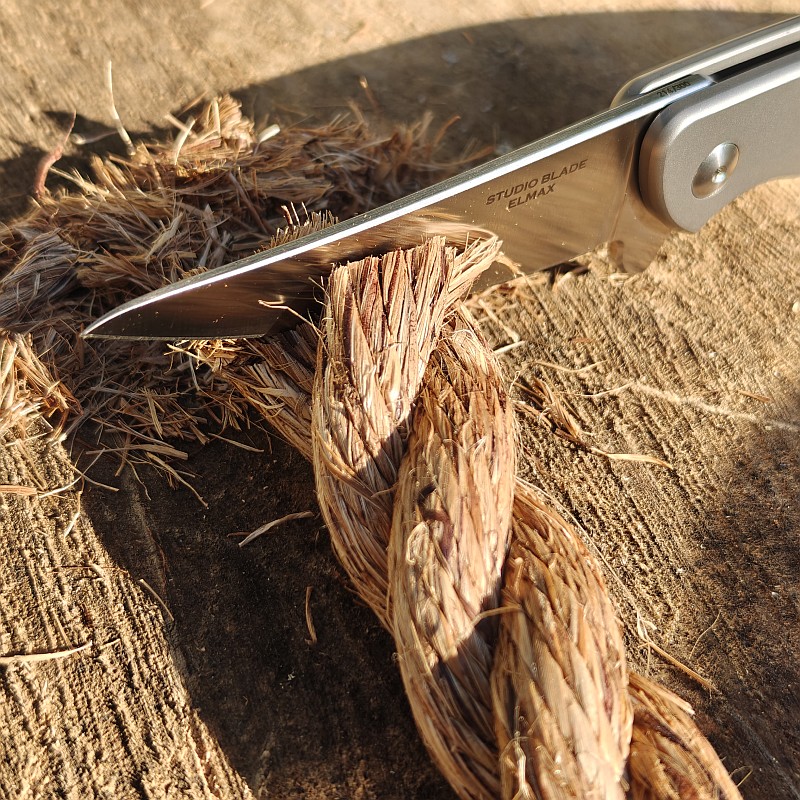
As Dimitri intended, the Rambler is a real all rounder. During the ‘carry’ phase of my testing, unfortunately there were no game prep opportunities, which I really was hoping to report on; another time. Instead I had to make do with a variety of jobs round the home and a bit of food preparation. Moving onto some outdoor cutting tests including a 1″ manilla rope cut. The rope is very tough and unpleasant to cut as it resists even the sharpest of blades demanding a lot of pressure and effort.
Usefully, the rope cut did bring to light a characteristic of the Rambler, and that was for the lock engagement to increase significantly under load. The gallery image, after the rope cut, shows the much greater lock engagement after gripping the handle very tightly and applying a lot of cutting force. Like this it did require considered application of force to release the lock using both thumbs. This also highlighted a very useful design feature, which is that the hardened steel lock bar insert is also a lock-bar over-travel stop, meaning even as you give it a good bit of pressure to unlock it, you won’t then over stress the lock bar when it does release.
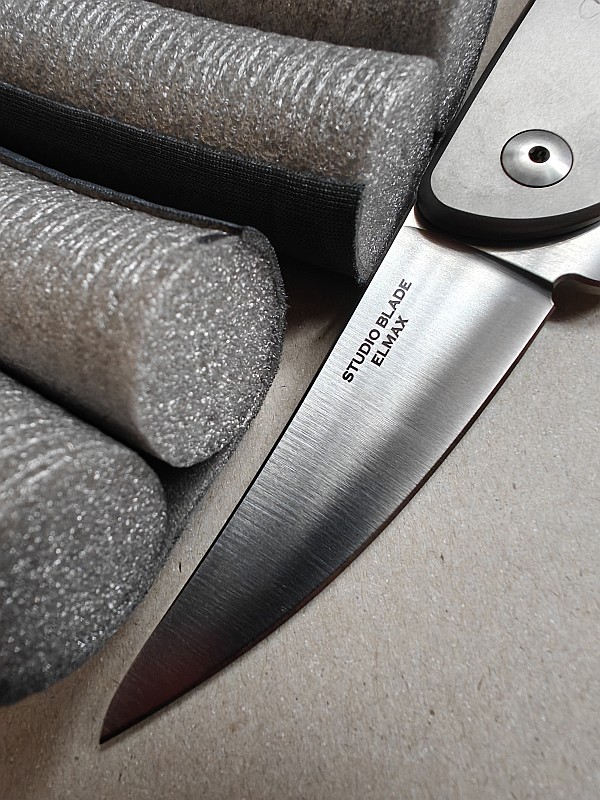

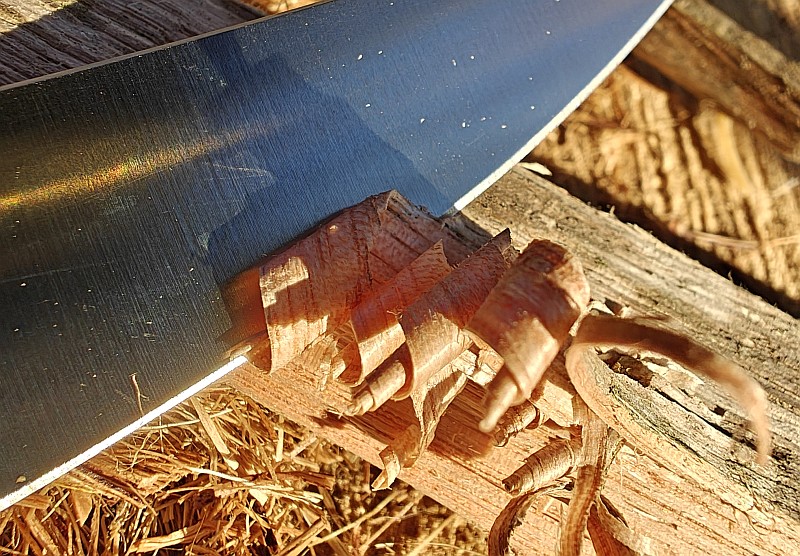
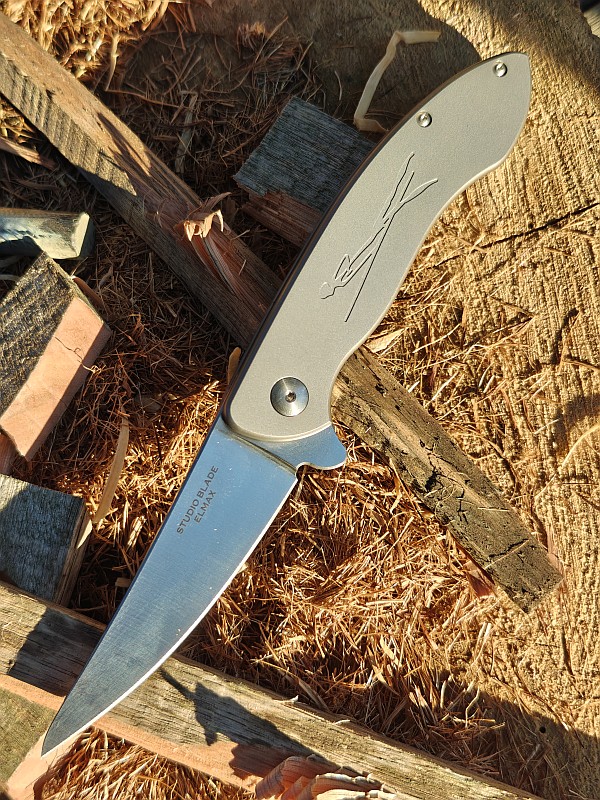
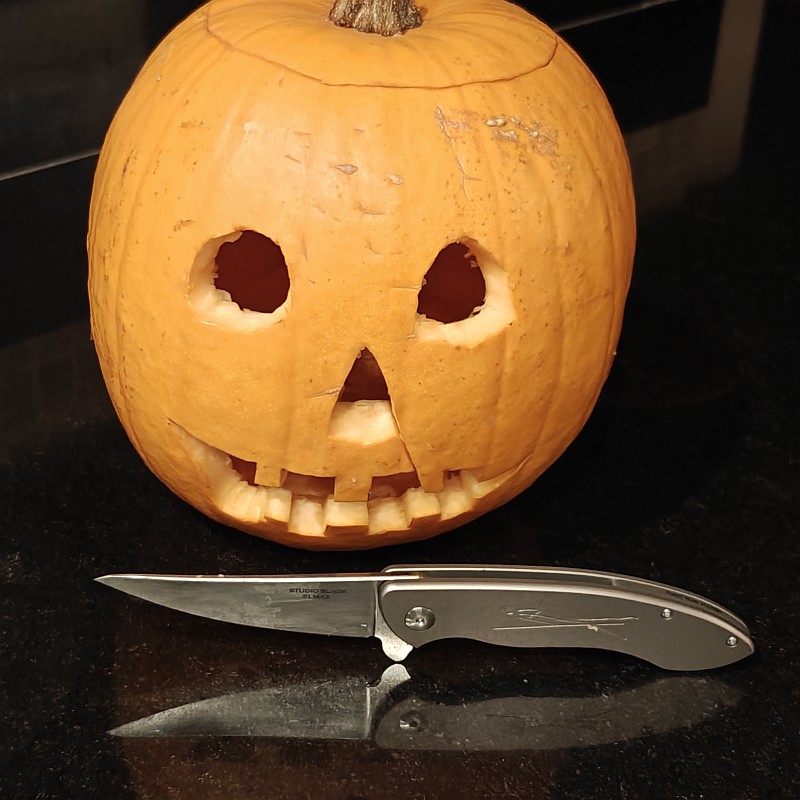
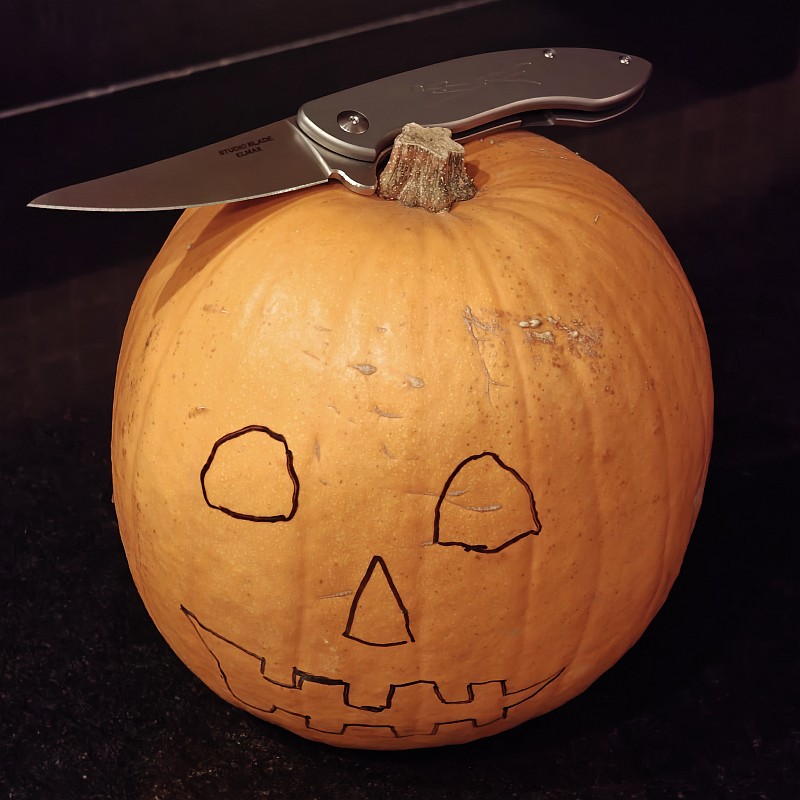
This final gallery is just a bit of fun, some pumpkin carving. The Rambler is capable of much finer and more detailed work, but this was intentionally rough and ready, as it is a copy of the 1978 Halloween movie credits pumpkin.


Only needing three screws removed fully disassemble the knife for maintenance, doing this is not a chore at all. The pivot screw uses a T8 bit and the handle spacer has T6. I would prefer if the handle spacer screws could also have been T8 as the T6 is not going to stand up to repeated disassembly as well as a T8, and if they were all T8 you then you only need one size screwdriver instead of two.
For the full take-down process, and to see the construction inside, see the full review video at the end of this written review.
If you want a completely unique version of the Rambler look out for the very limited number of individually customised knives available from Studio Blade.
The Rambler just feels at home in your hand and is definitely made to be used. A genuinely versatile working knife. I hope there will be further production runs so as many people as possible can get a Rambler into their pocket.
Studio Blade Rambler Review Summary
The views expressed in this summary table are from the point of view of the reviewer’s personal use. I am not a member of the armed forces and cannot comment on its use beyond a cutting tool or field/hunting knife.
Something that might be a ‘pro’ for one user can be a ‘con’ for another, so the comments are categorised based on my requirements. You should consider all points and if they could be beneficial to you.
_______________________________________________
What doesn’t work so well for me
_______________________________________________
T6 handle spacer screws may not be very durable for repeated disassembly.
Lock engagement increases under heavy load/grip, needing both thumbs to release.
_______________________________________________
Things I like
_______________________________________________
Extremely ergonomic design.
Feels ‘right’ in the hand however you hold it.
Thicker than usual, 4mm handle material.
Super versatile blade capable of heavy or delicate tasks.
Curved blade maximises cutting force.
Only three screws needed to fully take apart the knife.
Wide lock-bar slot for easy cleaning.
Standard size pivot bearings for easy replacement or upgrade.
Elmax blade steel.
Lock-bar over-travel protection.
Large finger guard.
Studio Blade Rambler Review Videos
Starting with a short format sixty second review:
Onto a full video review covering many more details:
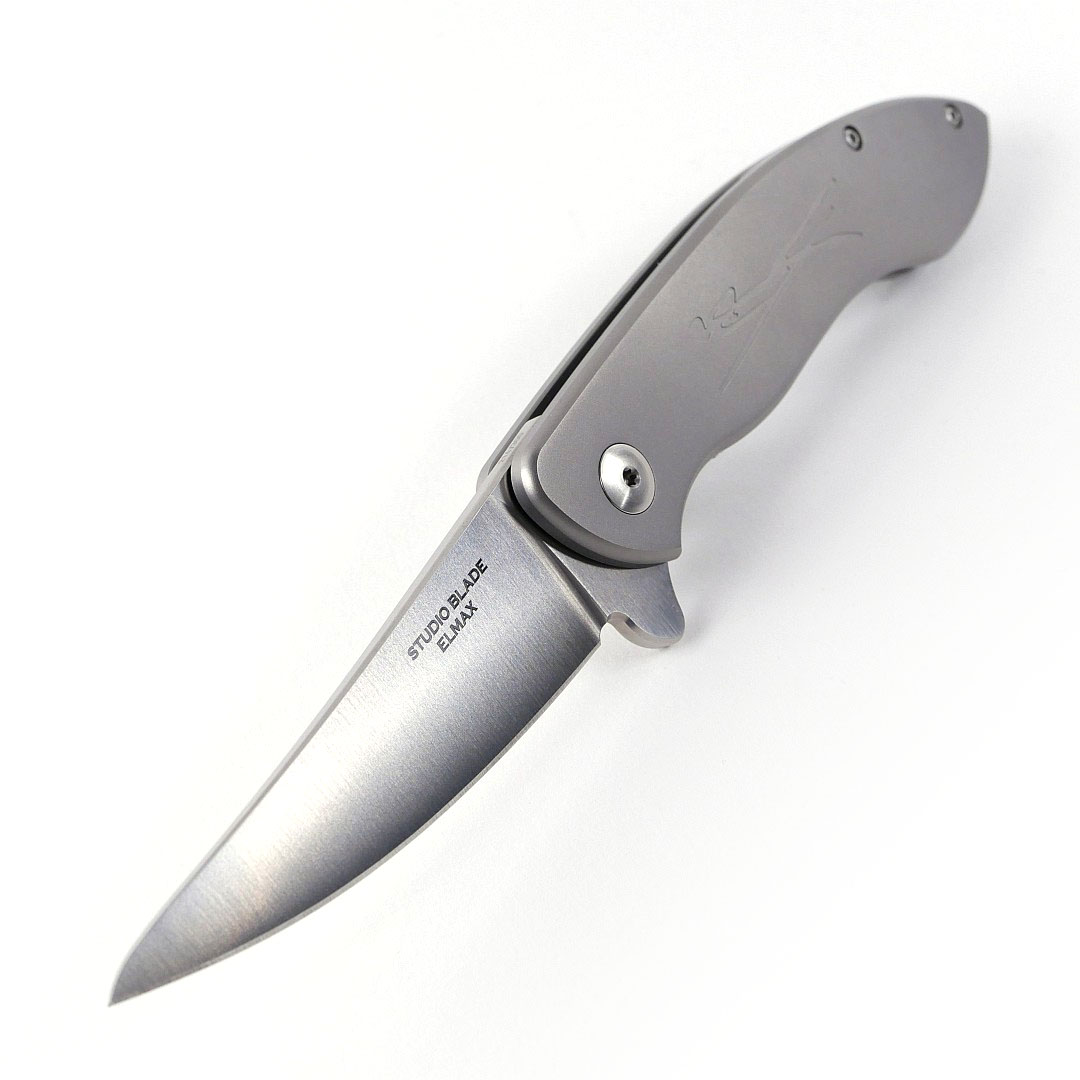
Discussing the Studio Blade Rambler Review:
Something new – will it work? A Tactical Reviews Subreddit.
TacticalReviewsChat on Reddit
Please visit there and start/join the conversation.