
Why ‘Off-Grid Comms’, and why is this important? What we are talking about here are fully independent communication systems which don’t rely on power grids, telecoms infrastructure, the internet, or anything outside your own direct control.
When the power goes off, when the internet is down, when your mobile phone isn’t working, satellites have failed or you are in a remote location where none of these work anyway, how will you stay in touch or get information? The answer is mobile / portable radio communications.
What is the Tactical Reviews Off-Grid Comms Page?
This page is a launchpad, and it will be continually developed, so worth revisiting time and again. A reference for complete beginners and more experienced operators.
On this page you will find links, pointers and tips, based on my own research, study, planning and experience. Taking a fresh perspective on what will really work in an emergency, and to develop a practical structured communications plan.
Before we really dive into the subject, what would you call it? Emergency Communications, Prepper Comms, Survival Communications, Emergency Radio Comms, Prepper Comms Planning, Ham Radio for Preppers, Communications for when Phones stop working… and there many more terms that could be used, but for this page and related information I’m using one truly accurate term, ‘Off-Grid Comms’, as whatever the situation that actually comes about, we are looking at zero-infrastructure Off-Grid radio communications.
Where do you start and what are the options?
A great place to begin are the license-free routes that are available to you; PMR446 Walkie-Talkies (UK and EU) and CB Radio (Globally recognised). With these you can simply buy dedicated radios and start using them without any other requirements. Exactly because of their simplicity and accessibility to all, they definitely have a place in your overall off-grid comms preparations.
Taking things further, you enter into the more powerful and versatile licensed radio use. Amateur (Ham) Radio, GMRS (in the US), Marine Radio and Airband, are all areas worth learning about, as there is no one-size-fits-all.
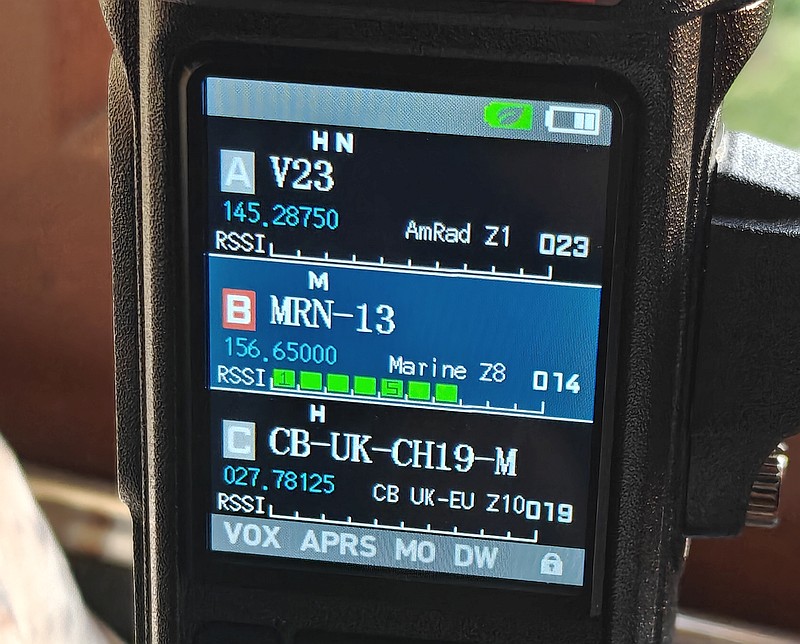
Radio communications is one subject where practice is even more important than most. If you actually ever need to use radio communications, you do not want to find you ‘have all the gear and no idea’. Listen and Learn; in fact anyone can buy and listen on all of this radio equipment, it is only transmitting that needs a license.
Getting Licensed:
Before we go any further, I highly recommend you get at least a Foundation/Technician (or equivalent) entry level Amateur radio license, which allows you to properly understand and practice radio operation. Even better would then be to progress to the more advanced licenses, as the study for these will give you a strong understanding of how to communicate over longer distances and with greater effectiveness.
The RSGB and ARRL are great places to start.
My own background in Off-Grid Comms and Amateur Radio:
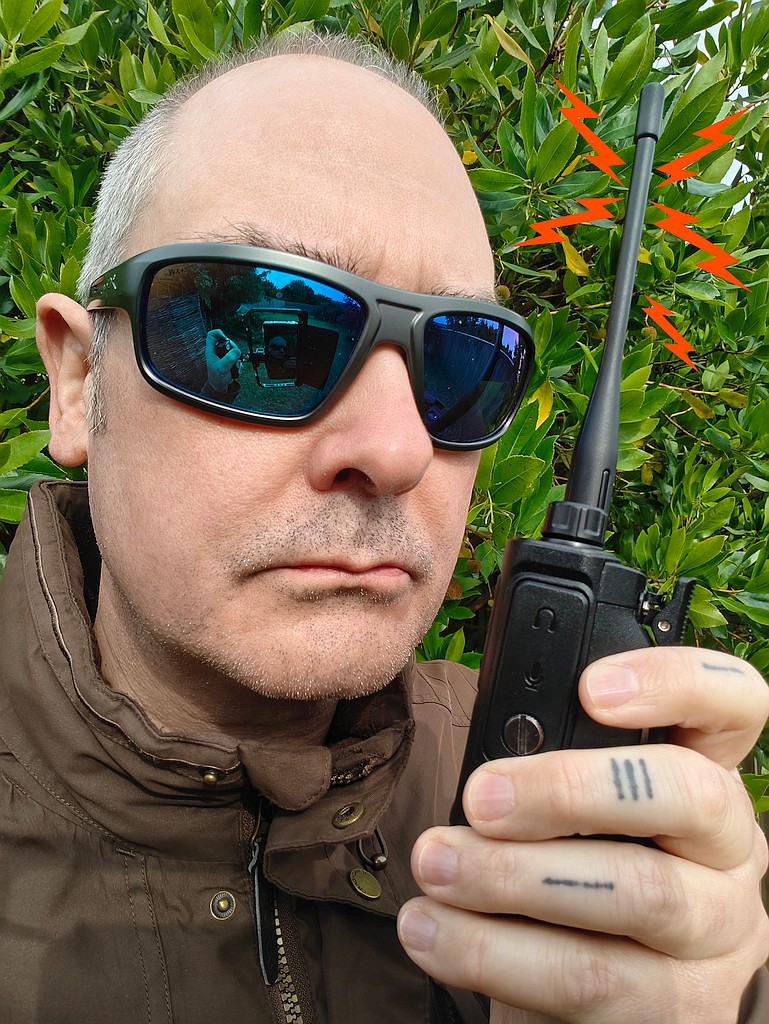
Having originally gained a UK Foundation amateur radio license in 2013 as part of my training for volunteer work with 4×4 Response, in 2026, in the interests of furthering my own understanding of the subject, and gaining CEPT international operating privileges, I decided to commit to progressing to a Full UK license. – With my upgraded callsign, you may now come across me as G1ONR.
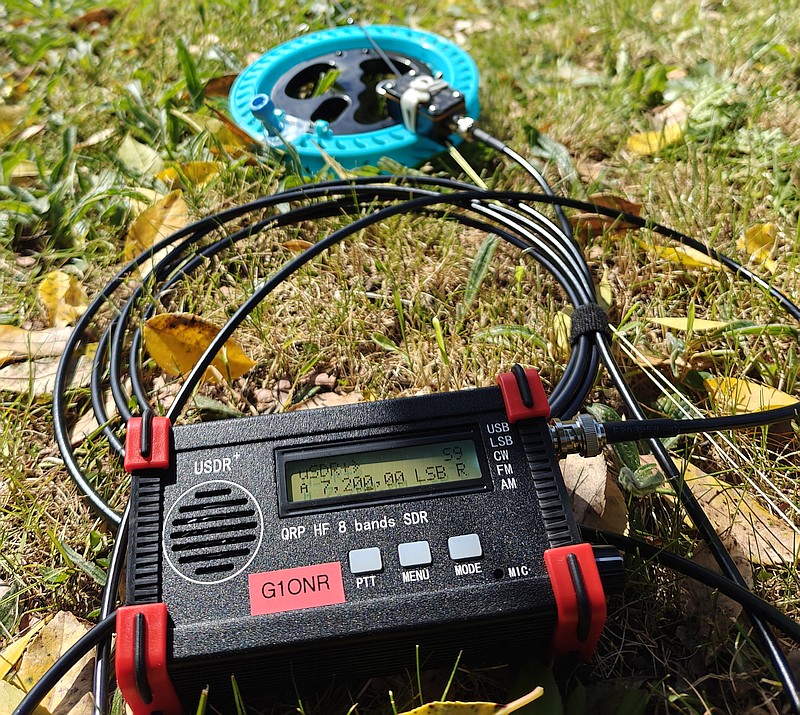
Preparing my own portable rigs.

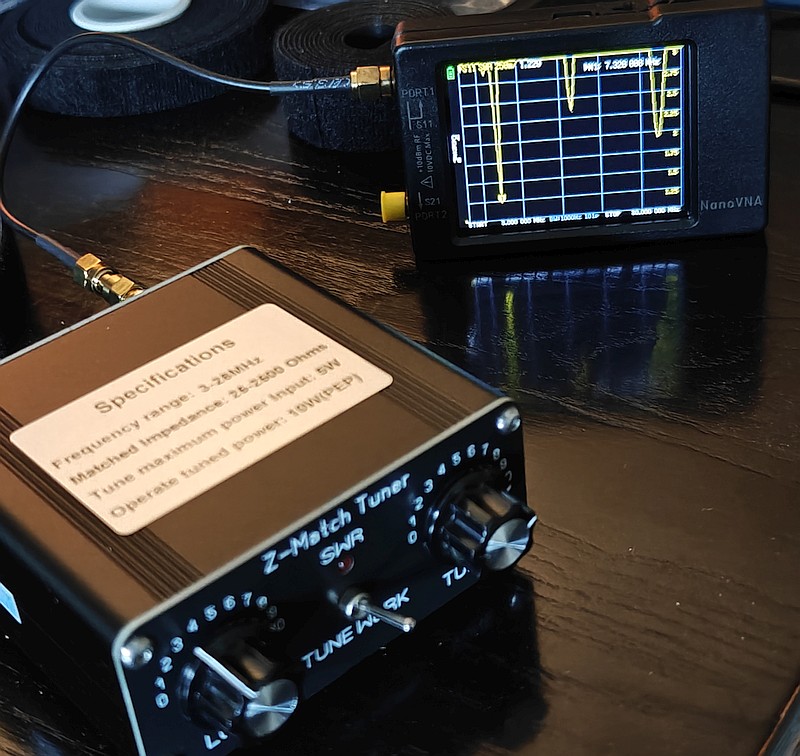
The most important and overlooked aspect – antennas and tuning for optimum performance.
More is on the way, including videos, articles and plans….