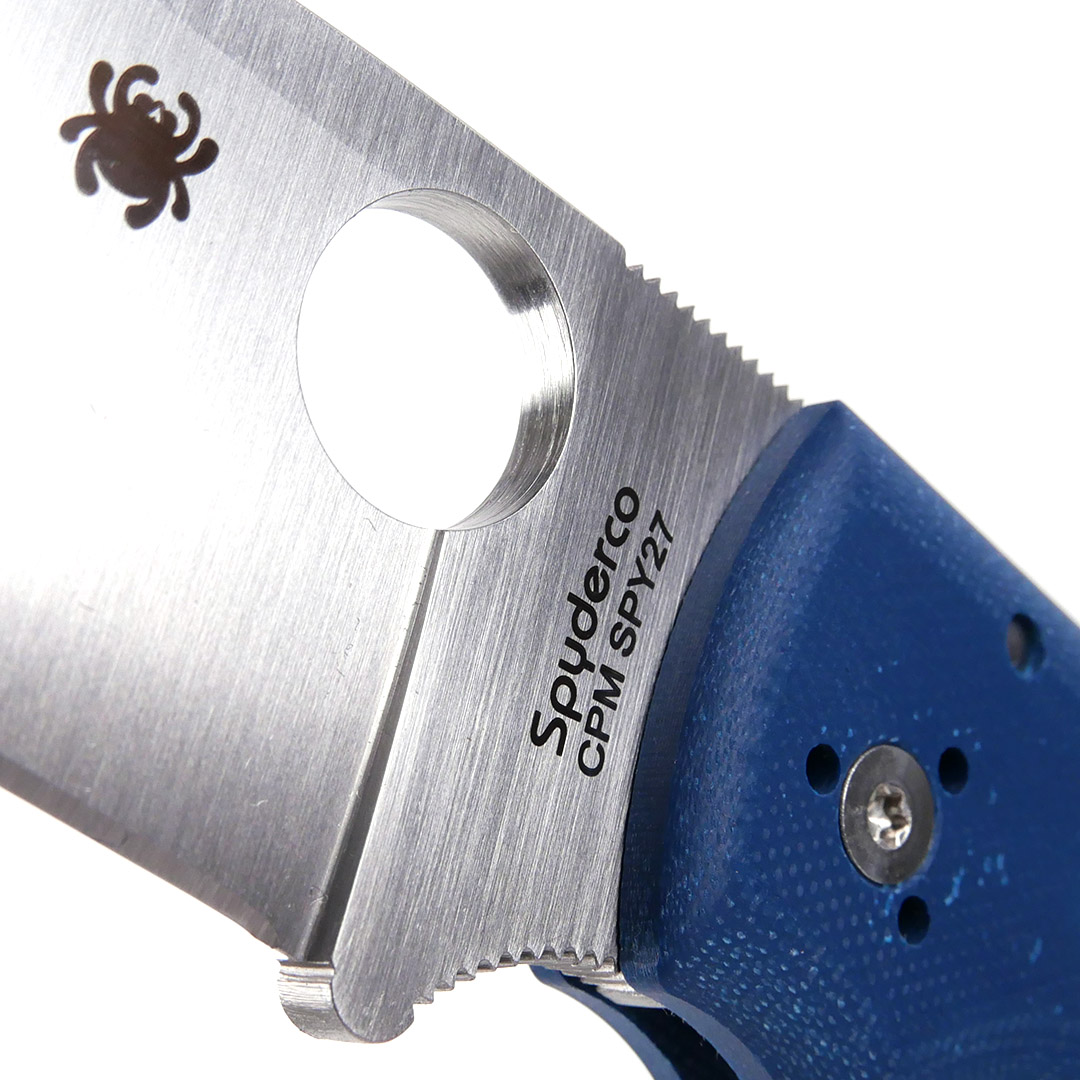
Spyderco SPY27 Steel Test – This time it is the steel in focus, not the knife.
Specific steel testing isn’t something I normally do, so this is more of an informal test and a look at a steel that was specifically designed for Spyderco – CPM SPY27. For the ultimate in technical analysis of steels please make sure to visit Knife Steel Nerds; for something lighter read on here.
In terms of composition, it is similar to CPM S30V and CPM S35VN, with comparable edge retention and toughness. More notable is that due to the changes in certain elements SPY27 is considered to be easier to maintain with a strop and to sharpen.
CPM SPY27, is a particle metallurgy stainless steel produced exclusively for Spyderco. SPY27 is intended to deliver an excellent balance of edge retention, toughness, and corrosion resistance.
Join me in this Spyderco SPY27 Steel Test for an overview of this steel.
What’s in the box?::
This really is a by-the-by section, as the knife is not the focus of this article. It happens that the SPY27 blade being tested is in the excellent Shamen knife previously reviewed in detail here Spyderco Shaman – The knife that nearly passed me by.
Two Shamen, the previous review knife, and the one featuring the SPY27 blade.
The test knife:
To distinguish those knives using SPY27 they are fitted with cobalt blue colour handles.
The Factory edge up close:
Followers of Tactical Reviews will know my views on factory edges, but to recap:
Anyone using a knife will need to sharpen it. That first factory edge is just like the first tank of fuel that a new car comes with (or first charge of the battery).
A good factory edge is a ‘nice to have’ but not a ‘make or break’ for a good knife, as you will be putting your own edge onto it soon enough.
The factory edge does however indicate the care a knife maker has put into the final finish.
It is for this reason Tactical Reviews measures factory edge sharpness and specifications, and includes this information in the detailed technical testing.
As a further look at the factory edge, this section has been added to include some high magnification photos of the factory edges.
In particular here, as we are focusing on the steel, the intention of the magnified edge images is in relation to the refinement of the edge that the steel allows.
Spyderco’s consistency of factory edge and edge finishing is excellent, and these images confirm that the steel supports this very well.
It is difficult to quantify true steel performance without a lot of specialist equipment, so as a basic and easy to understand test, I opted for a 1″ manilla rope cut test with sharpness measurements.
Once of the features of SPY27 that has been commented on is ease of maintenance, including with a strop, so while blunting it during the rope cut test, this would be followed by restoration of the edge by only a compound-loaded strop.
The videos included below run through some of the stages of the test and the sharpness measurements. The videos also illustrate the cleanliness of cut and also show TV guide paper test cuts.
Summarising the progression during the test, out of the box we have a BESS 178 edge (typically excellent Spyderco). This has become BESS 381 after 5 cuts, and after a total of 15 cuts measures BESS 378. Of note is that the BESS measurement is a spot check so repeated measurements can fluctuate slightly.
The used edge was then worked on a strop loaded with a fine metal polishing compound, and without any re-sharpening, just using this strop, the edge was brought to BESS 179. A complete recovery of the used edge to the original sharpness level.
Spyderco SPY27 Steel Test Summary
To carry out a definitive steel performance test would require many more blades with full re-sharpening stages, and ultimately be somewhat subjective. Being the first article dedicated to a steel, I can only conclude that the results of the testing employed for this article will give us a reference result for edge stability to compare others to. The figures show the degree of blunting from a common cutting test, and that after the initial blunting the blade continued to cut well.
Perhaps the most pleasing result was the full edge sharpness recovery by stropping alone. Of course most blunting is caused by rolling the edge apex, so stropping is effective to realign this, but here we have a perfect recovery after 15 1″ manilla rope cuts.
Review Videos
This mini series consists of three short form videos showing a 1″ manilla rope cut test with sharpness measurements:
Discussing the Review:
Something new – will it work? A Tactical Reviews Subreddit. TacticalReviewsChat on Reddit
Please visit there and start/join the conversation.
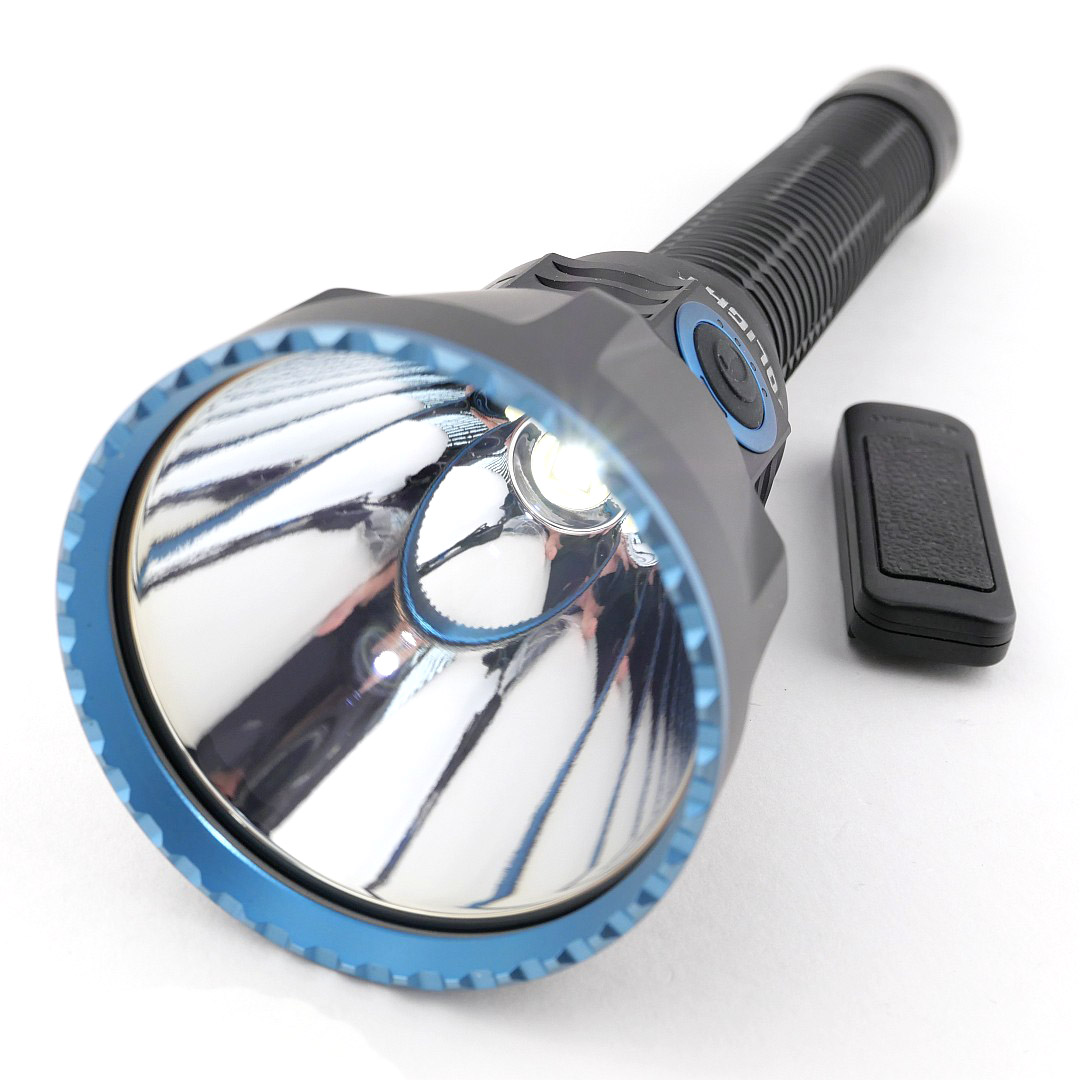
In this detailed review of the Olight Javelot Turbo 2 a long-range torch / flashlight, Tactical Reviews presents a close look at this super-thrower search light. Join me in this Olight Javelot Turbo 2 Review for all the details.
Included in the review is the ‘kit’ which includes coloured filters and magnetic gun / weapon mount.
The Javelot Turbo 2 is a full-size, long-range torch/flashlight designed for hunting or search-and-rescue applications. At maximum output, it can throw a focused beam of 1,800 lumens up to 1,500 meters away (as per Olight’s product specifications). Furthermore, the light can pair with a wireless remote, allowing control from 8 meters away. The magnetic dock on the torch secures the remote control and simultaneously charges it.
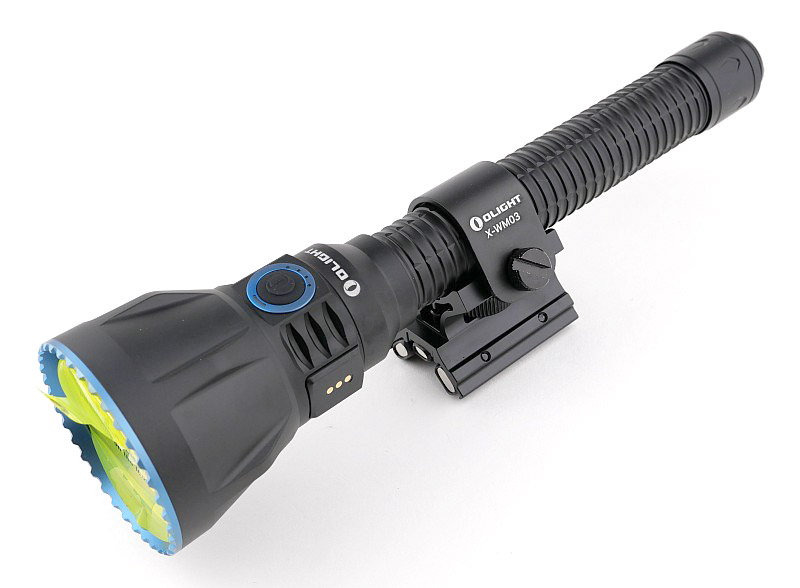
Powered by a 5,000 mAh battery pack, it offers up to 272 hours of runtime on the lowest level and can be easily replaced by unscrewing the tail cap. With both USB-C and magnetic charging capabilities, the Javelot Turbo 2 provides charging flexibility. It can also be mounted using the X-WM03 magnetic mount, transforming it into a super long-range Weapon Mounted Light.
What is in the box?:
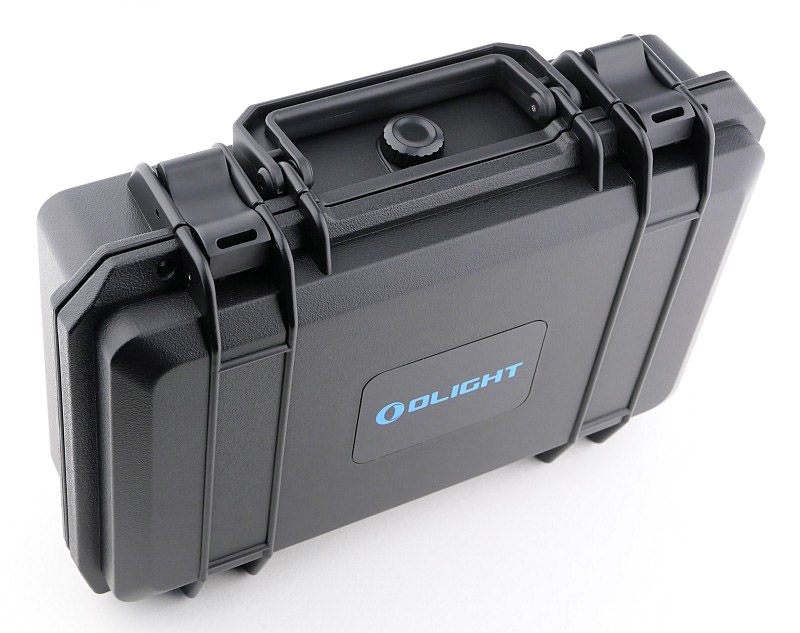
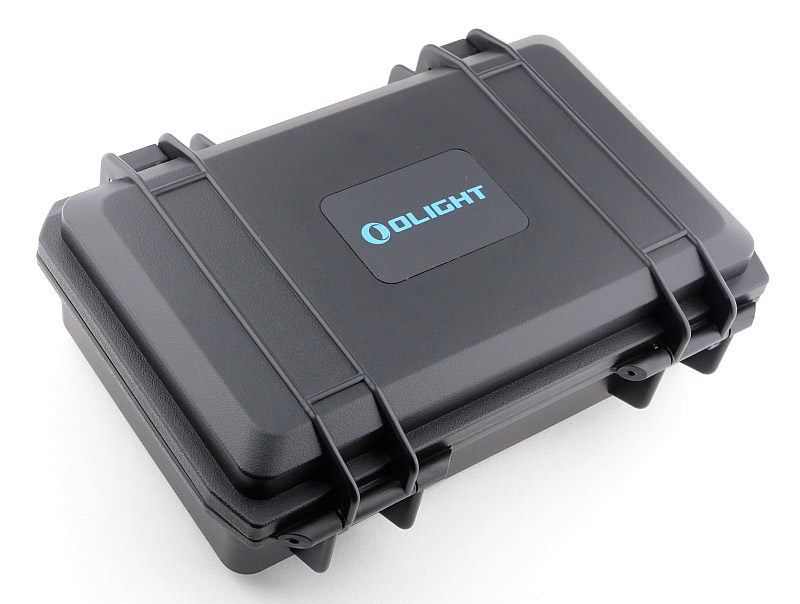
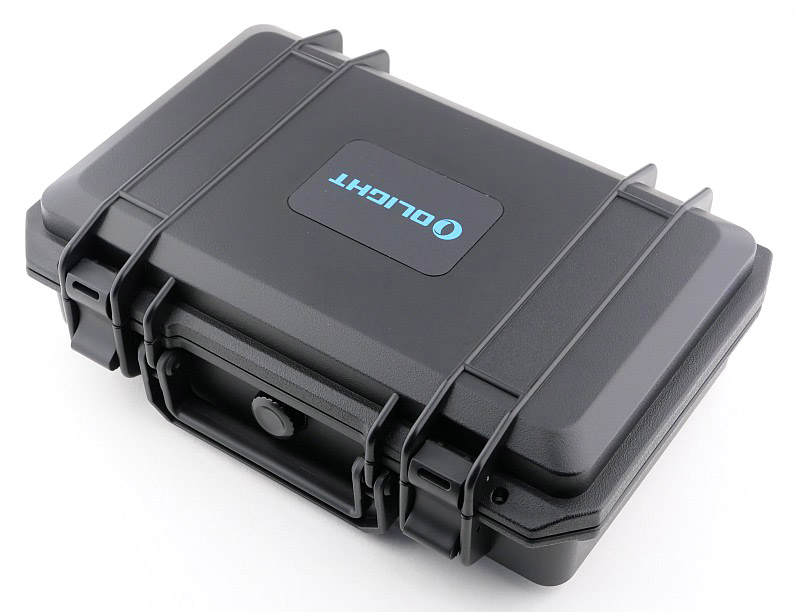
In fact this section should be called ‘What is in the waterproof protective case?’ as the Javelot Turbo 2 comes in a nice quality rugged case with pressure equalisation valve. Something you can either keep the Javelot Turbo 2 in, or re-purpose for anything else you would find more useful if the torch is constantly in use.
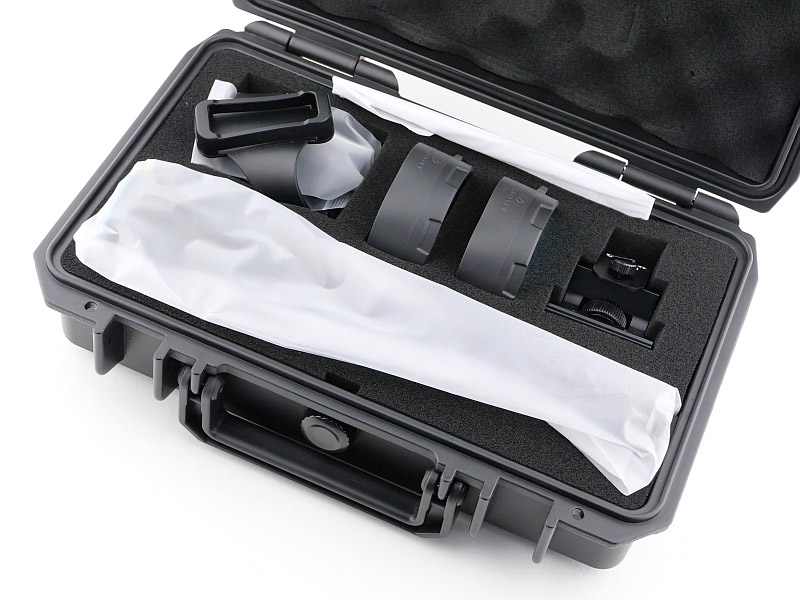
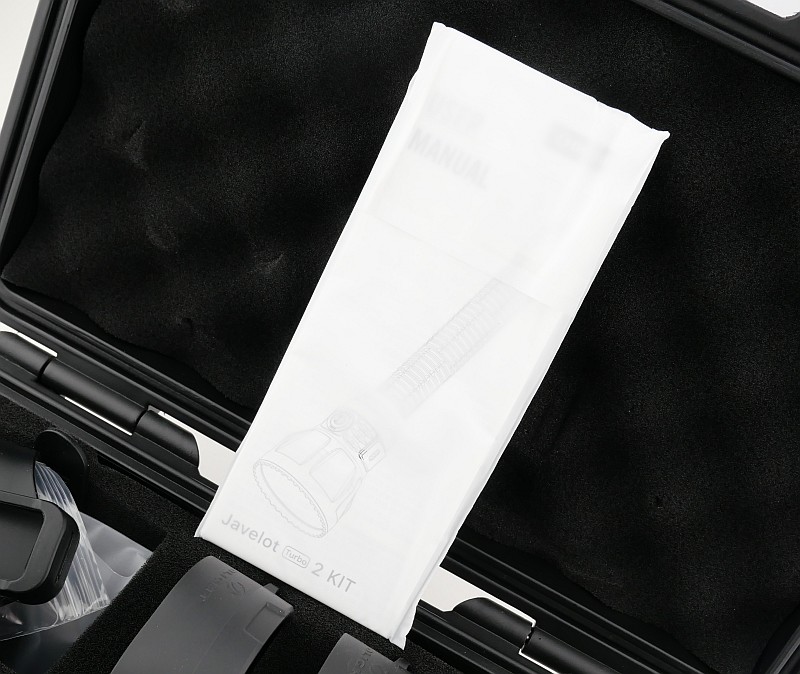
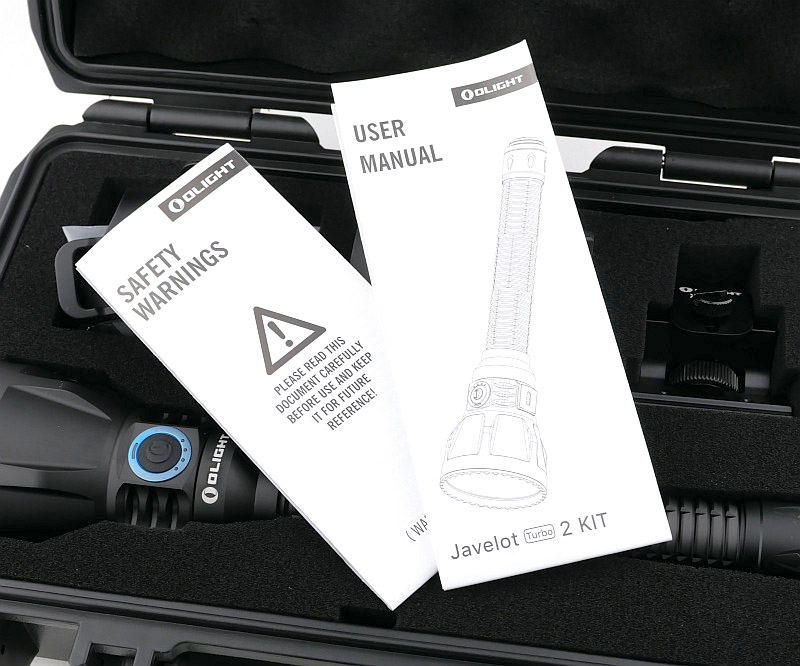
Opening the case you initially find the torch, instructions and remote in plastic bags. This is the Kit form of the Javelot Turbo 2 so the case also houses a magnetic gun mount (or ‘weapon’ mount, depending on your preference), along with two coloured glass filters for hunting.
A good look round the Javelot Turbo 2 Kit accessories – Things to look out for here are:
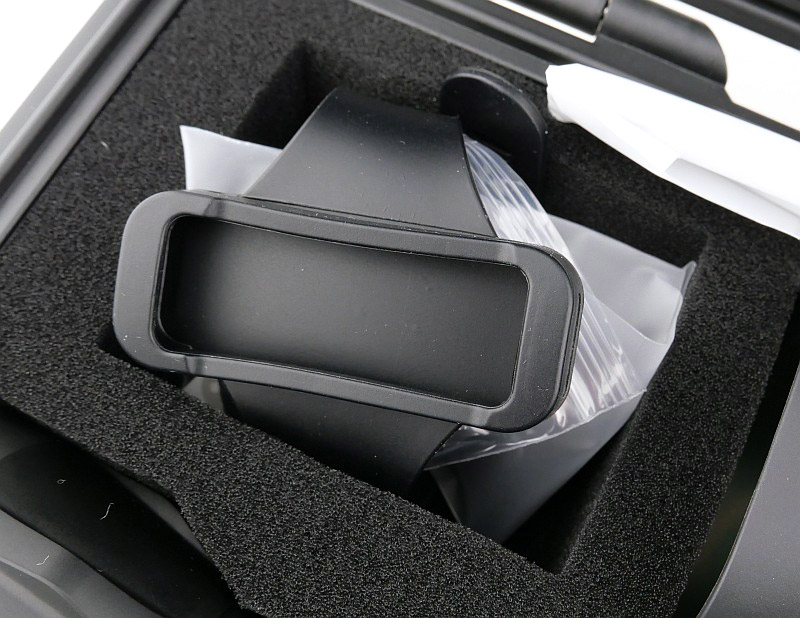
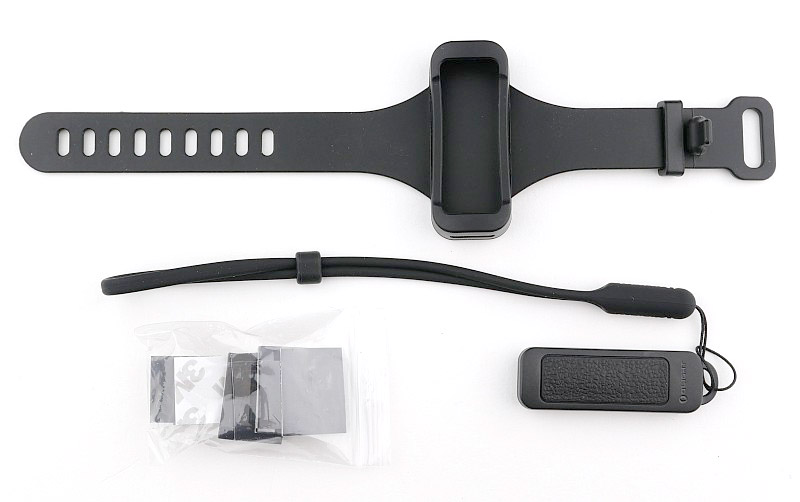
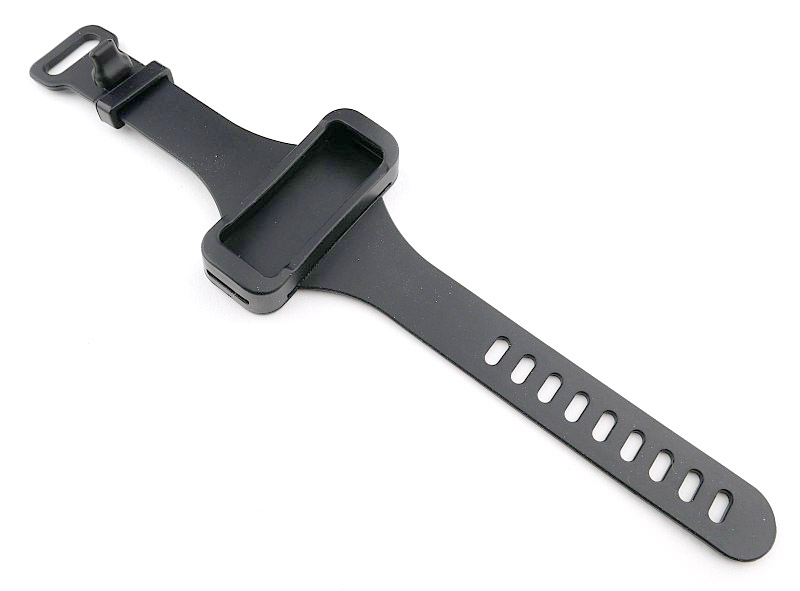
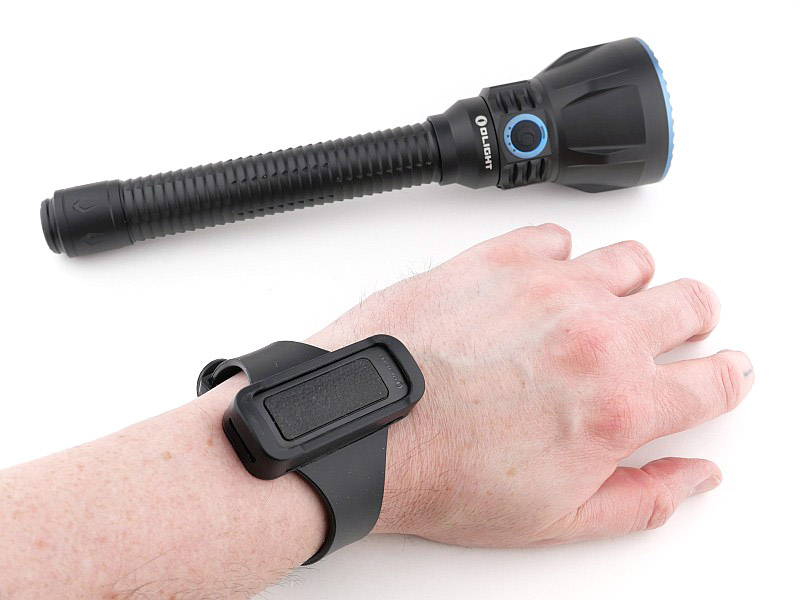
Before looking at the light, there are a number of Kit components to look at. Starting with the wireless remote switch, which has a wrist lanyard and a watch strap style switch holder. Included with these parts is a bag of self-adhesive rubber spacers that are intended to be used with the magnetic gun mount.
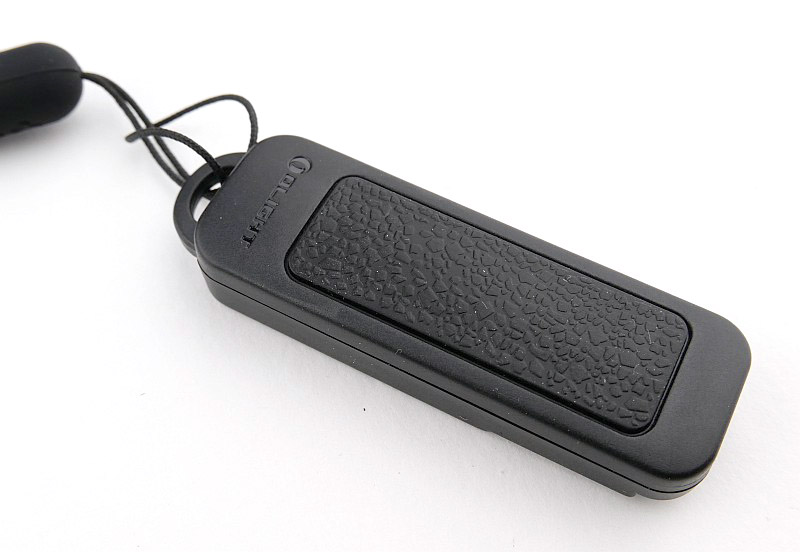
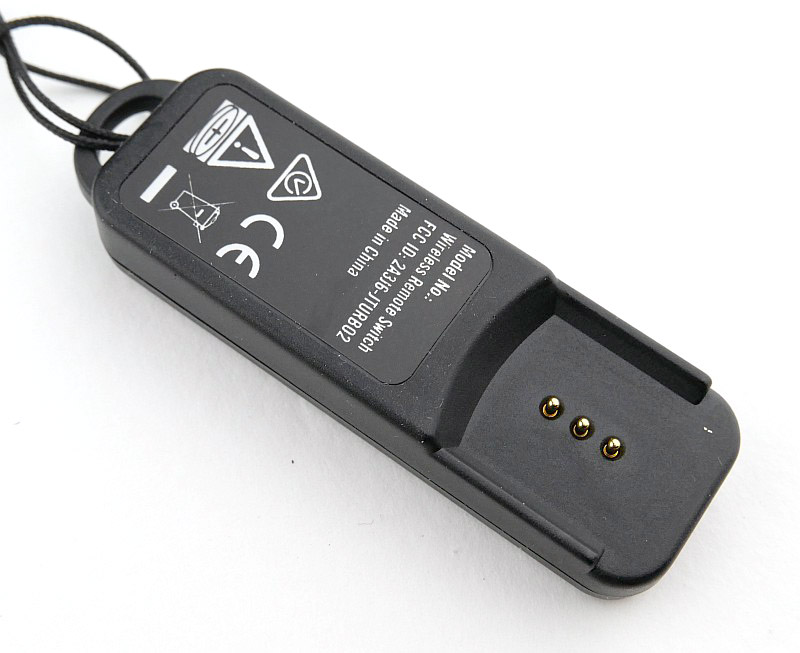
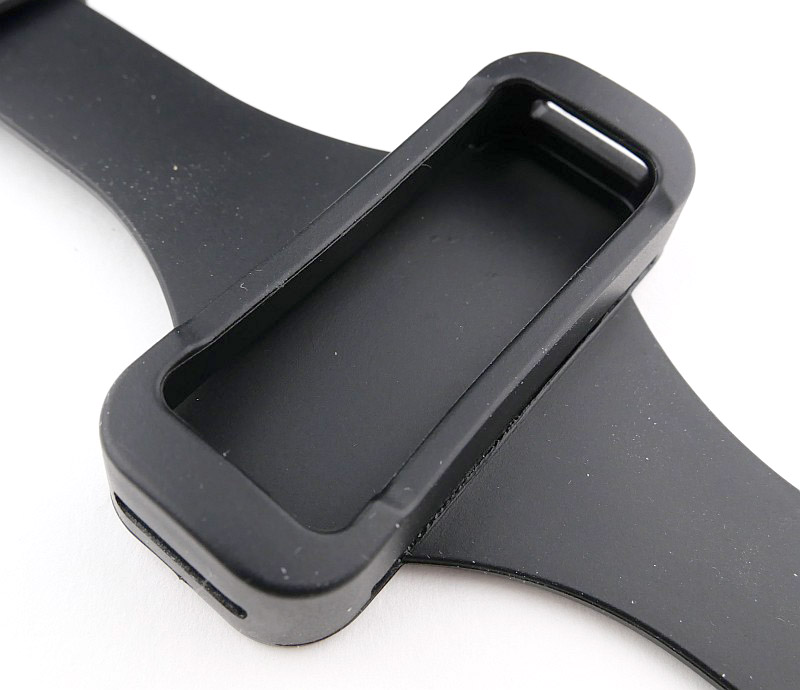
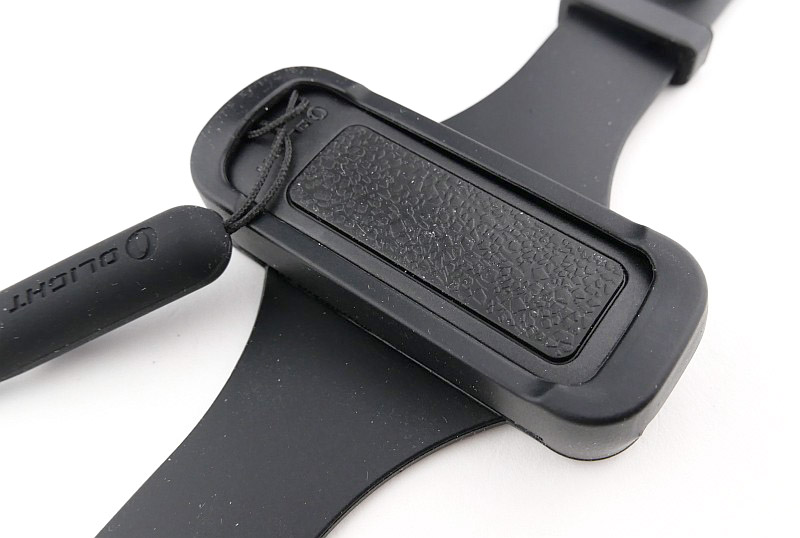
The wireless remote has a single elongated textured button. There is a lanyard hole on one end and flipping it over shows the three pin contacts for it to leech-charge from the main light. For gun and wrist mounting a silicone watch strap holder is also included that the remote can be slotted into. Here I fitted it without removing the lanyard, but you would normally remove the lanyard if using the wrist holder.
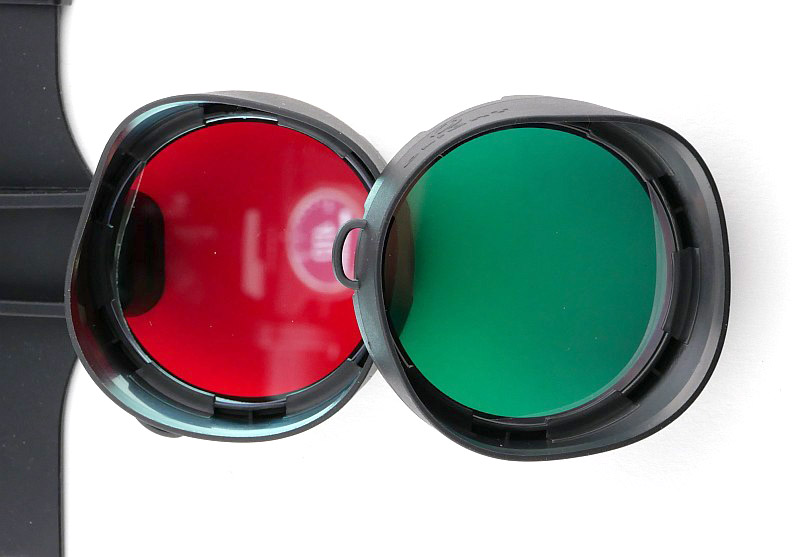
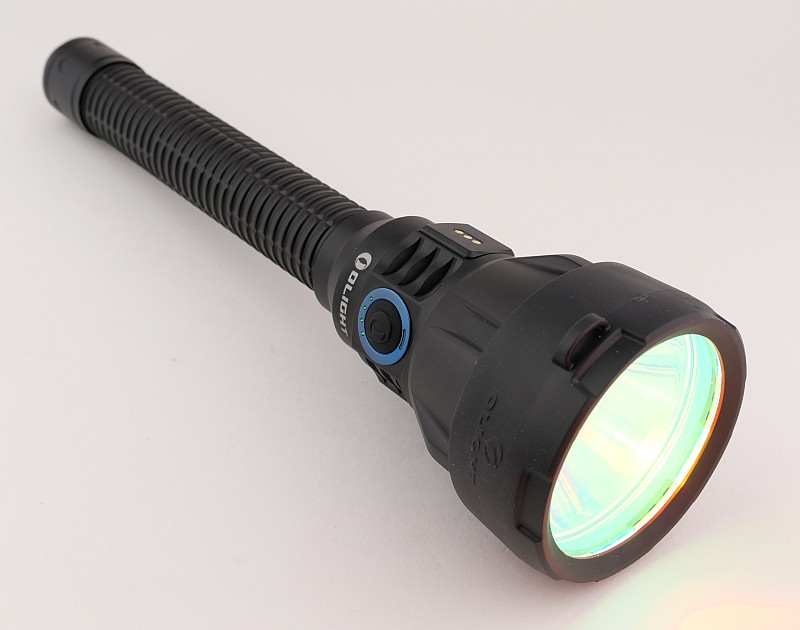
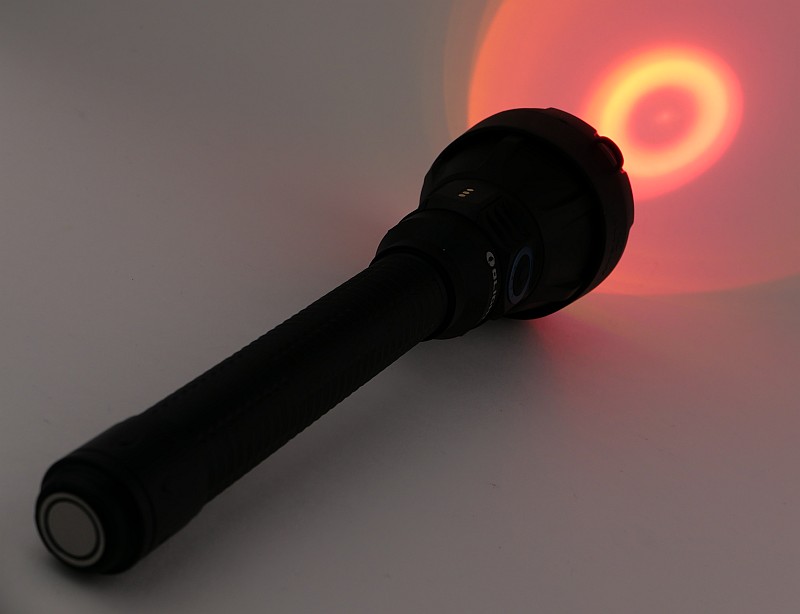
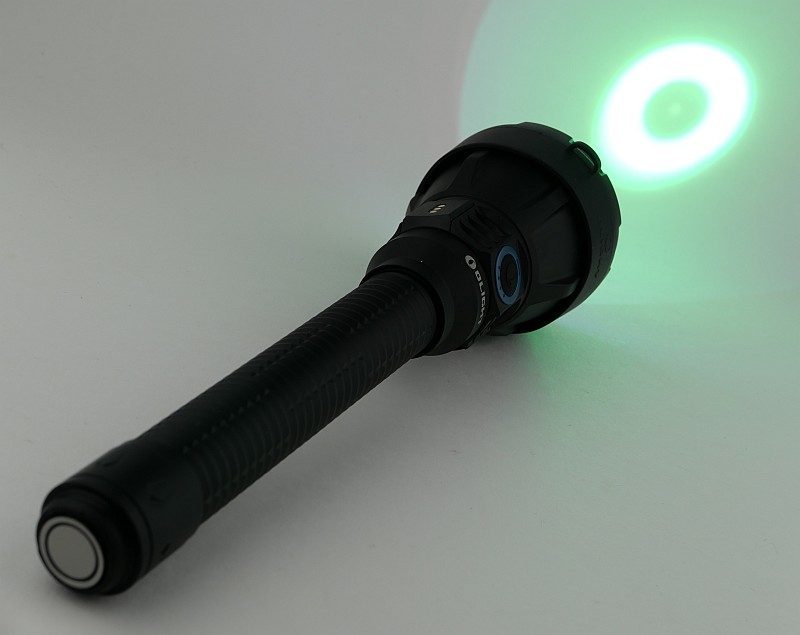
Also included are Red and Green coated glass filters with a elastic TPU lens cone holder that ensures it will stay in place. The coating of the glass appears to be a dichroic filter giving the mirror like appearance until you look directly through the filter when the colour filtering can be seen.
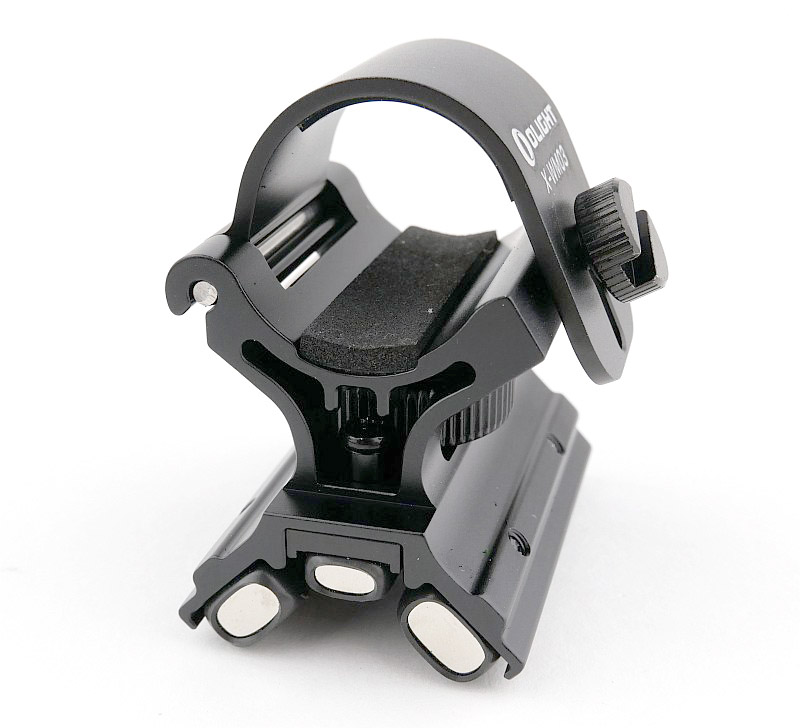
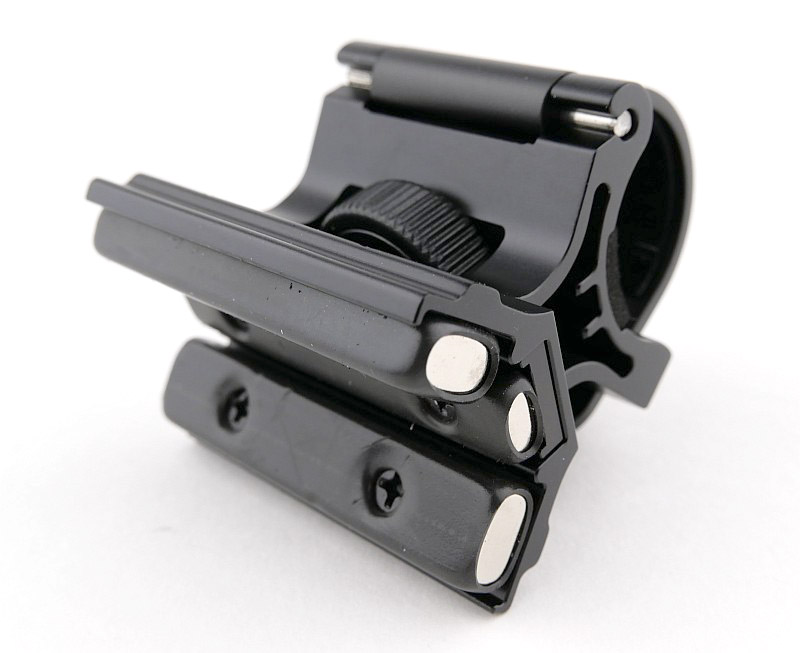
Finally we have the magnetic gun mount. This has a flip-top gate clamp with thumb screw for quick, easy, tool free fitting. Dense closed cell foam lines the inside of the clamp to protect the surface finish of the light. Underneath the mount has three long magnets which have heat shrink tubing on them to protect the gun from direct contact. The large central thumb wheel moves the middle magnet up and down so you can adjust it for different size barrels.
Taking a more detailed look at the Javelot Turbo 2:
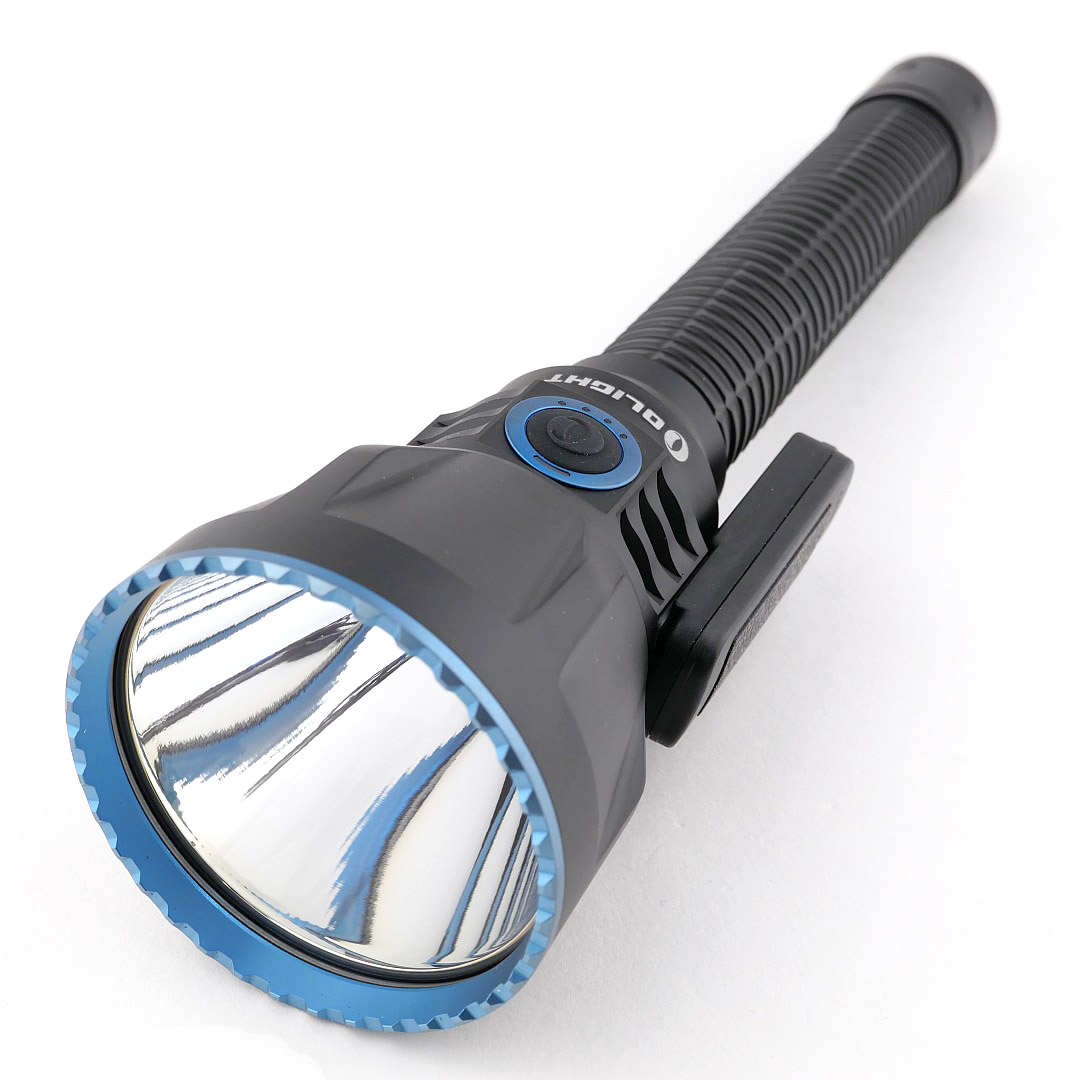
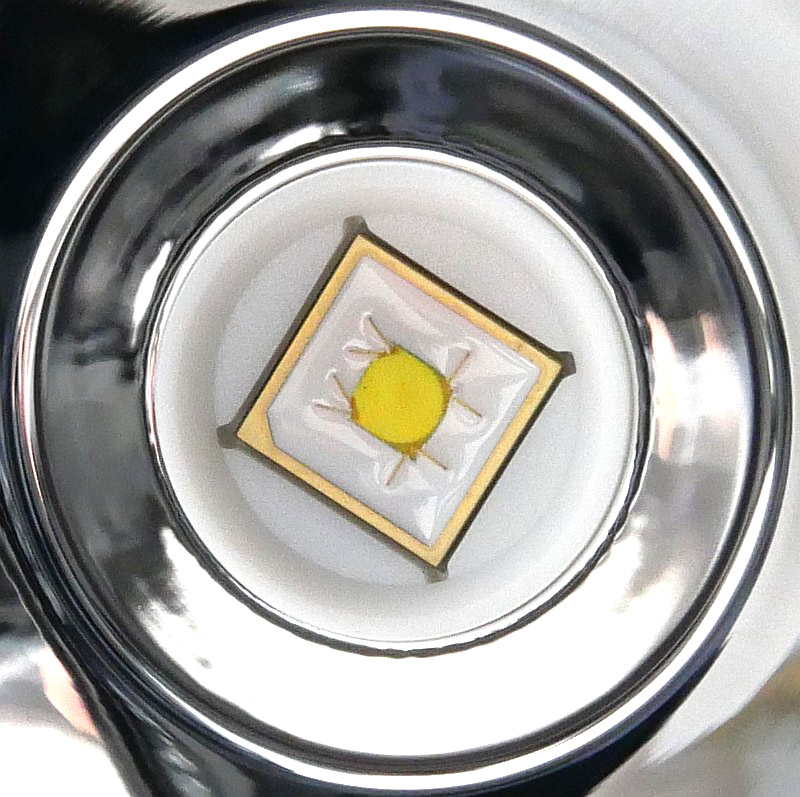
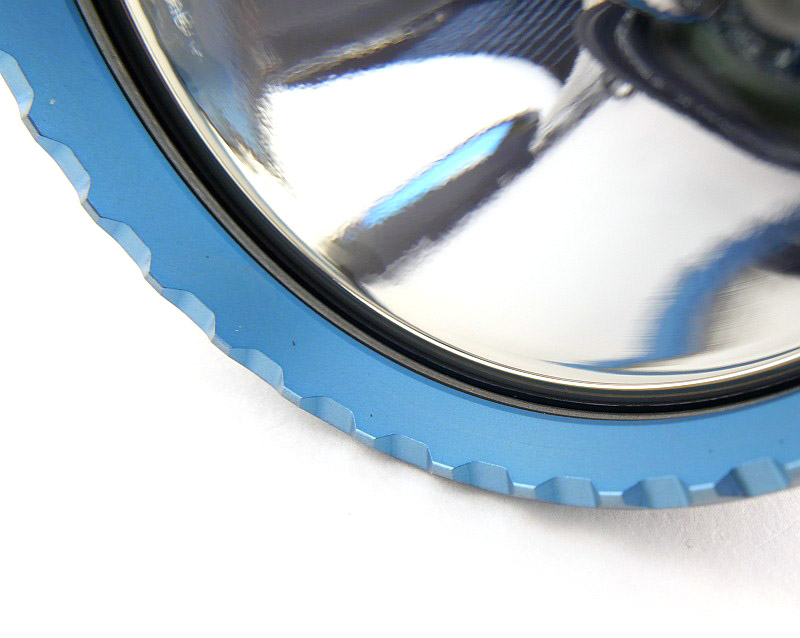
And now onto the main feature; the Javelot Turbo 2 itself. Straight out of the box, the front lens has a yellow plastic protector in place. Make sure you remove this before turning the light on, unless you like smelly melted plastic film over your main lens. And now we see that wide, deep reflector that gives the Javelot lights their fantastic beam range. At the heart of this light is a 27.5W LED, oddly otherwise not given a specification.
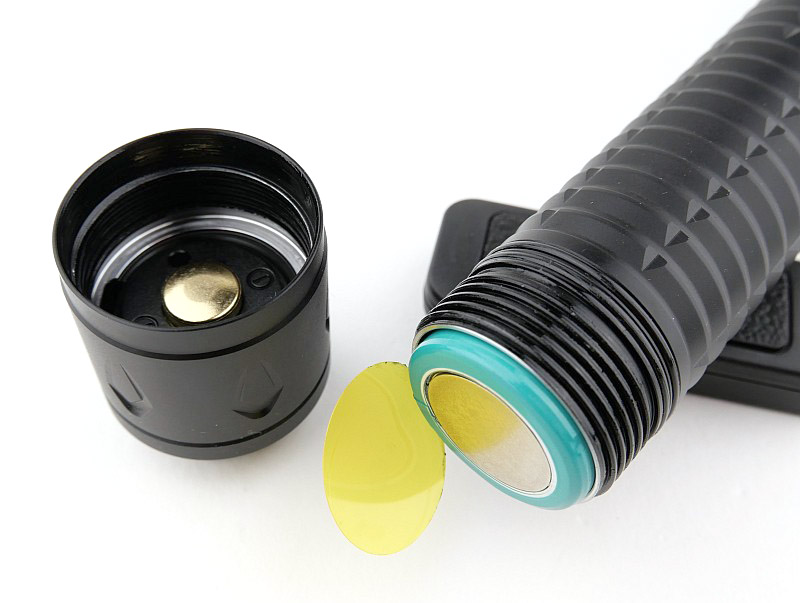
However, you can’t accidentally turn on the light right out of the box, as an insulator is fitted to prevent accidental activation of the light during transport, so you need to unscrew the tail-cap and take out the battery fully to remove this safety insulator. While doing so you can admire the contacts and battery, as afterwards you will most likely not see them again thanks to the built in USB-C charging.
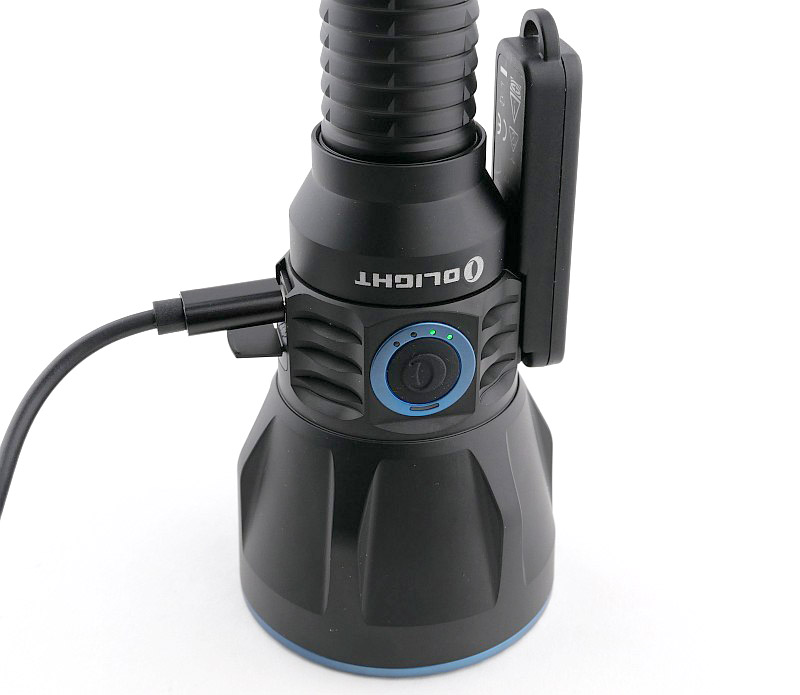
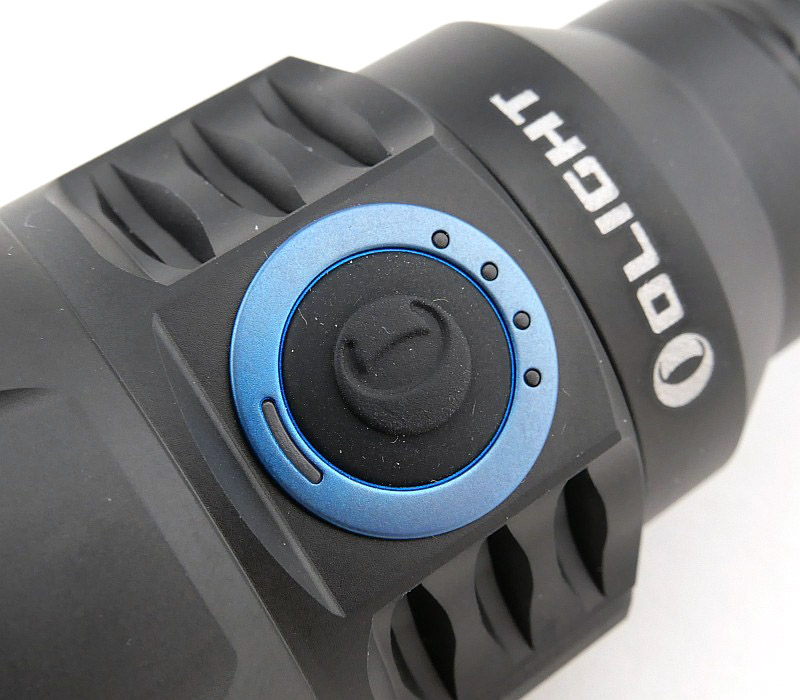
Featuring blue highlights for the main bezel and side switch surround to give Olight’s signature look. The side switch has four battery level indicators and a remote switch activity indicator.
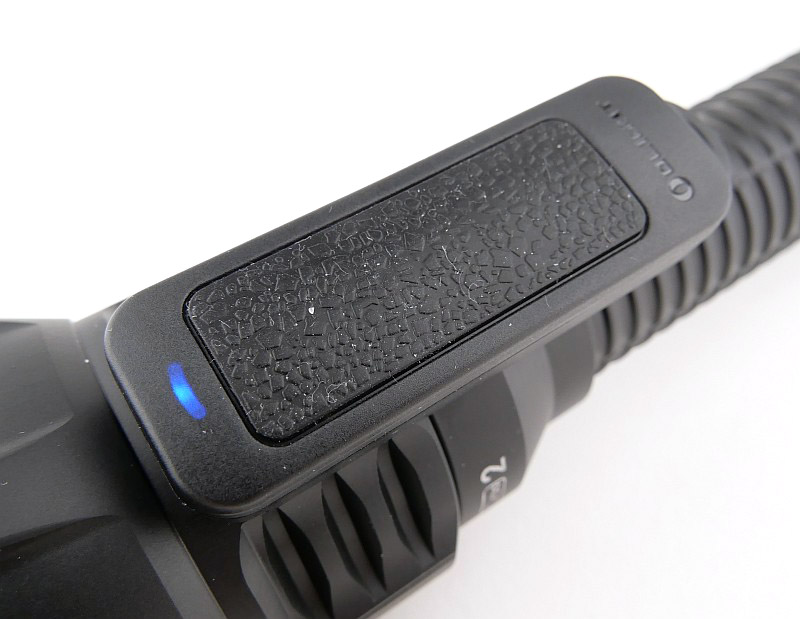
On the opposite side of the light to the side switch is the remote switch dock, using three contacts to charge and pair the remote switch.
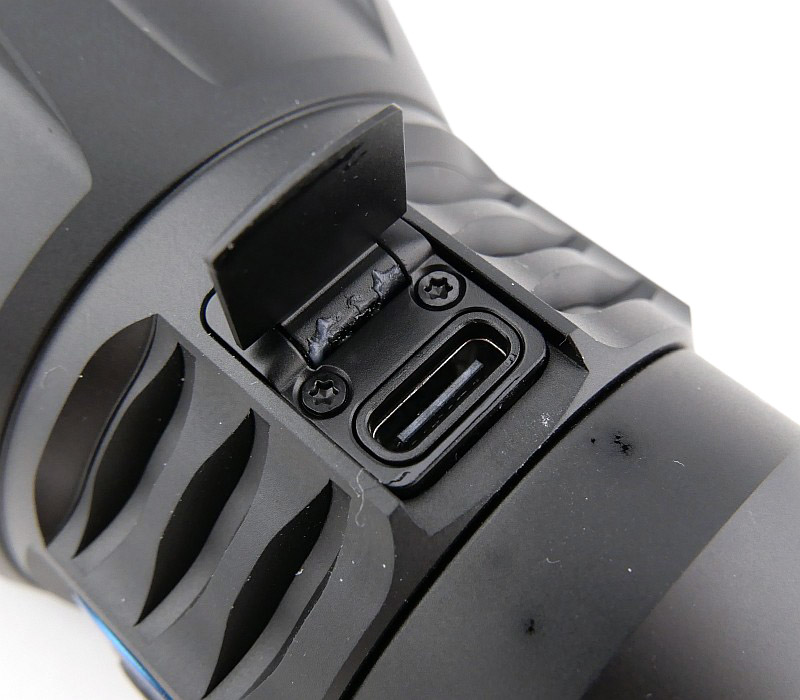
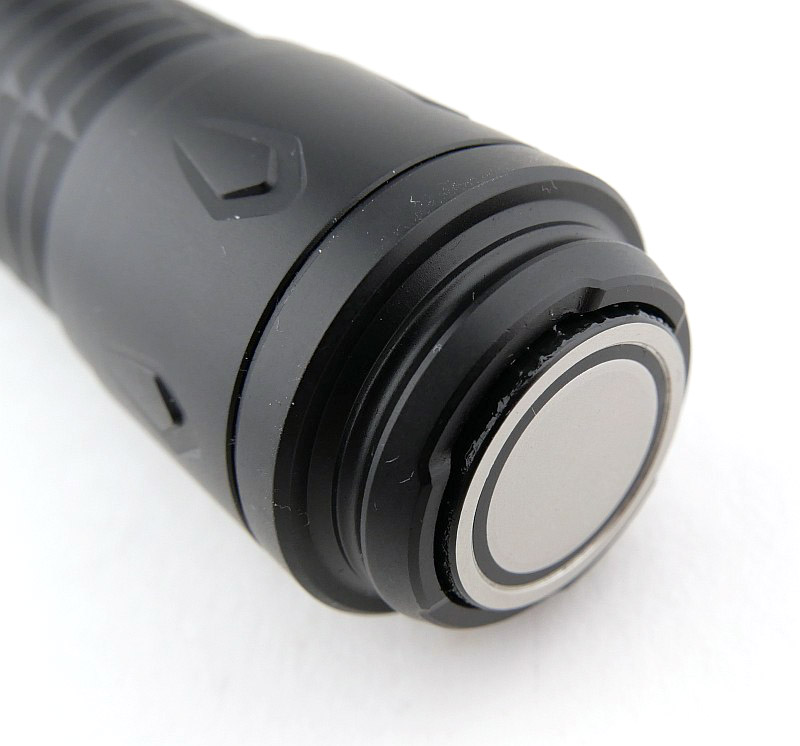
A hinged metal flap covers the USB-C port when not in use. Lastly in this gallery, the tail-cap switch, which has Olight’s magnetic charging contacts, but this cable is not included.
The beam
Please be careful not to judge tint based on images you see on a computer screen. Unless properly calibrated, the screen itself will change the perceived tint.
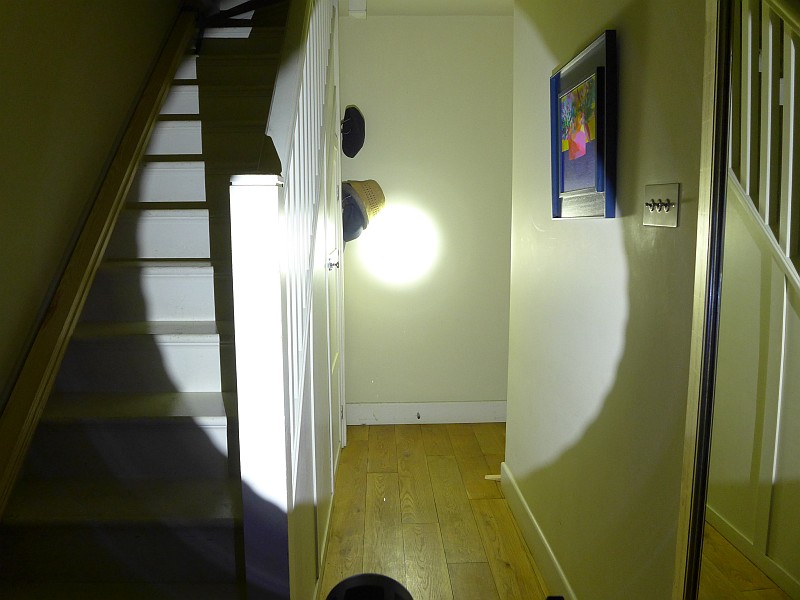
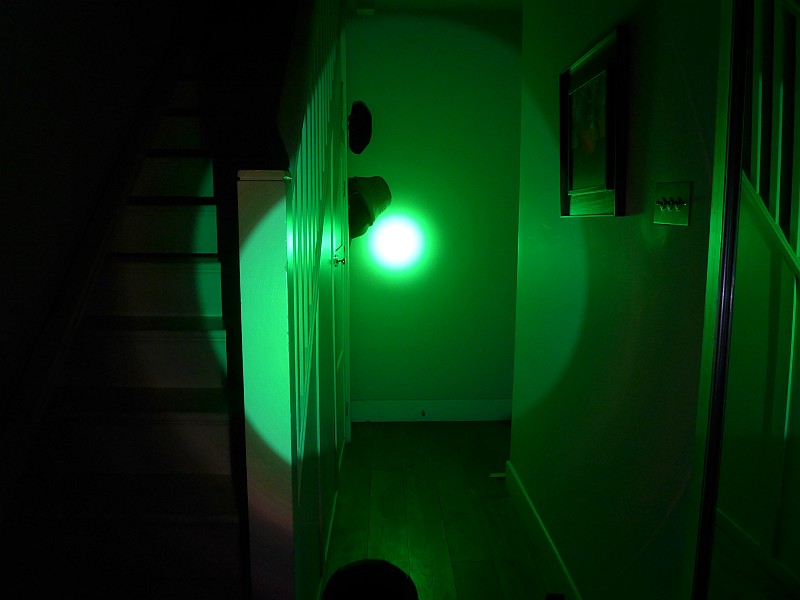
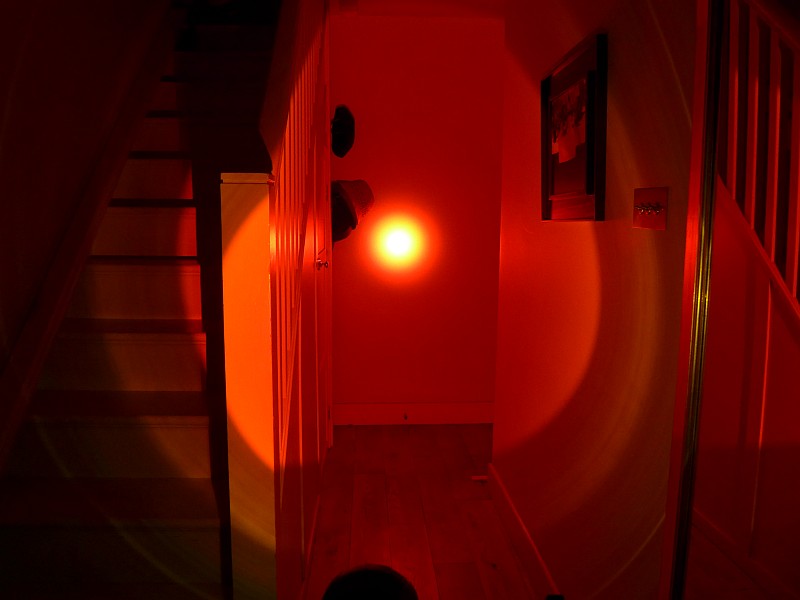
The indoor beam shot is intended to give an idea of the beam shape/quality rather than tint. All beam shots are taken using daylight white balance. The woodwork (stairs and skirting) are painted Farrow & Ball “Off-White”, and the walls are a light sandy colour called ‘String’ again by Farrow & Ball. I don’t actually have a ‘white wall’ in the house to use for this, and my wife won’t have one!
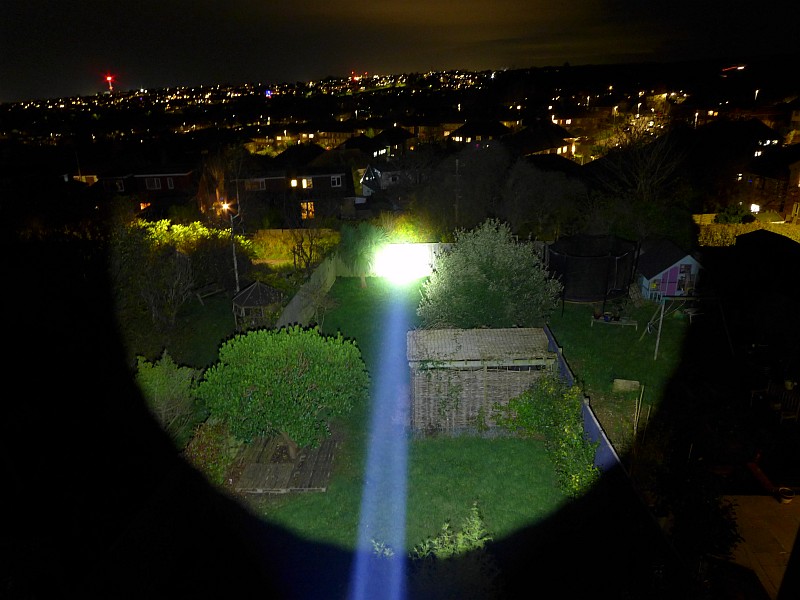
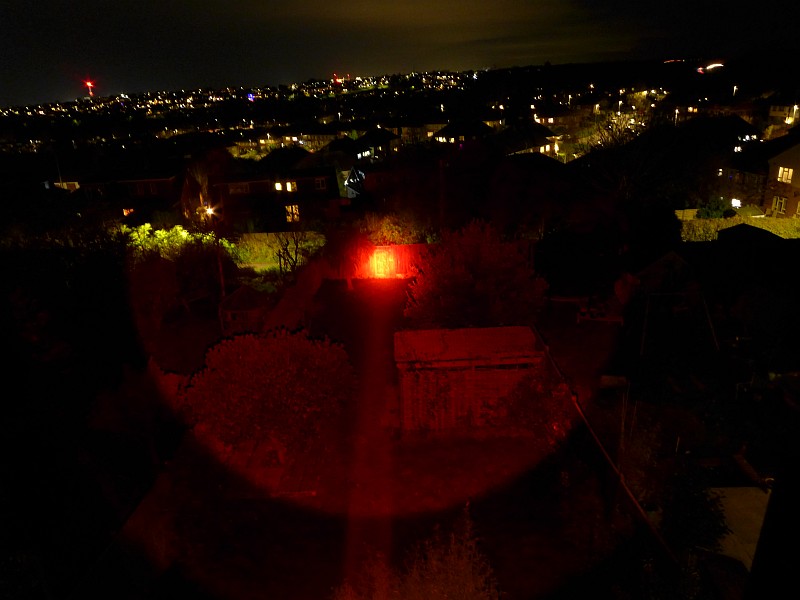
Any long time followers of Tactical Reviews might be familiar with the outdoor beam shots, but a new perspective has become necessary from a higher vantage point; the fence is at a distance of 32m.
The same exposure is used for the coloured filter beam shots to show the relative light levels for indoors and outdoors.
Batteries and output:
The Javelot Turbo 2 runs on a proprietary battery which needs to be charged in the light.
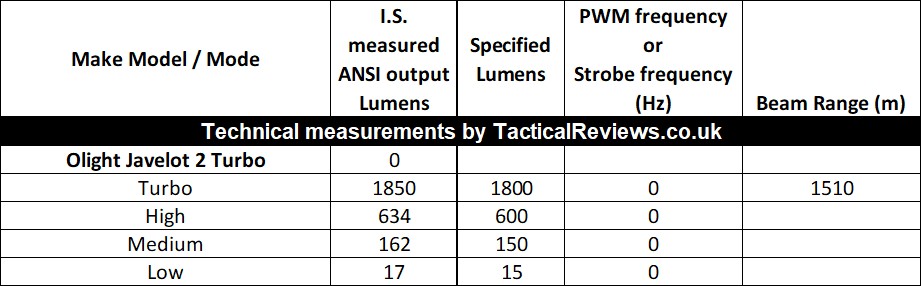
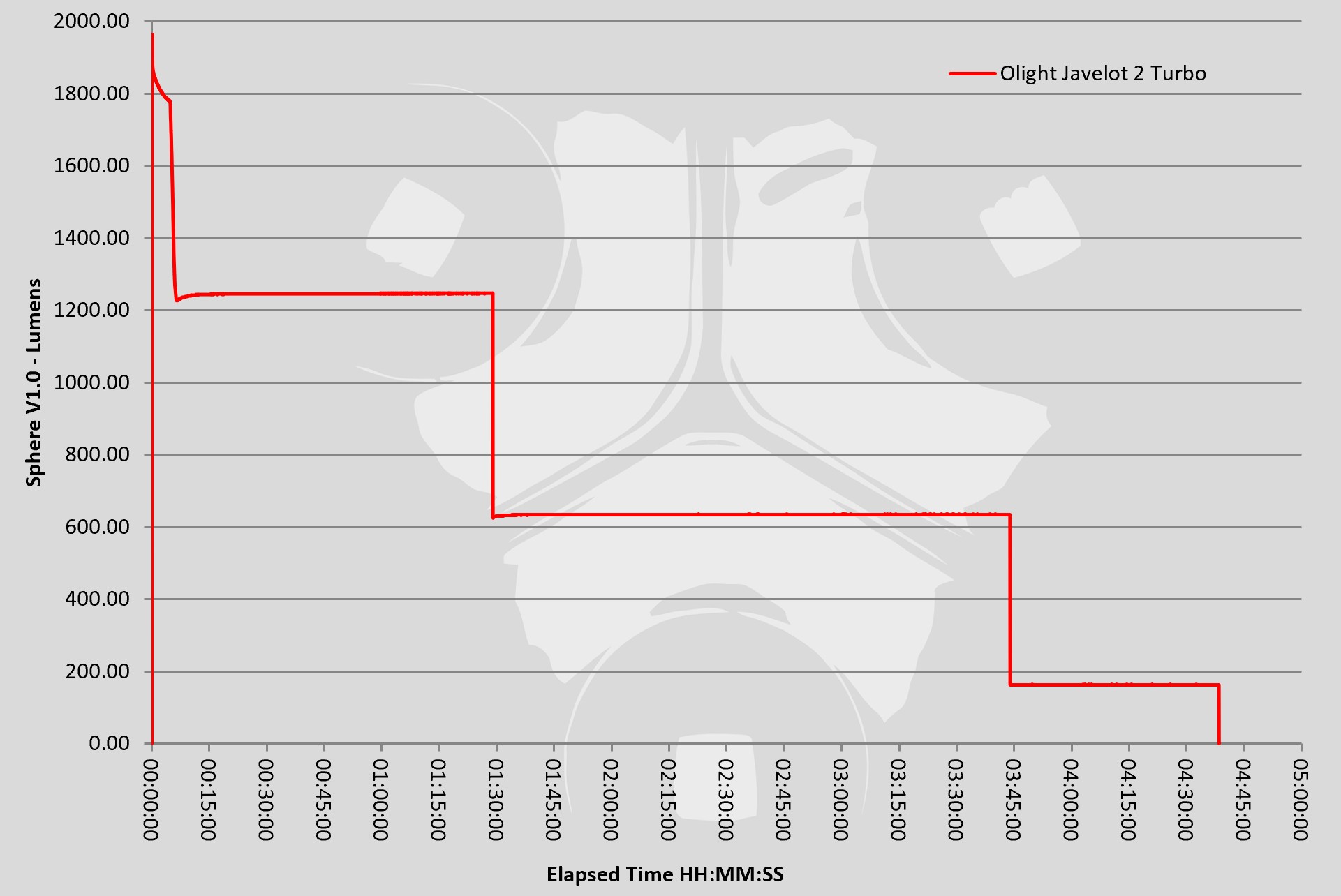
Please note, all quoted lumen figures are from a DIY integrating sphere, and according to ANSI standards. Although every effort is made to give as accurate a result as possible, they should be taken as an estimate only. The results can be used to compare outputs in this review and others I have published.
For full details of the tests and measurements carried out and an explanation of the results, see the page – Light Testing Information.
Measured output correlated incredibly well with the official specifications, including the beam range.
* Beacon and Strobe output measurements are only estimates as the brief flashes make it difficult to capture the actual output value.
The runtime trace is equally impressive with 1200lm maintained for 1h 30m, and plenty of warning provided with the step downs, so you won’t be let down.
Troubleshooting
This section is included to mention any minor niggles I come across during testing, in case the information helps anyone else.
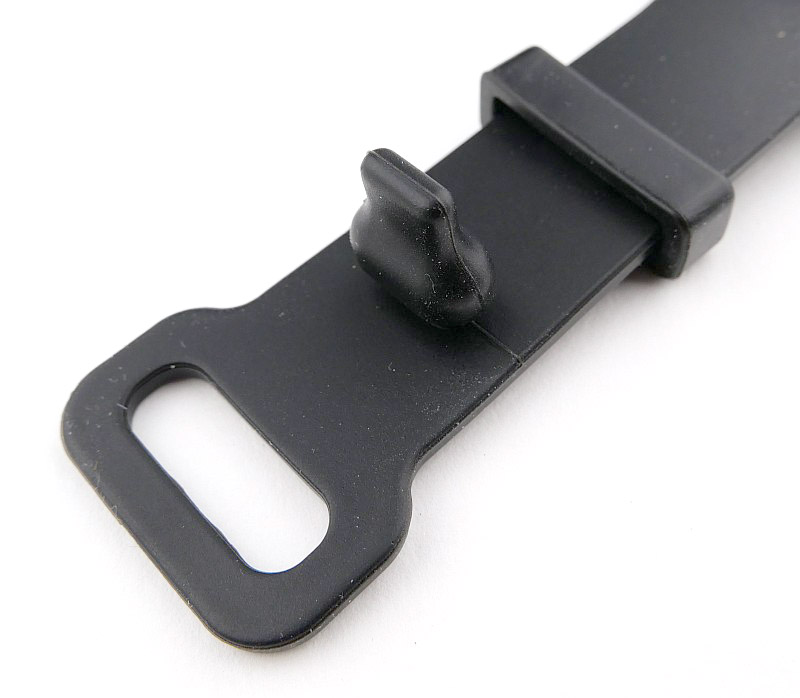
The only issue I encountered was with the switch mount / wrist strap for the remote switch. The post provided to allow the strap size to be set was very difficult to fit, and on the first attempt to remove it broke. I will be cutting off the broken post and fitting a metal Sam Browne stud in its place (a leatherworking fixing). Hopefully Olight will update this design.
As per the description of this section, this information is provided in case anyone else finds a similar ‘issue’ that might be fixed in the same way.
The Javelot Turbo 2 in use
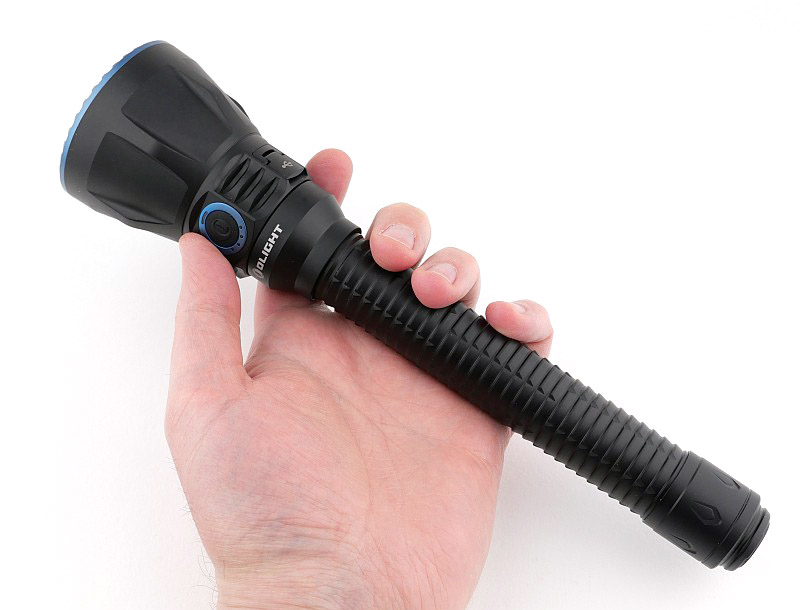
For a super-thrower, the Javelot Turbo 2 is easy to handle and combines its large reflector, and long battery tube into a practical package. Yes, it is long, but this makes it easy to hold and gives it excellent balance too.
Three completely different switching options adds to the versatility immensely. The side switch is one of the most natural controls when holding the Javelot Turbo 2 normally. Move into a tactical-grip with your thumb over the tail-switch, and again more intuitive control. And then yet another option, the bluetooth remote switch.
I’ll admit, that initially I thought this was a gimmick. However, I am now a convert for a couple of reasons; firstly, yes gun / weapon mounting and not having a wire to activate the light is very convenient. The switch mount can be used for gun mounting or as a wrist strap, or you can keep the switch in a pocket or hanging from the lanyard. What I found really useful too was having the Javelot Turbo 2 set up to be used hands free and then remotely controlled. Something I even did for lighting up the garden at night, leaving the Javelot Turbo 2 outside and being able to turn it on and off from inside the house. A really useful option to have.
I did not use the magnetic gun mount; convenient it might be, but secure and stable it is not. Olight’s own videos show the mount moving under recoil. This means you have only a couple of shots before needing to re-adjust. It also means the mount rubbing over the gun’s surface finish (which I normally keep lightly oiled) and any grit or dirt that happens to be on the surface. So I chose not to test this or show it. The mount would be useful for other fixed lighting tasks.
On this basis I also did not use the switch mount strap on a gun. I’m not keen on strapping a switch to a gun, usually using an adhesive strip to fit the switch as this allows precise placement anywhere, but with the Javelot Turbo 2, the remote switch needs to be fitted to the torch to recharge, so you can’t stick it to the gun. You could used some stick-on hook/loop fixings, as long as you ensure you don’t prevent the docking of the remote switch on the light. The switch holder also needs the size adjustment post issue sorted. A stick-on, rather than strap-on, holder would be a good addition if Olight decide to include it in future.
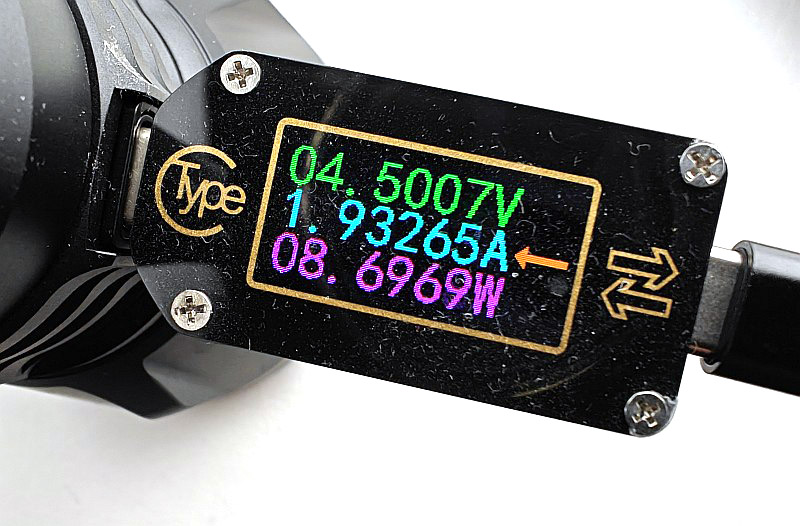
A quick check of the charging rate, and it’s taking 2A at 5V off my normal charger, so a healthy charge rate as specified. Having the coloured filters is crucial for hunting use as all animals are spooked by white light. Different species respond far less to red or green which makes these critical options. The filter mount is a flexible TPU that grips the head firmly and provides additional bump protection. I’m actually tempted to pop the green filter glass out and use the TPU holder as a bump cushion (for my use, the red is much more important).
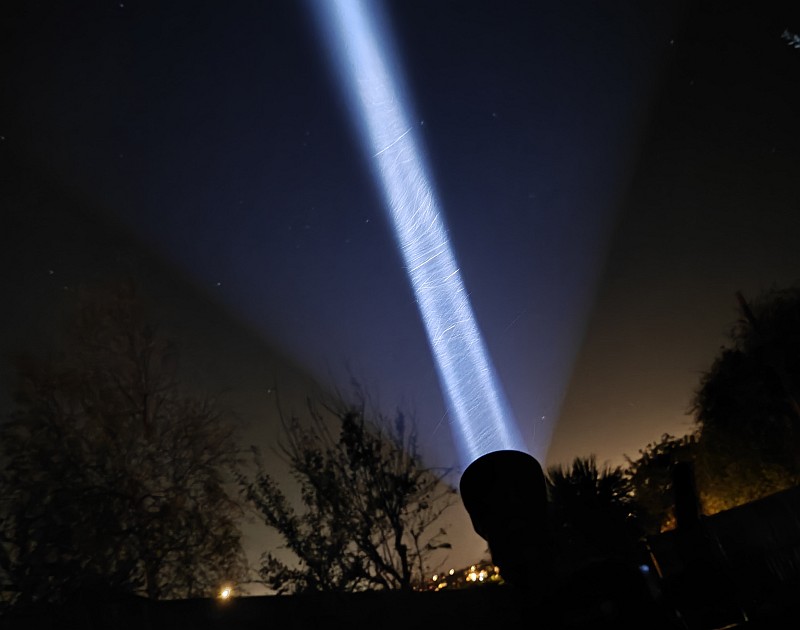
Olight have always done an excellent job with the beam focus on the Javelot range, and I still have the original Javelots with de-domed LEDs. The Javelot Turbo 2 keeps this excellence and you can see from the lightsaber-like beam how strong this focus is. It measured right on specification, with my own measurements coming in at a beam range of 1510m; it certainly cuts a swathe through the darkness.
Olight Javelot Turbo 2 Review Summary The views expressed in this summary table are from the point of view of the reviewer’s personal use. I am not a member of the armed forces and cannot comment on its use beyond that covered in the review.
Something that might be a ‘pro’ for one user can be a ‘con’ for another, so the comments are categorised based on my requirements. You should consider all points and if they could be beneficial to you.
_______________________________________________
What doesn’t work so well for me
_______________________________________________
Remote switch mount adjuster broke on first use.
Magnetic gun mount moves under recoil.
Olight did not include the magnetic charging cable.
_______________________________________________
Things I like
_______________________________________________
Wireless remote switch.
1510m beam range measured and confirmed.
1850lm Turbo output measured and confirmed.
Three switching options (side switch, tail switch, remote switch).
Remote switch charges directly off the light.
Good balance and handling.
Strong waterproof case included.
Quality red/green coloured filters.
Useful 15lm Low mode.
Olight Javelot Turbo 2 Review Videos
Starting with a short format sixty second review:
Onto a full video review covering many more details:
Discussing the Olight Javelot Turbo 2 Review:
Something new – will it work? A Tactical Reviews Subreddit. TacticalReviewsChat on Reddit
Please visit there and start/join the conversation.
In this detailed review of the Mercury Luc, Tactical Reviews presents a close look at Mercury’s modern take on the slip joint folding knife. Join me in this Mercury Luc Review for all the details.
The Mercury Luc is inspired by the classic hunting pocket knives from the 1960s; a traditional design, but now fitted with an Elmax stainless steel clip point blade. The handle is made from 6061 aluminium with choices of black or green anodising, and optional micarta/G10 inlays.
Of course the slip joint knife dates back far earlier than the 1960s, generally considered to have emerged in the 17th Century with the introduction of a back spring that revolutionised the folding pocket knife to create a simple, reliable and practical tool; popularised as the ‘penknife’ for shaping quills. For good reason this traditional design of knife mechanism remains popular and useful today.
What’s in the box?:
For this section there is no box or packaging to include, as the specific knives featured were ‘show knives’ at IWA Outdoor Classics 2025 (and possibly other exhibitions). It also means that in the following galleries, any imperfections will be due to each knife being handled by a lot of people during the trade fair.
A good look round the folded Mercury Luc – Things to look out for here are:
Starting off with a lot of different views round the folded knife to see it from all directions. The lanyard hole is ingeniously incorporated into an exposed section of the backspring, making it very accessible and easy to tie into. One side of the pivot bolt has the Mercury logo engraved into it, the other side is a domed torx screw head with decorative fluting. Peeled G10 is used for the orange handle insert, held in place the two screws. In keeping with the simple reliable design we have phosphor-bronze pivot washers.
As another option, the insert can also be micarta, a much softer feeling material, but one which will take on a patina through use.
A good look round the open Mercury Luc – Things to look out for here are:
Swinging out the Luc’s clip-point blade shows the modern touches on this classic. Elmax as the blade steel, an angled milled slot as the nail nick, and high tolerance finishes with the H clearly displaying this precision. A flat grind, clip-point blade, with bevelled swedge and stonewashed finish showcase its modern construction.
The Blade and Handle – Detailed Measurements:
For full details of the tests and measurements carried out and an explanation of the results, see the page – Knife Technical Testing – How It’s Done.
The blade is made from Elmax steel.
With the Mercury Luc being a slip-joint folder, the resistance to closing (and related stiffness of opening) is an important factor, so for this I carry out Torque measurements for opening and closing.
And the torque measurements for the Mercury Luc (for further reference values check the Technical Testing link):
The Factory edge up close:
Followers of Tactical Reviews will know my views on factory edges, but to recap:
Anyone using a knife will need to sharpen it. That first factory edge is just like the first tank of fuel that a new car comes with (or first charge of the battery).
A good factory edge is a ‘nice to have’ but not a ‘make or break’ for a good knife, as you will be putting your own edge onto it soon enough.
The factory edge does however indicate the care a knife maker has put into the final finish.
It is for this reason Tactical Reviews measures factory edge sharpness and specifications, and includes this information in the detailed technical testing.
As a further look at the factory edge, this section has been added to include some high magnification photos of the factory edges.
What is it like to use?
Mercury’s Luc reinforces why the slip joint folder pocket knife has been so popular and successful since its inception around 400 years ago. It is a daily tool for all the smaller every day cutting tasks that don’t need a larger, stronger and heavier cutting tool. A type of knife that allows quick, intuitive opening and closing without a lock, but with a spring to provide enough resistance to make it safe to carry and use. Just quickly unfold and fold as needed without having to unlock.
There are those who take the view that non-locking slip joint knives no longer have a place due to being ‘unsafe’ to use, and liable to close unexpectedly on your fingers. However this ‘problem’ with slip joint folding knives is due only to incorrect cutting technique, or inappropriate use of the tool for a cutting job it is not suitable for, and nothing to do with the design at all. Used correctly and appropriately, the slip joint is absolutely relevant and the ideal tool for most smaller cutting tasks. As long as you ensure the cutting force is applied in the direction that pushes the blade open, it cannot close on you, and is perfectly safe to use.
Shown here in my XL glove sized hands, the Mercury Luc is not an insignificant knife, but also not overly large. Easy to handle and comfortable to use for appropriate jobs (those not requiring heavy cuts), the Luc is extremely practical. When taking on slightly heavier cuts the spine is comfortable to press on with your thumb for that extra control and pressure.
Modern urban life, and those directing how we live, seem intent on diminishing the importance of every day tools, but even the tear-open packaging is much better when cleanly cut open. Let’s make the pocket knife an even more common every day tool, and use it how it should be used, to give us back control and provide choice for how we shape our experience in life.
The Mercury Luc gives us a simple, reliable, tool that just does what you need of it; no more, no less.
Carrying both the G10 and micarta versions on me constantly, despite this only being a difference in handle insert, the experience is quite distinct. The G10 has a crisper, brighter look, not just as it is orange, but the G10 has a sharpness. Peeled G10 is very grippy, but also abrasive and this can be fatiguing. With the canvas micarta, this material feels softer (despite also being resin based), warmer and much less harsh to hold. Though not really natural, the micarta has a more natural feel, and like a natural material is more likely to change in appearance through use. Personal preference will dictate your choice.
Mercury Luc Review Summary
The views expressed in this summary table are from the point of view of the reviewer’s personal use. I am not a member of the armed forces and cannot comment on its use beyond a cutting tool or field/hunting knife.
Something that might be a ‘pro’ for one user can be a ‘con’ for another, so the comments are categorised based on my requirements. You should consider all points and if they could be beneficial to you.
_______________________________________________
What doesn’t work so well for me
_______________________________________________
The sharpening choil is too small to fully access the heel.
Peeled G10 can be a bit harsh and abrasive.
_______________________________________________
Things I like
_______________________________________________
Elmax steel provides excellent edge retention.
Firm backspring and open/close action.
Nail ‘nick’ slot gives really good grip.
Handle width is both comfortable and slim.
Reliable and strong phosphor-bronze washers.
Choice of G10, micarta, or plain handles.
Super accessible lanyard hole.
Clean, modern, clip-point blade design.
Mercury Luc Review Videos
Starting with a short format sixty second review:
Onto a full video review covering many more details:
Discussing the Review:
Something new – will it work? A Tactical Reviews Subreddit. TacticalReviewsChat on Reddit
Please visit there and start/join the conversation.