
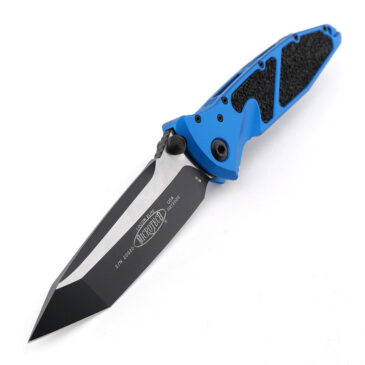
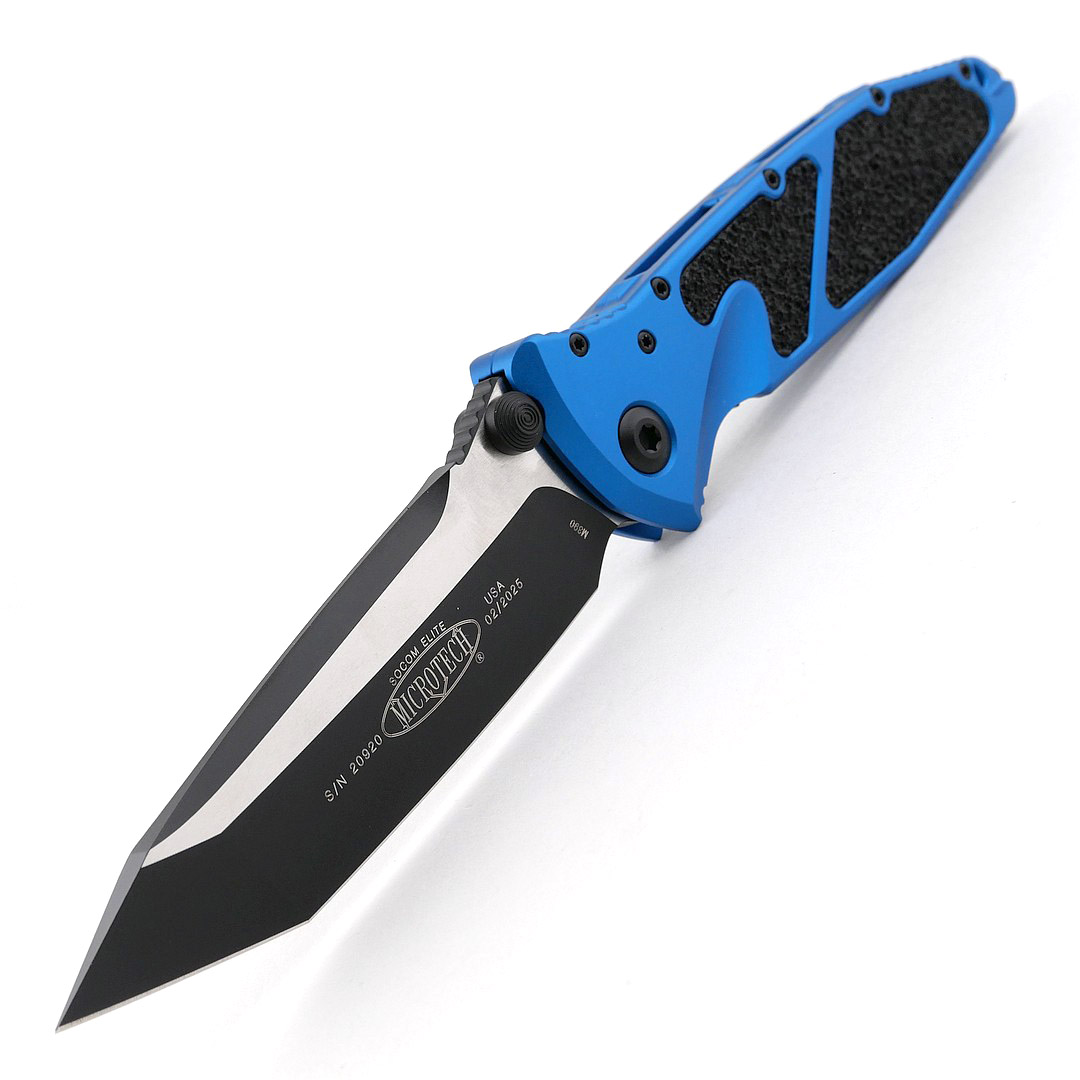
A time-tested classic, the Microtech SOCOM Elite Manual has set a standard for tactical and utility knives. In this detailed review of the Microtech SOCOM Elite Manual folding knife we look at the current 2025 incarnation of this classic.
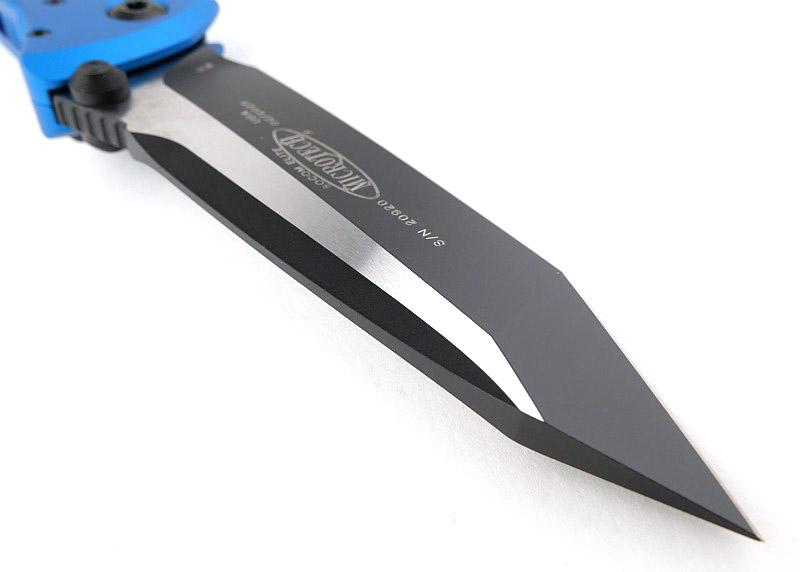
The original SOCOM has remained a highly popular folding knife since its inception in 1996. Over the years improvements have been made, making the SOCOM more adaptable to different environments. The SOCOM Elite has a unique handle shape that molds to your hand and is offered with different blade shapes and finishes. This review model is the ‘Socom Elite T/E Blue Standard 161-1 BL’ – featuring the Tanto black cerakote blade.
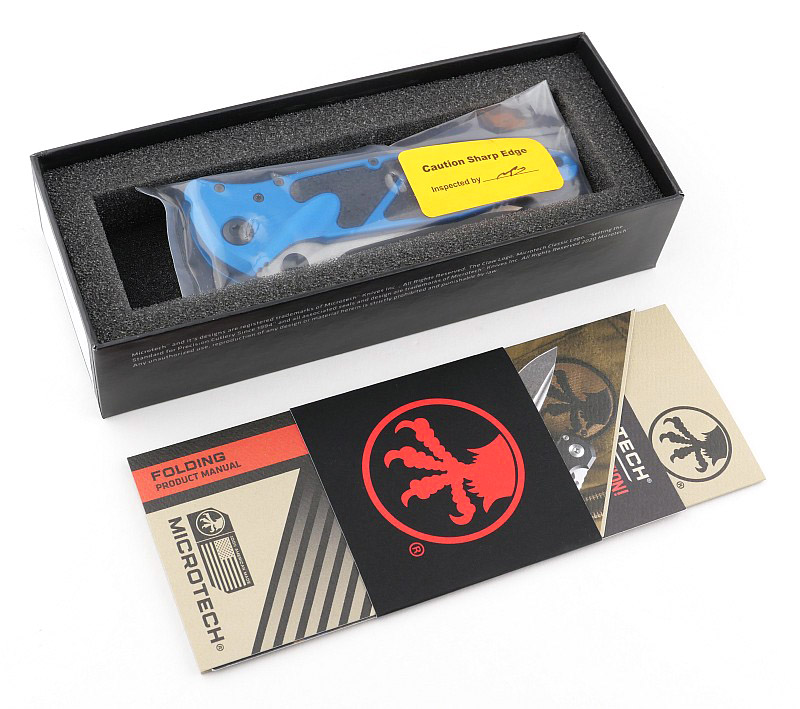
What’s in the box?:
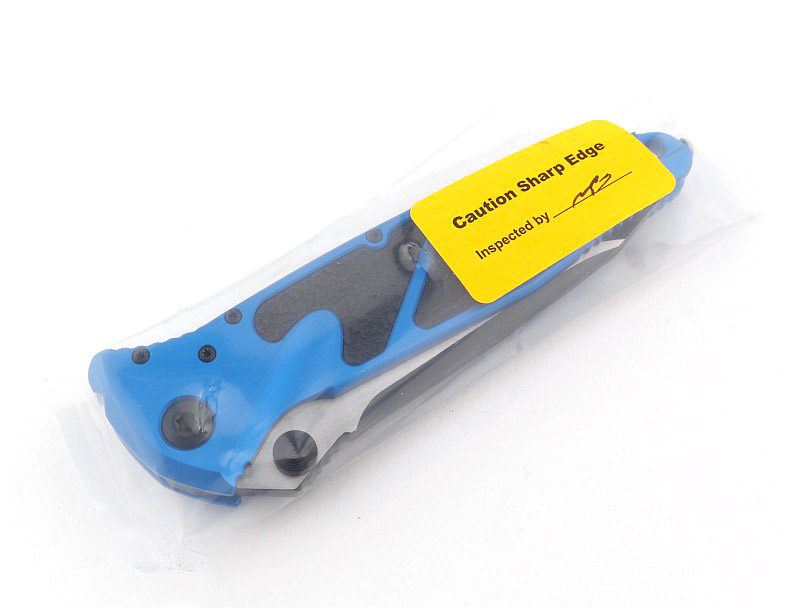
A very smart appearance in a black box with red metallic logo; inside the box is an information pack with sticker, and the knife in a plastic bag with warning label.



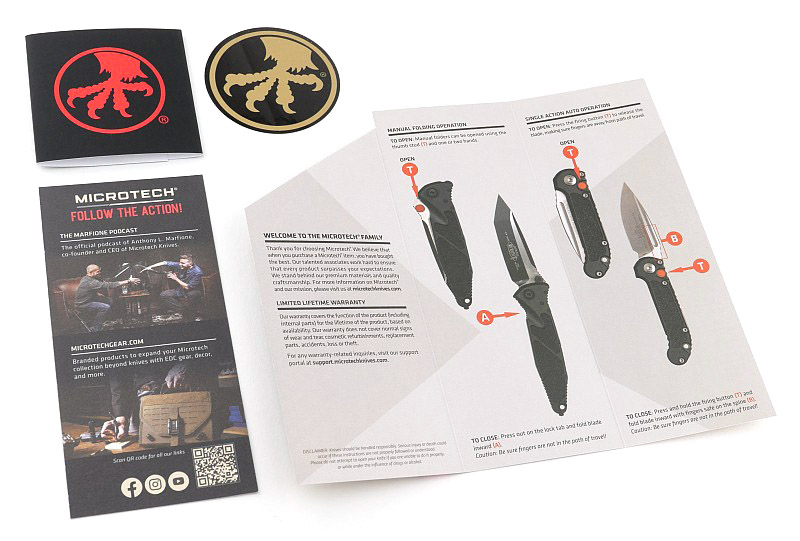
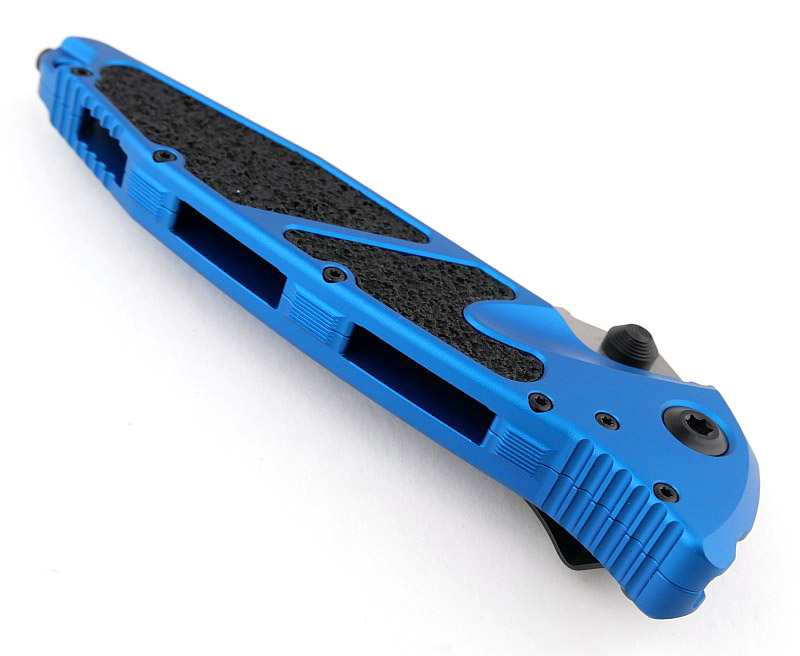
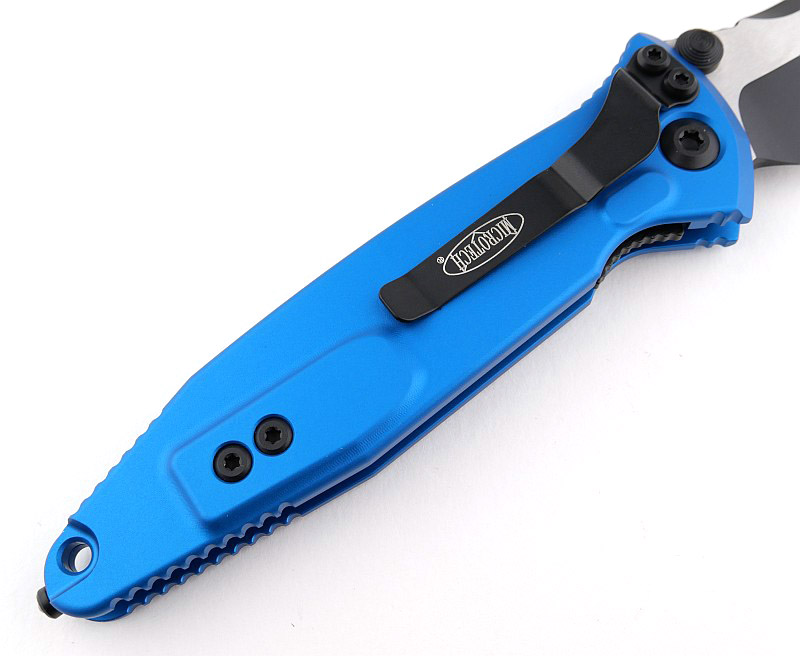
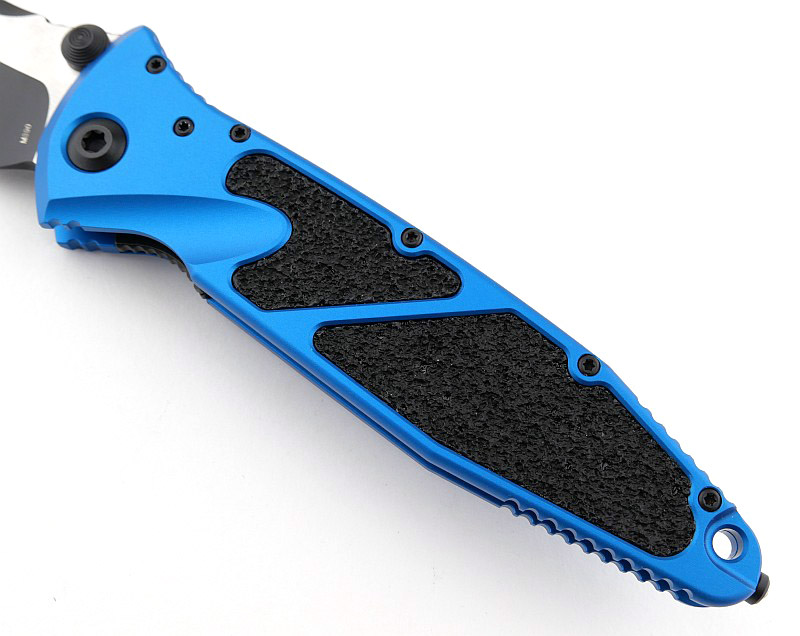
A good look round the (folded) SOCOM Elite – Things to look out for here are:
With many details to focus on, this gallery shows the features that can be seen with the knife folded. The SOCOM Elite’s handles are intricately machined to incorporate a multitude of features, recessed grip panels, back spacers, thumb stud easing, thumb ramp and reverse grip jimping, lanyard hole amongst many others. The single position pocket clip dog-legs around the pivot bolt. At the front of the handle are the recesses which the thumb studs rest against as the blade stop. This current version of the SOCOM Elite also has a glass breaker in the butt of the handle.
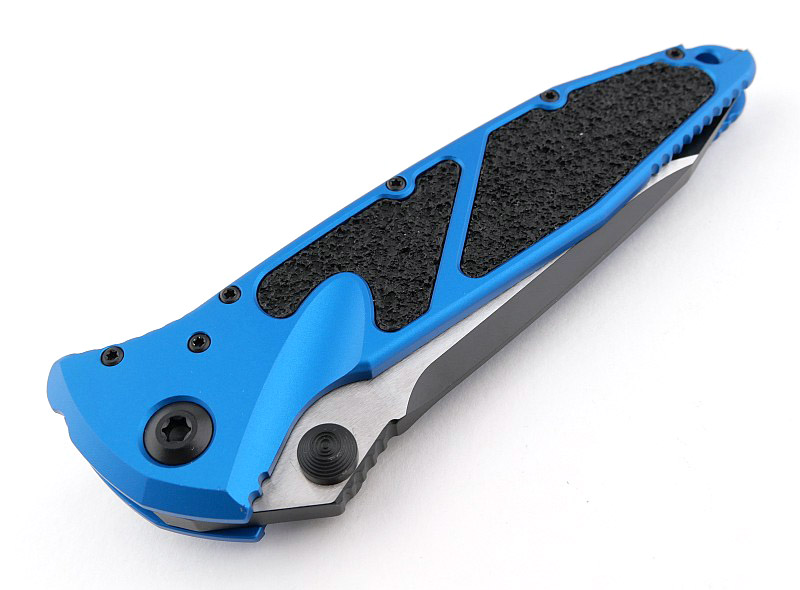
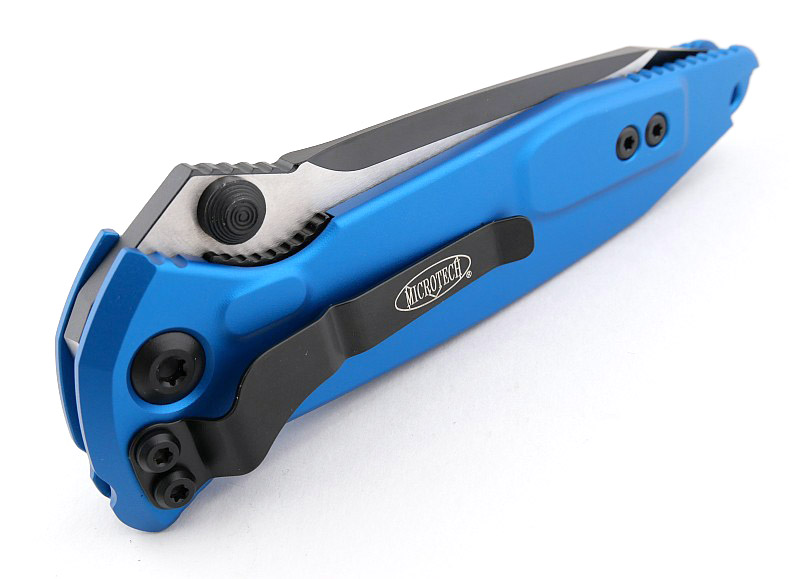


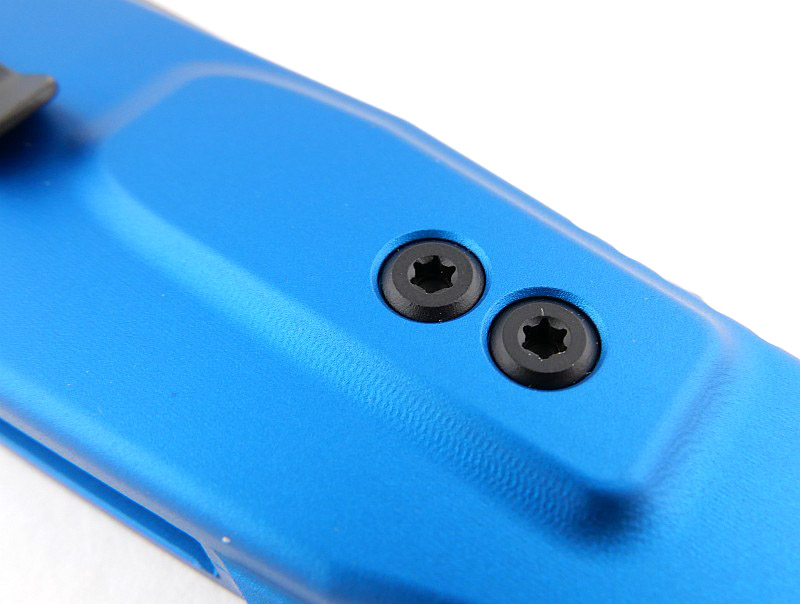
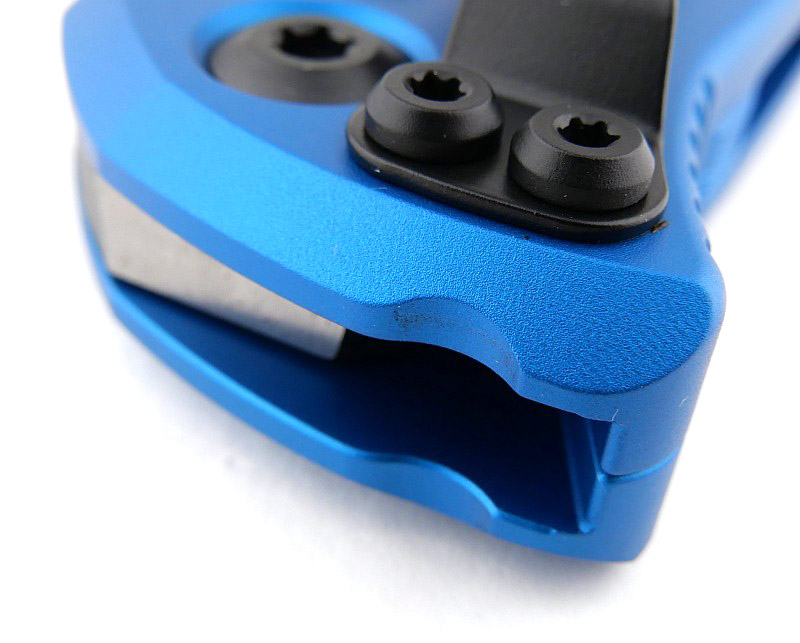


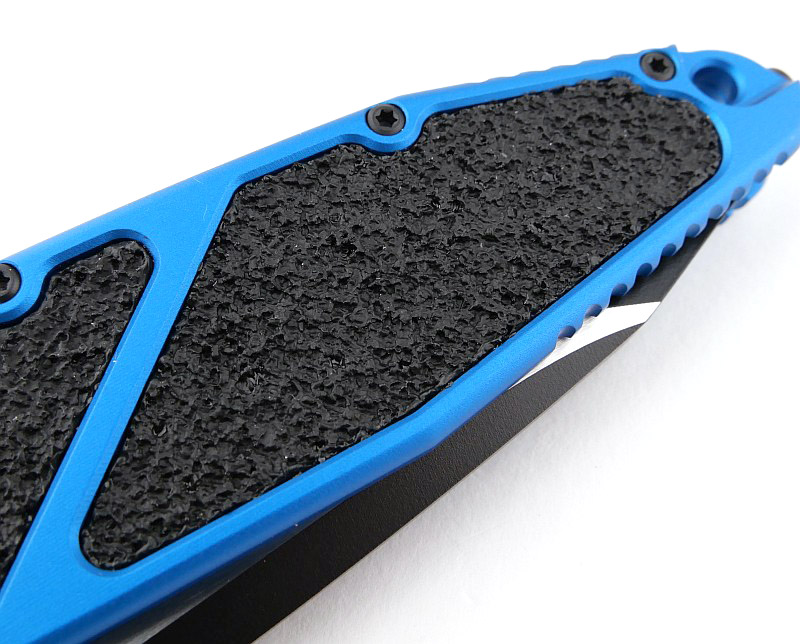
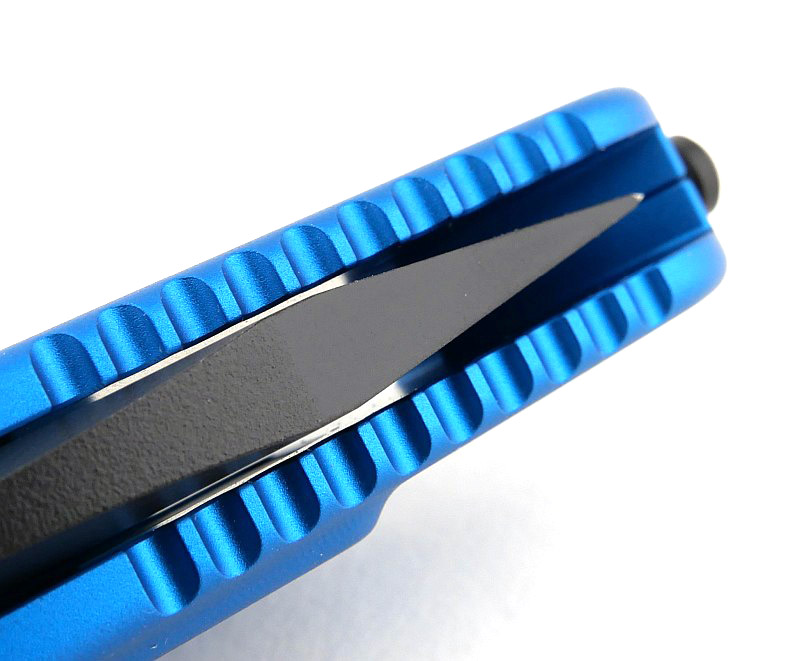
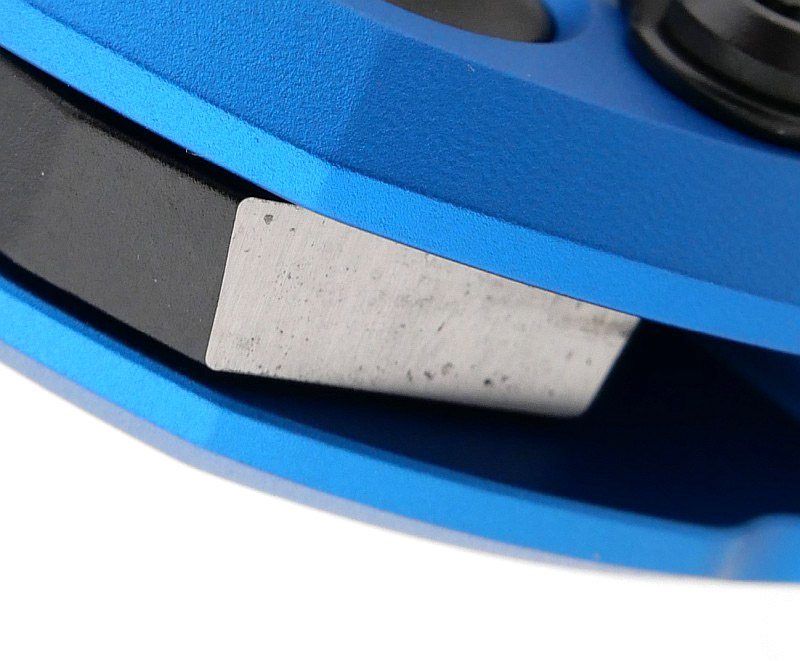
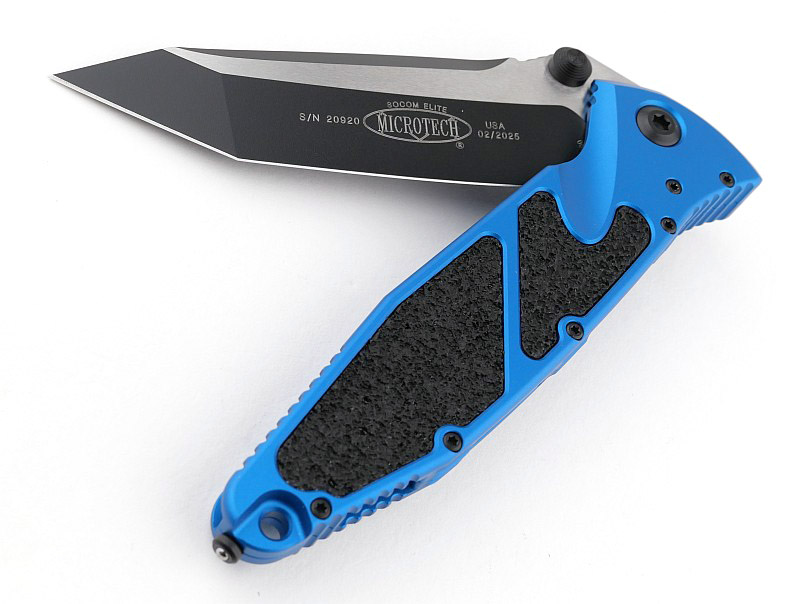
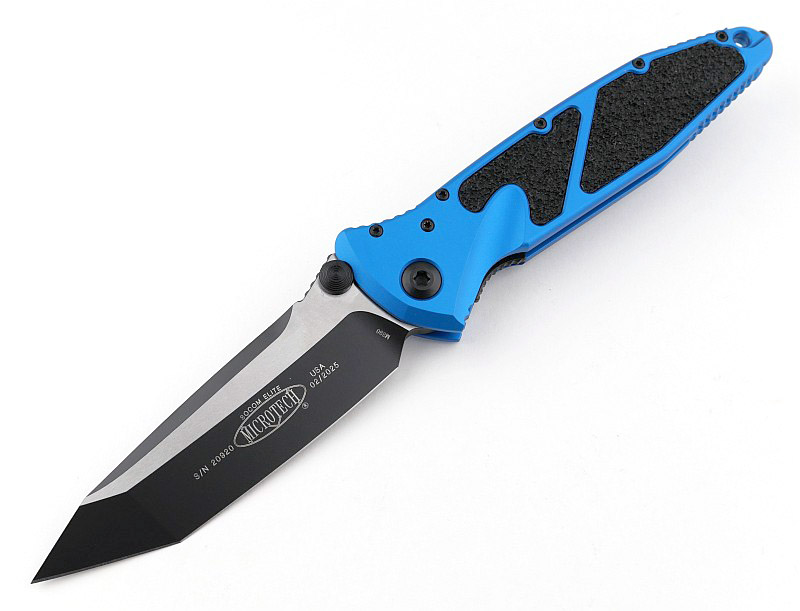
A good look round the open SOCOM Elite – Things to look out for here are:
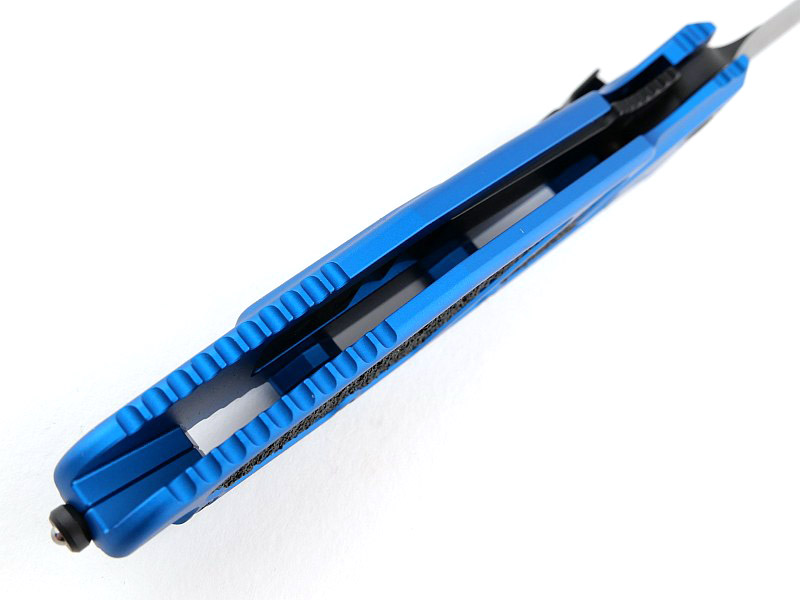
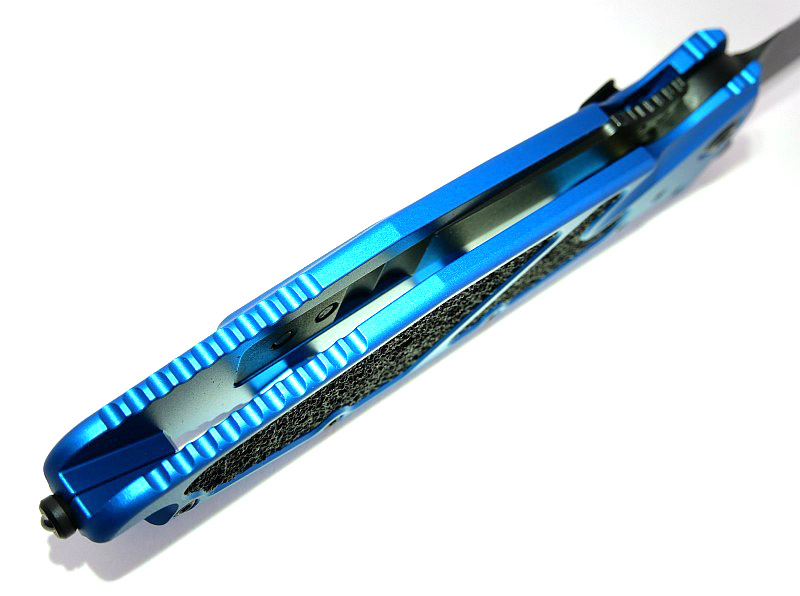
As that wonderful two-tone blade swings out, we can start to pick out some other details like the internally recessed liner lock bar emerging into its engaged position. Lighting up the inside of the handle shows the lock bar with its two spring cuts, and how this fits into the internal recess fixed in place by two screws from the outside of the handle.
With the blade fully deployed, the shape and excellent ergonomics of the handle are clear. For the SOCOM model, the dual thumb studs are the blade stop. A relatively large stud diameter has been used, and this fits into matching grooves in the front of the handle to provide a very secure blade stop. This design also keeps the thumb studs more out of the way than designs that don’t use this blade stop method.
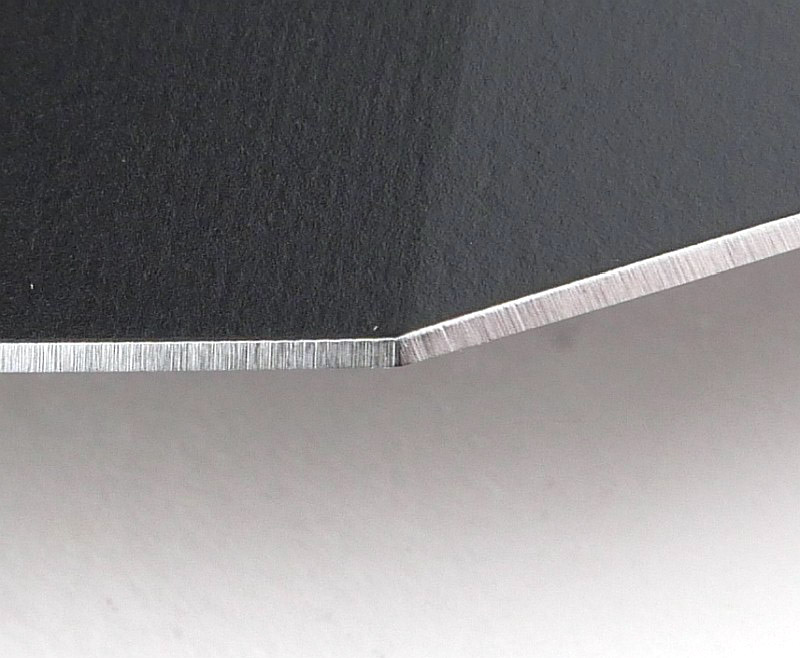
Current models use Cerakote for the blade coating, which gives a very matt finish and deep colour on the black/two-tone blade. With a gently curved plunge line, and choil shape ensuring the cutting edge is fully sharpened all the way to the heel, there is no compromise in strength or performance. The SOCOM even includes a section of jimping on the blade above the thumb studs for maximum grip security when moving your grip forwards. Marked on the blade as M390, the blade steel is actually the Microtech M390MK which is a subset of the M390 specification using tighter compositional tolerances – officially it is still M390 and is marked as such.








Explained by the Maker:
In this section I’m including words directly from the maker themselves.
The SOCOM Elite Manual sets the standard for tactical and utility cutlery. The original SOCOM has remained a highly popular folding knife since its inception in 1996. Over the years improvements have been made, making the SOCOM more adaptable to different environments. The manual SOCOM has a unique handle shape that molds to your hand.
Microtech Socom line takes its name from the United States Special Operations Command, SOCOM for short. SOCOM is the operational command of the United States Department of Defense responsible for special operations. Under its supervision are units such as the Navy SEALs, Air Force PJs, Army Rangers and others.
This knife was designed to meet the expectations of US Army special forces operators. Its design is the result of long-term research and testing aimed at creating a tool that is optimal in terms of functionality and durability. The blade is made of Microtech’s own version of Böhler M390 steel, designated M390MK, which has tighter specifications within the M390 standards, so ensures a greater consistency for the production processes and ultimately consistency of performance for Microtech knives. The knife’s handle is made of aluminium, which makes it lightweight and durable. Special 3M inlays ensure a secure grip even under the toughest conditions.
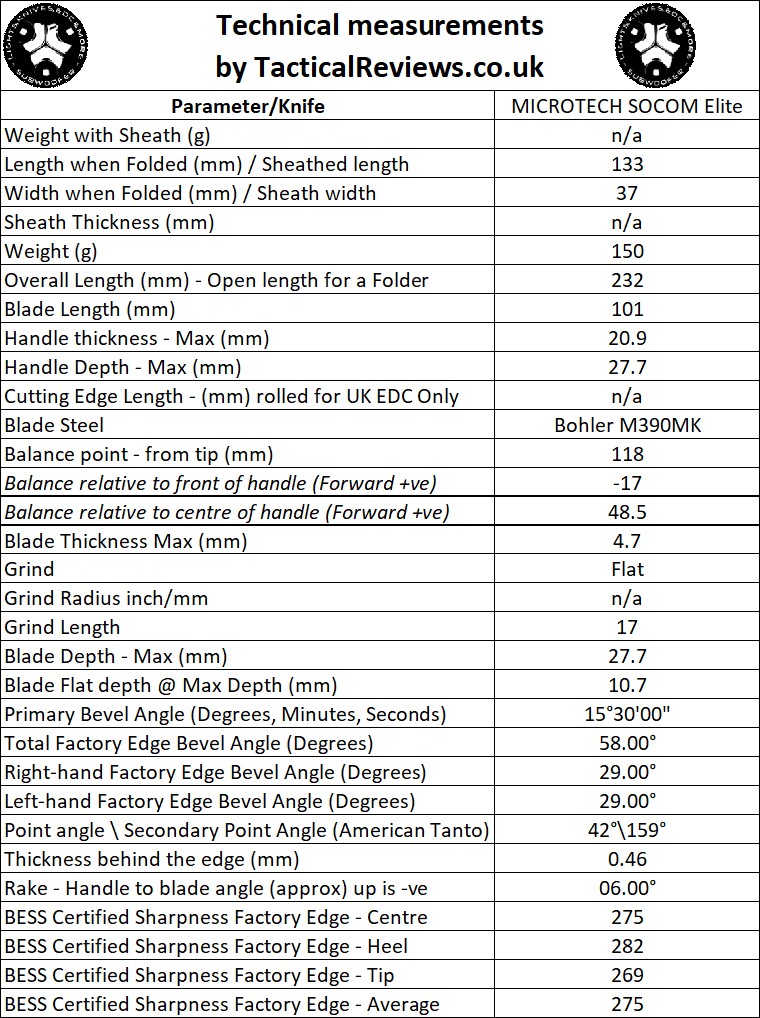
The Blade and Handle – Detailed Measurements:
For full details of the tests and measurements carried out and an explanation of the results, see the page – Knife Technical Testing – How It’s Done.
The blade is made from M390MK steel – this is a subset of the M390 specification using tighter compositional tolerances – officially it is still M390.
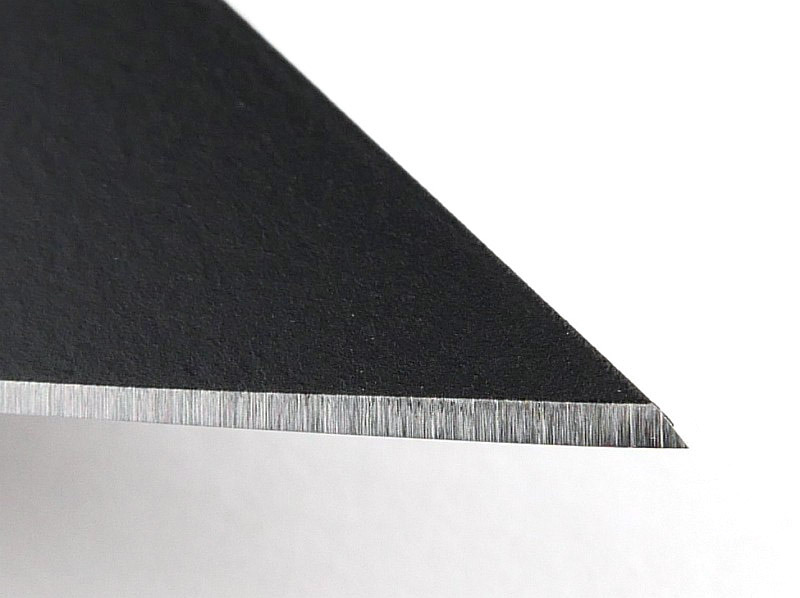
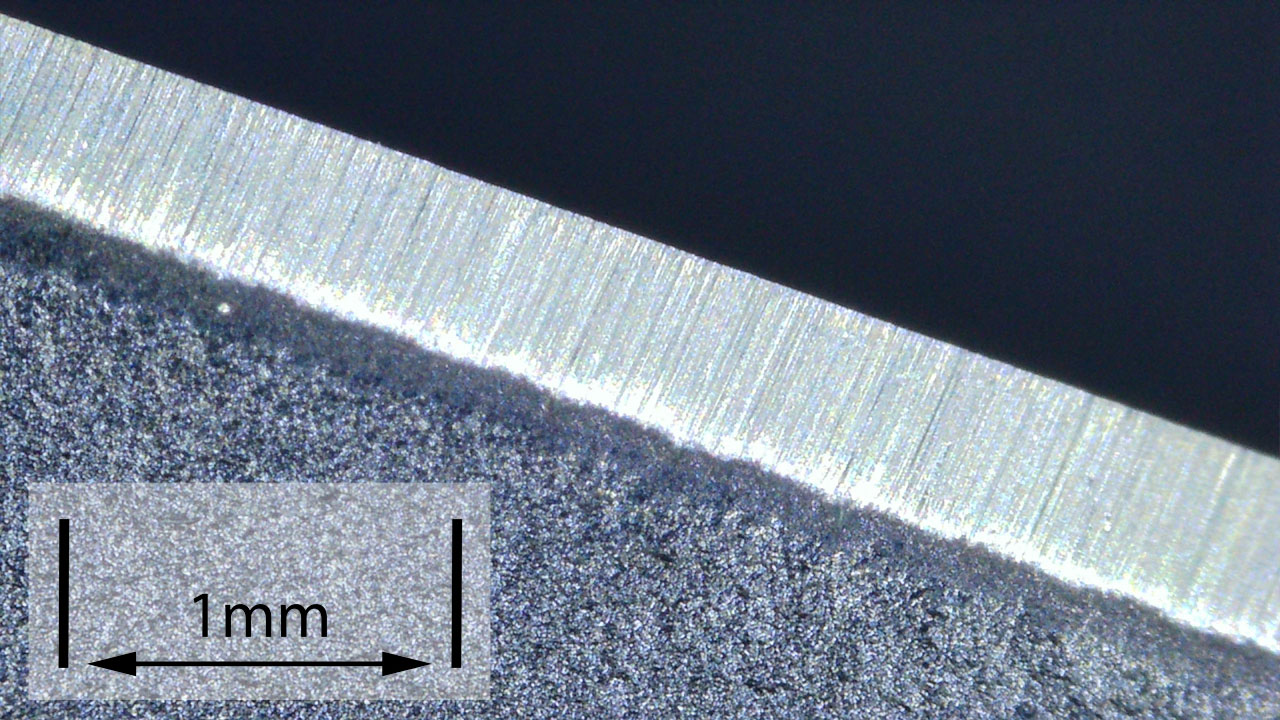
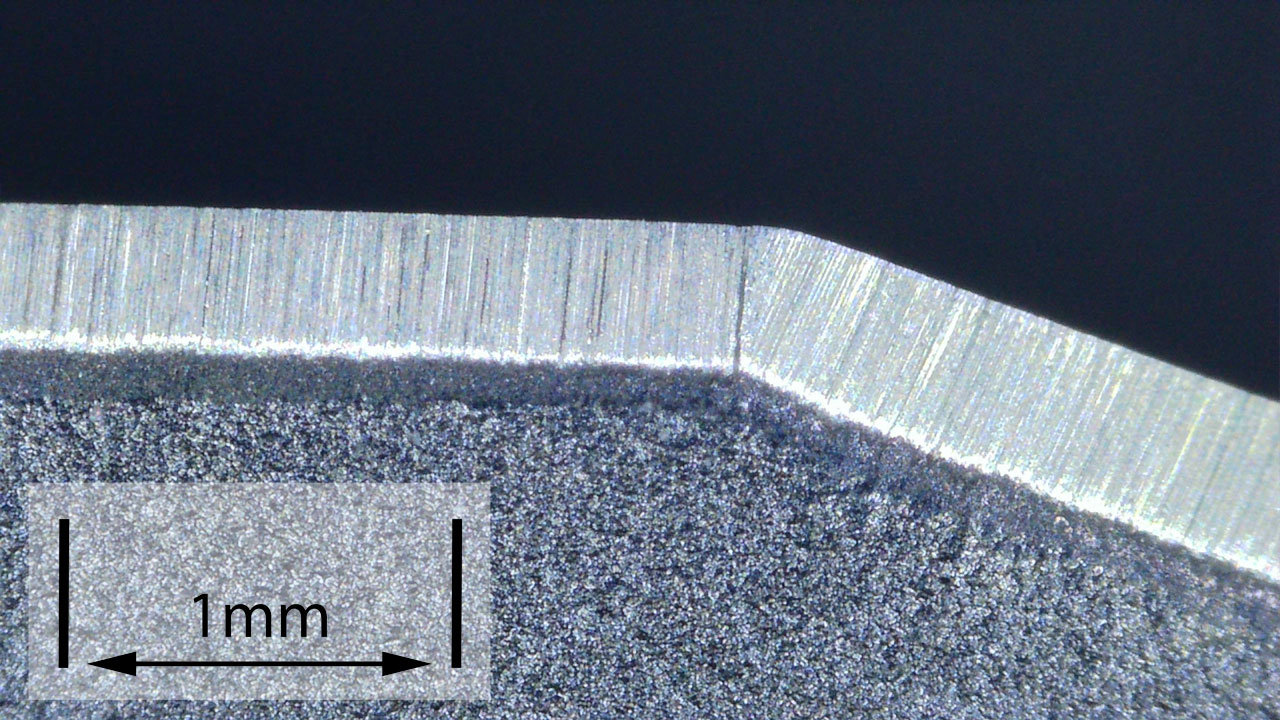
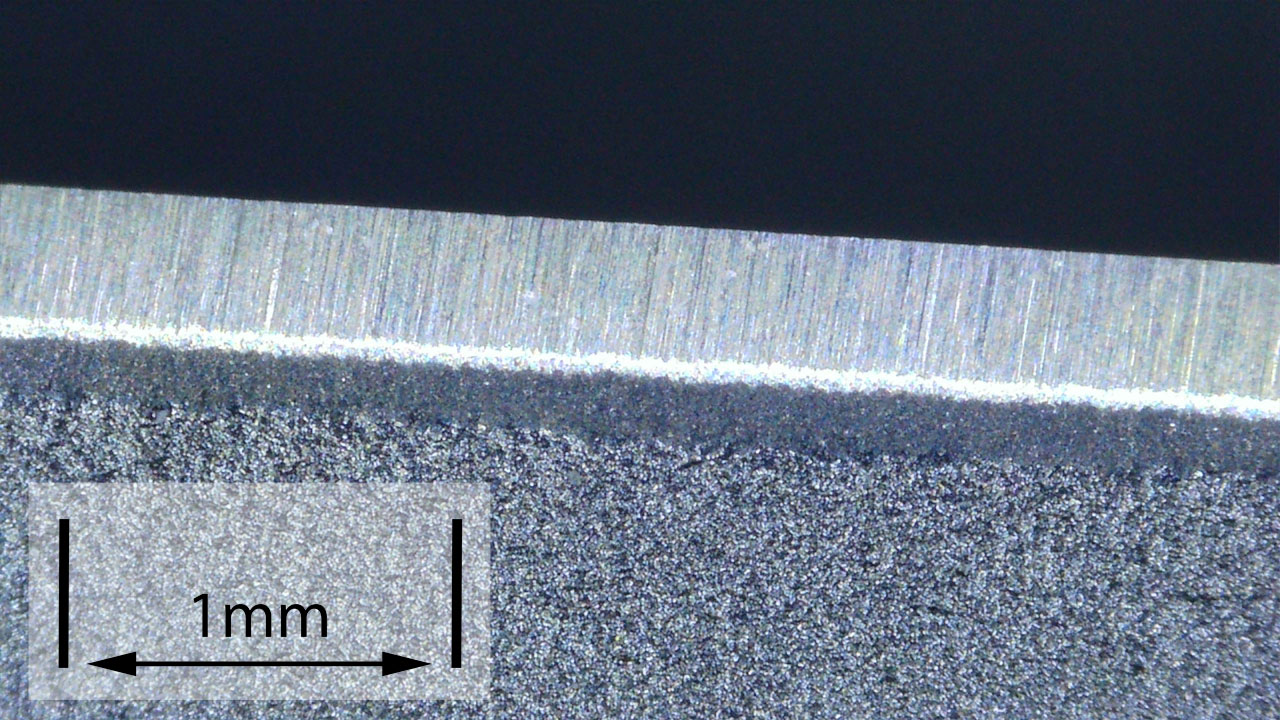
The Factory edge up close:
Followers of Tactical Reviews will know my views on factory edges, but to recap:
Anyone using a knife will need to sharpen it. That first factory edge is just like the first tank of fuel that a new car comes with (or first charge of the battery).
A good factory edge is a ‘nice to have’ but not a ‘make or break’ for a good knife, as you will be putting your own edge onto it soon enough.
The factory edge does however indicate the care a knife maker has put into the final finish.
It is for this reason Tactical Reviews measures factory edge sharpness and specifications, and includes this information in the detailed technical testing.
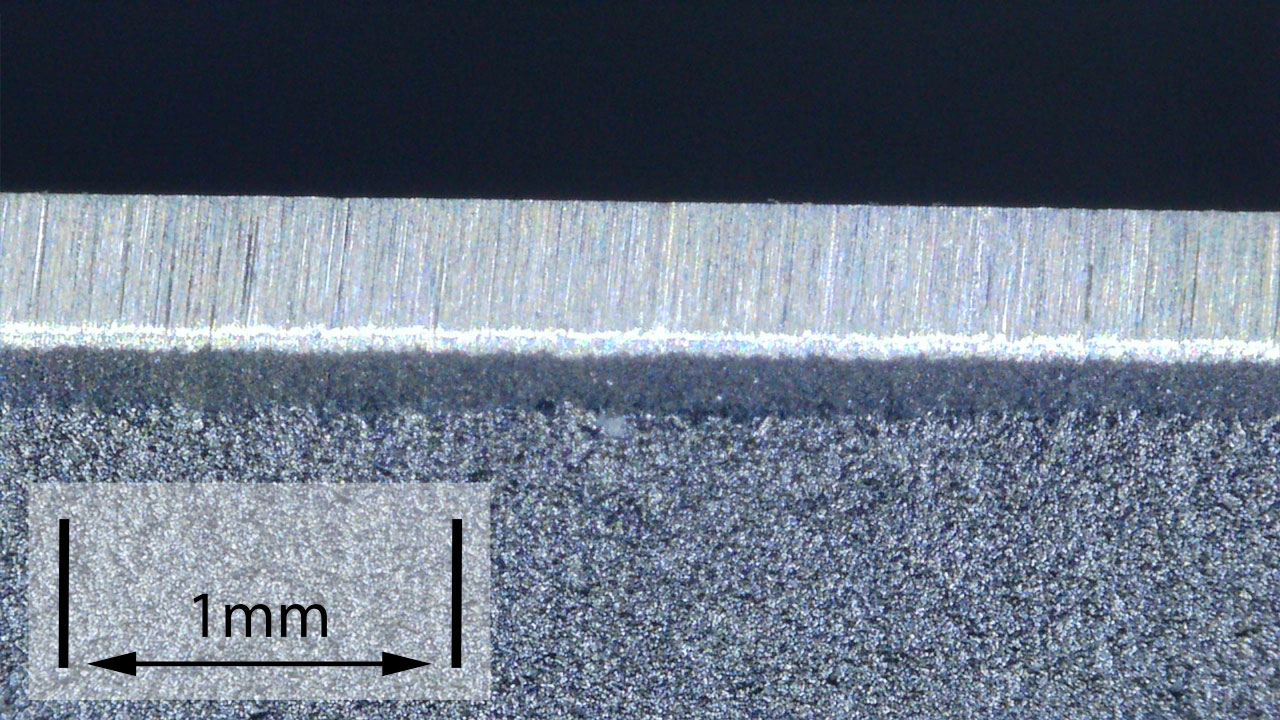
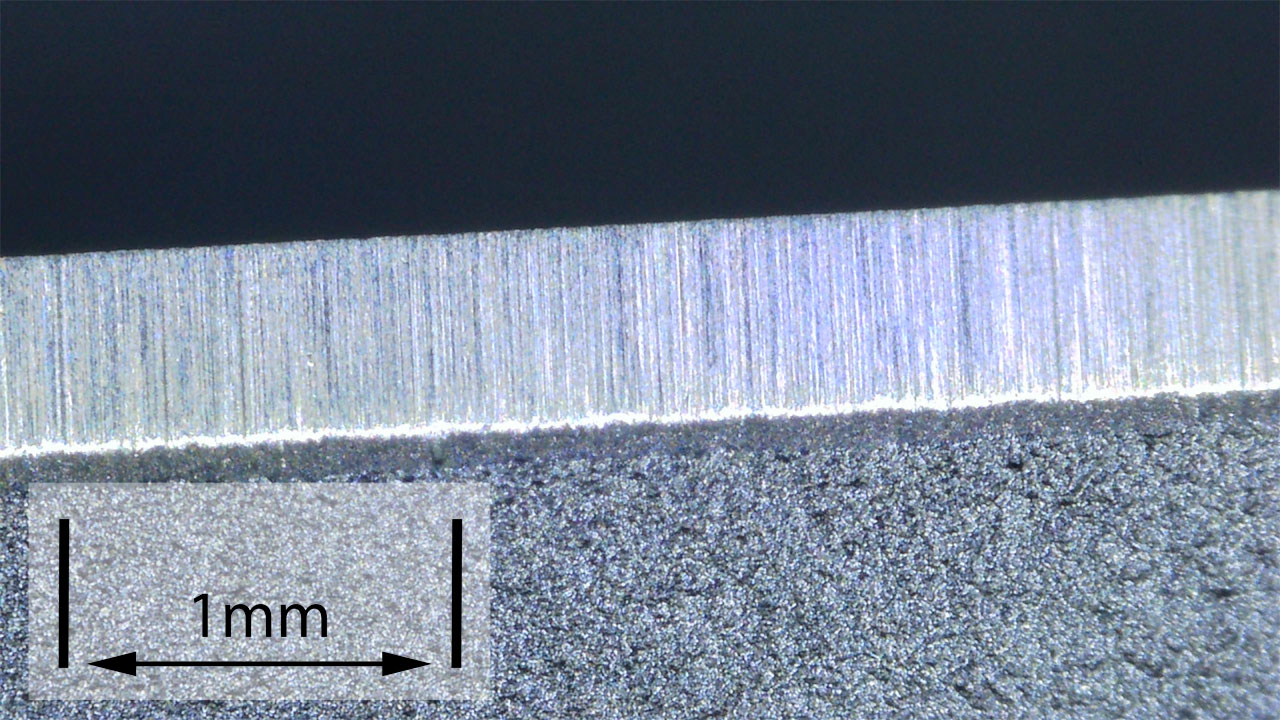
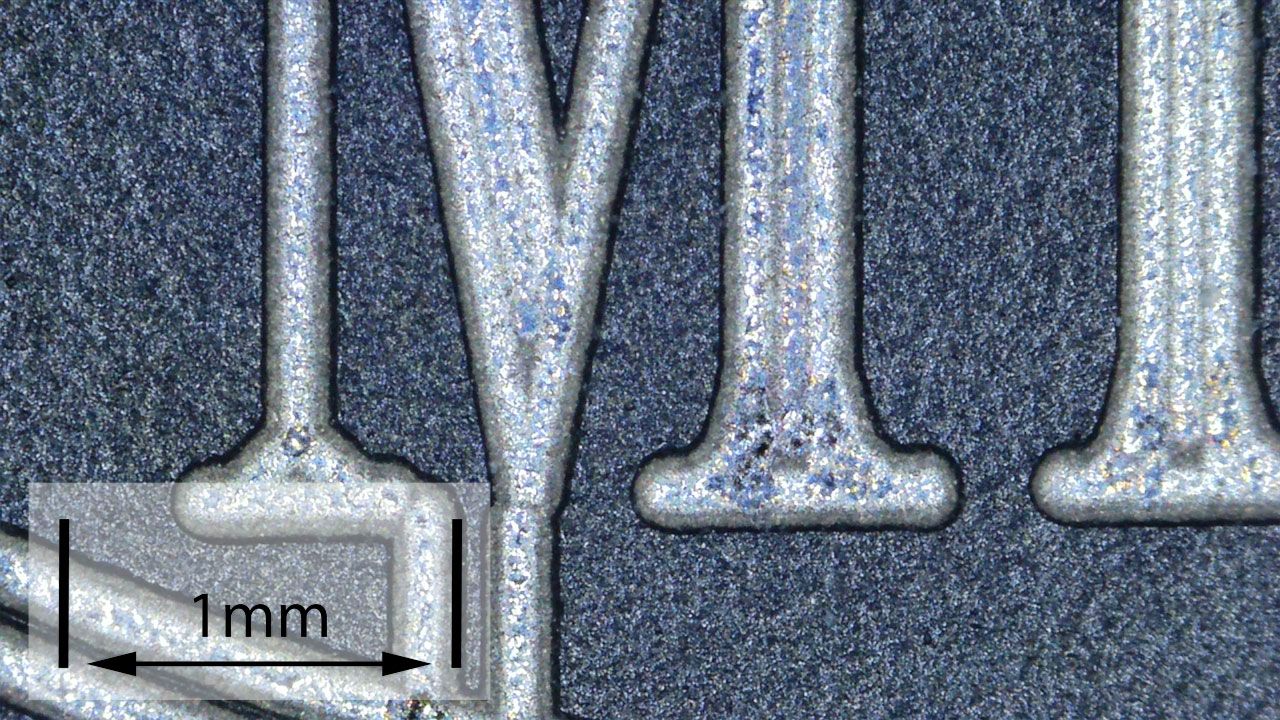
As a further look at the factory edge, this section has been added to include some high magnification photos of the factory edges. Also included is an image at the same magnification of the laser engraving.
What is it like to use?
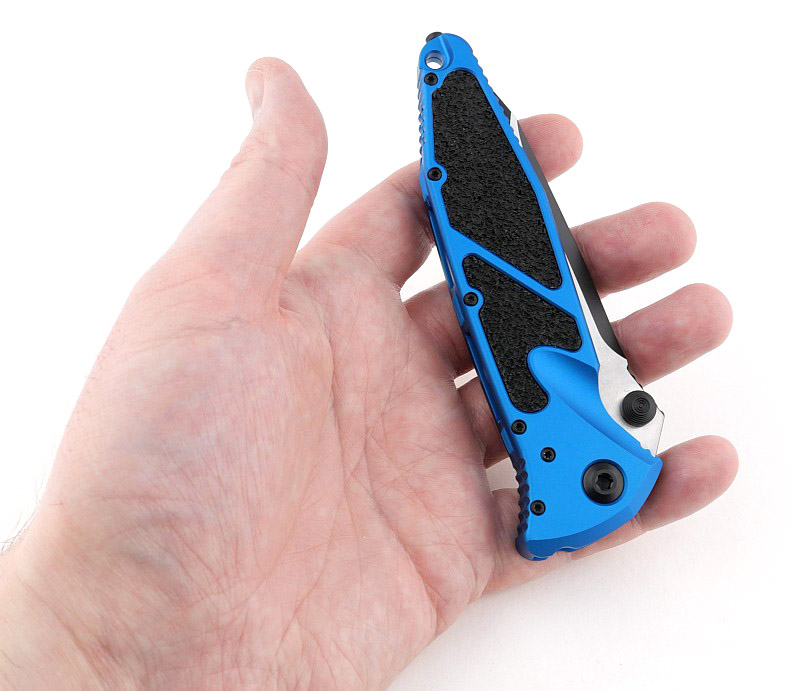
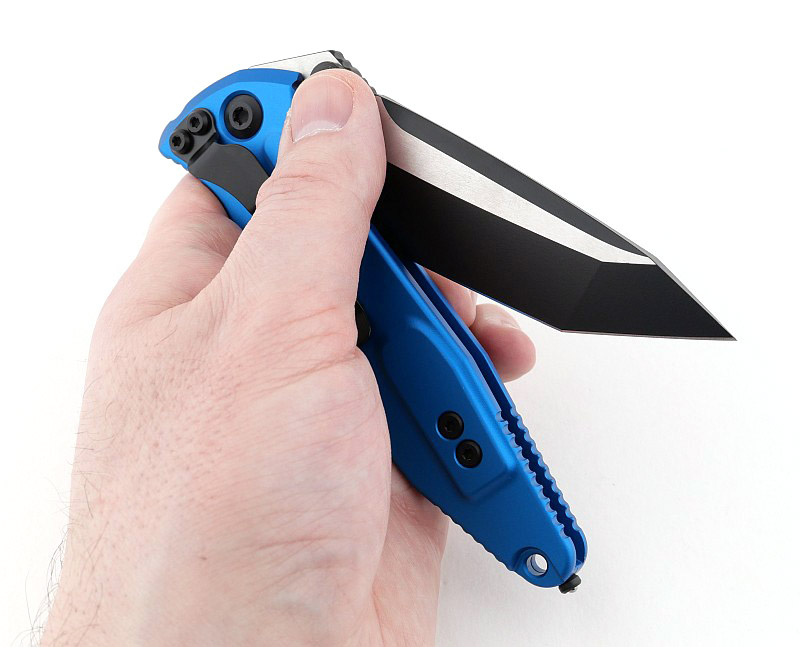
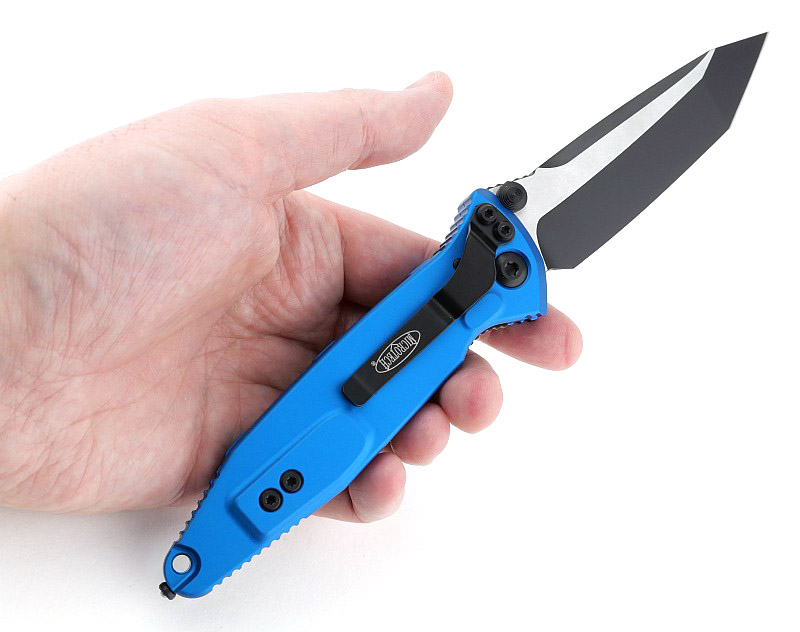
When you pick up a SOCOM Elite, you can immediately understand why it is still made nearly 30 years after being launched. Yes, it has a few tweaks to further refine it, but fundamentally it’s the original classic. As you can see in this gallery, in XL-glove sized hands, the SOCOM Elite is a large folder that allows multiple stable forward and reverse grip positions (with or without gloves). That handle length ensures the glass breaker isn’t an afterthought, but really effective striking point. Personally I have never had to use a glass breaker for breaking glass, but this could also be used defensively as a crushing point, or to more safely split open a hard container/shell.
Handling is excellent, ramps, jimping, curves, grip panels and contouring all combining to a knife that feels right in your hand, and ready to be put to use, so let’s do that now…



As a hard-use design, being intended to withstand military deployment, it’s first test was one I’d usually only put fixed blades through. Especially as I’ve just made a new, heavier, baton for the pallet cutting test, meaning it was going to be taking even more of a beating.
With a thick blade (for a folder) it needed quite the firm batoning to get this first cut. The top view of the cut show just how much the wood is being pushed apart for a full blade depth cut. Batoning a folder is not for the faint of heart, nor is it much good for even the toughest of folders, but if it can take some of this abuse it shows how strong the knife is. I’m not one for the ‘unlocked blade’ type of batoning, as you lose so much control, even if protecting the lock and pivot, so this was done with the blade locked. The pallet cut was completed in stages, taking out sections by cutting each end and popping out a chunk. The last strikes of the baton snapped the final part of the board instead of making a clean cut.
Immediately after this pallet cut test, the blade and lock were showing a bit of play, and the front of the handle where the blade stops contact it showed a slight indentation of the thumb studs/blade stops. Oddly while working the blade and lock to check what I might have damaged and if I could adjust it back, the lockup self-healed and without anything other than about 20-30 open and close cycles, it was back to a rock solid lockup. I suspect (but cannot prove) that this was the ball bearing pivot having been knocked out of position slightly, settling back after several opening/closing cycles, and might never have happened if solid washers had been used. Lesson 1, we already know, batoning with a folder is not good for it, but the other lesson is how much abuse the SOCOM Elite took in its stride and then sorted itself out.
Not the finest of ‘feather’ cutting, but with more practice and a re-profiled and re-sharpened edge I’m sure this will improve. The factory edge cuts well, especially considering it is a 58 degrees inclusive edge.
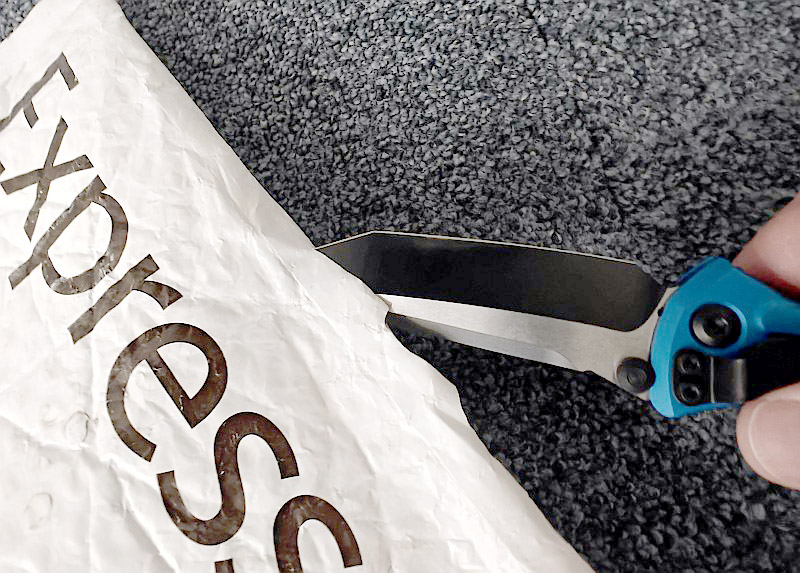
From heavy cutting to much lighter tasks (opening the next review knife package) the SOCOM Elite is a pleasure to use and efficient cutter. Of the available blade types, the Tanto blade does have a thicker wedge profile, so is one of the stronger blades for super heavy use, but you may want one of the other higher grind blade shapes for a more slicey action.




The final images in the gallery above show the Cerakote wear, almost all of which was from the pallet cut test. Typically a DLC coating will clean up without marks after this test, so the Cerakote is much less robust. Cerakote generally does have a more matt finish than DLC and this is a good fit for the two-tone blade finish, but will show wear.
Microtech’s SOCOM Elite definitely does deliver what it promises, an ergonomic and powerful folder, and you will want to use it.
Review Summary
The views expressed in this summary table are from the point of view of the reviewer’s personal use. I am not a member of the armed forces and cannot comment on its use beyond a cutting tool or field/hunting knife.
Something that might be a ‘pro’ for one user can be a ‘con’ for another, so the comments are categorised based on my requirements. You should consider all points and if they could be beneficial to you.
_______________________________________________
What doesn’t work so well for me
_______________________________________________
Cerakote already showing wear.
Ball bearings instead of washers.
Single position pocket clip.
_______________________________________________
Things I like
_______________________________________________
Fantastic ergonomics.
M390MK Steel.
Super strong lockup.
Large comfortable thumb studs.
Excellent grip panel texture without being abrasive.
Plenty of Jimping and grip ramps.
Distinctive styling.
Glass breaker/striker pommel.
Built to take heavy use.
Review Videos
Starting with a short format sixty second review:
Onto a full video review covering many more details:
Discussing the Review:
Something new – will it work? A Tactical Reviews Subreddit.
TacticalReviewsChat on Reddit
Please visit there and start/join the conversation.