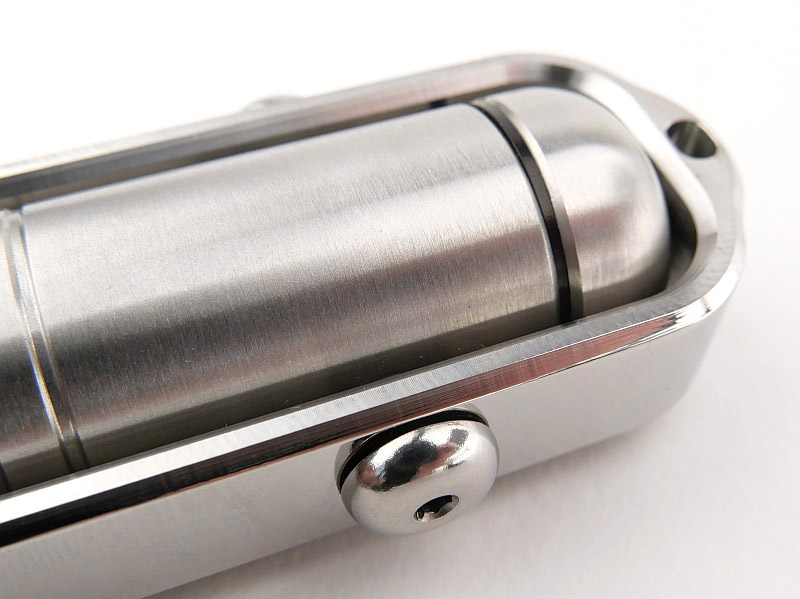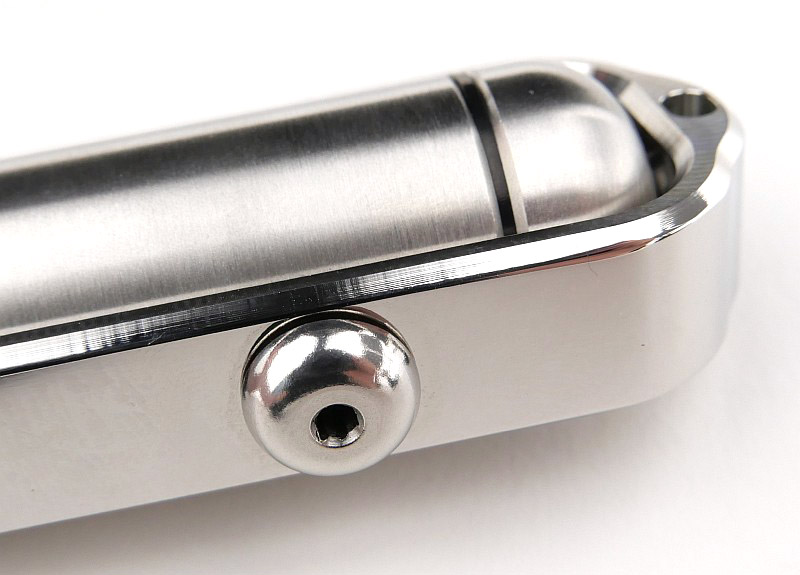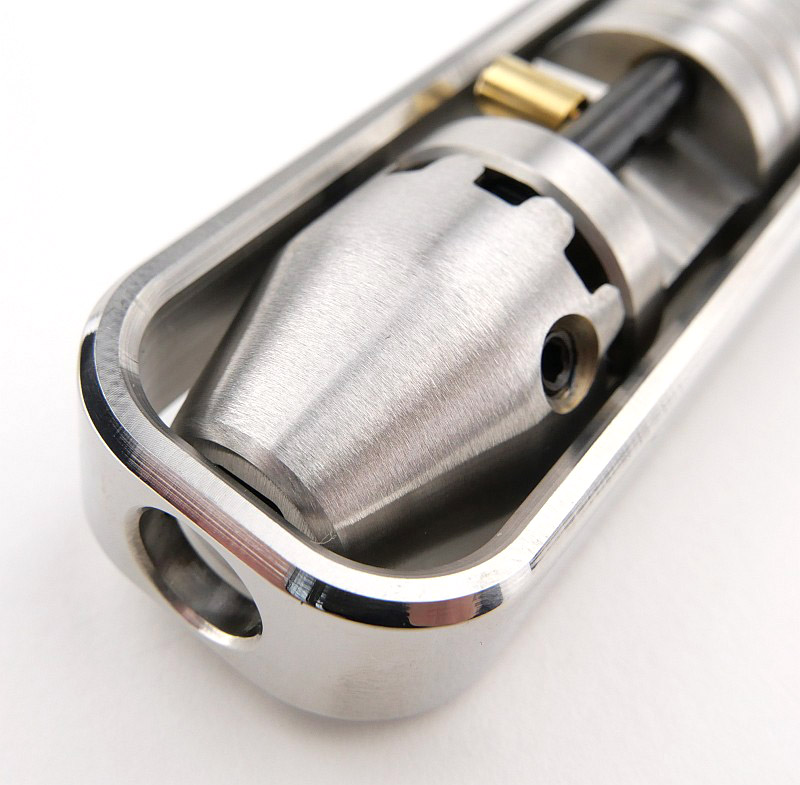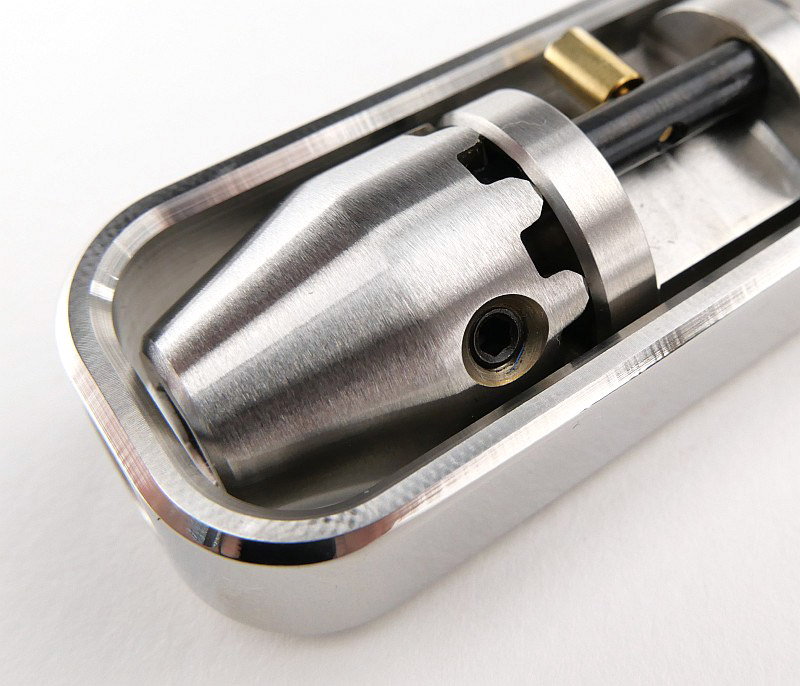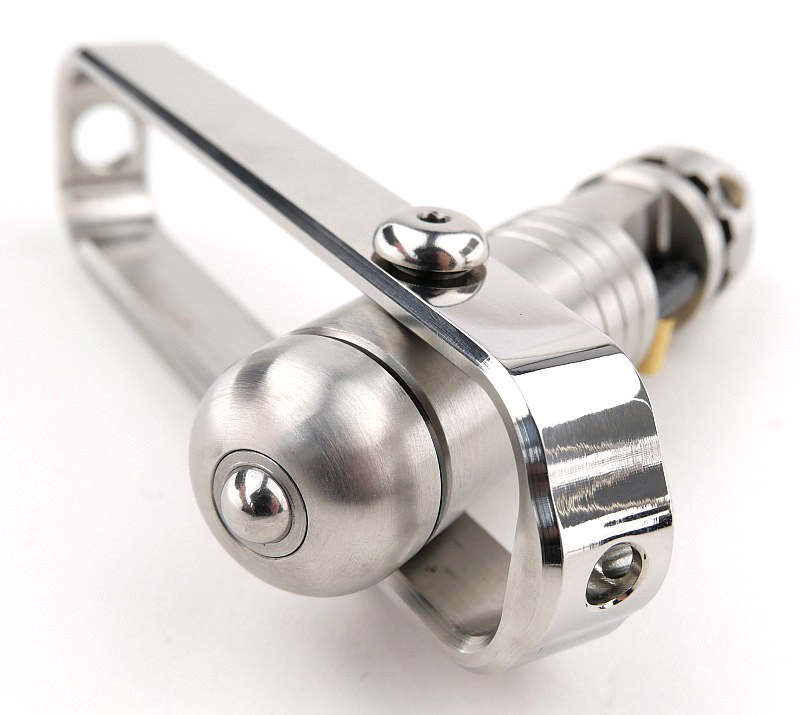
Get ready for the most detailed review of the MetMo Fractal Vise (Vice) you will ever find! It is impossible to do justice to the ‘ultimate in clamping flexibility’ without showing everything I’ve included in this MetMo Fractal Vise Review.
Don’t Panic – Even if you are someone that might say ‘TLDR’ there are plenty of pictures to look at too, so even if you just browse the galleries you’ll see what it is all about.
The MetMo Fractal Vise, invented in 1913 and refined in 2025. Six independent movements allow you to perfect your clamping game.
Inspired by a historic patent, this overengineered desktop vice features reversible interchangeable jaws, modular accessories, and a clampingly clever design. Built for the makers who think outside the box — and like to clamp it too.
Find out if it could be the ideal companion for your ‘making’ lifestyle and join me in this MetMo Fractal Vise Review for all the details.
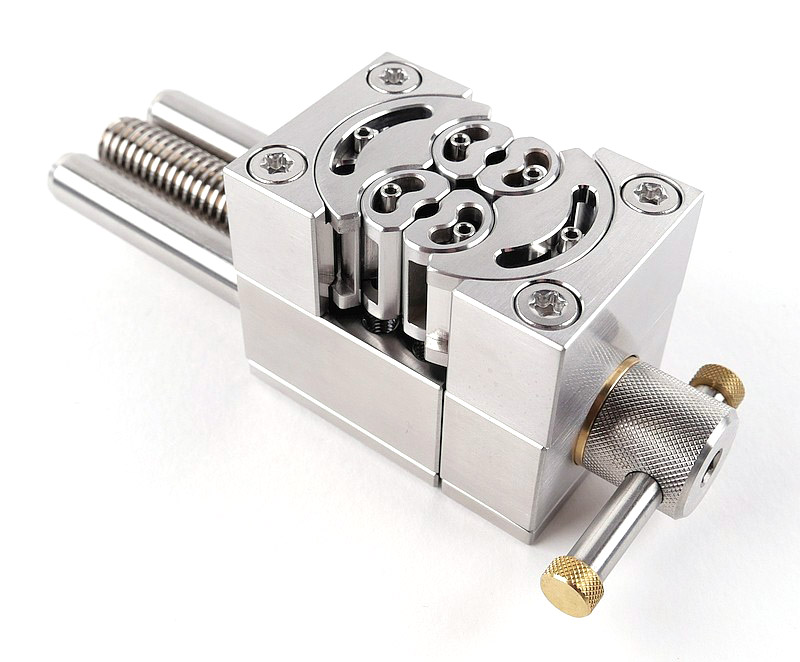
Just before we get started, you may notice I’m using ‘Vise’ and ‘Vice’ interchangeably. Though MetMo is a UK based company, it has adopted the US-English word ‘Vise’ instead of the British-English word ‘Vice’, for this clamping tool. The choice was for a more international stance on the naming of this amazingly engineered fractal vice (there I go again); MetMo’s Fractal Vise.
What’s in the Fractal Vise box?:
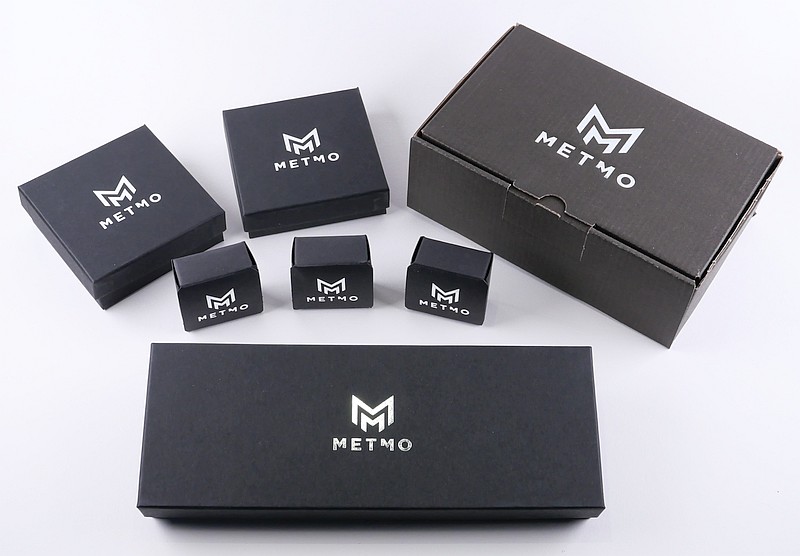
Just before we break into the first of the many boxes for the core part of this system, this is the full set of boxed components including the fractal vice, all the optional jaws and the desk clamp mount with quick release.
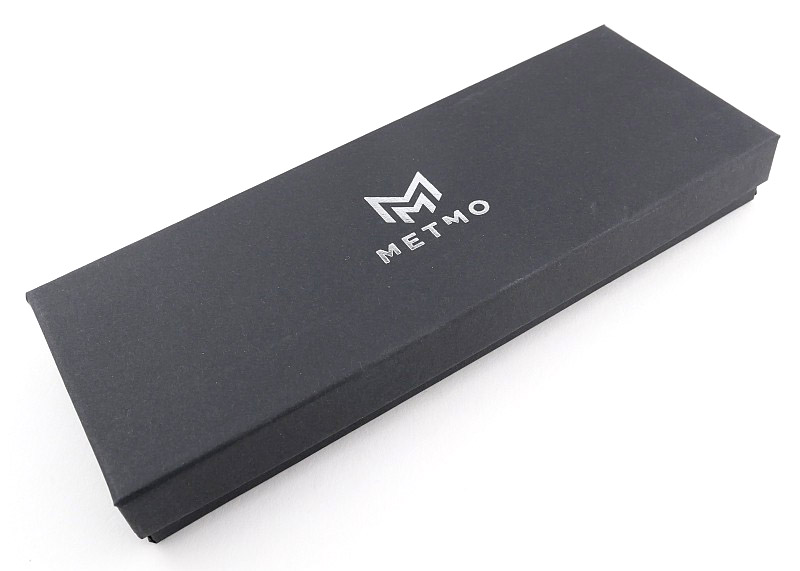
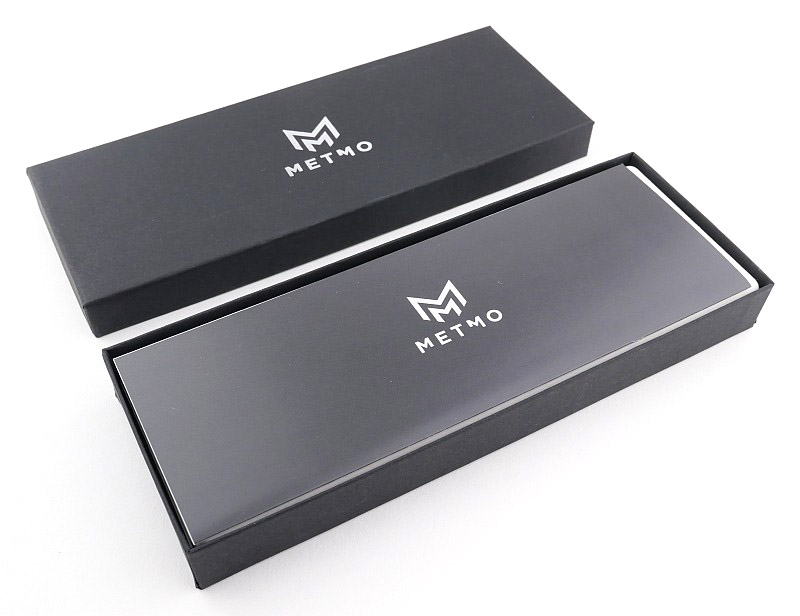
Unexpectedly slim but satisfyingly heavy, the Fractal Vise’s box was a surprise. I genuinely had not expected this one to contain the vice.
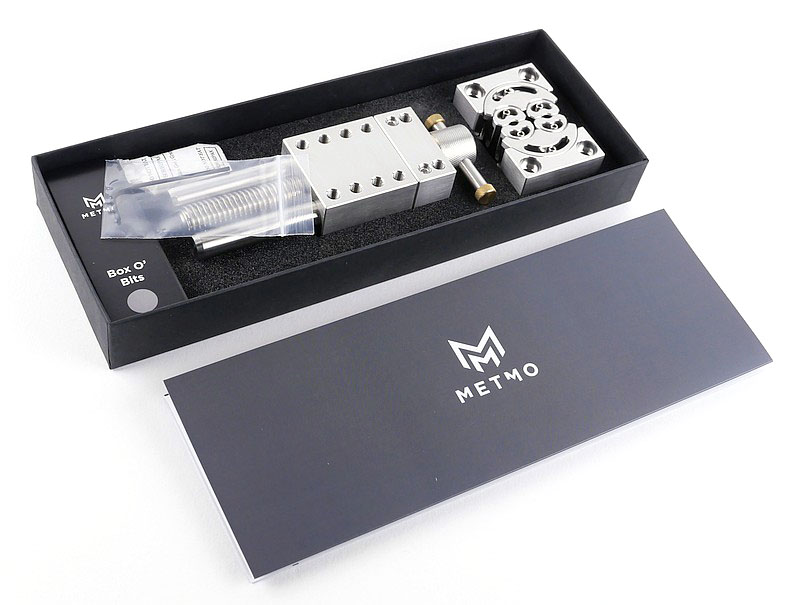
Lifting off the lid there is an instruction card, under which the components are laid out.
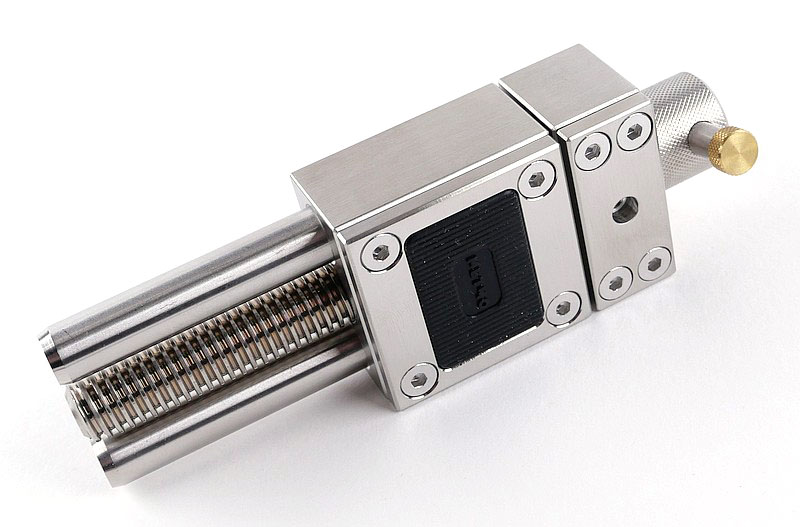
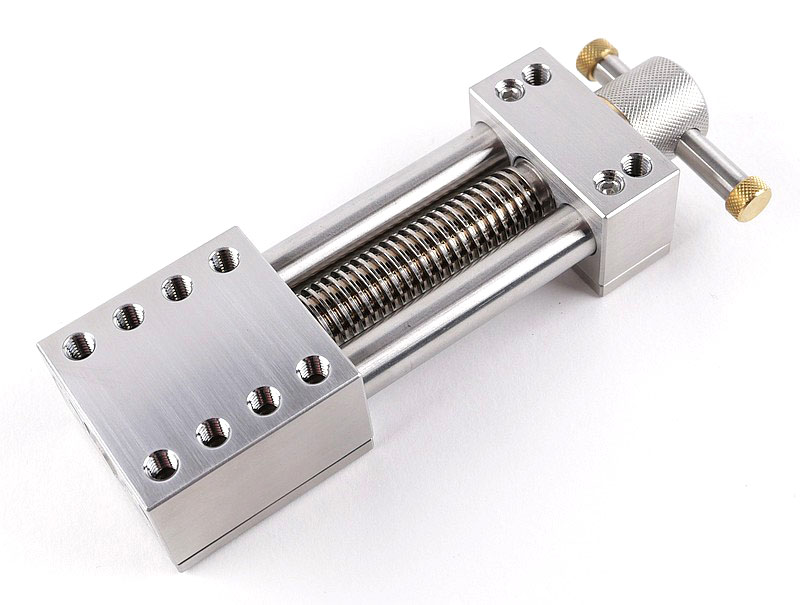
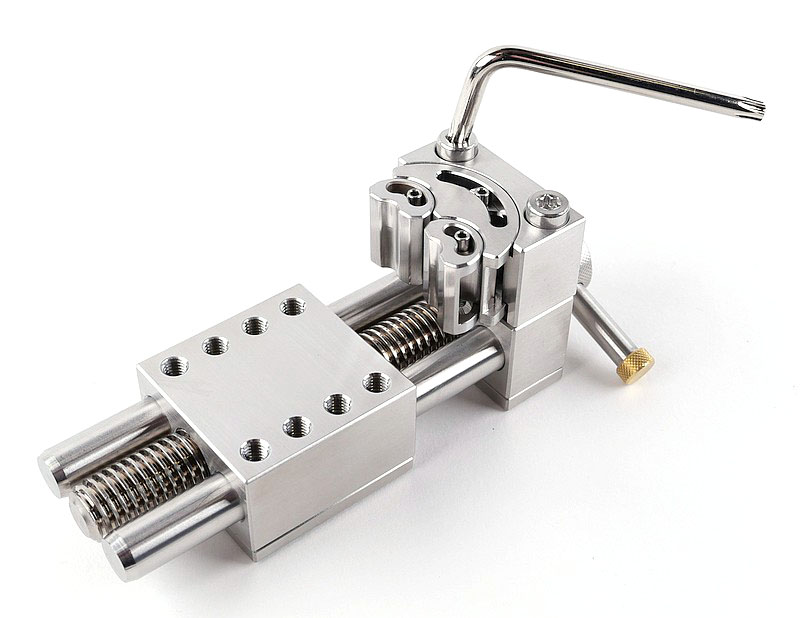
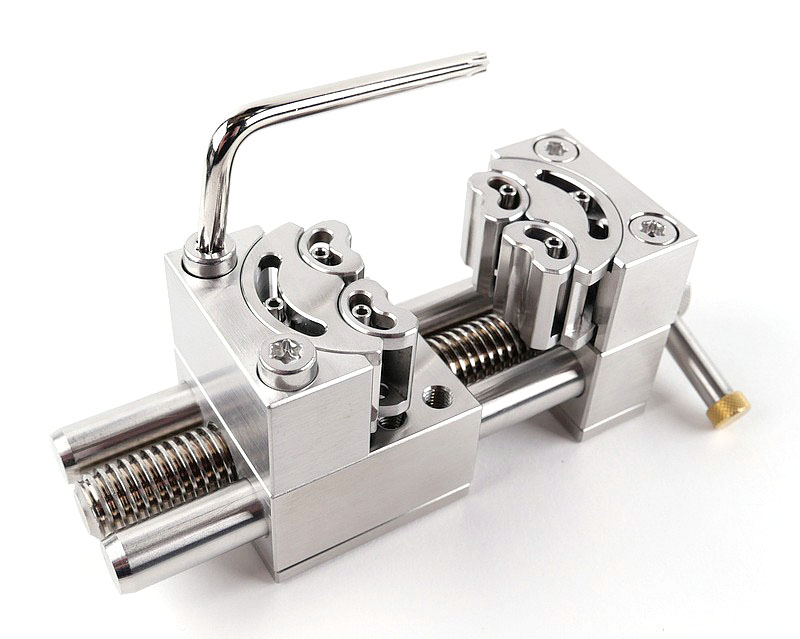
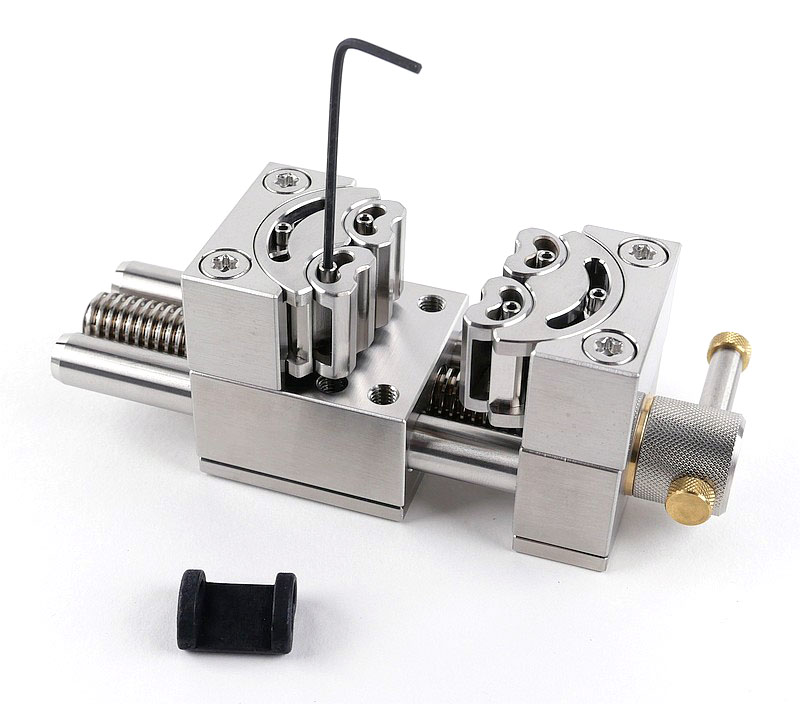
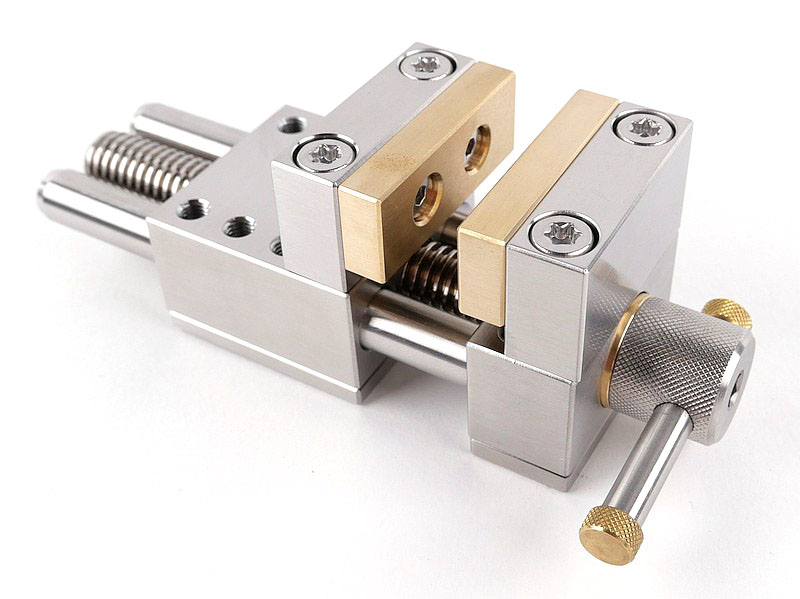
Celebrating the pure engineering, it is entirely fitting that the Fractal Vise comes partly disassembled. The base consisting of the handle, screw, guide rods, slide and jaw mounting holes. Then next to this, the two sets of fractal jaws, plus a box’o’bits with Allen and Torx wrenches, spare grub screws, and the jaw mounting bolts.

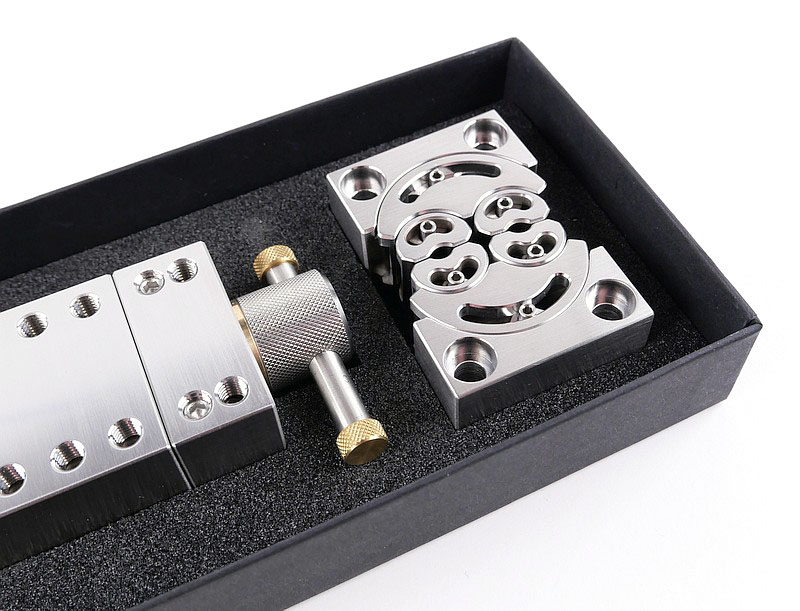
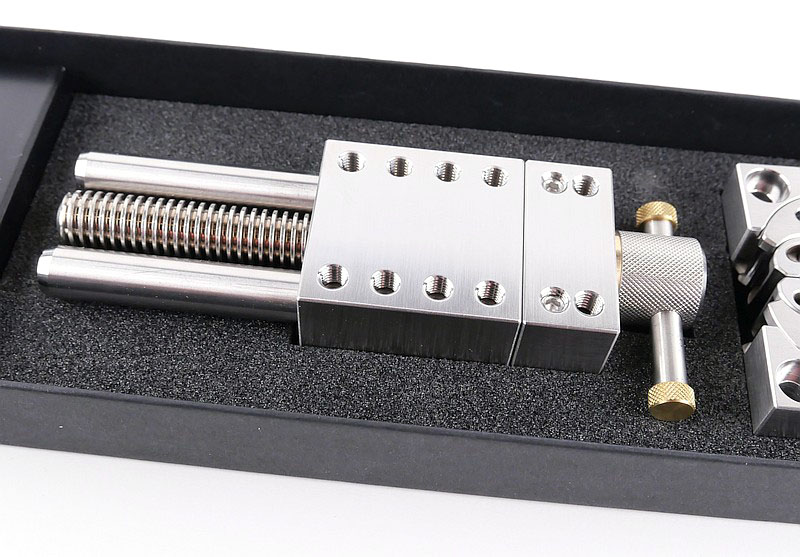
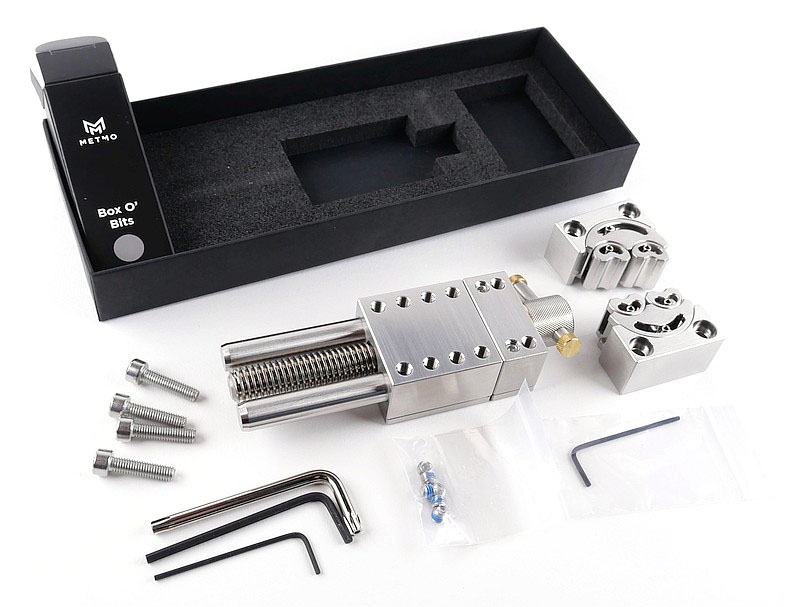
A good look round the Core element, the Fractal Vice – Things to look out for here are:
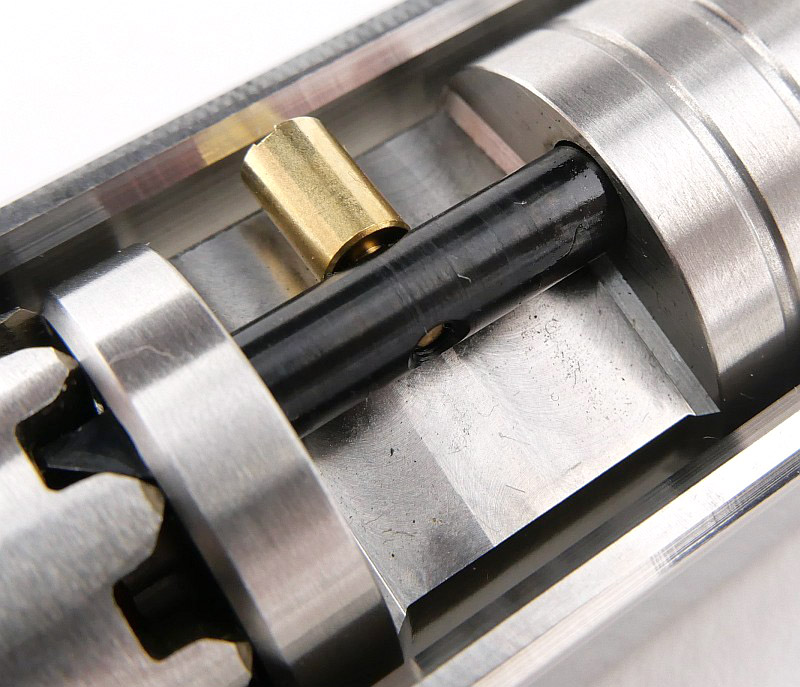
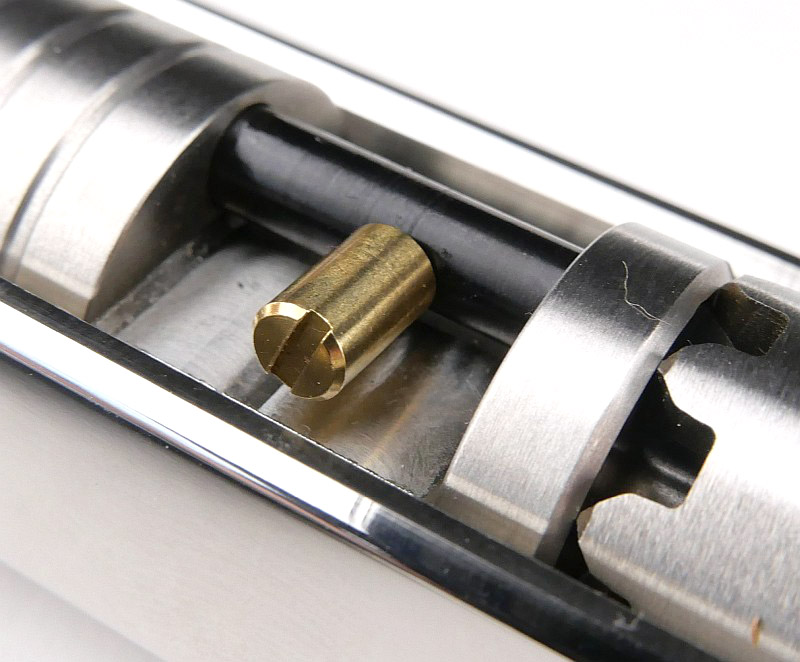
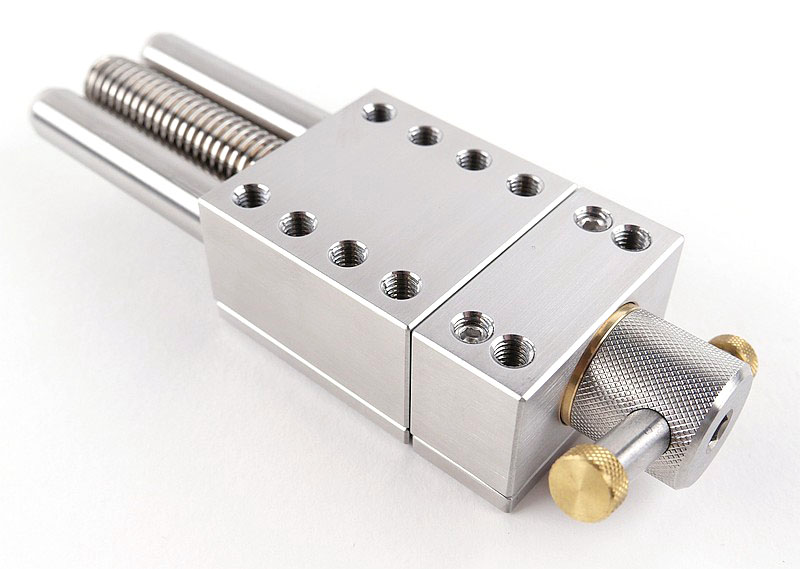
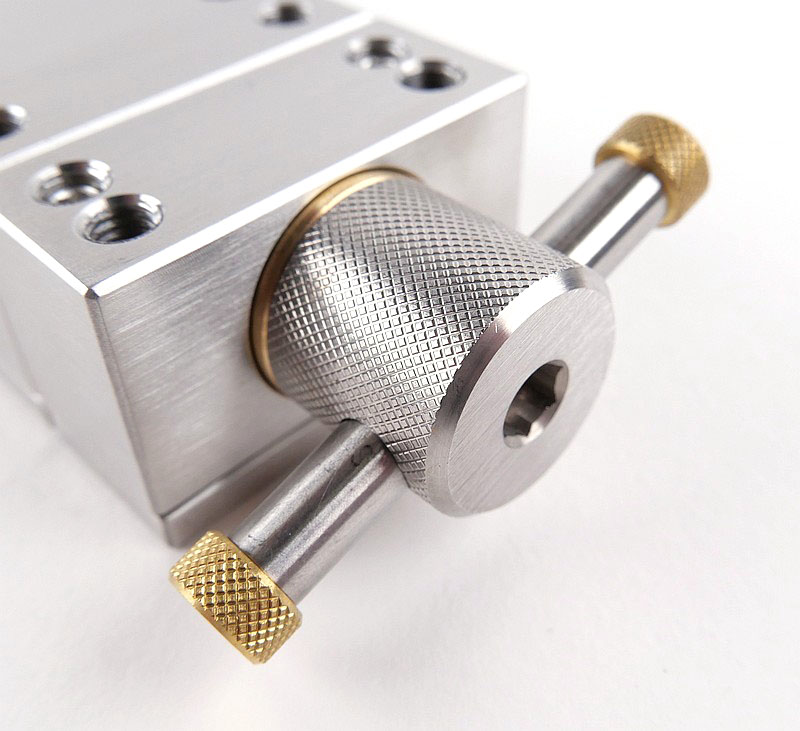
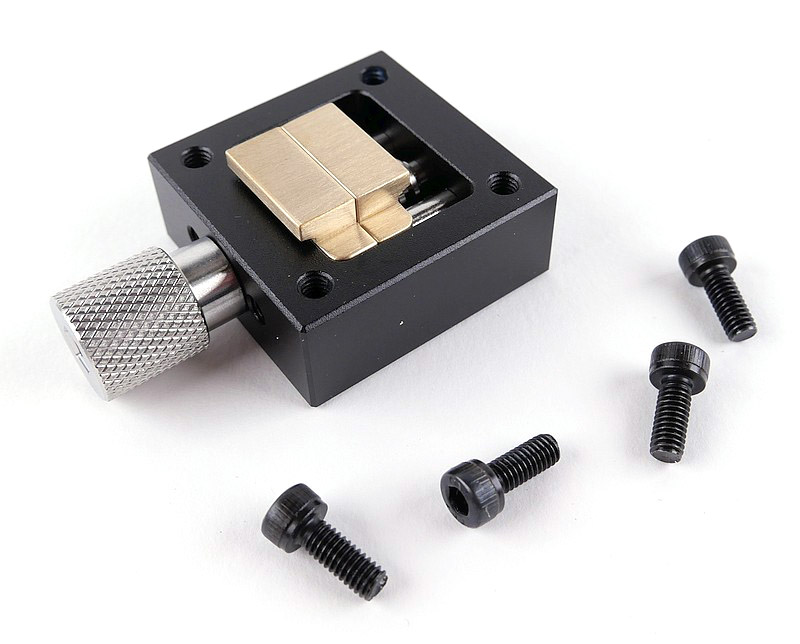
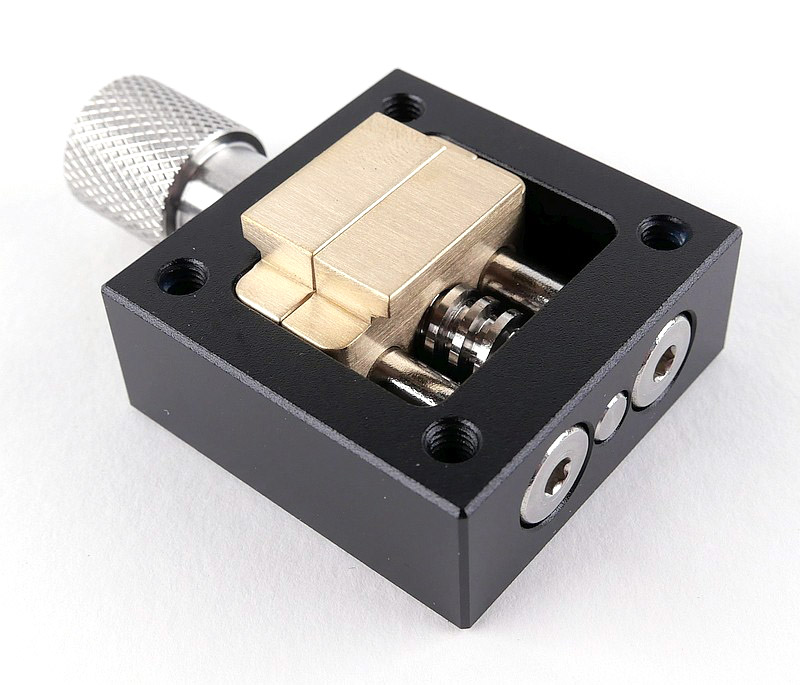
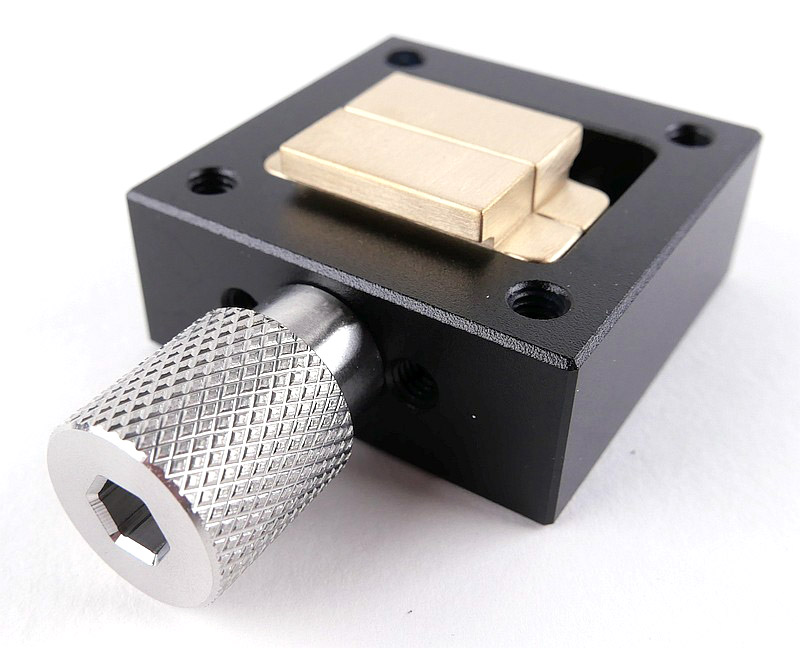
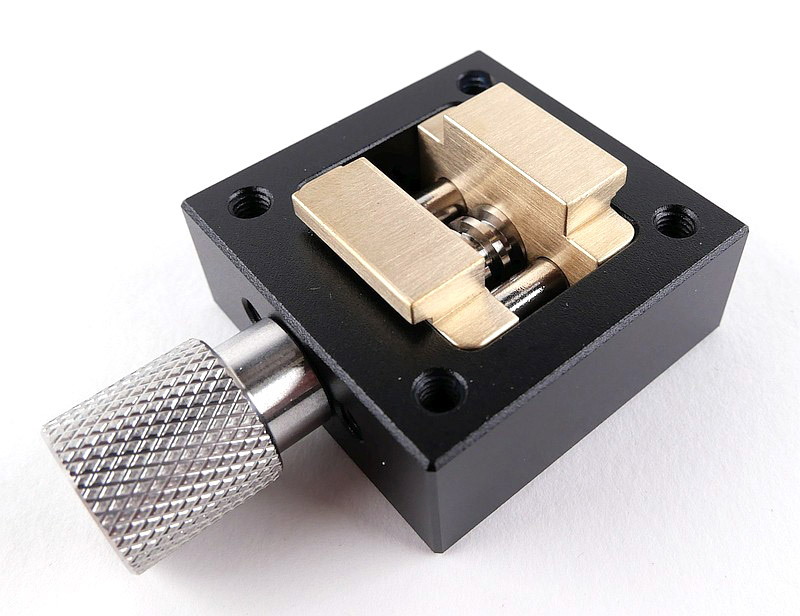
Now it’s time to really take in everything about each of the main parts. Starting with the base we can pick up on those brass highlights; the caps on the handle, as well as the main screw bushing.
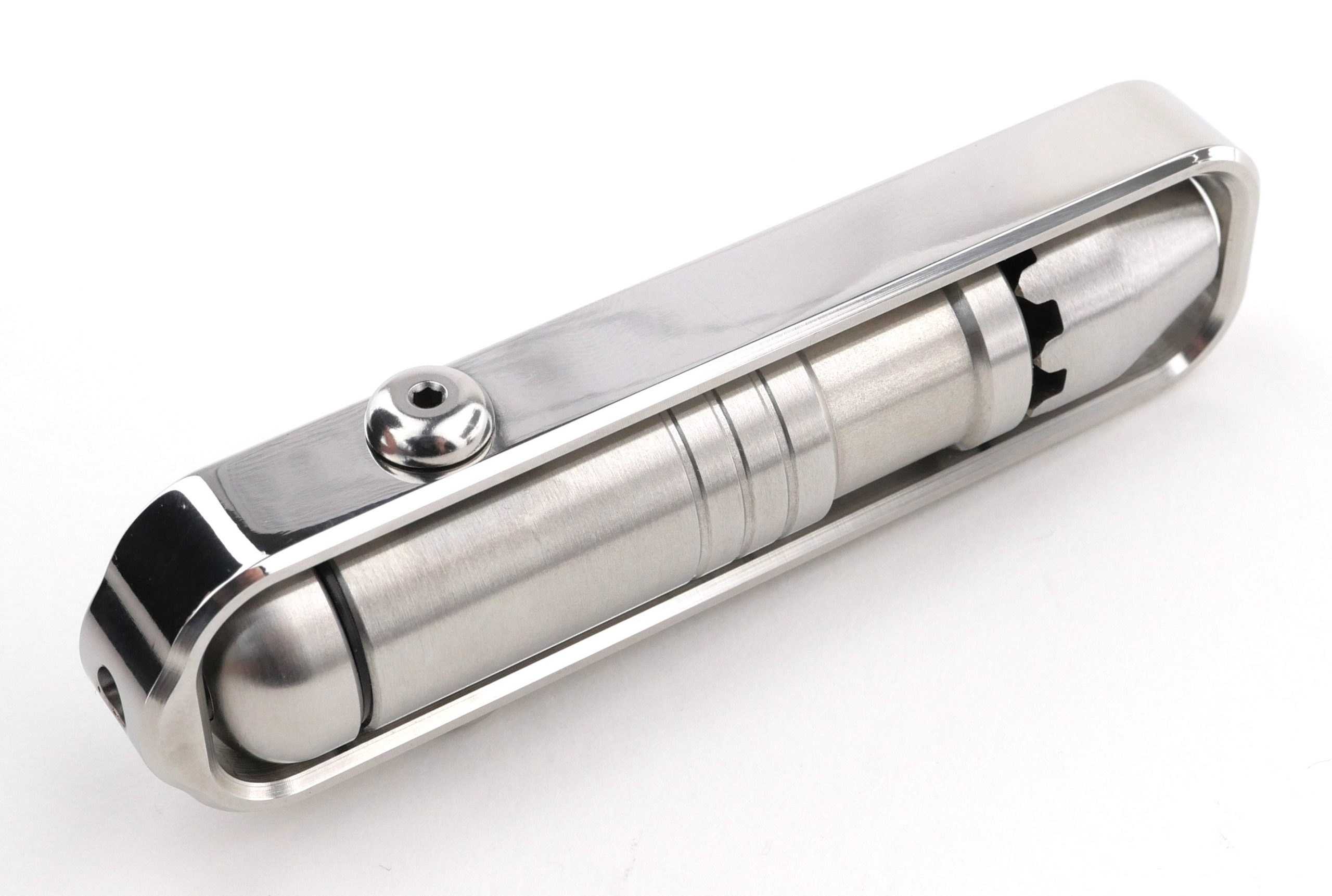
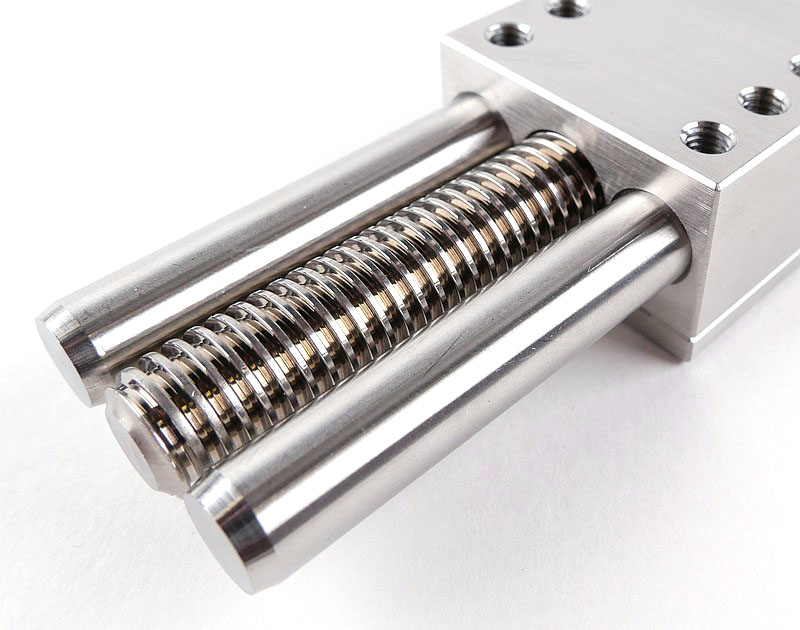
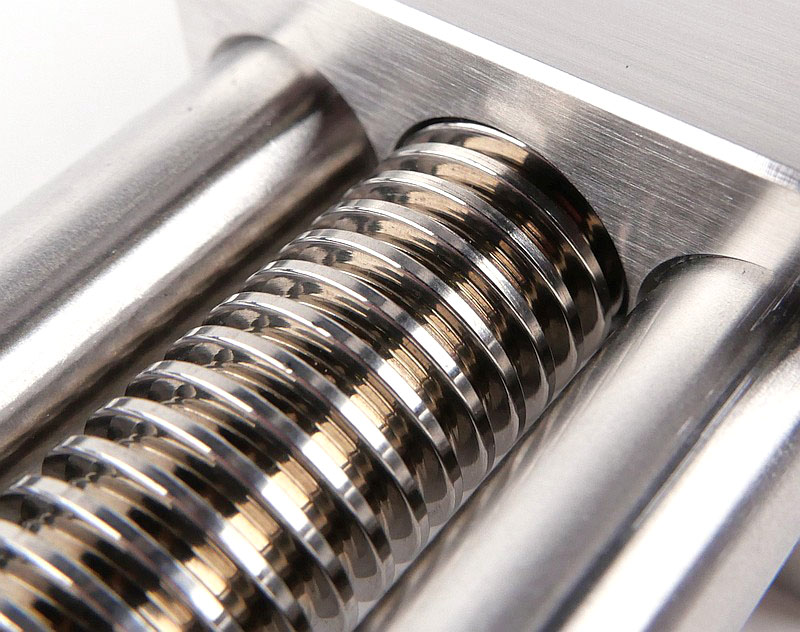
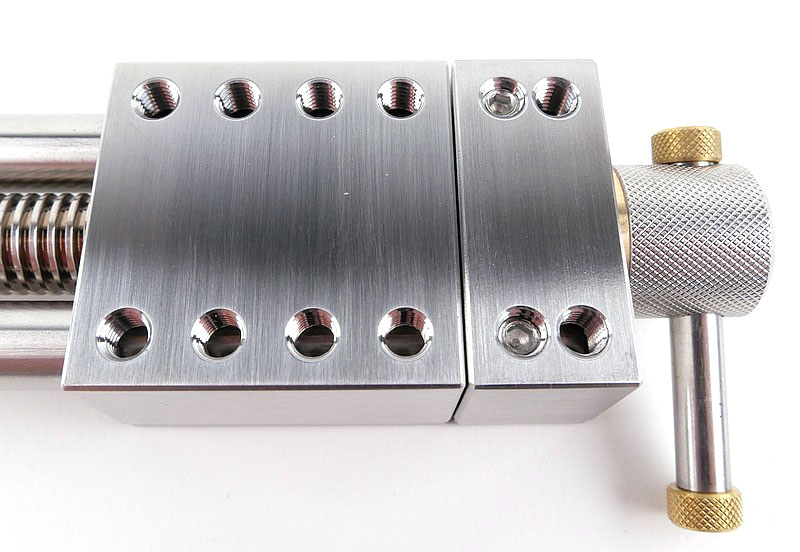
The gleaming screw thread sitting between the substantial guide rods. For the front jaw there is one usable mounting point as the other holes have the guide rod retaining grub screws. The base then has four possible mounting positions for the rear jaw.
Underneath the base is a plate with inset rubber pad (more on that later).
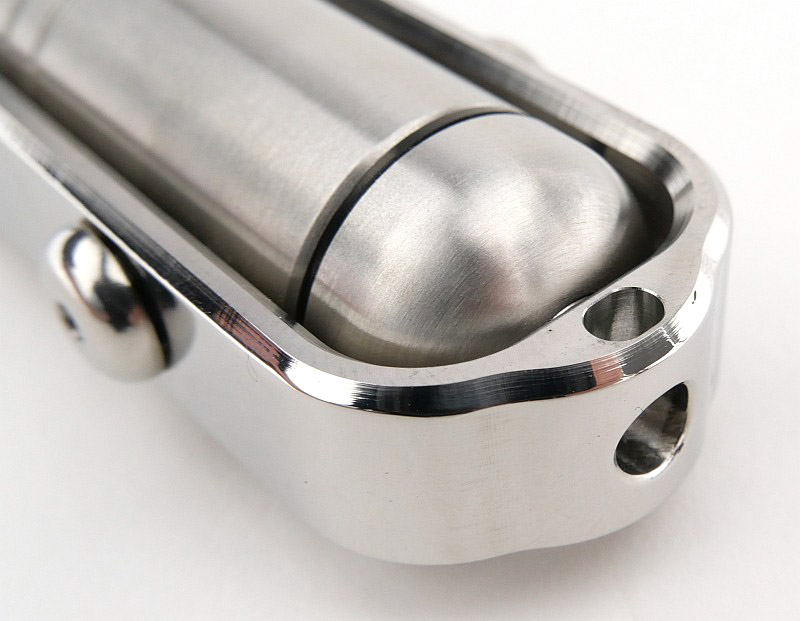
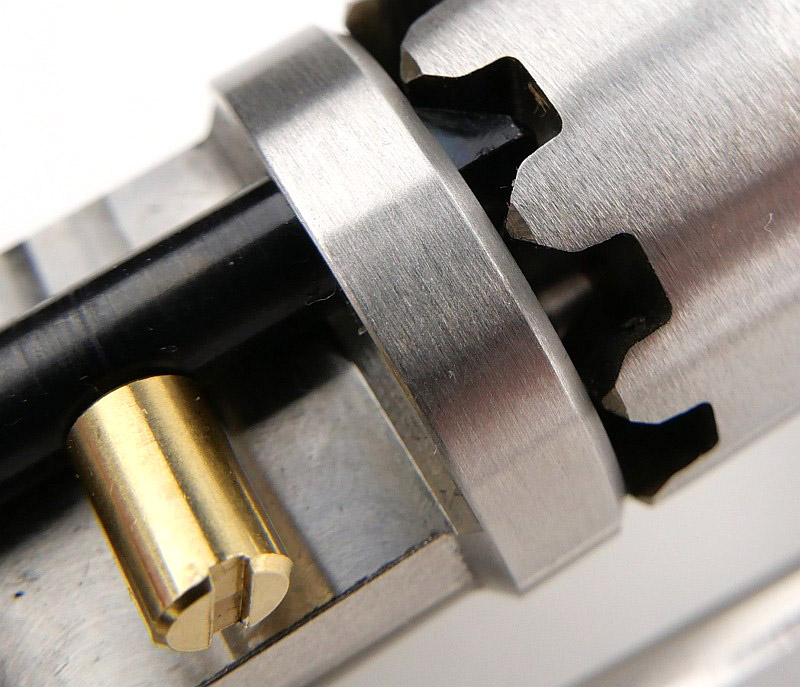
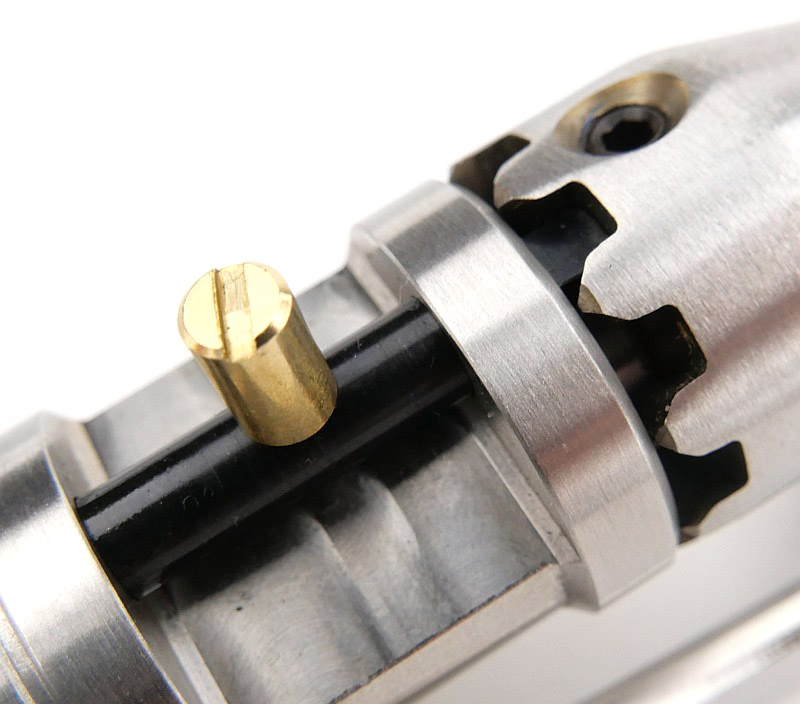
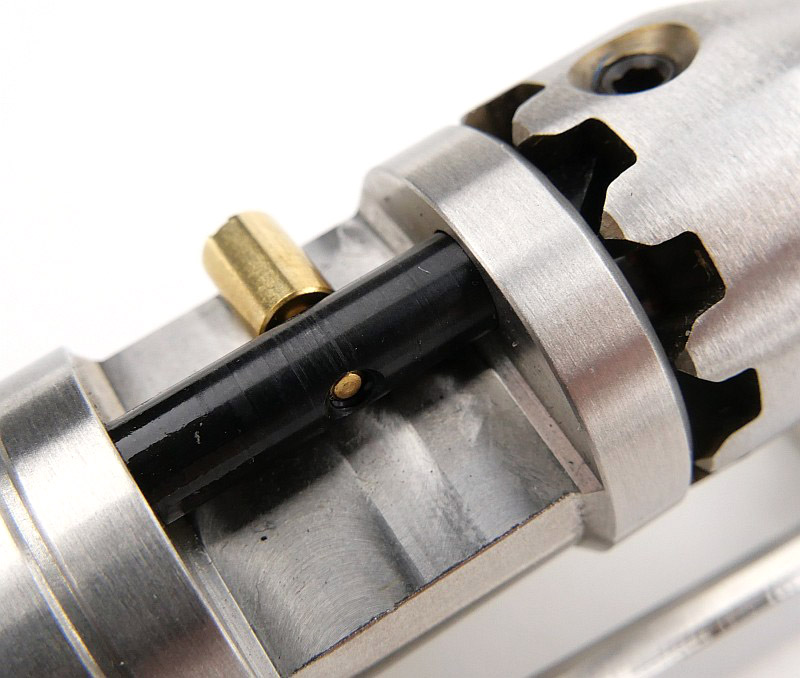
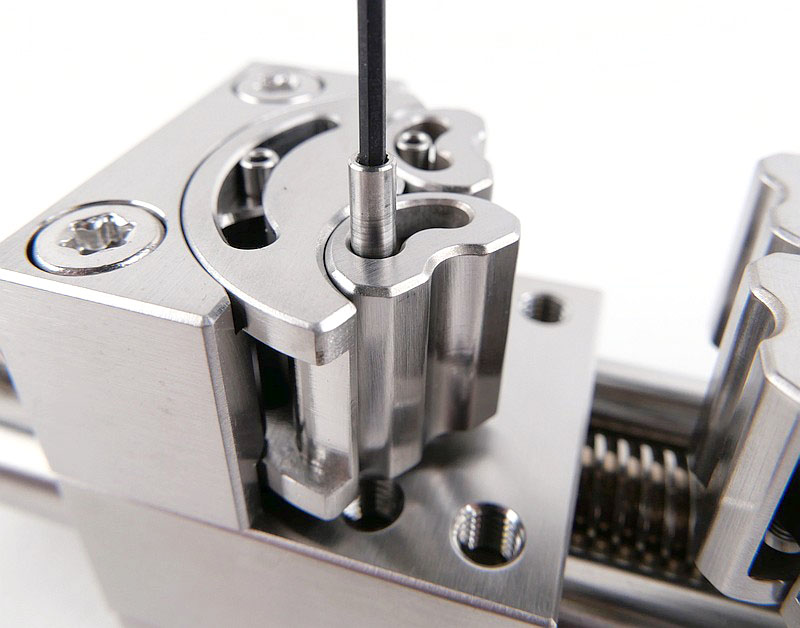
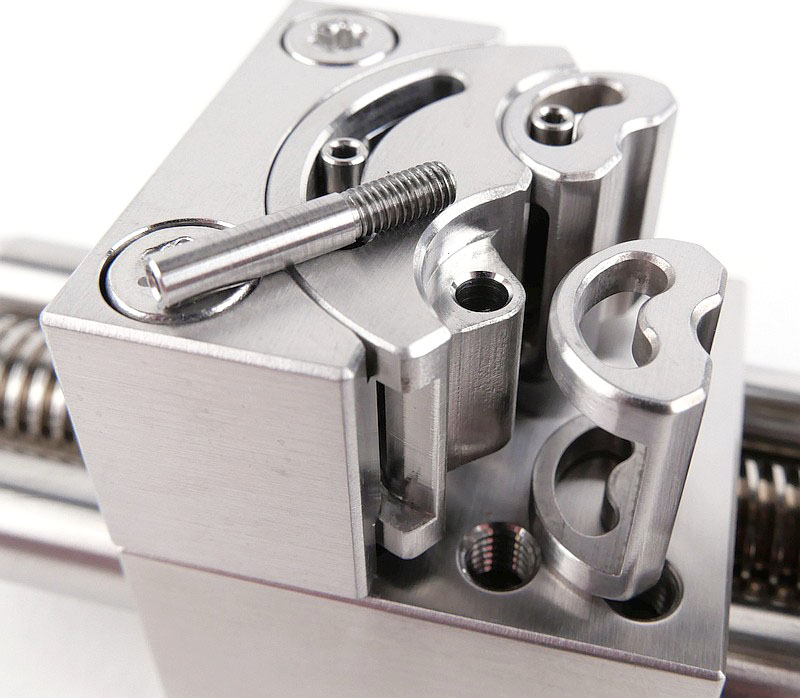
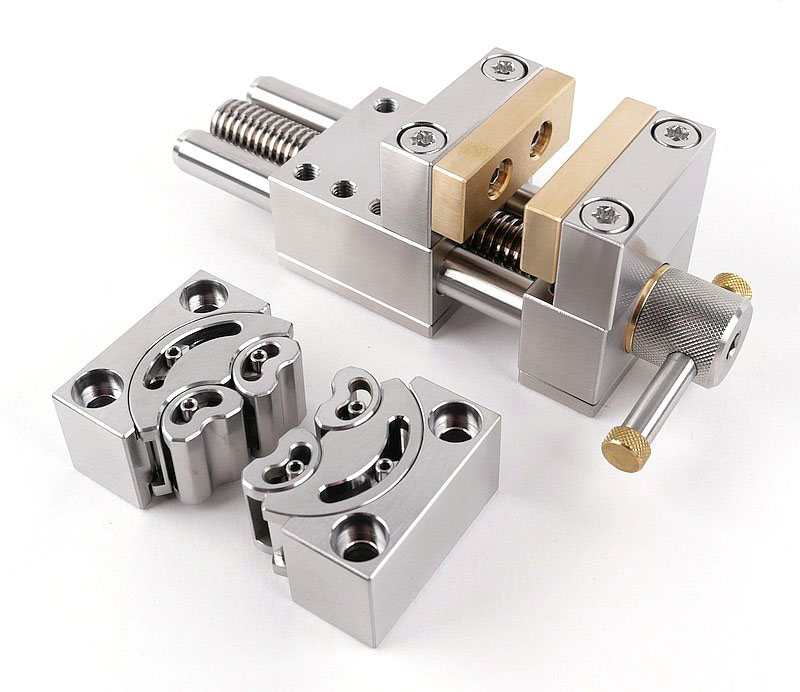
And now the magic that is the Fractal jaws themselves. Remember to watch the review videos as well to see these in motion. Here we can just admire the mechanism and see the extreme position the jaws can move to, as well as anywhere in between. As a last step the jaws are shown being fitted.
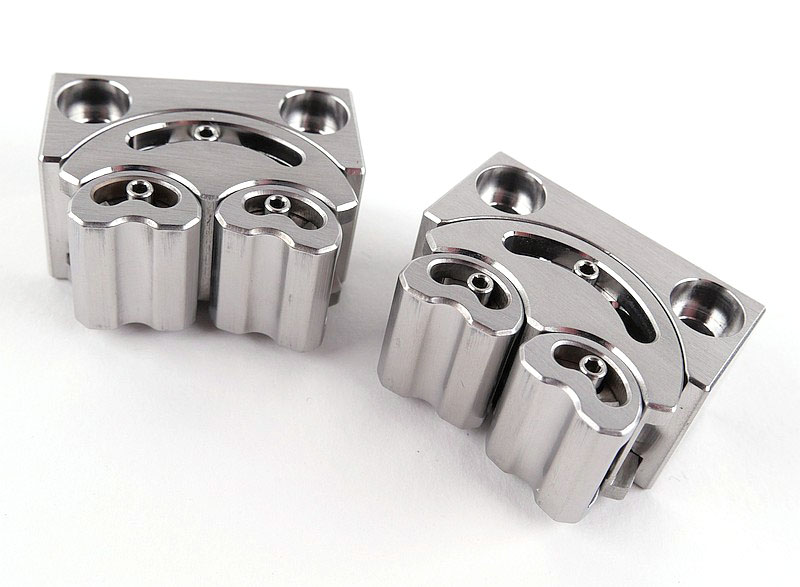

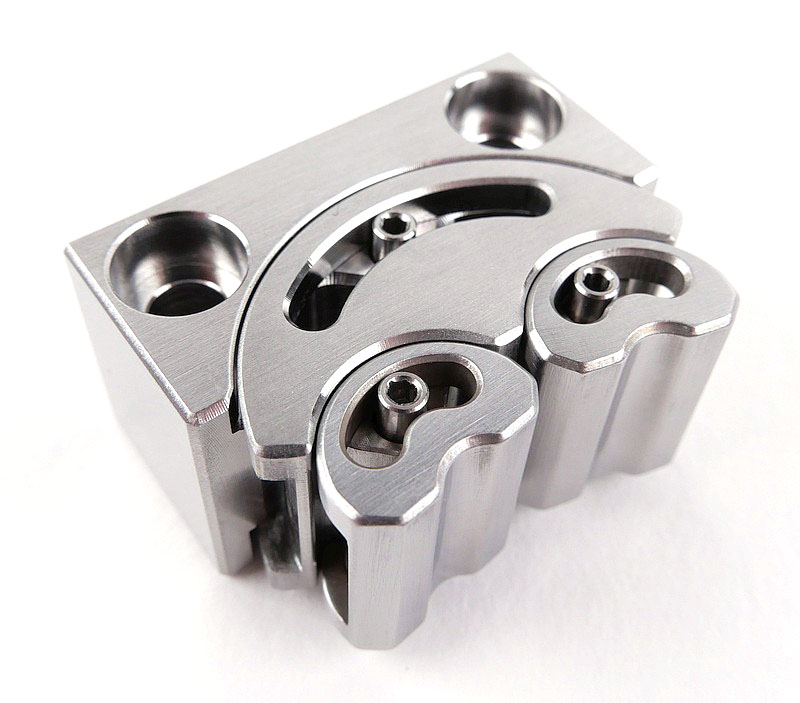
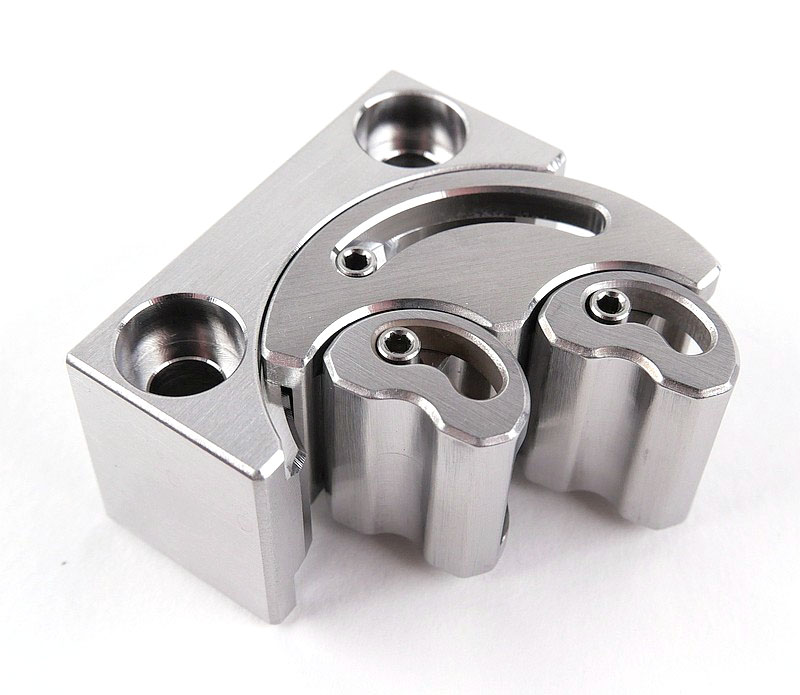
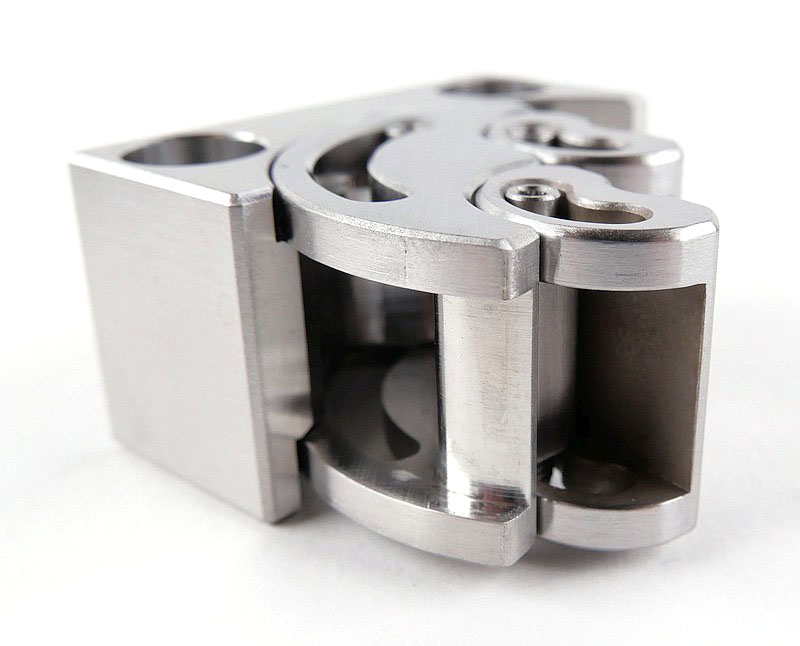
A good look round the Fractal Jaw Options – Things to look out for here are:
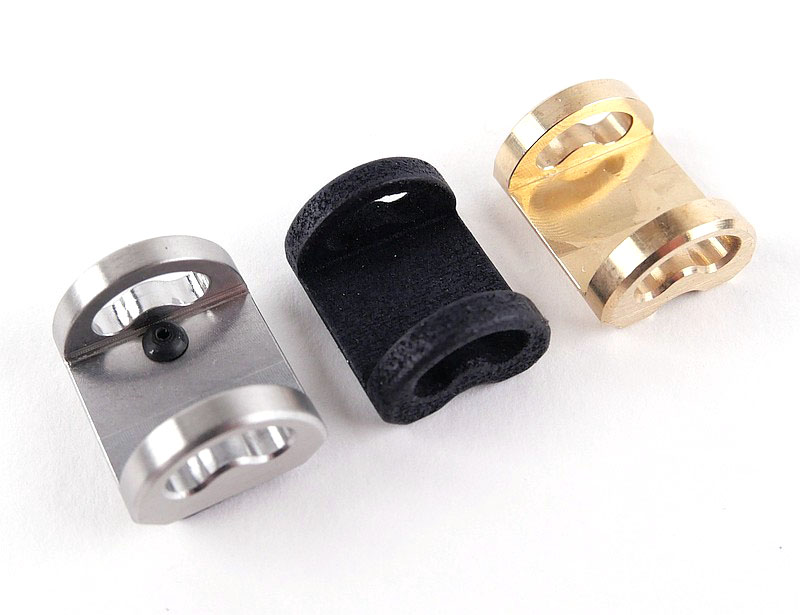
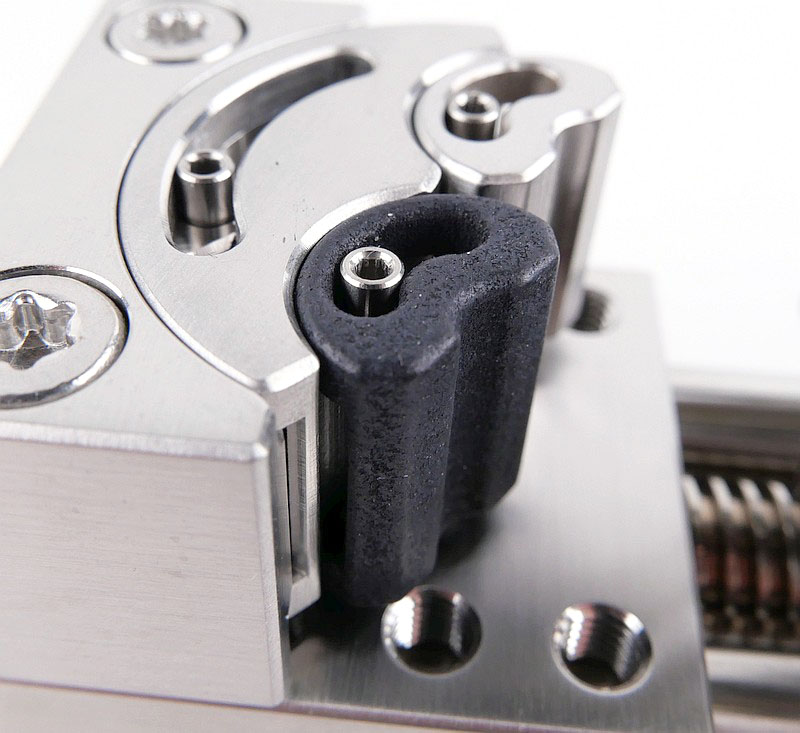
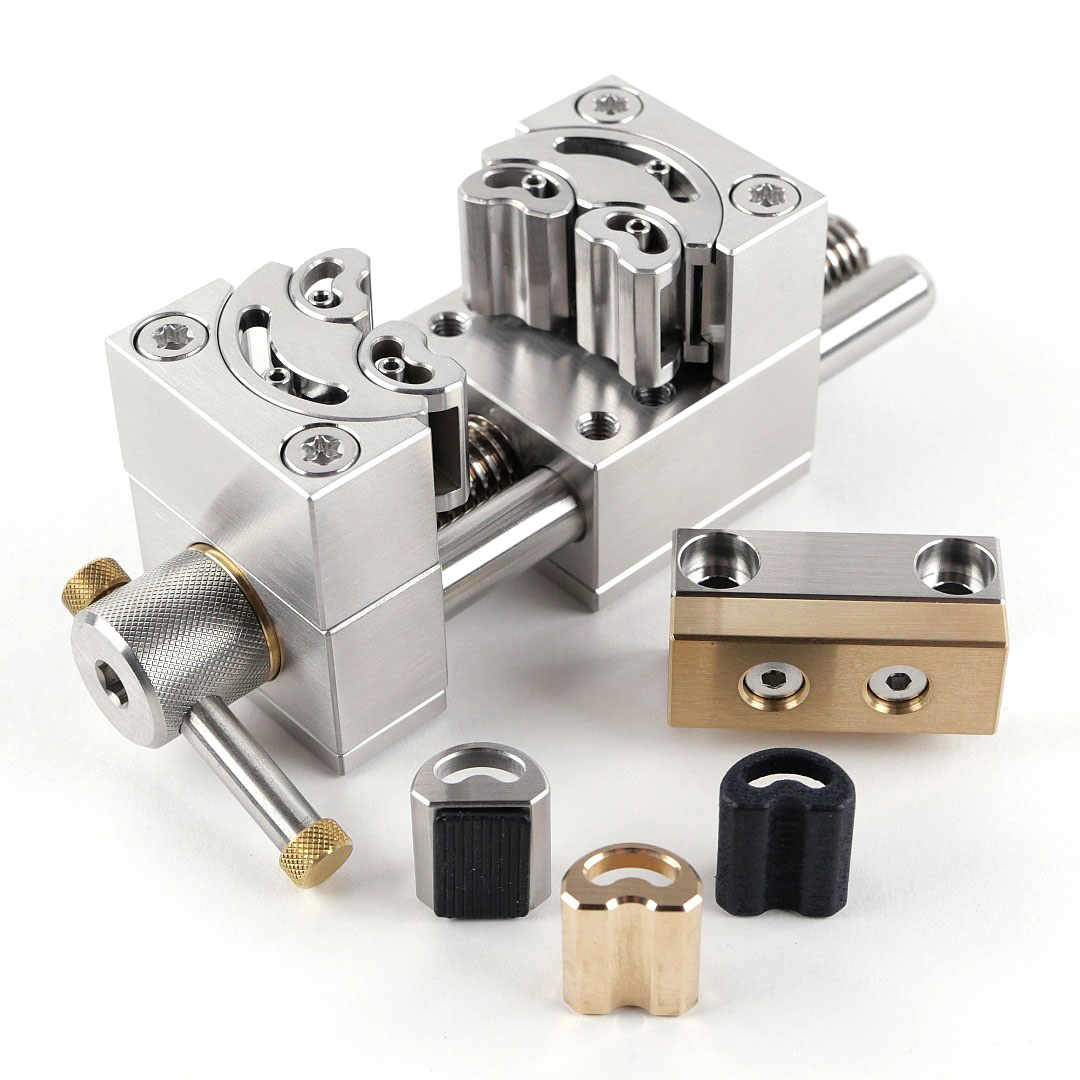
Jaws – not the shark, or even a Bond villain, but a variety of optional jaws for the Fractal vice to take its versatility to yet another level. The standard vice has plain stainless steel jaws. The clamping surface is smooth so generally safe to use for most work pieces, but you might then want to use masking tape or something else to protect the work piece.
But given the range of jaws MetMo offer, you need not worry. The three additional fractal jaw types are a black nylon jaw, a brass jaw, and a rubber lined steel jaw. Each of these lets you match the jaw to the work piece.
Fitting the fractal jaws is a simple process of removing a pin bolt and swapping the jaw before replacing the pin bolt. You can mix and match or keep them all the same.
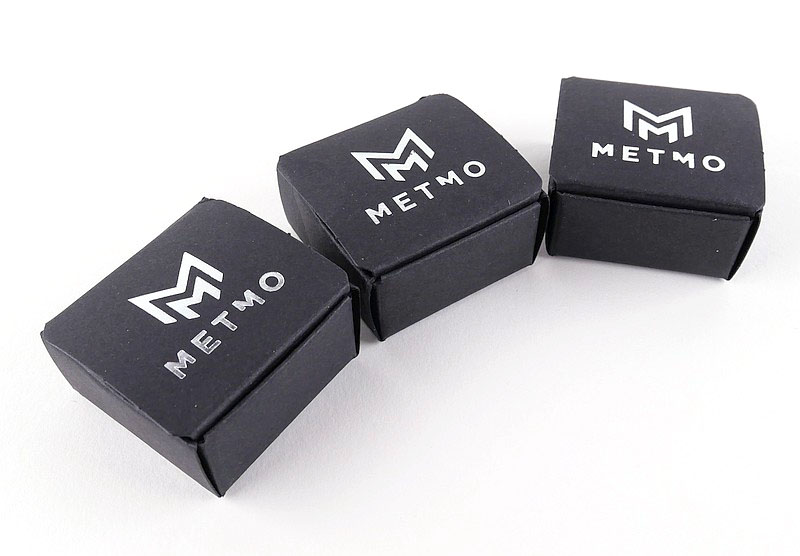
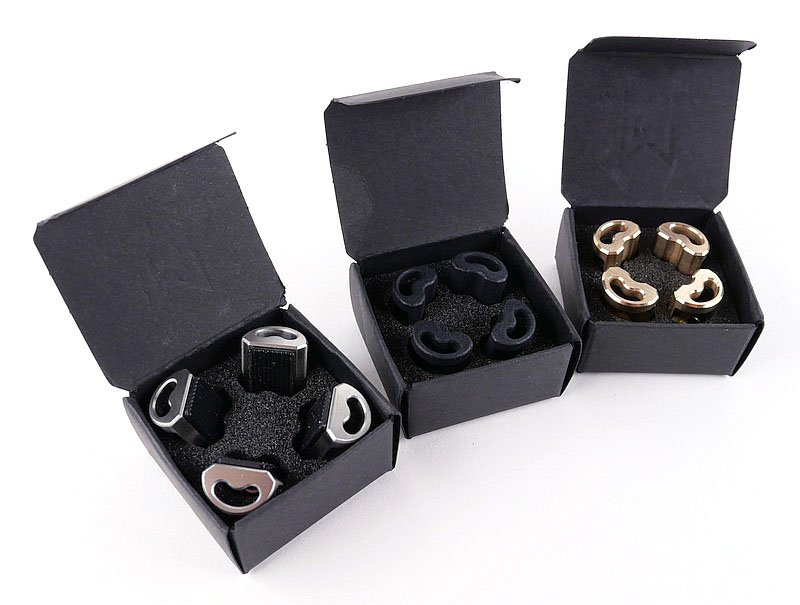
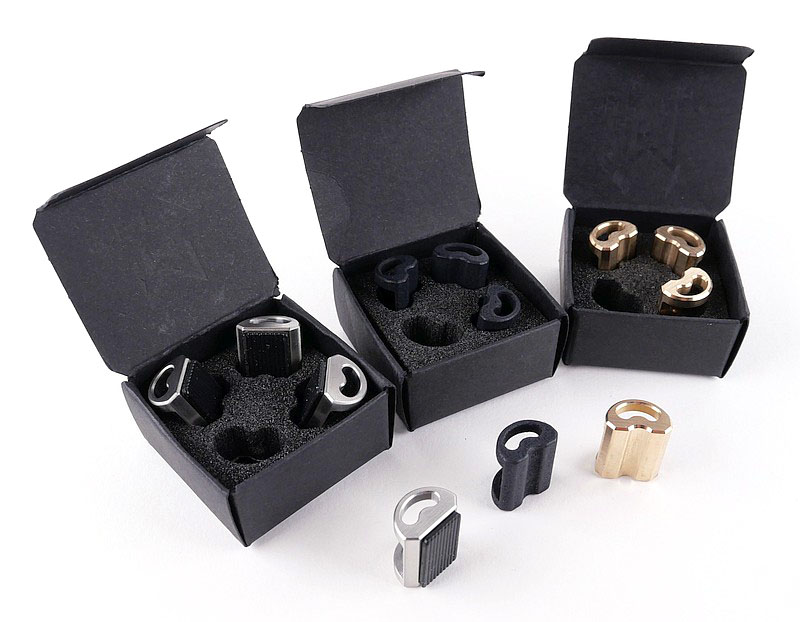
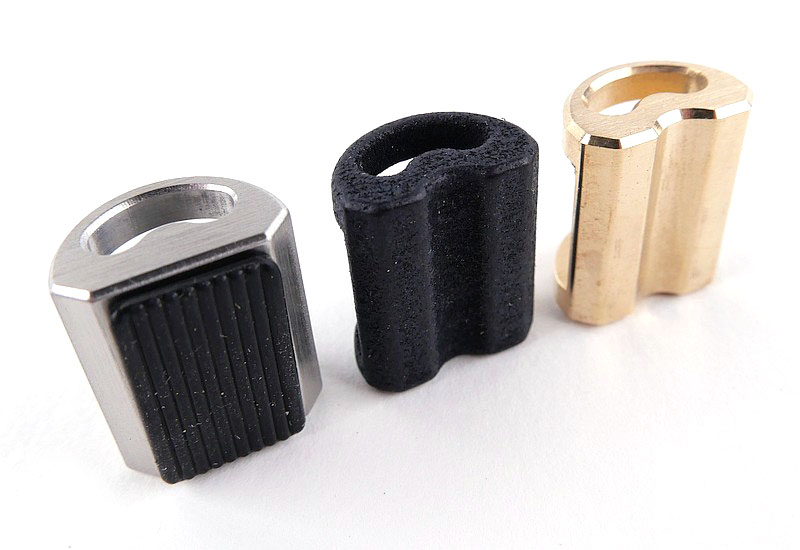
A good look round the Parallel Soft Jaws – Things to look out for here are:
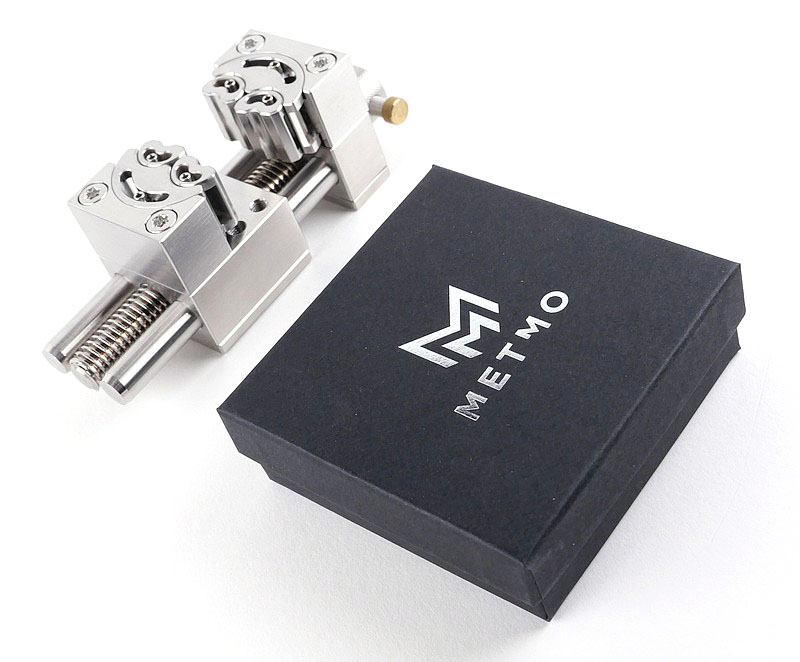
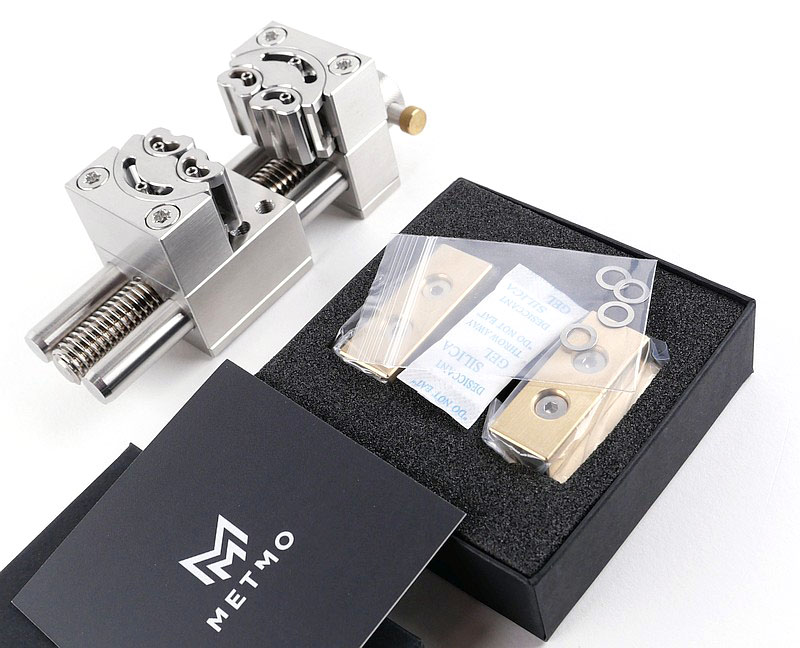
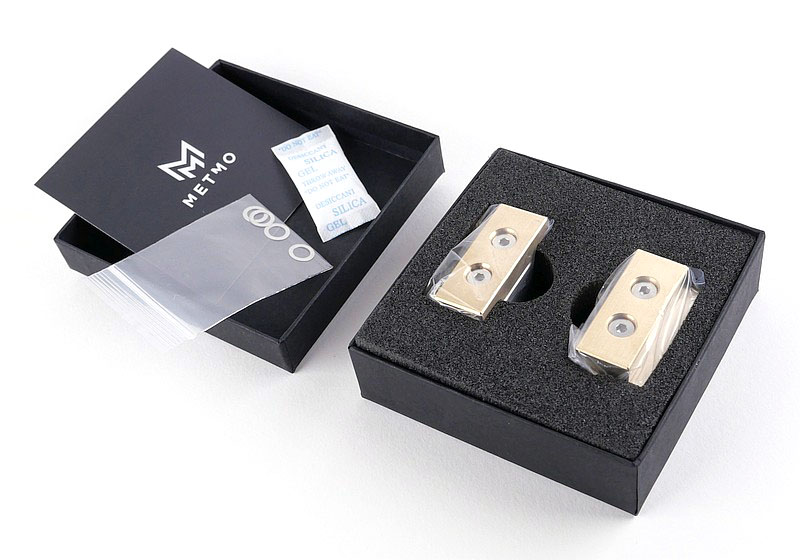
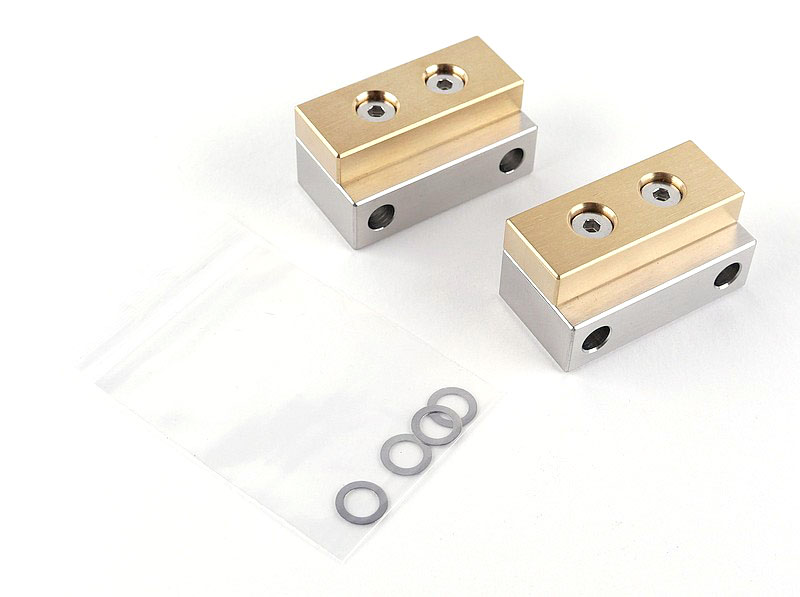
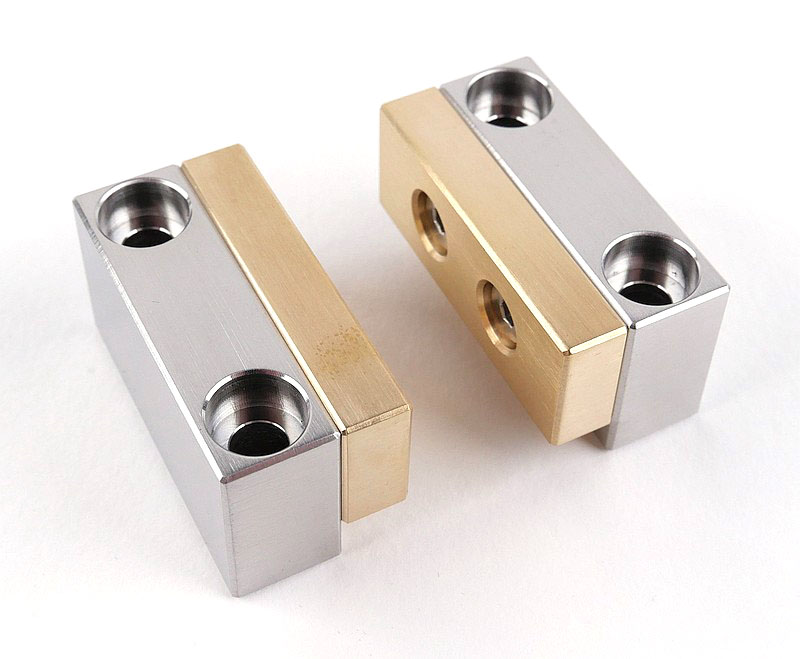
Jaws II – no, not a movie sequel, but the MetMo Parallel Soft jaws for the fractal vice. Although fitting these jaws means the vice is no longer ‘fractal’. ‘Soft’ is all relative; typically brass jaws or tools are used to prevent marring of harder metals when clamping or working them, so these precision parallel jaws to add to your clamping capabilities. Do not overlook the fact that you can use a flat jaw with a fractal jaw if the job is made easier or more stable by doing so.

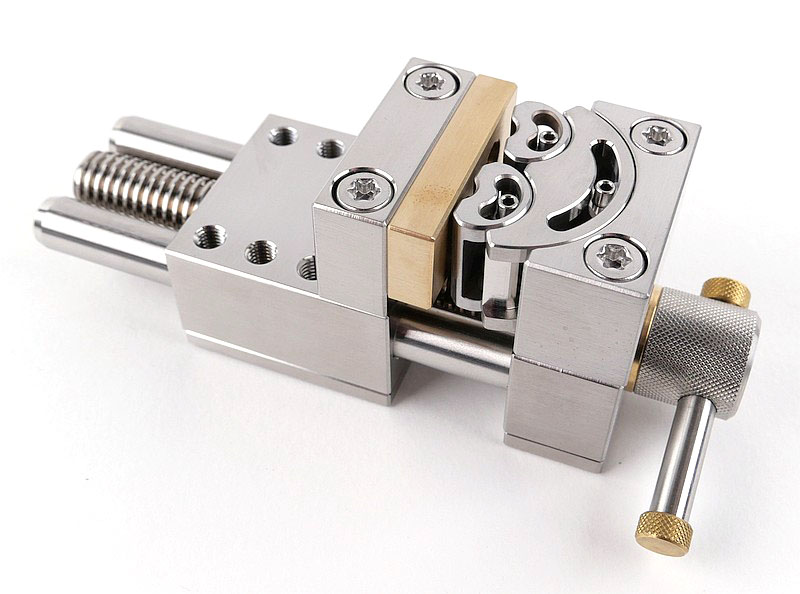
A good look round the Desk Clamp – Things to look out for here are:
MetMo’s Fractal Vise can be used on its own on your desktop. It can be clamped in a larger vice to provide the precise clamping the bigger vice doesn’t have. MetMo also make a workstation base that the vice can be fitted to.
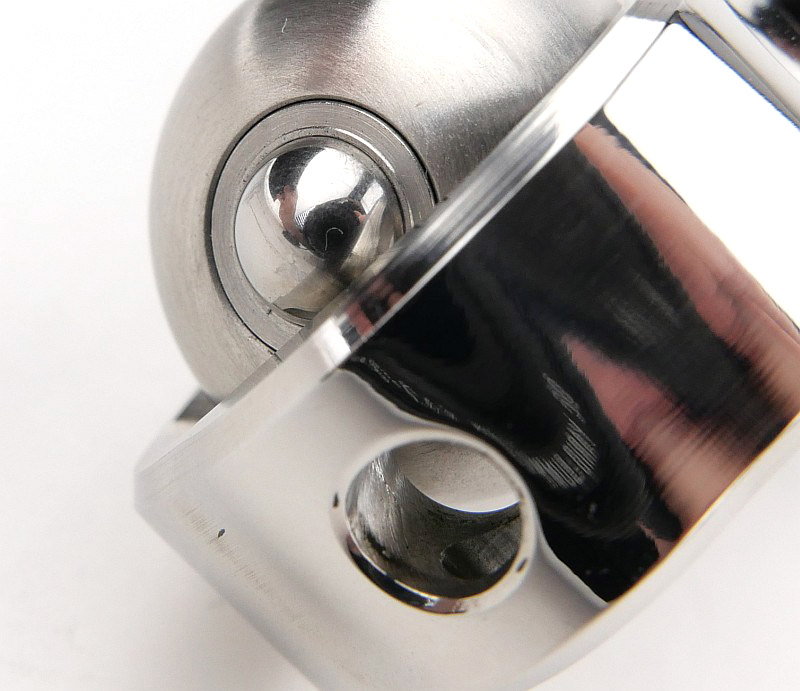
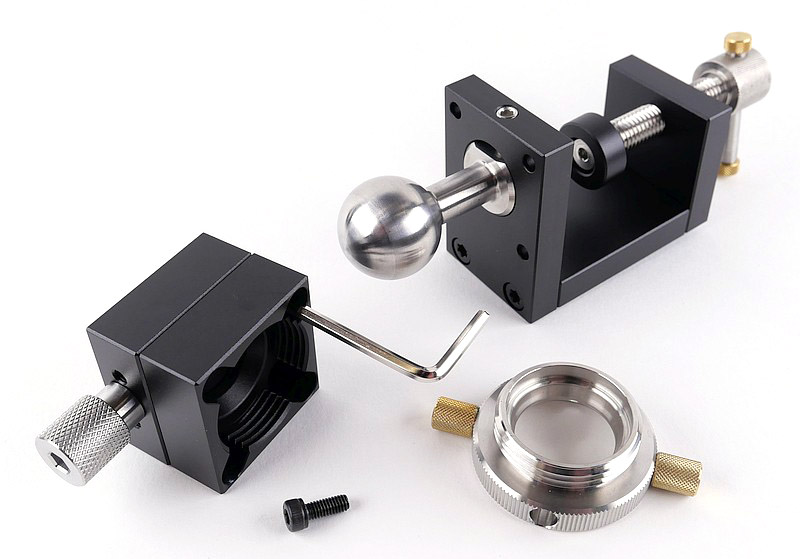
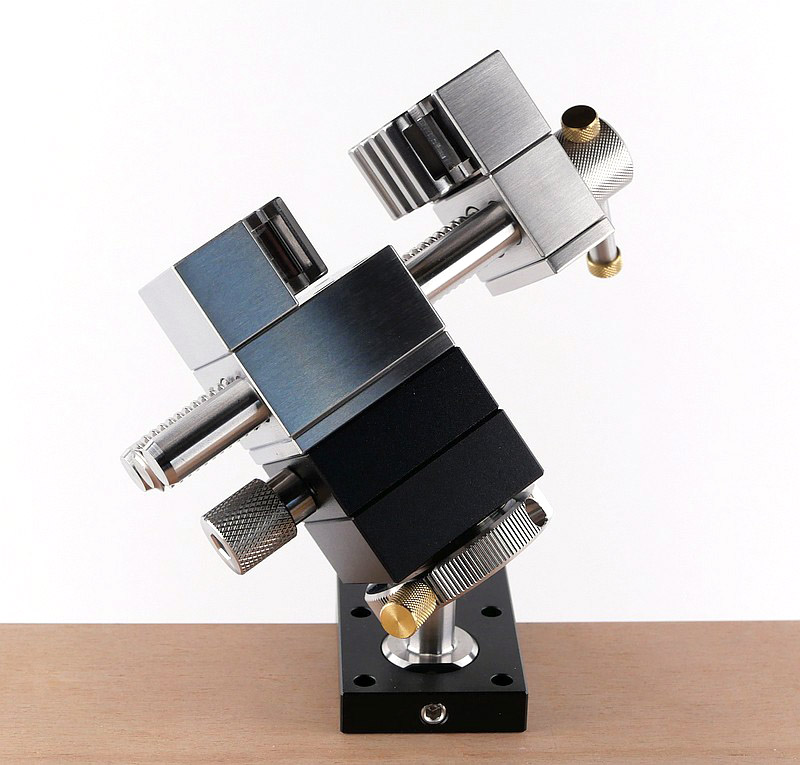
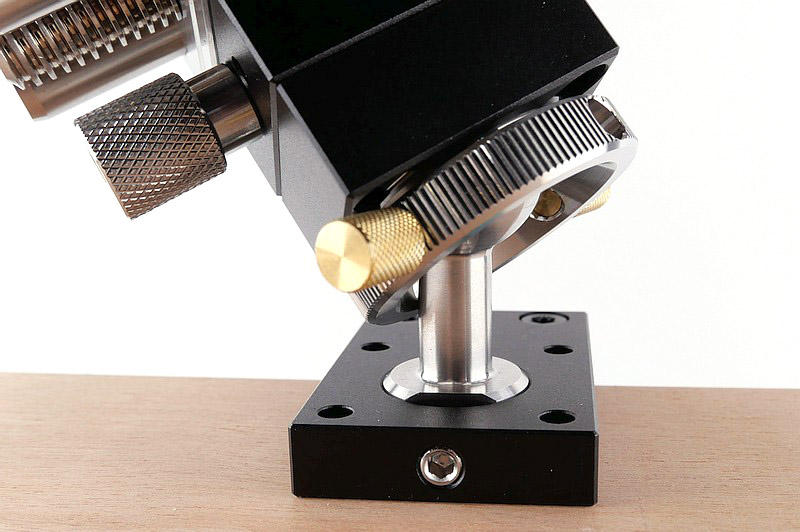
The natural progression from desktop use is to have a table mount, and that is exactly what this is; the MetMo Fractal Vise table mount. Not just any mount, but a ball head mount allowing you to angle and twist the vice to the best position for you. Constant readjustments are simple and easy as you work on the task at hand.



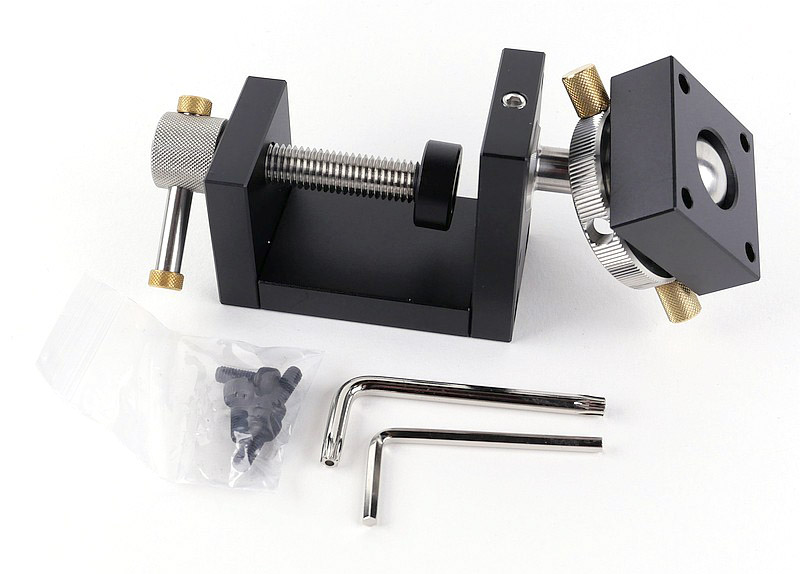
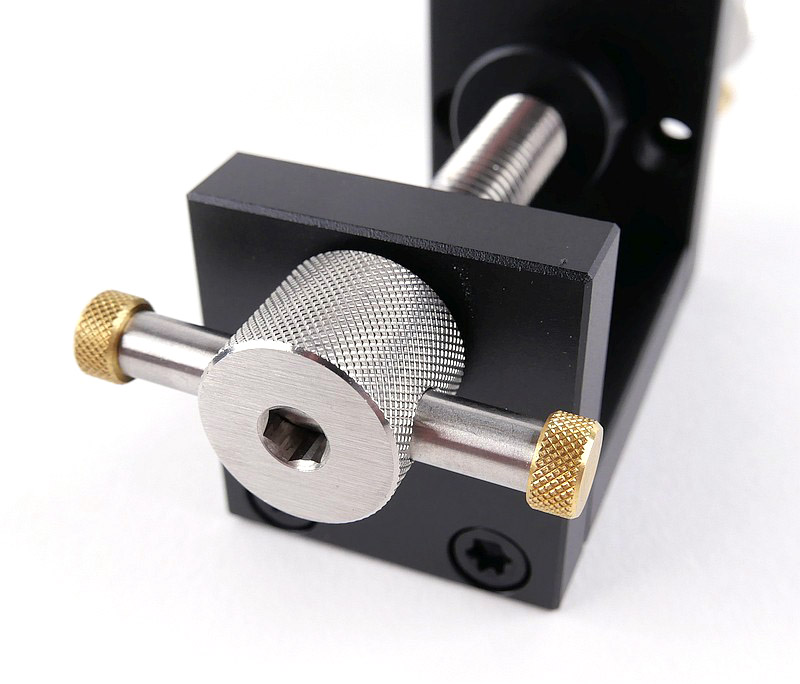
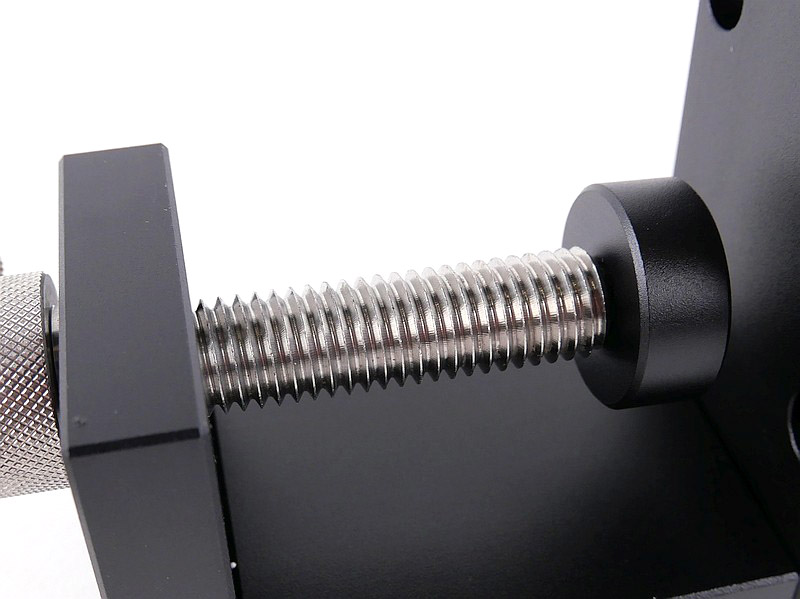
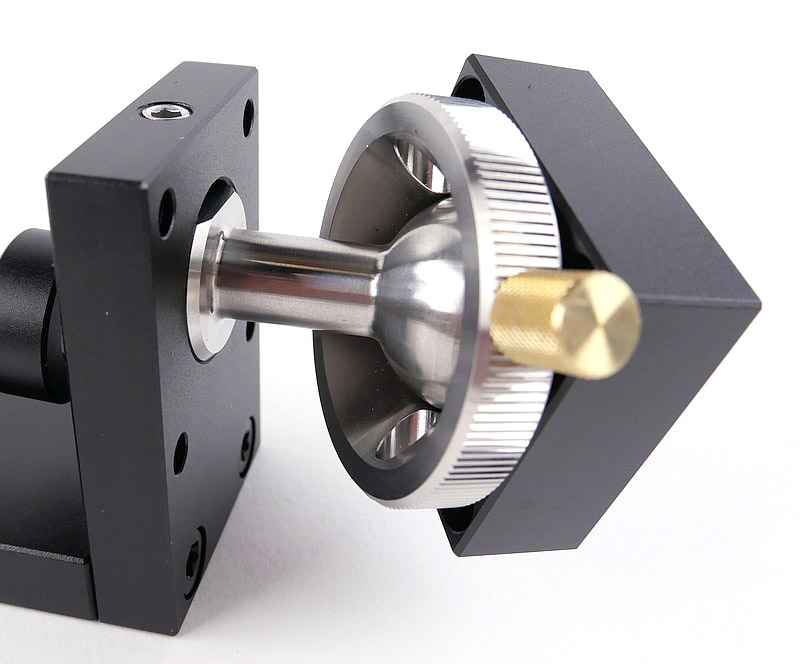
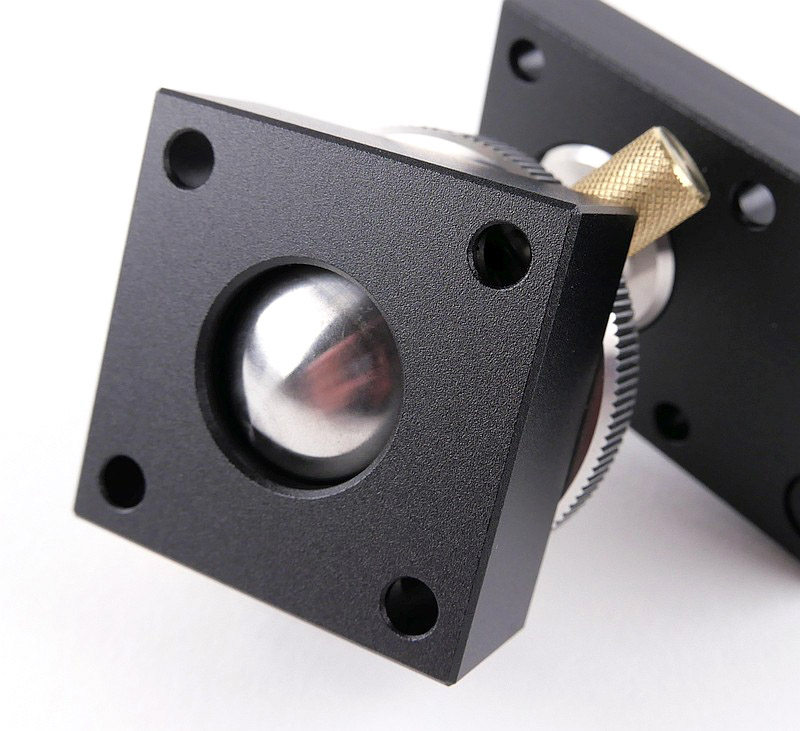
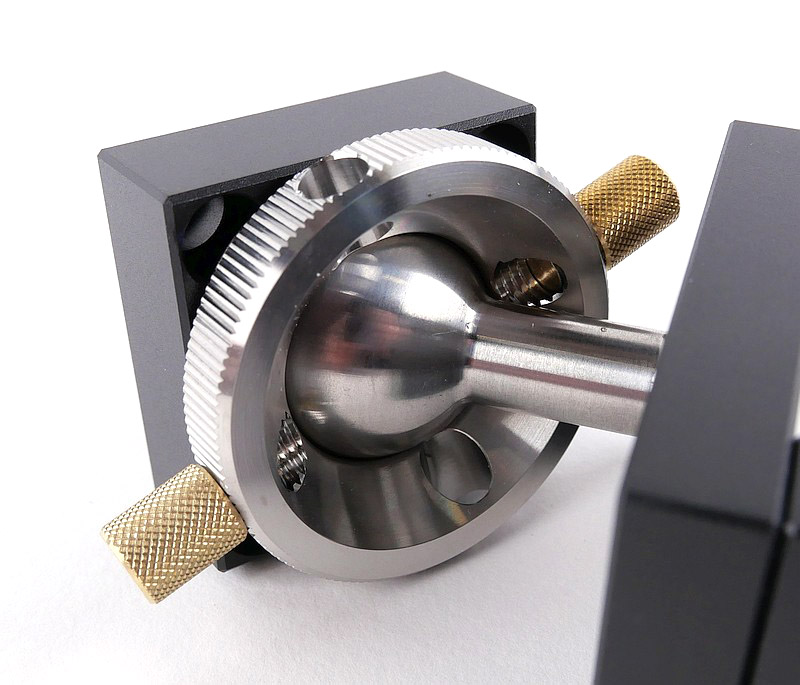
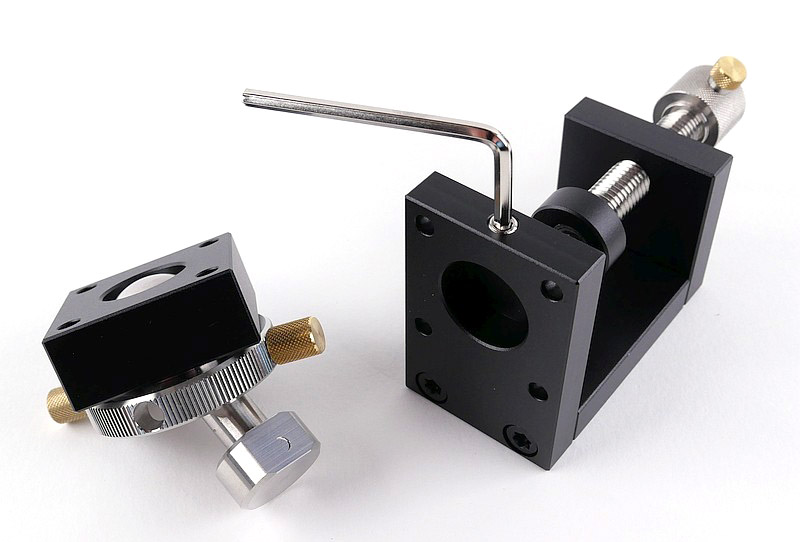
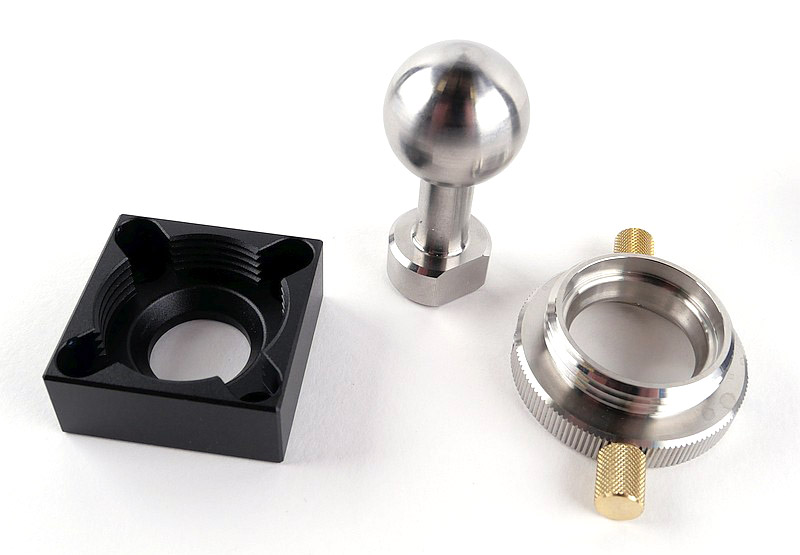
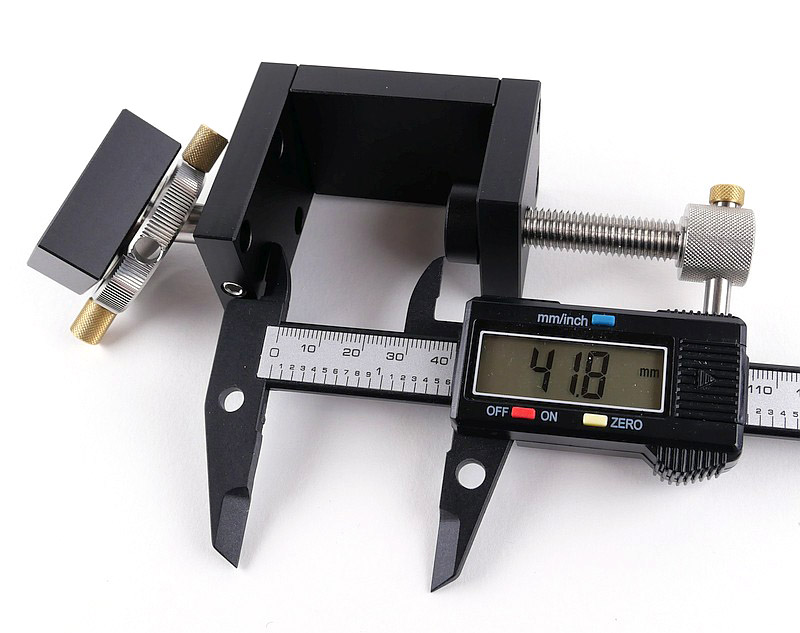
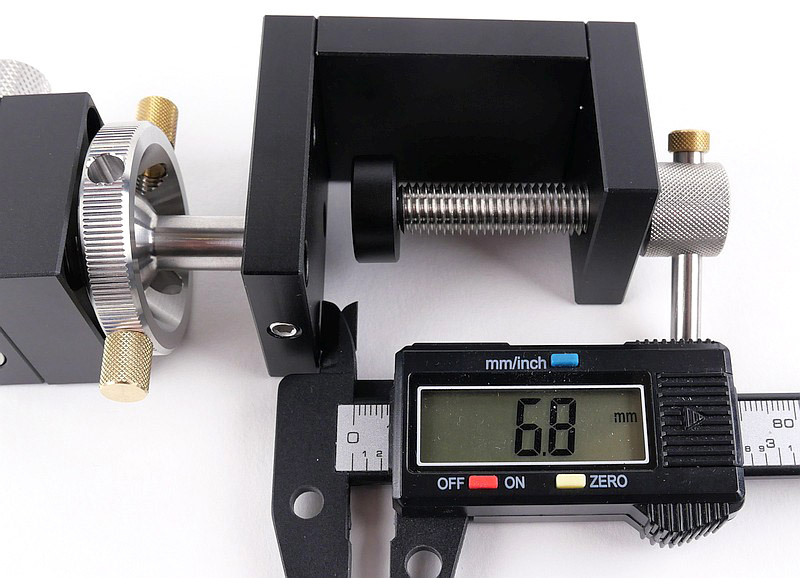
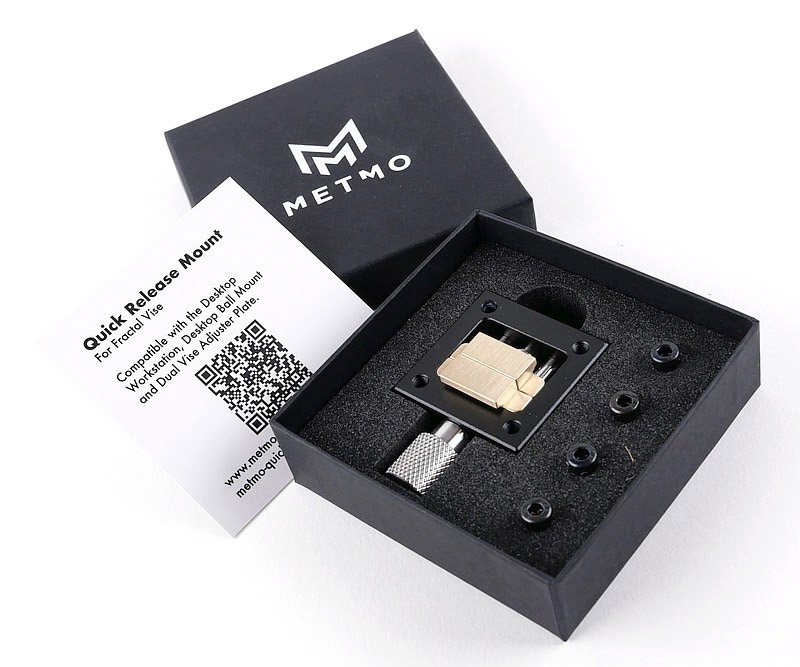
A good look round the Quick Release Mount – Things to look out for here are:
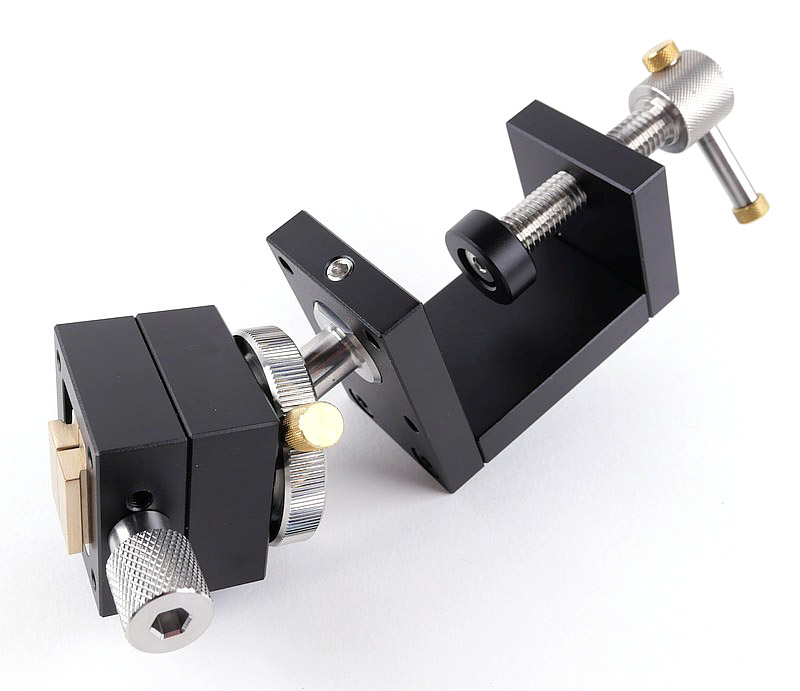
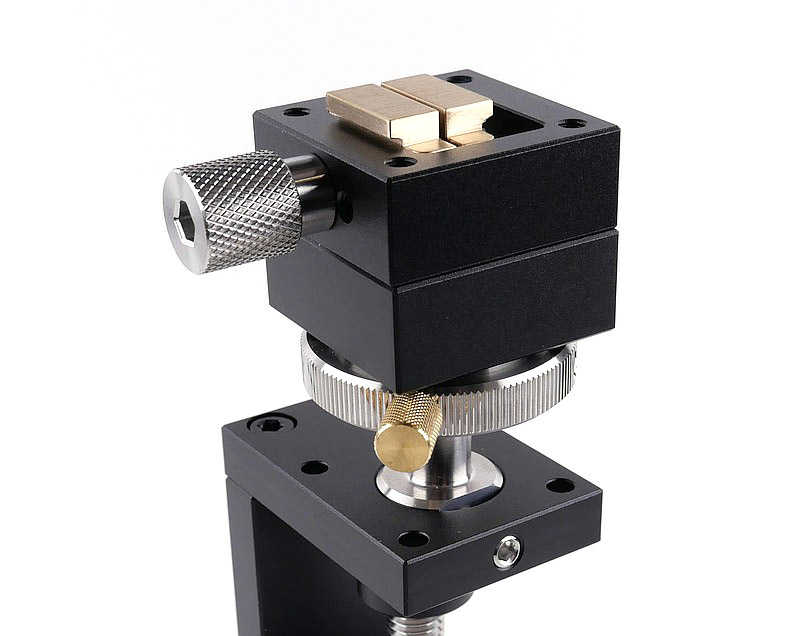
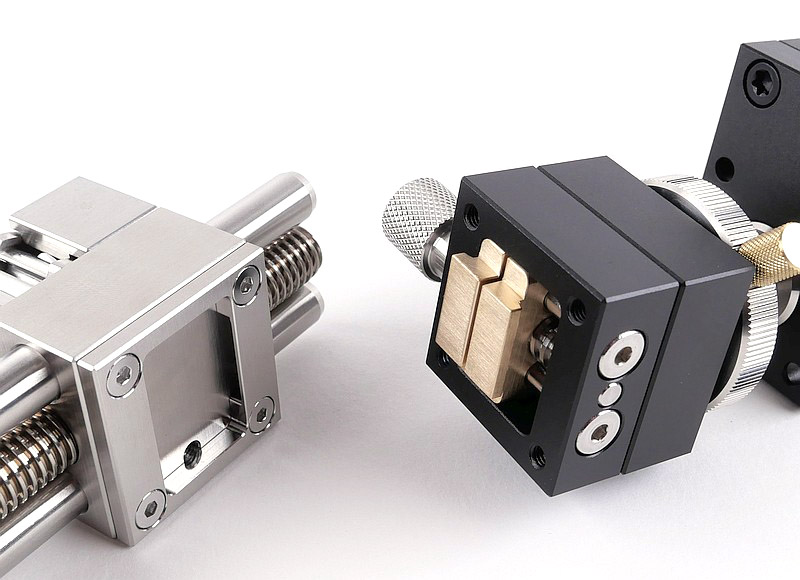
You could argue that this is simply essential and not optional; OK, you ‘can’ fit the vice directly to the Desk clamp mount using four bolts. You can then disassemble this and use the vice separately, and reattach it to the desk clamp when needed. But with the Quick Release Mount, this is achieved with a couple of twists of the knurled adjuster; locking the fractal vise in place securely, or releasing it to use elsewhere. It is really one of those ‘why wouldn’t you’ accessories. Solid construction, and using brass, non-marring jaws, to grip the base of the fractal vice.
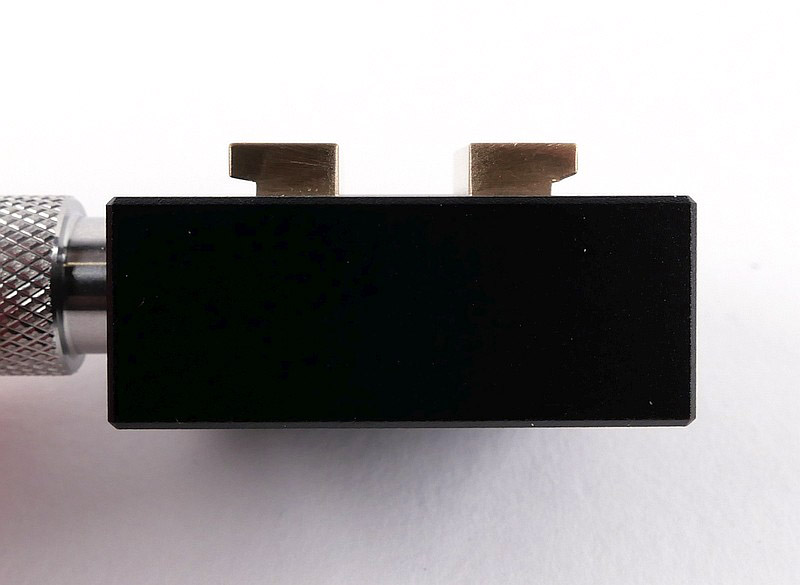

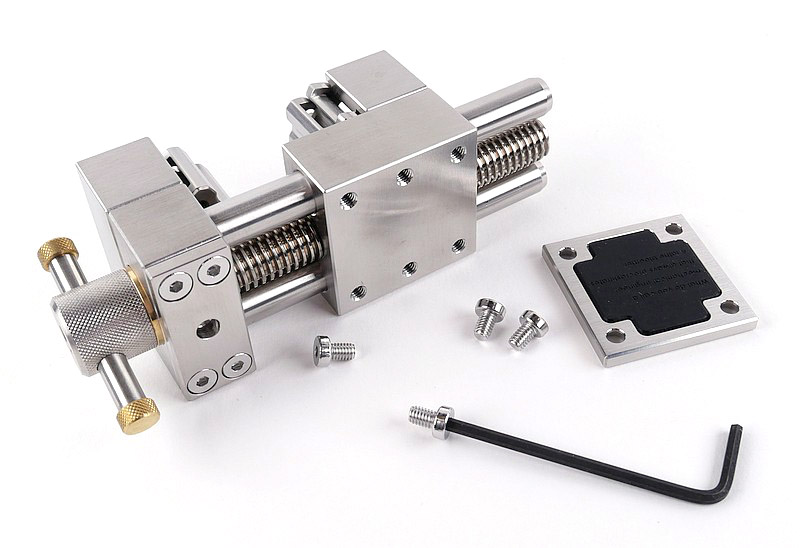

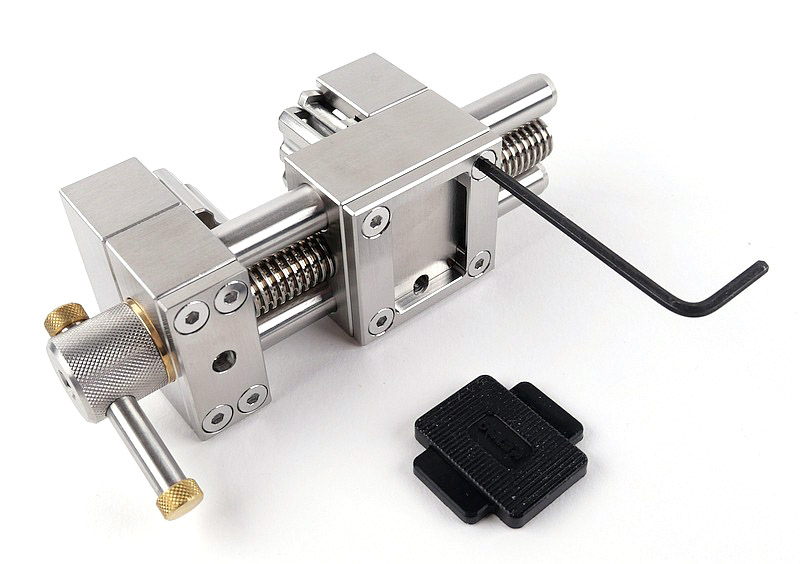
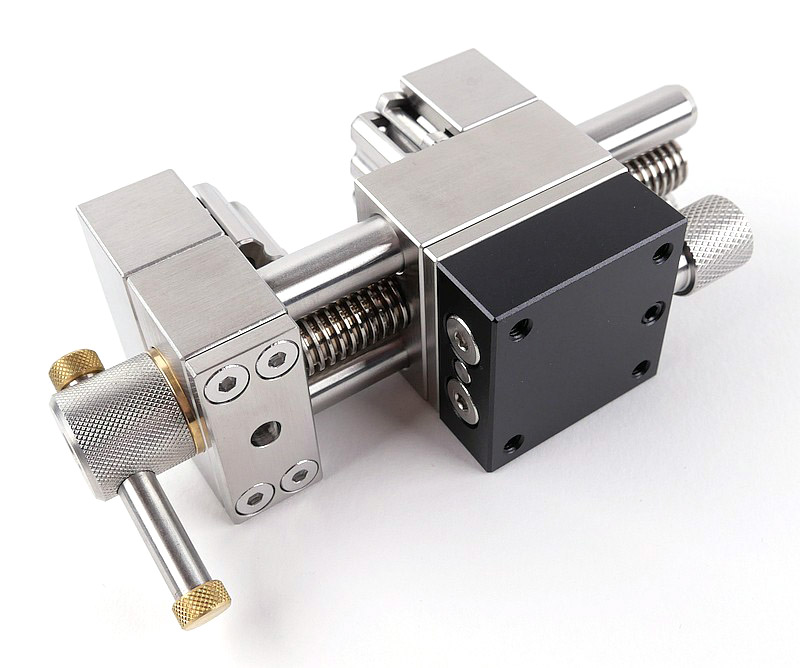
A good look round Everything Assembled – Things to look out for here are:
Bringing everything together with the Quick Release Mount fixed to the ball head on the Desk Clamp, and the Fractal Vise secured to this. It’s ready to deploy into action; a sight to behold and admire before putting it to work.
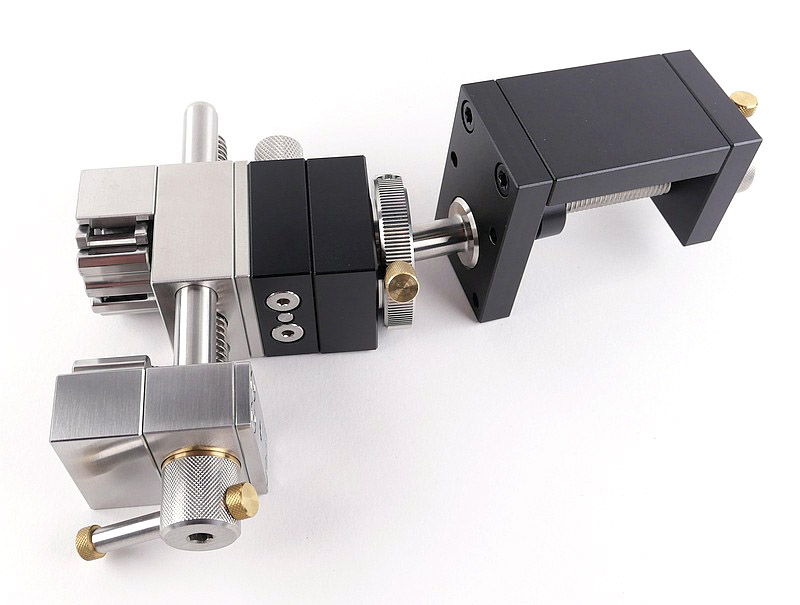
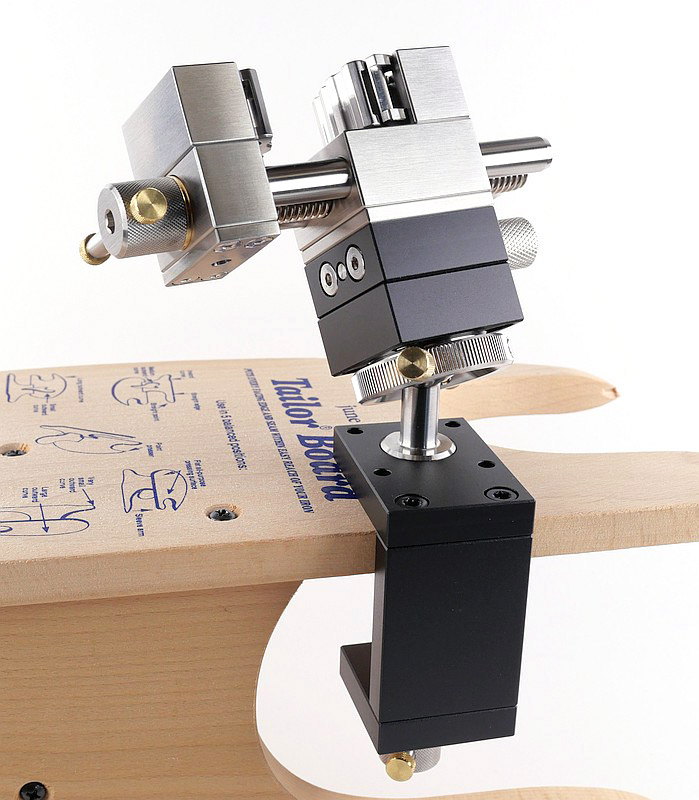
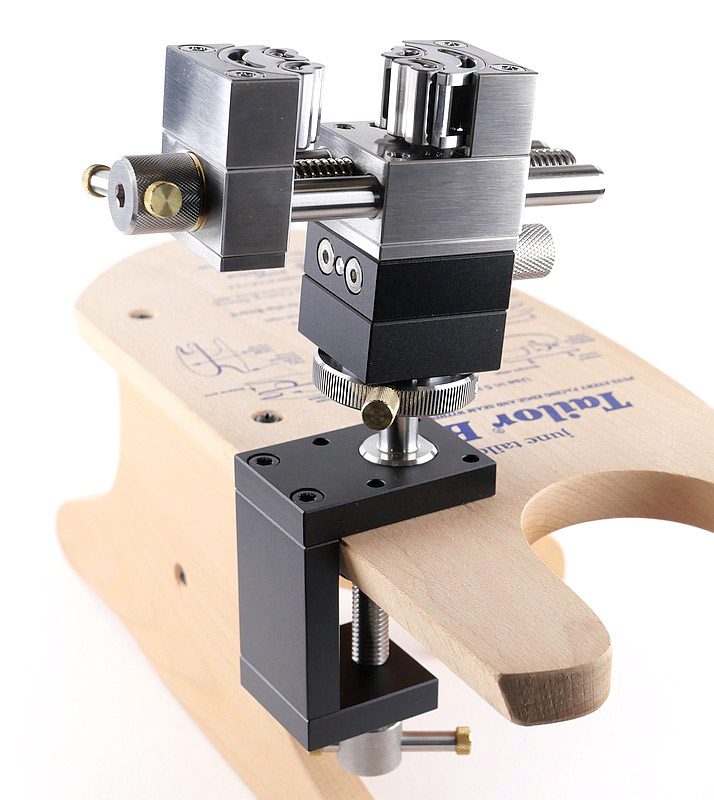
What is it like to use?
I must admit that somehow I expected the MetMo Fractal Vise to be a bit larger, but you then as you handle the vice, you immediately realise MetMo got the size of it just right. The Fractal Vise is pocket sized, but satisfyingly heavy and solid. A real jewel of a tool, in fact the EDC term ‘Pocket Jewellery’ would be appropriate for this superbly engineered vice. It’s size actually increases its versatility, allowing it to be used in different ways and keeping things compact for fine craft work and model making.
My experience of the fractal jaws is that these need a little encouragement to settle fully into place. The pressure the work piece places on the jaw surfaces can mean they don’t turn and accommodate the shape of the work piece straight away, so might appear not to adjust themselves as effortlessly as you see in the marketing videos. However this is easily overcome by gently tapping the work piece into each set of jaws as you tighten the vice, and while doing this the jaws do accommodate perfectly.
Do NOT be tempted to put any oil on the fractal jaws; doing so would capture dust and filings and gum up the motion of the jaws. They need to stay ‘dry’ and reasonably clean. You can easily disassemble the entire jaw and use an ultrasonic bath to give them a deep clean from time to time.
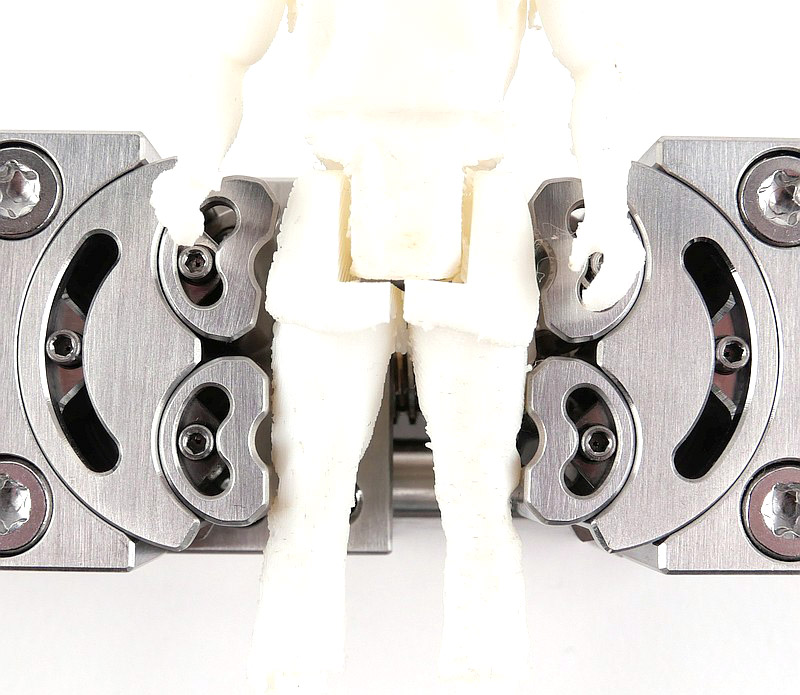
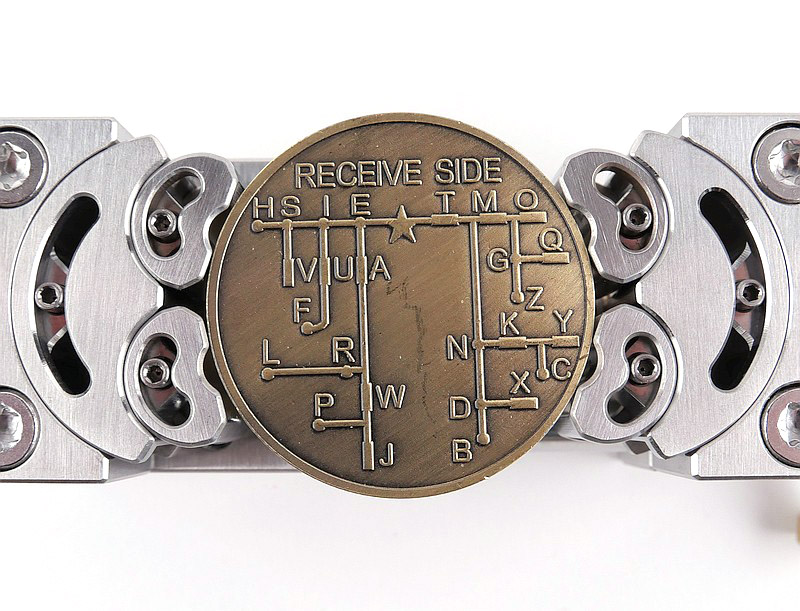
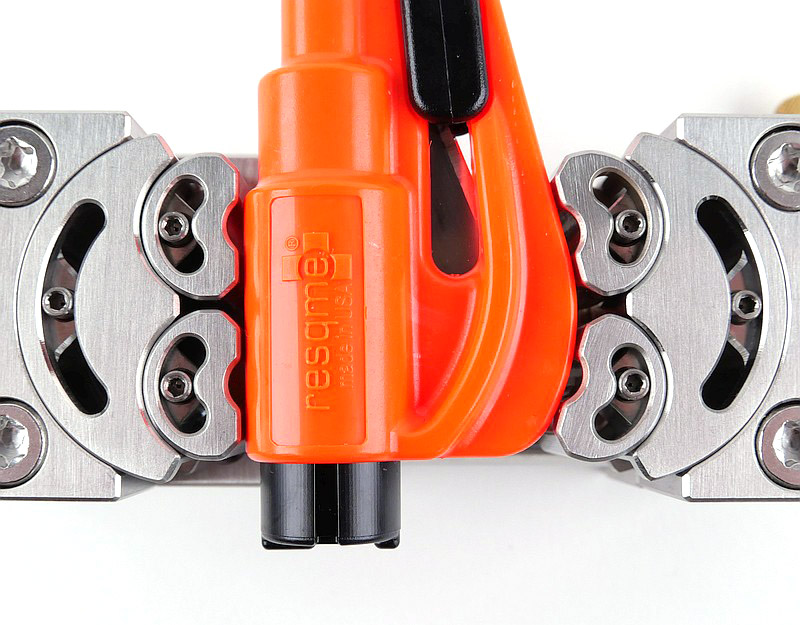
This gallery shows a variety of different objects in the jaws. The jaws are fitted ‘conventionally’ – gripping inwards, but remember to check the video which includes the jaws configured to grip outwards fitting inside the work piece to be gripped.
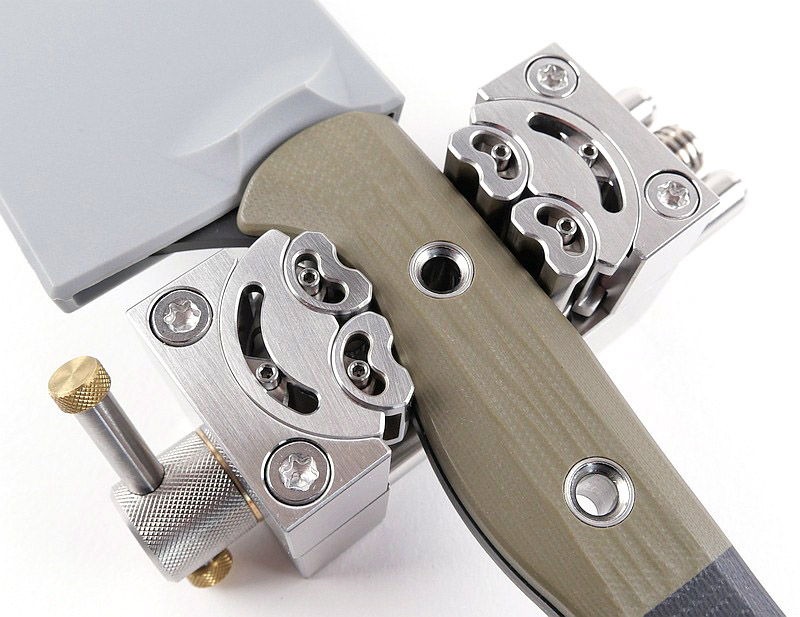
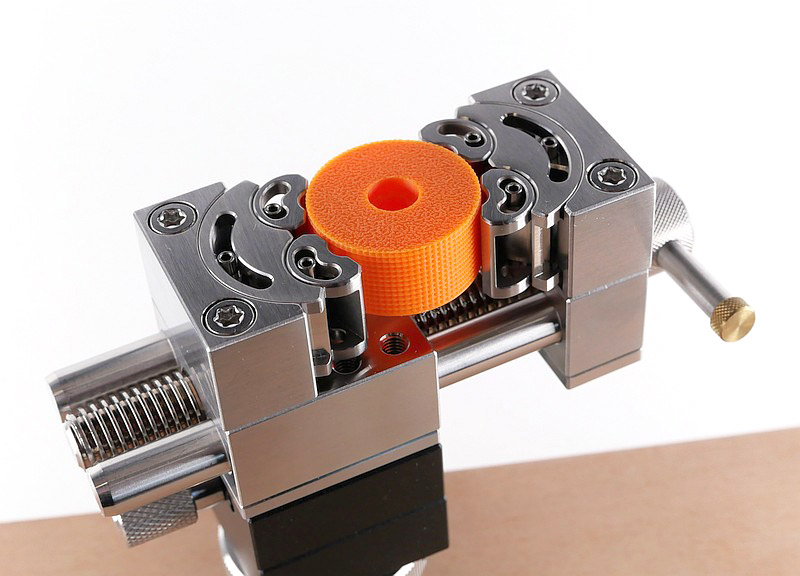
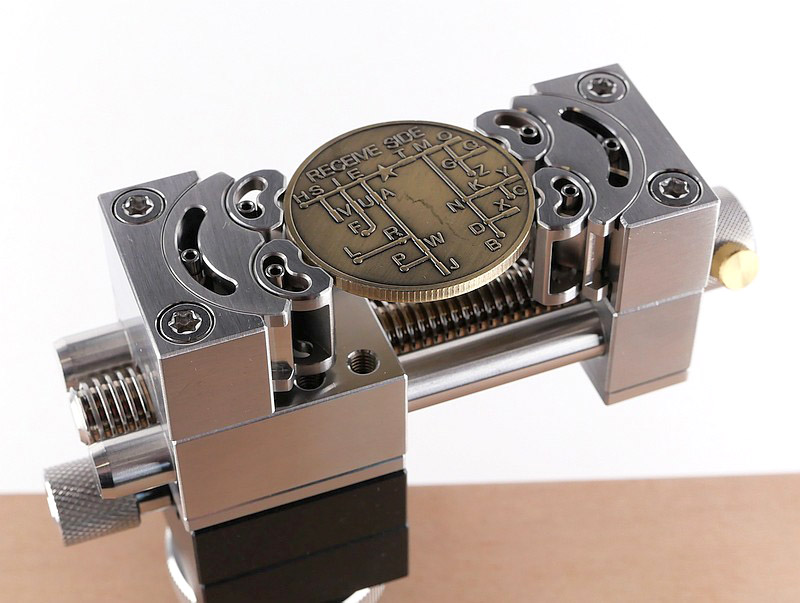
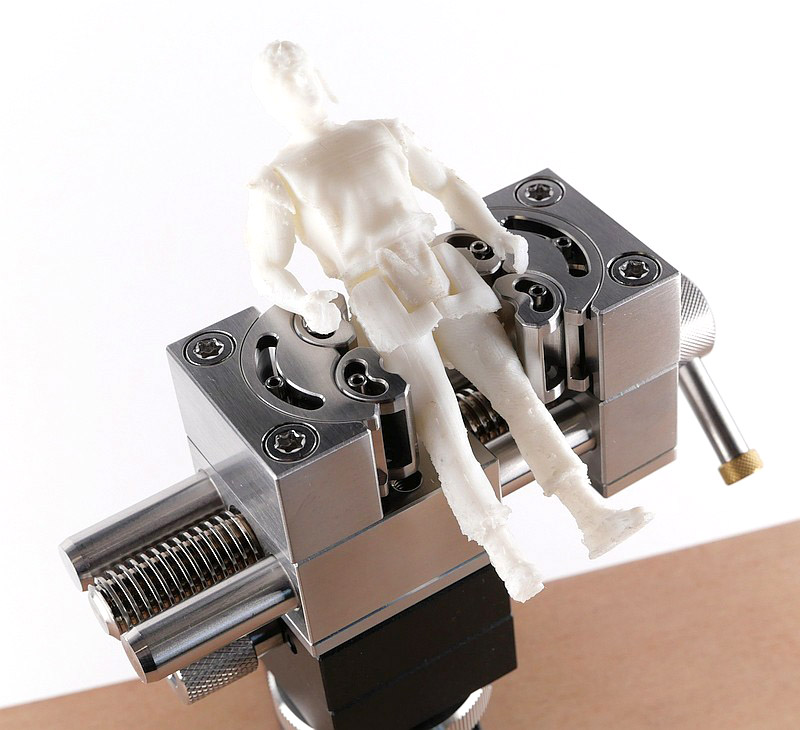
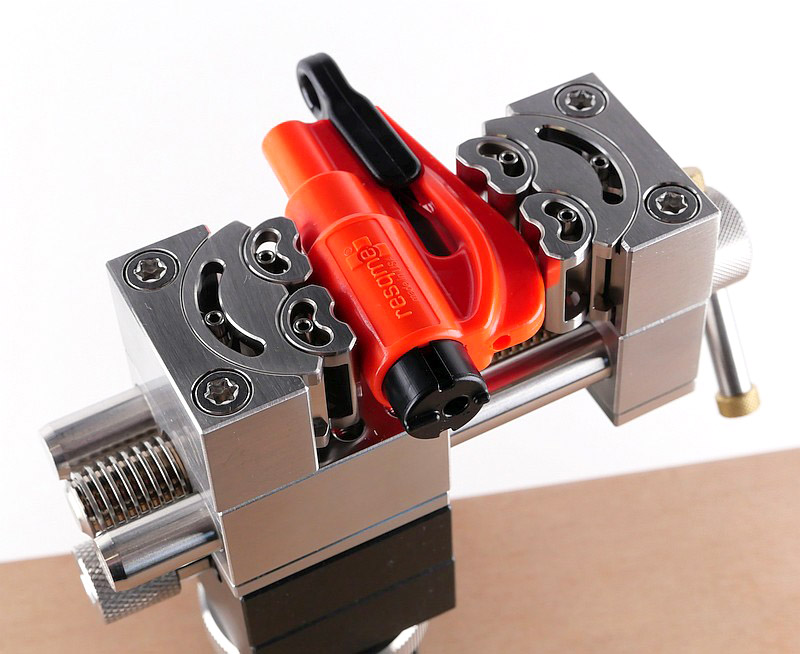
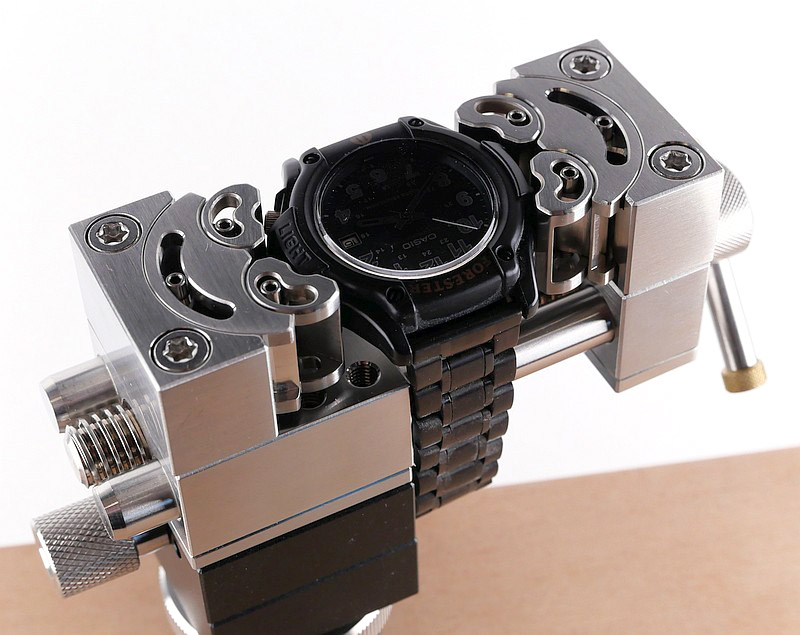
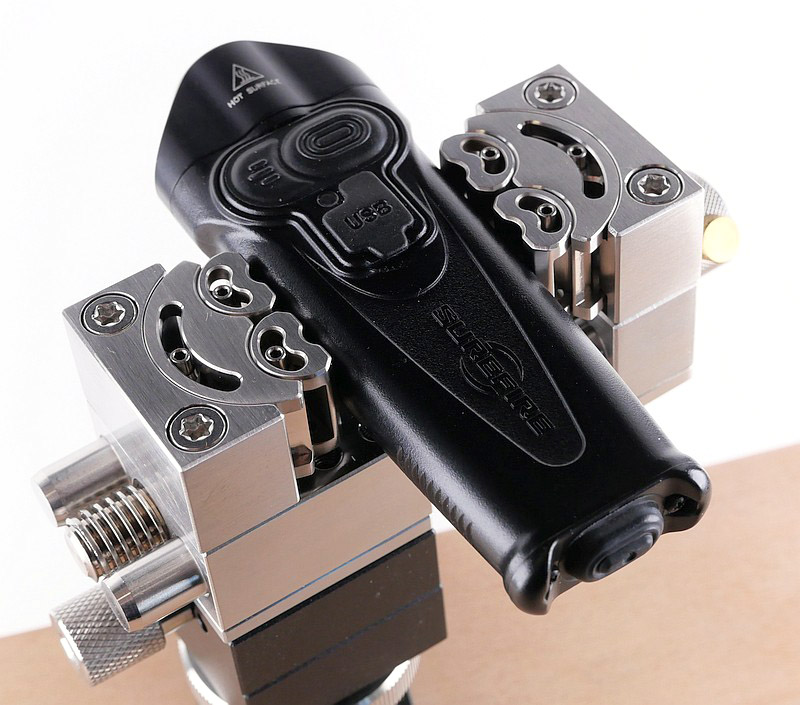
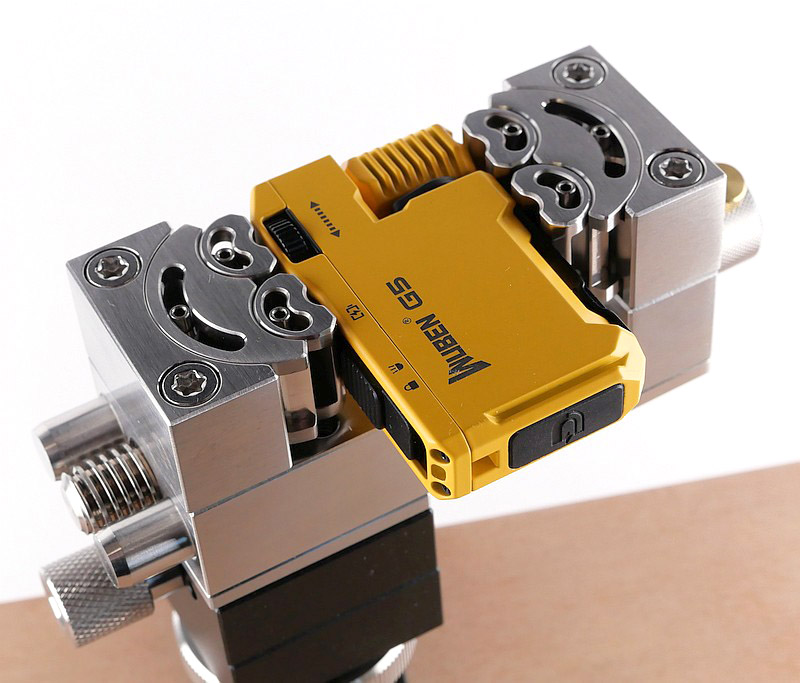
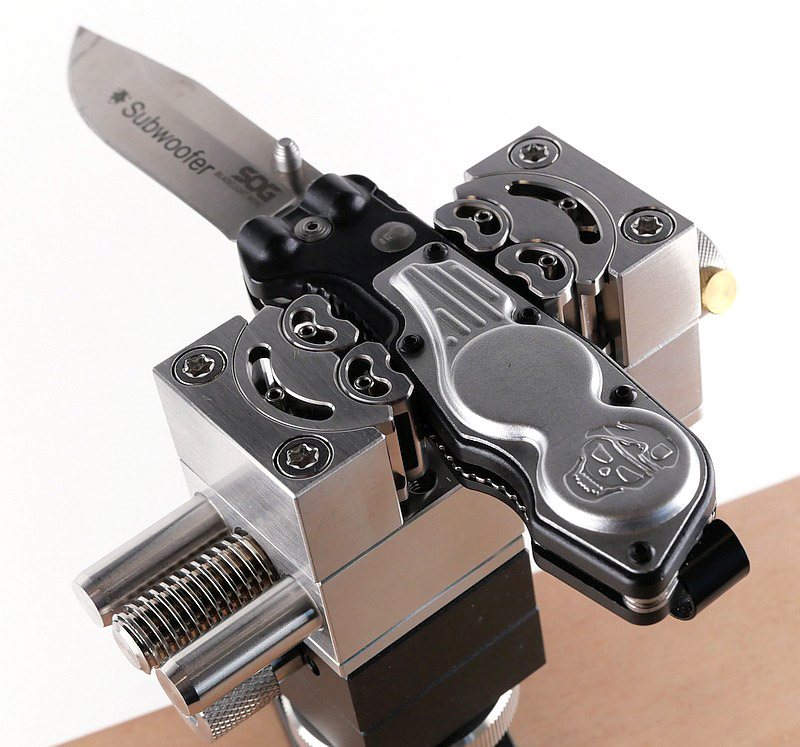
With the MetMo Fractal Vise’s special trick being the fractal jaws, that is the focus here. The parallel jaws allow the Fractal Vise’s base to be used as a conventional soft-jaw precision vice and you know what parallel jaws look like so have not been included. Each and every image here has the fractal jaws in a different position as they will be for every object you hold with them.
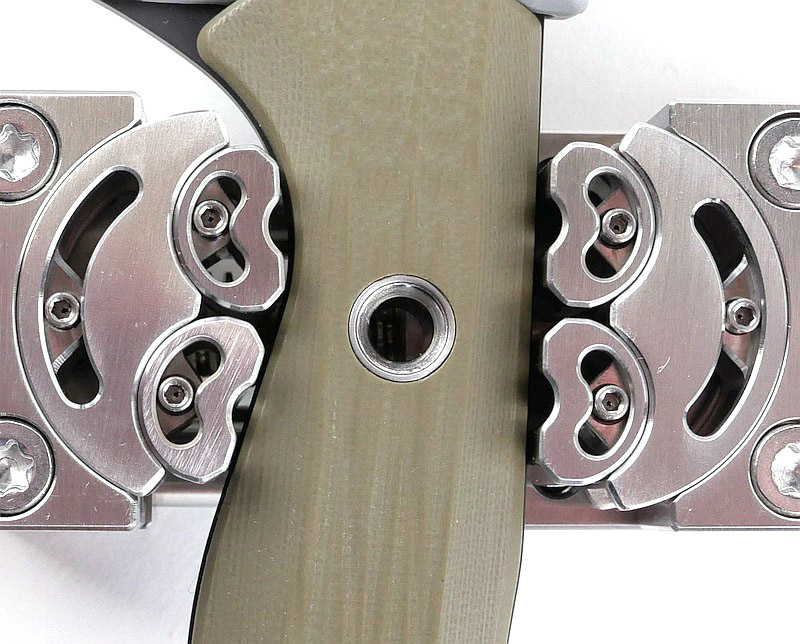
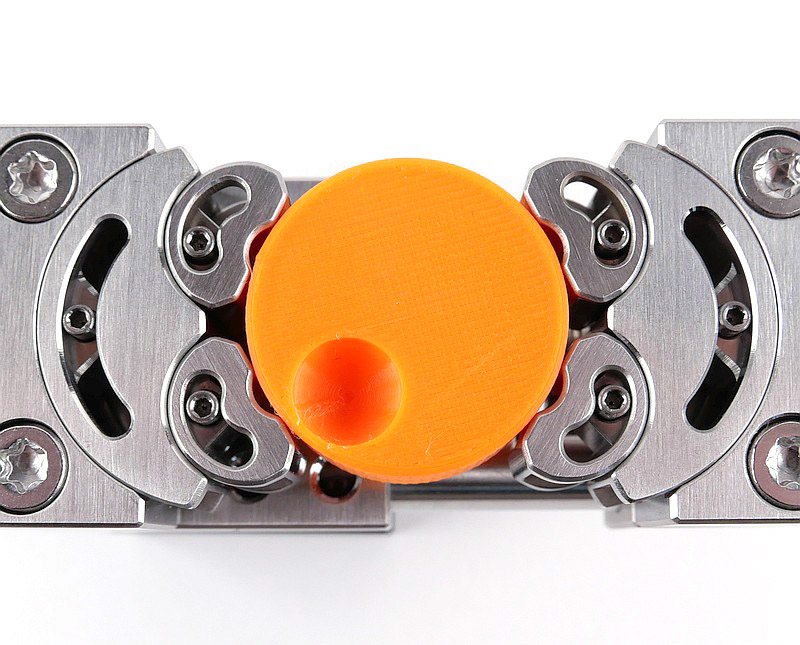
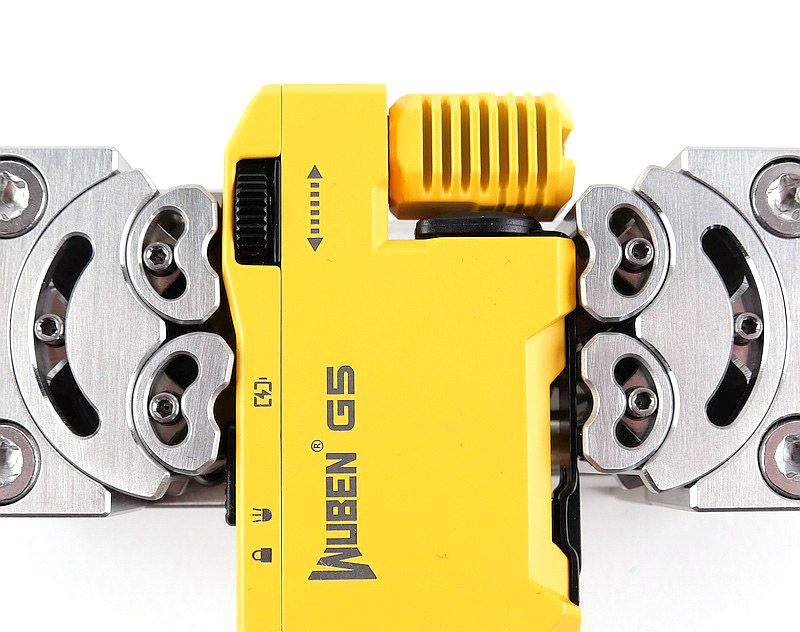
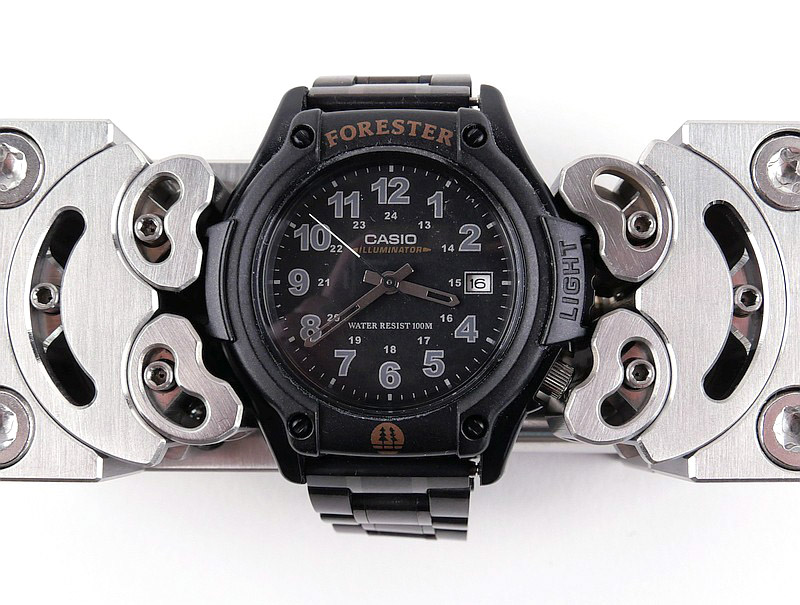
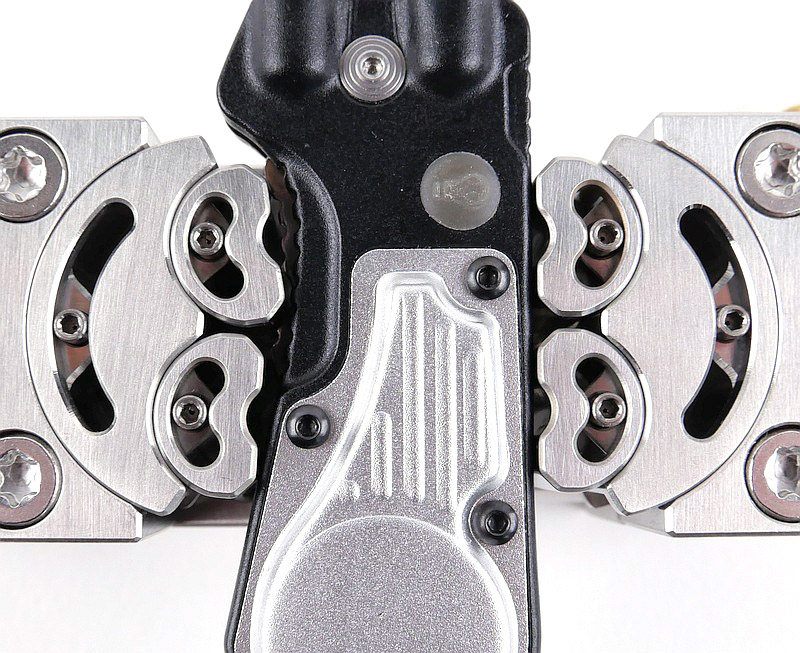
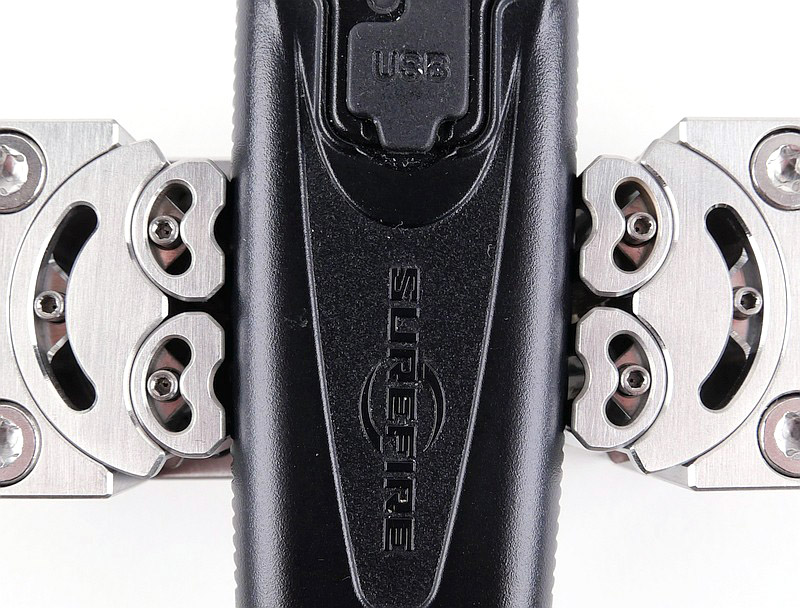
When you see the summary below, I’ve included a slight negative on the standard jaws being stainless steel, so I will explain myself. Being a compact precision vice, I would not use it to apply a clamping force that would need the steel jaws. Just like the only parallel jaws available come with ‘soft’ brass faces, brass is still a metal and is not actually soft in a way that would wear out. So if I were to be ultra-critical, I would say the standard jaw should be brass. Of course the Stainless steel jaw, when used on the full stainless Fractal Vise looks clean as a single material colour and finish apart from the brass handle ends and screw bushing. It isn’t a product or design error, but I find the steel jaws to be redundant.
As I write this I’ve opted to keep the rubber lined jaws as my ‘standard’. Time will tell if I switch to the nylon or brass longer term, but those steel ones are unlikely to get used again.
Like all specialist quality tools, the MetMo Fractal Vise is not cheap; what it is is an investment in your crafting experience, and the quality of tools you are using. The MetMo Fractal Vice is Engineering Heritage! This is a tool to pass down the generations.
MetMo Fractal Vise Review Summary
The views expressed in this summary table are from the point of view of the reviewer’s personal use. I am not a member of the armed forces and cannot comment on its use beyond a cutting tool or field/hunting knife.
Something that might be a ‘pro’ for one user can be a ‘con’ for another, so the comments are categorised based on my requirements. You should consider all points and if they could be beneficial to you.
_______________________________________________
What doesn’t work so well for me
_______________________________________________
Standard Jaws being steel.
_______________________________________________
Things I like
_______________________________________________
More compact than expected.
Multiple Fractal Jaw options (Brass, Nylon, Steel, Rubber lined).
Parallel Jaws also available (Brass faced).
The entire system can be fully user-disassembled.
Reversible jaws for internal clamping.
Impeccable Engineering fit and finish.
Clamp any shape that fits between or over the jaws.
Desk Clamp with locking ball head mount.
Quick Release Mount.
Precision made for precision use.
Possibly the most versatile vice you can buy.
MetMo Fractal Vise Review Videos
Starting with a short format sixty second review:
Onto a full video review covering many more details:
Discussing the Review:
Something new – will it work? A Tactical Reviews Subreddit.
TacticalReviewsChat on Reddit
Please visit there and start/join the conversation.