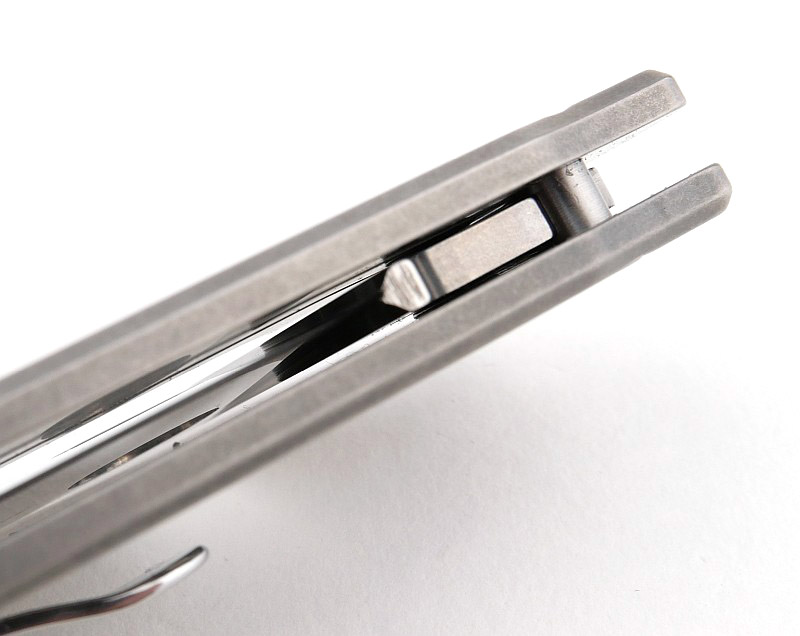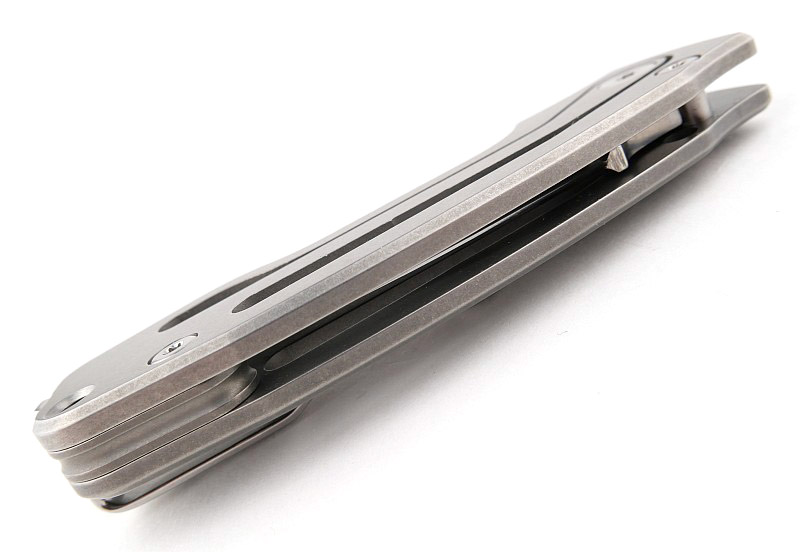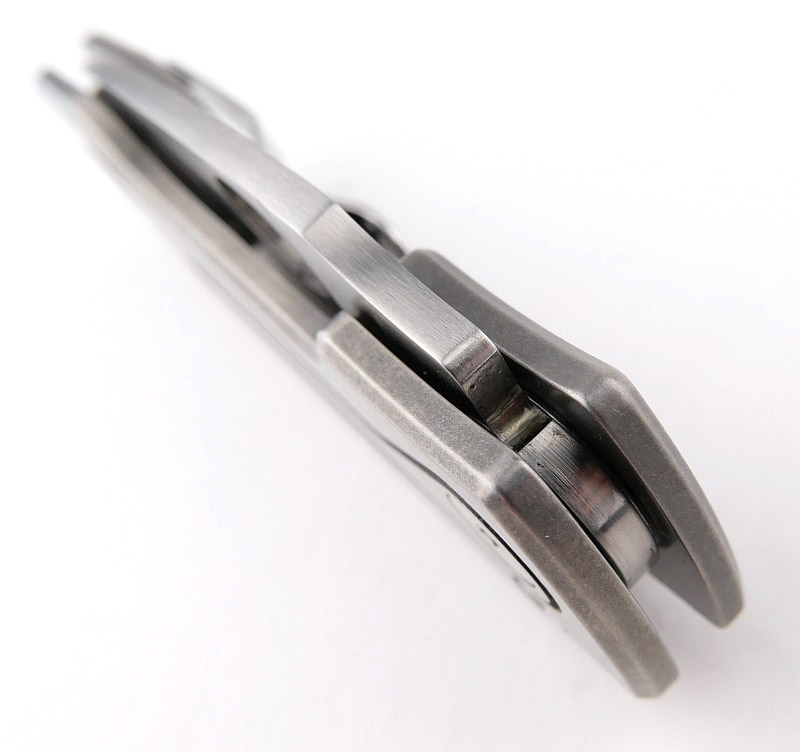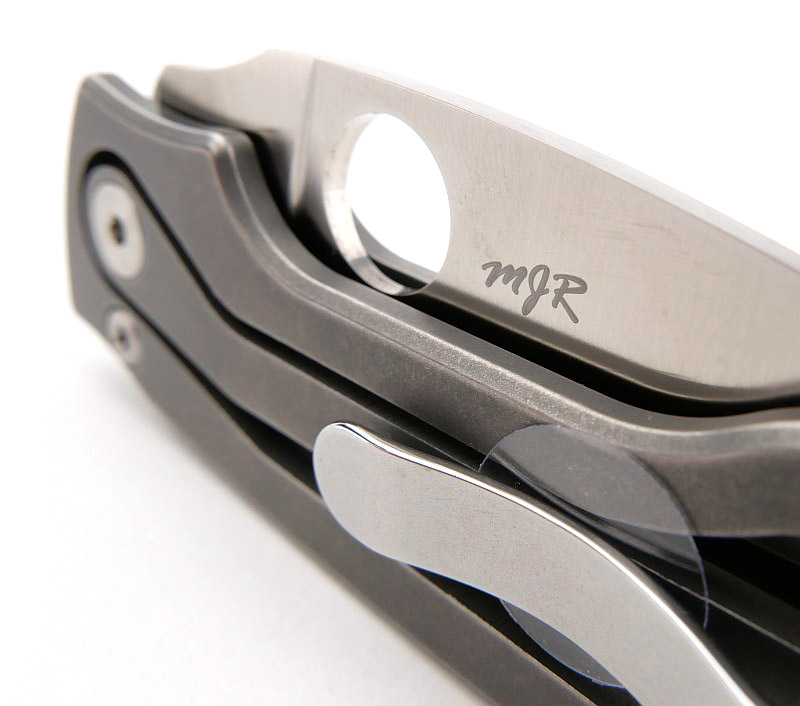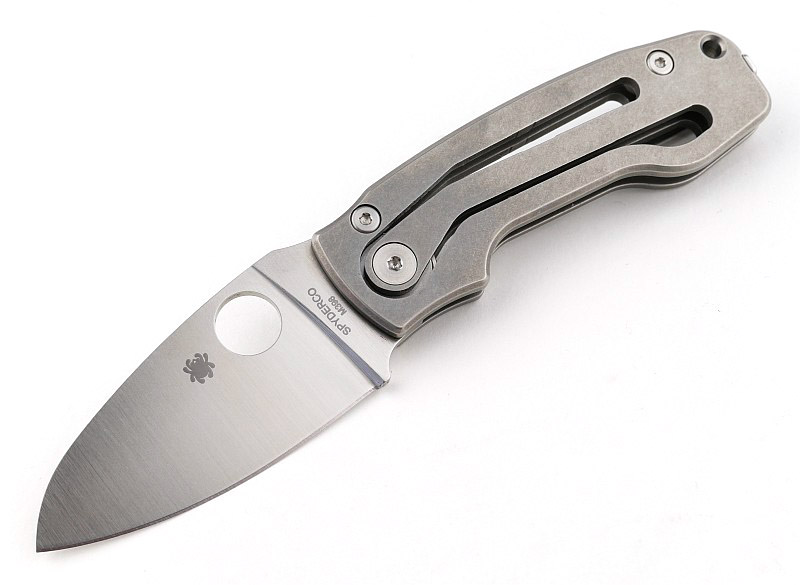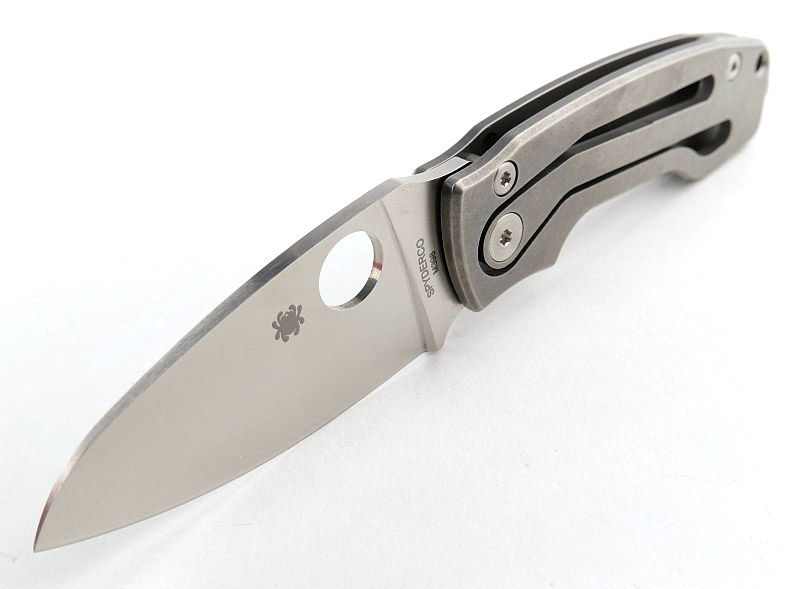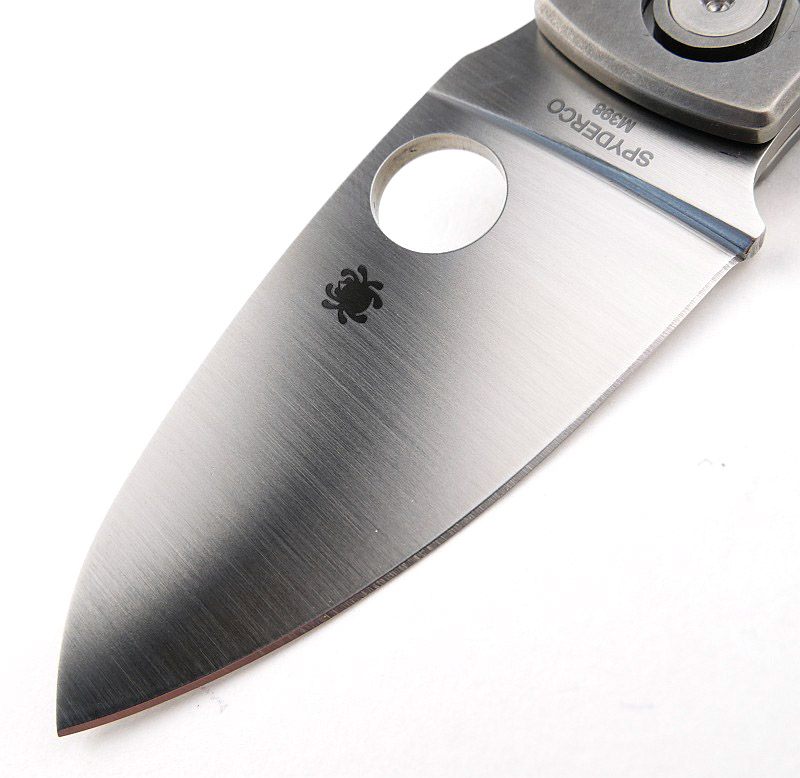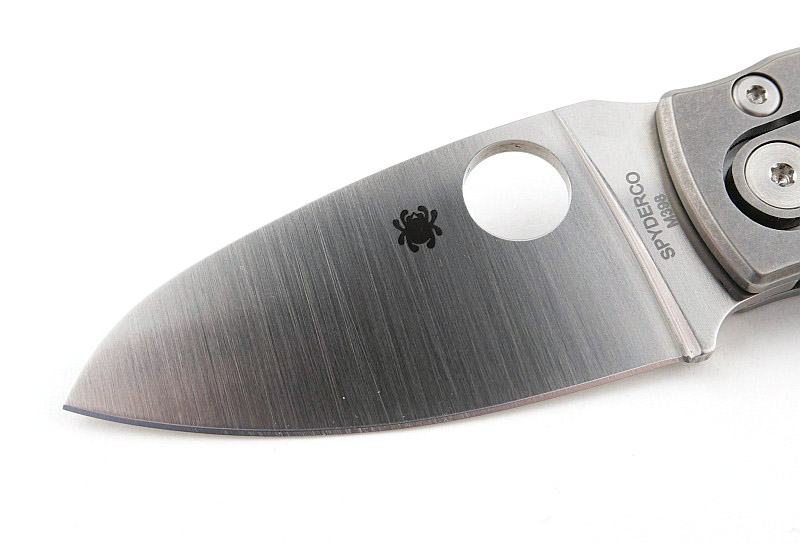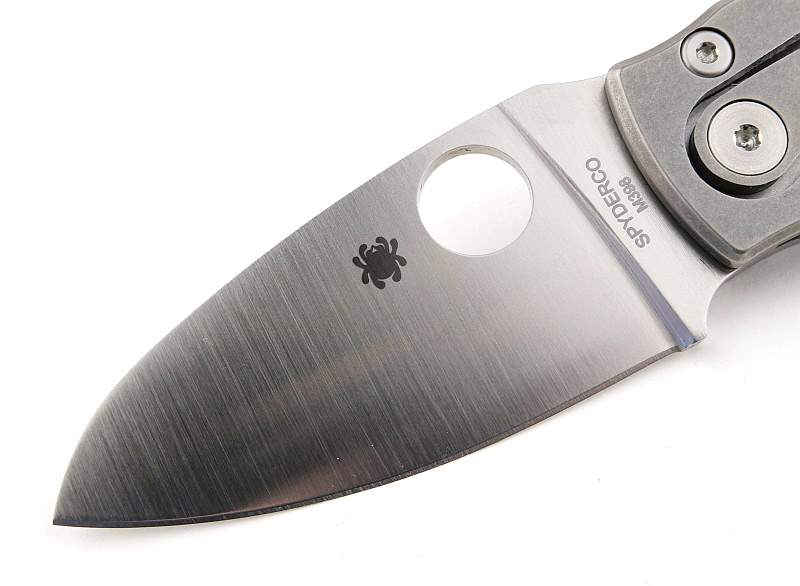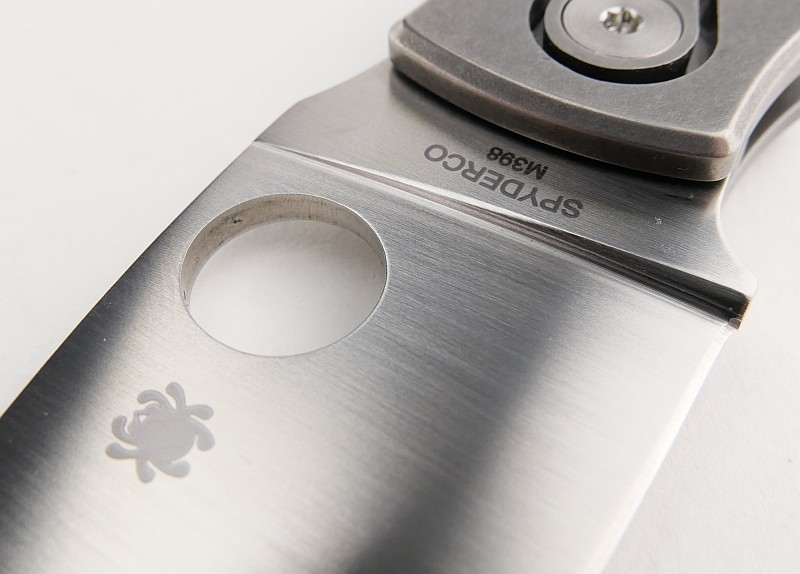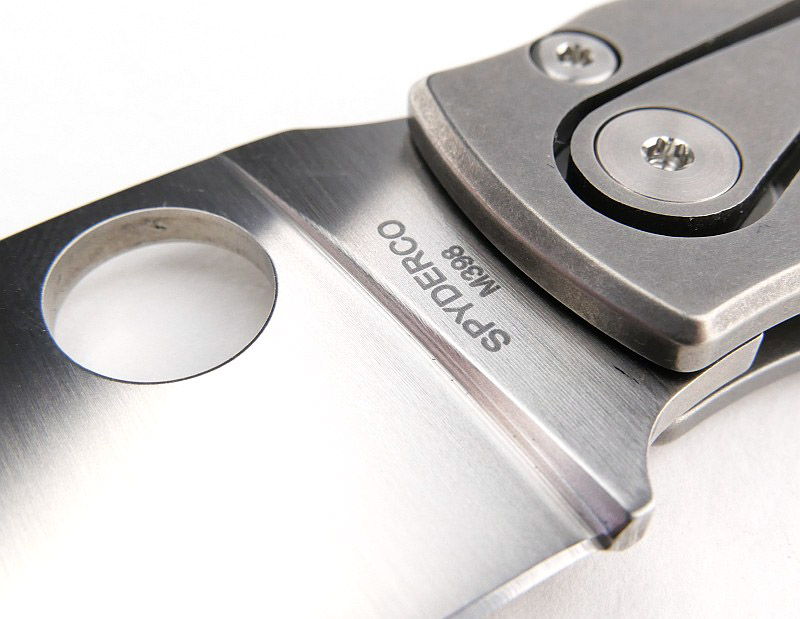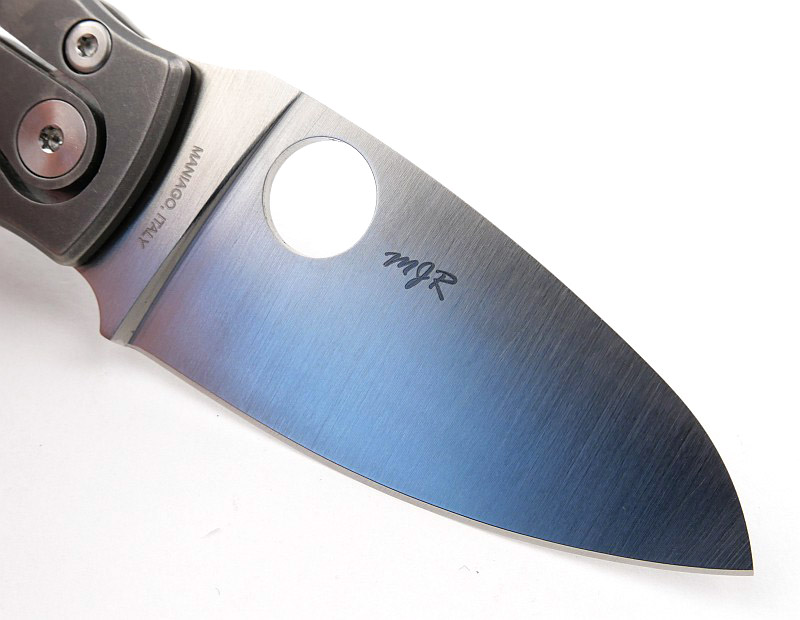
Knife Review: Mercury Luc

In this detailed review of the Mercury Luc, Tactical Reviews presents a close look at Mercury’s modern take on the slip joint folding knife. Join me in this Mercury Luc Review for all the details.

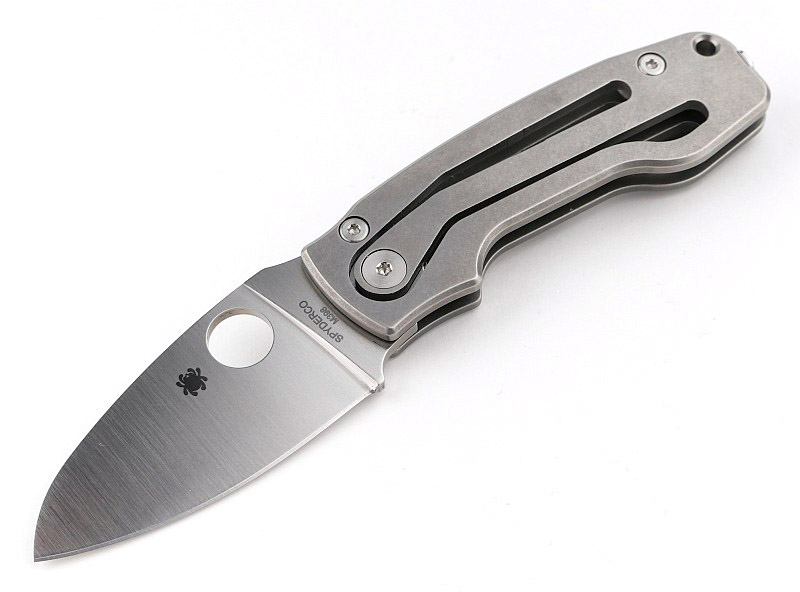
The Mercury Luc is inspired by the classic hunting pocket knives from the 1960s; a traditional design, but now fitted with an Elmax stainless steel clip point blade. The handle is made from 6061 aluminium with choices of black or green anodising, and optional micarta/G10 inlays.

Of course the slip joint knife dates back far earlier than the 1960s, generally considered to have emerged in the 17th Century with the introduction of a back spring that revolutionised the folding pocket knife to create a simple, reliable and practical tool; popularised as the ‘penknife’ for shaping quills. For good reason this traditional design of knife mechanism remains popular and useful today.

What’s in the box?:
For this section there is no box or packaging to include, as the specific knives featured were ‘show knives’ at IWA Outdoor Classics 2025 (and possibly other exhibitions). It also means that in the following galleries, any imperfections will be due to each knife being handled by a lot of people during the trade fair.


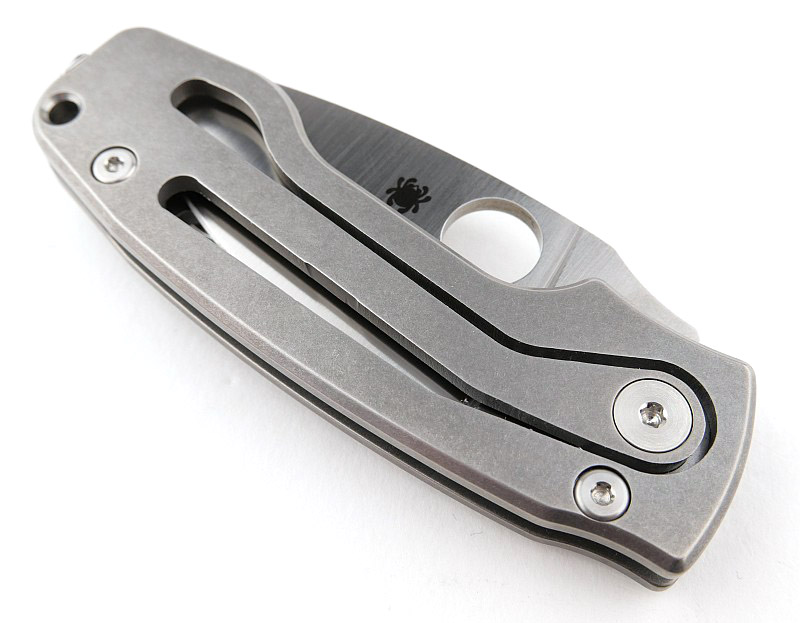
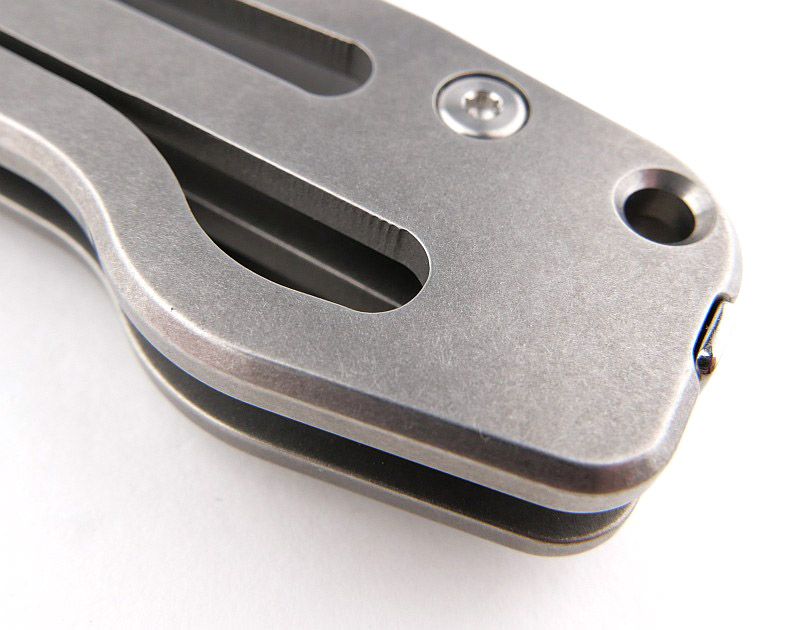
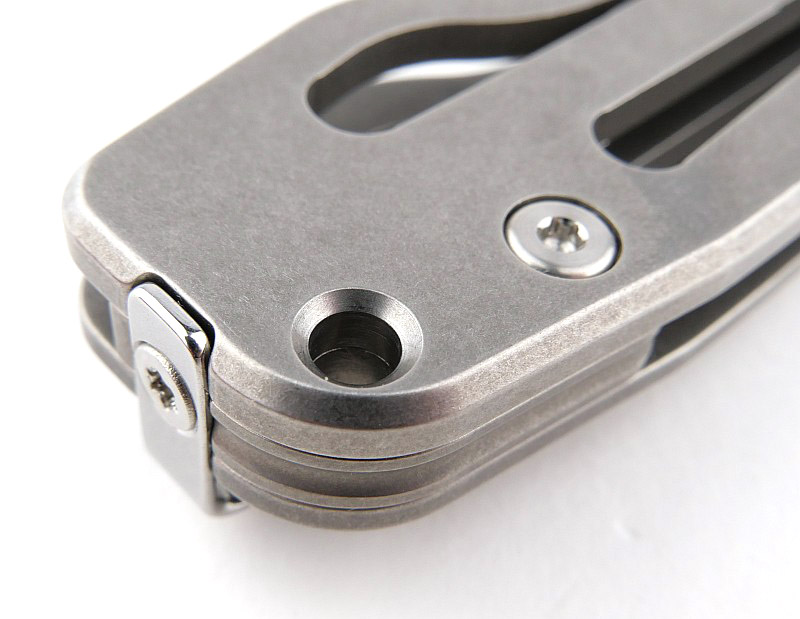
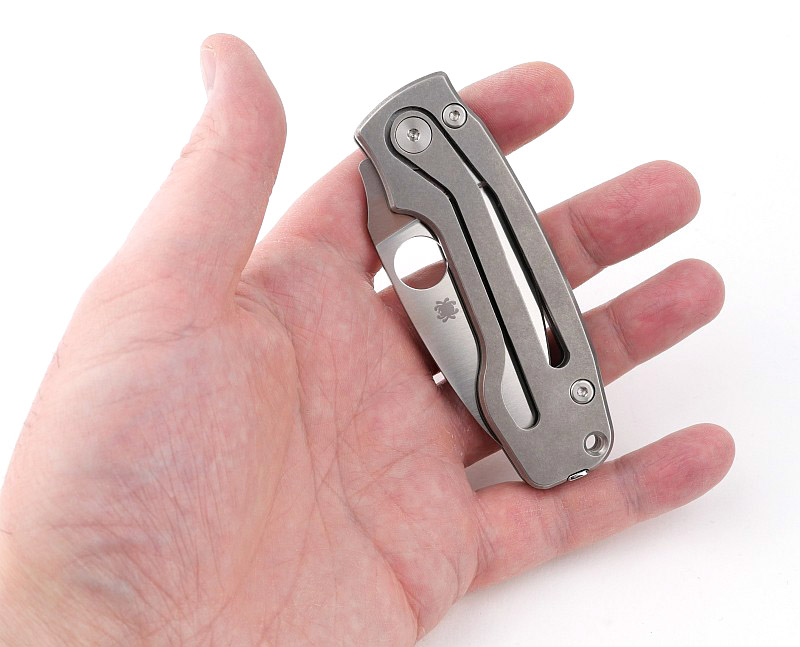
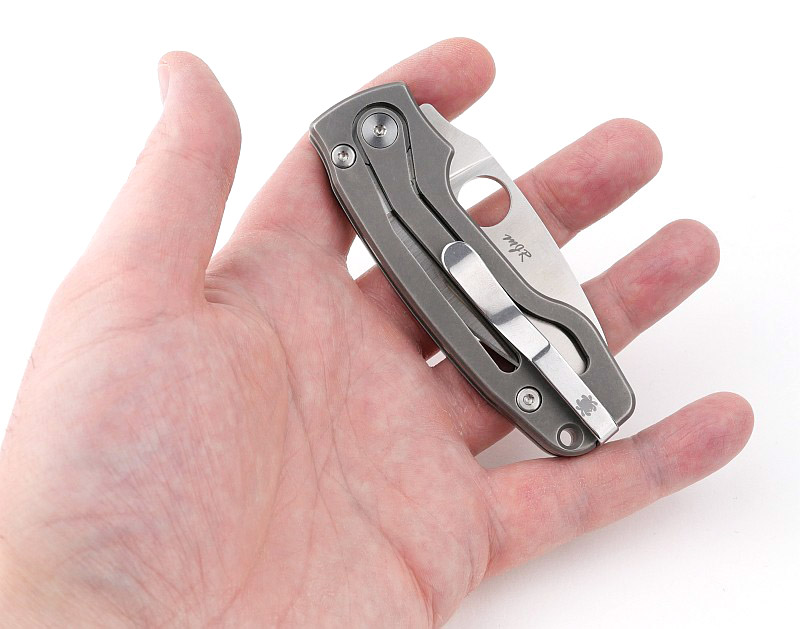
A good look round the folded Mercury Luc – Things to look out for here are:
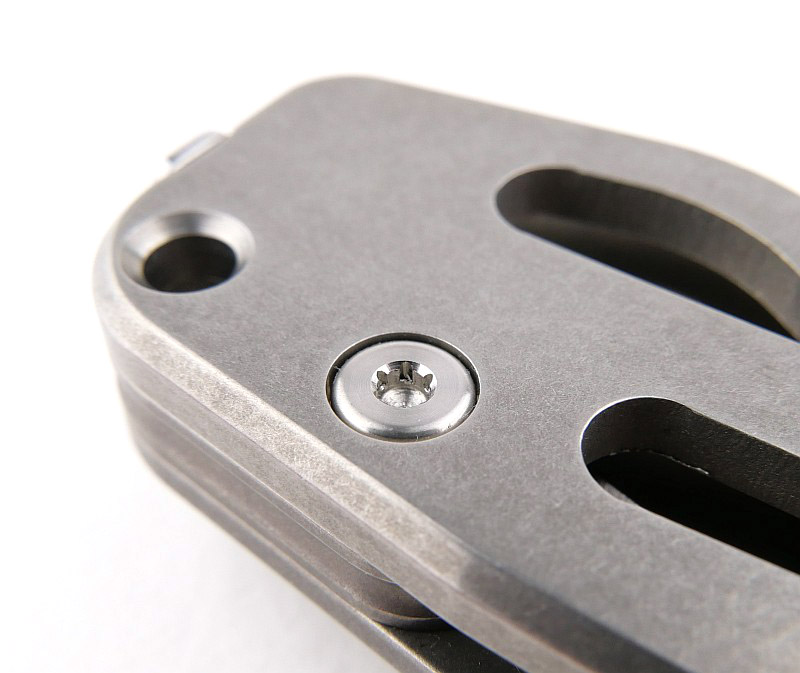
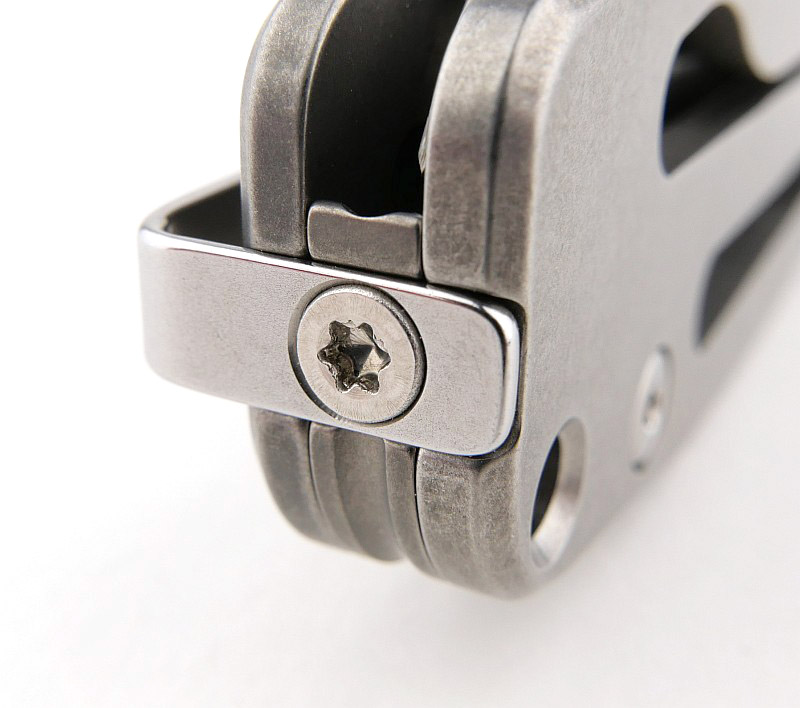
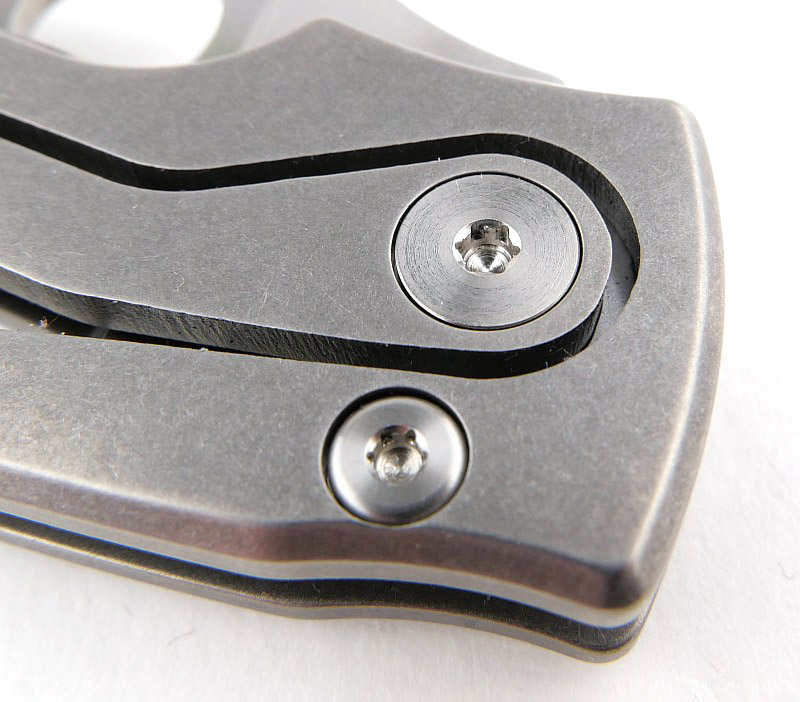
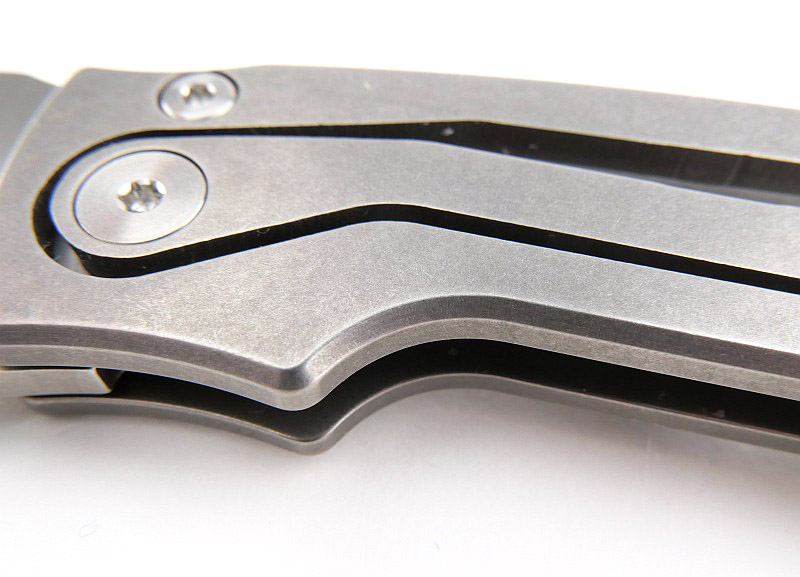
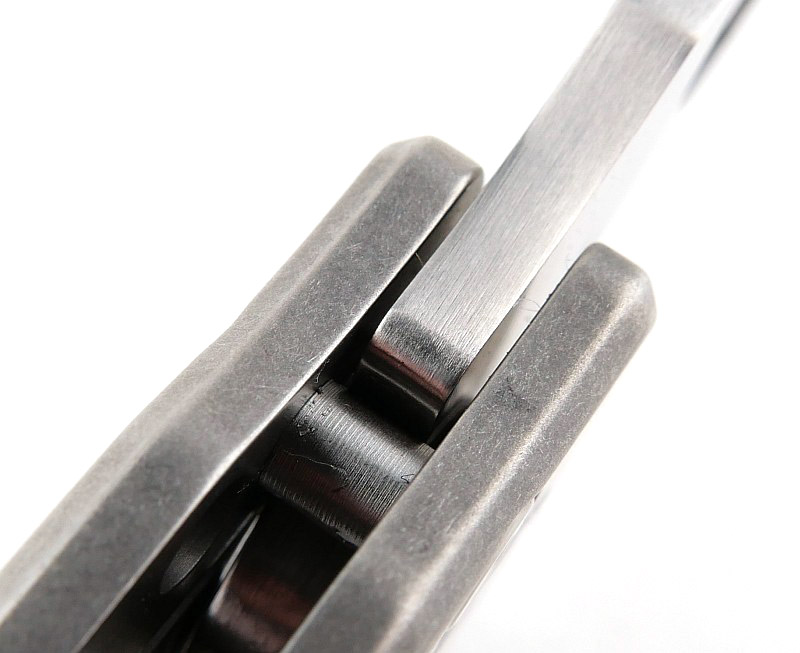
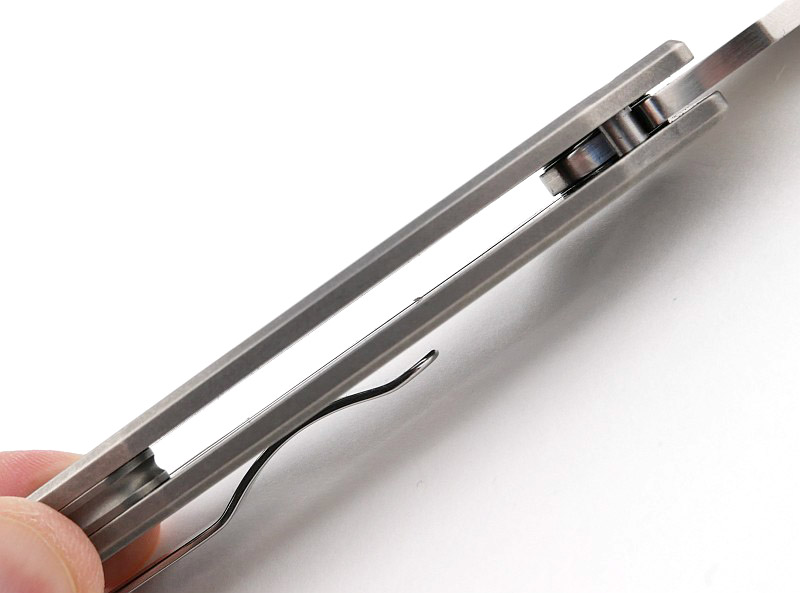
Starting off with a lot of different views round the folded knife to see it from all directions. The lanyard hole is ingeniously incorporated into an exposed section of the backspring, making it very accessible and easy to tie into. One side of the pivot bolt has the Mercury logo engraved into it, the other side is a domed torx screw head with decorative fluting. Peeled G10 is used for the orange handle insert, held in place the two screws. In keeping with the simple reliable design we have phosphor-bronze pivot washers.
As another option, the insert can also be micarta, a much softer feeling material, but one which will take on a patina through use.


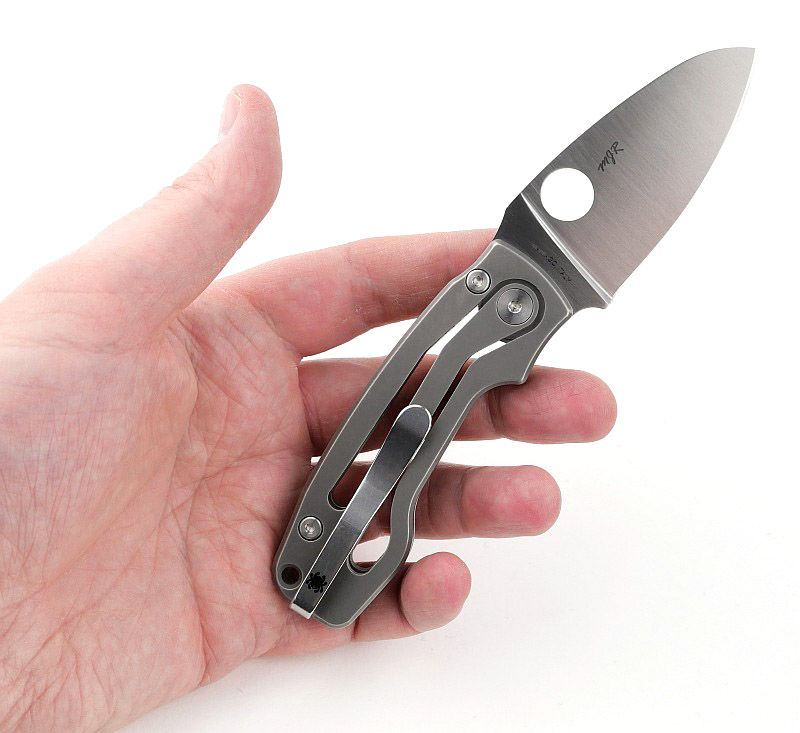
A good look round the open Mercury Luc – Things to look out for here are:
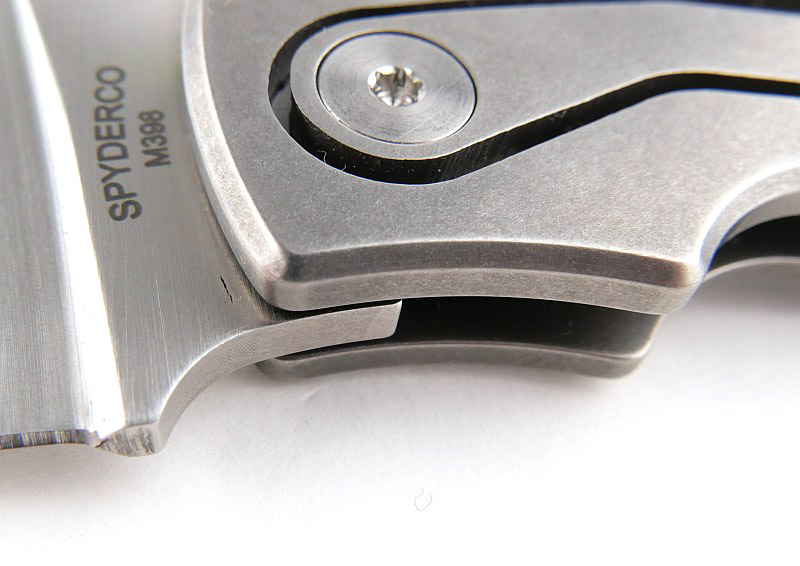
Swinging out the Luc’s clip-point blade shows the modern touches on this classic. Elmax as the blade steel, an angled milled slot as the nail nick, and high tolerance finishes with the H clearly displaying this precision. A flat grind, clip-point blade, with bevelled swedge and stonewashed finish showcase its modern construction.


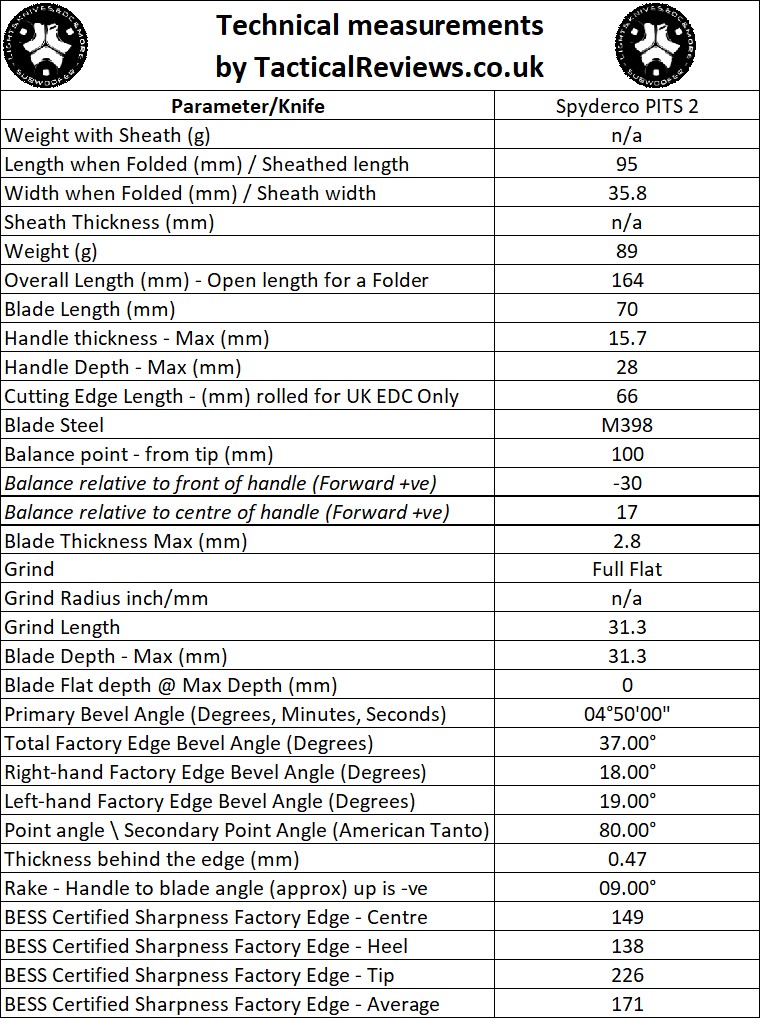
The Blade and Handle – Detailed Measurements:
For full details of the tests and measurements carried out and an explanation of the results, see the page – Knife Technical Testing – How It’s Done.

The blade is made from Elmax steel.

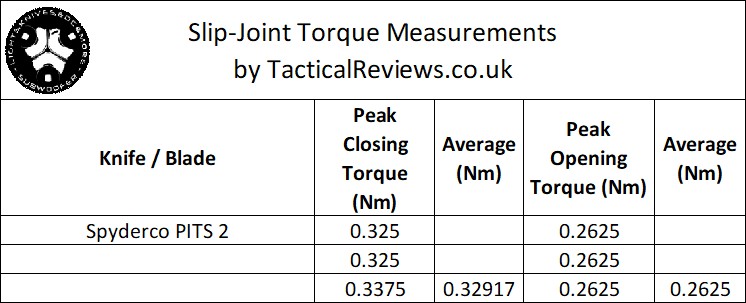
With the Mercury Luc being a slip-joint folder, the resistance to closing (and related stiffness of opening) is an important factor, so for this I carry out Torque measurements for opening and closing.
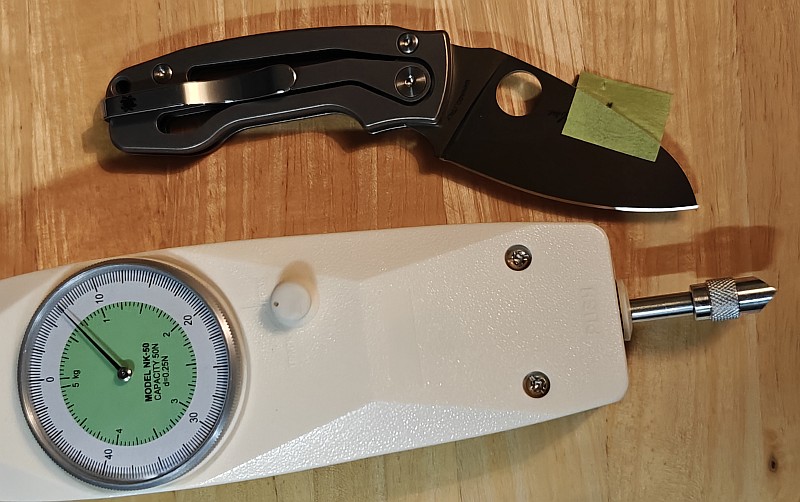
And the torque measurements for the Mercury Luc (for further reference values check the Technical Testing link):


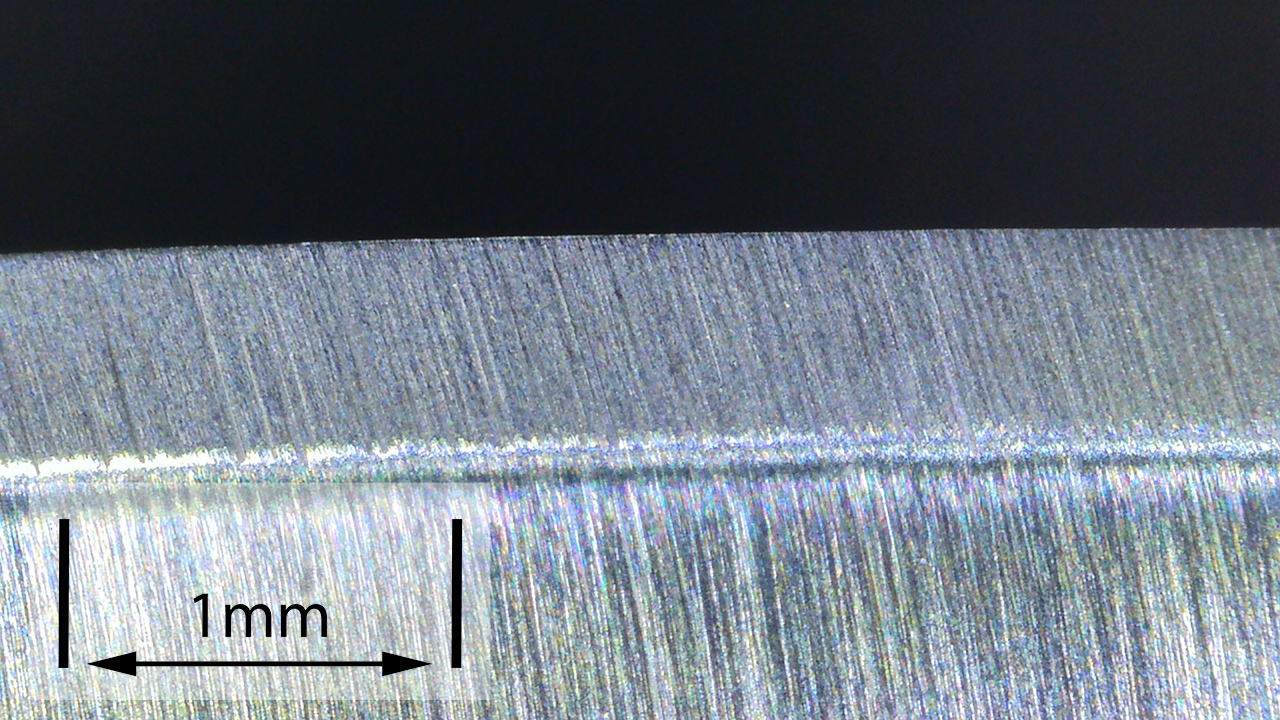
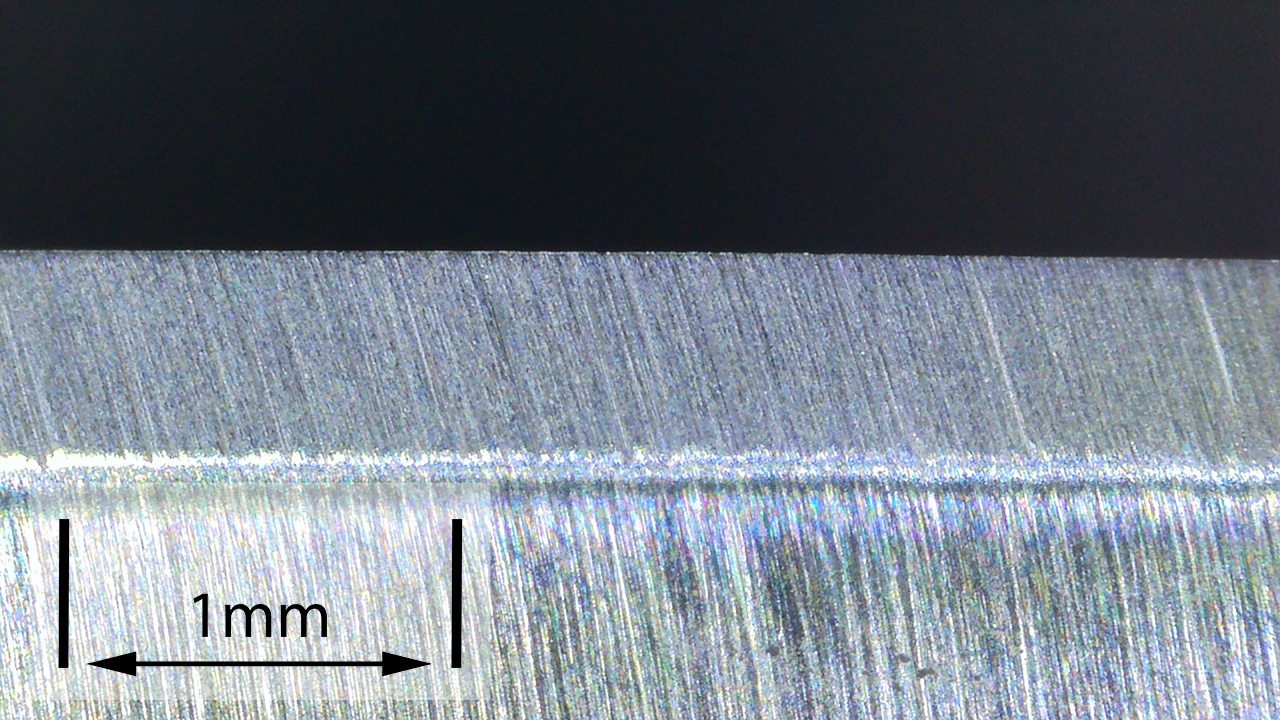
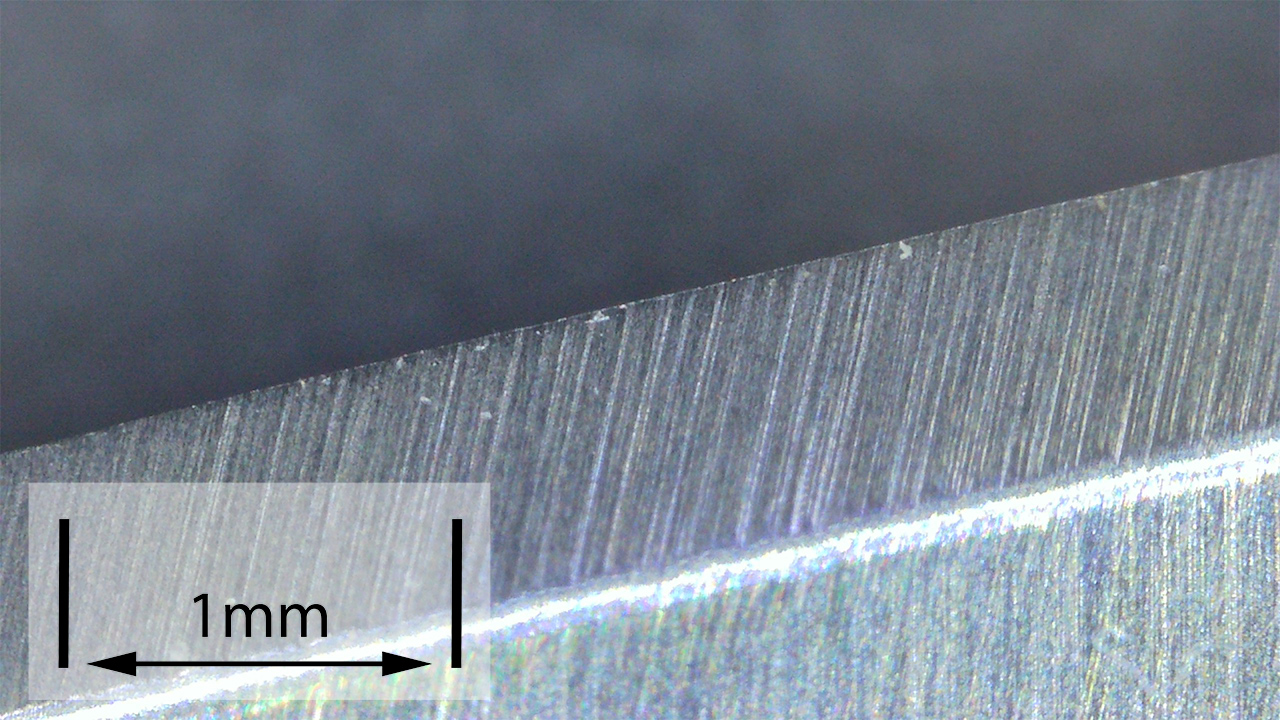
The Factory edge up close:

Followers of Tactical Reviews will know my views on factory edges, but to recap:

Anyone using a knife will need to sharpen it. That first factory edge is just like the first tank of fuel that a new car comes with (or first charge of the battery).
A good factory edge is a ‘nice to have’ but not a ‘make or break’ for a good knife, as you will be putting your own edge onto it soon enough.
The factory edge does however indicate the care a knife maker has put into the final finish.
It is for this reason Tactical Reviews measures factory edge sharpness and specifications, and includes this information in the detailed technical testing.

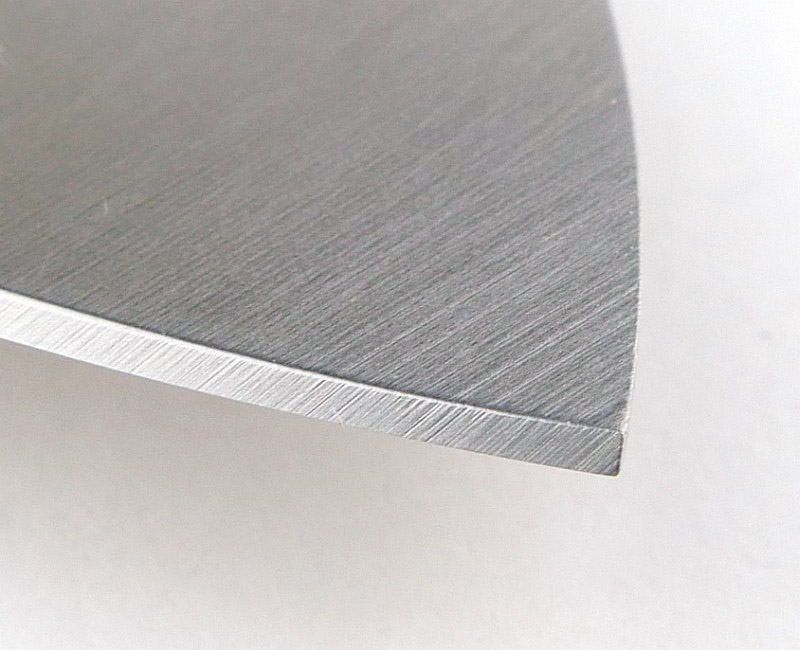
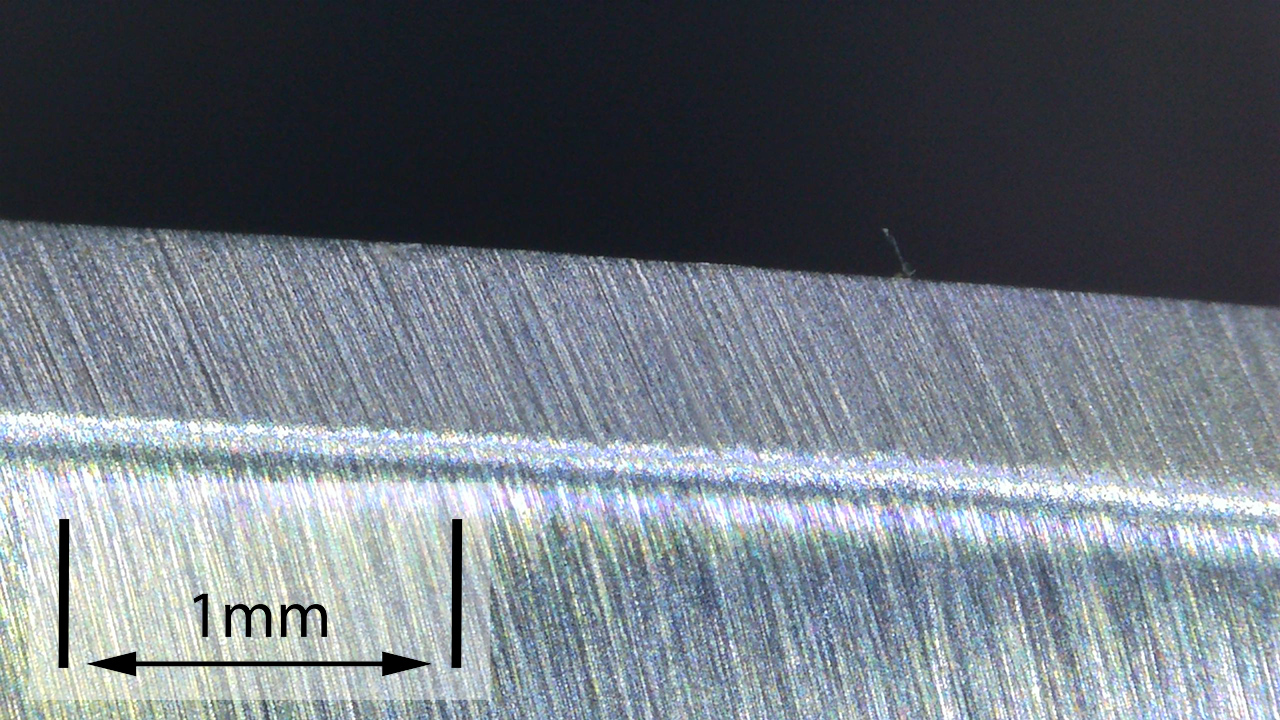
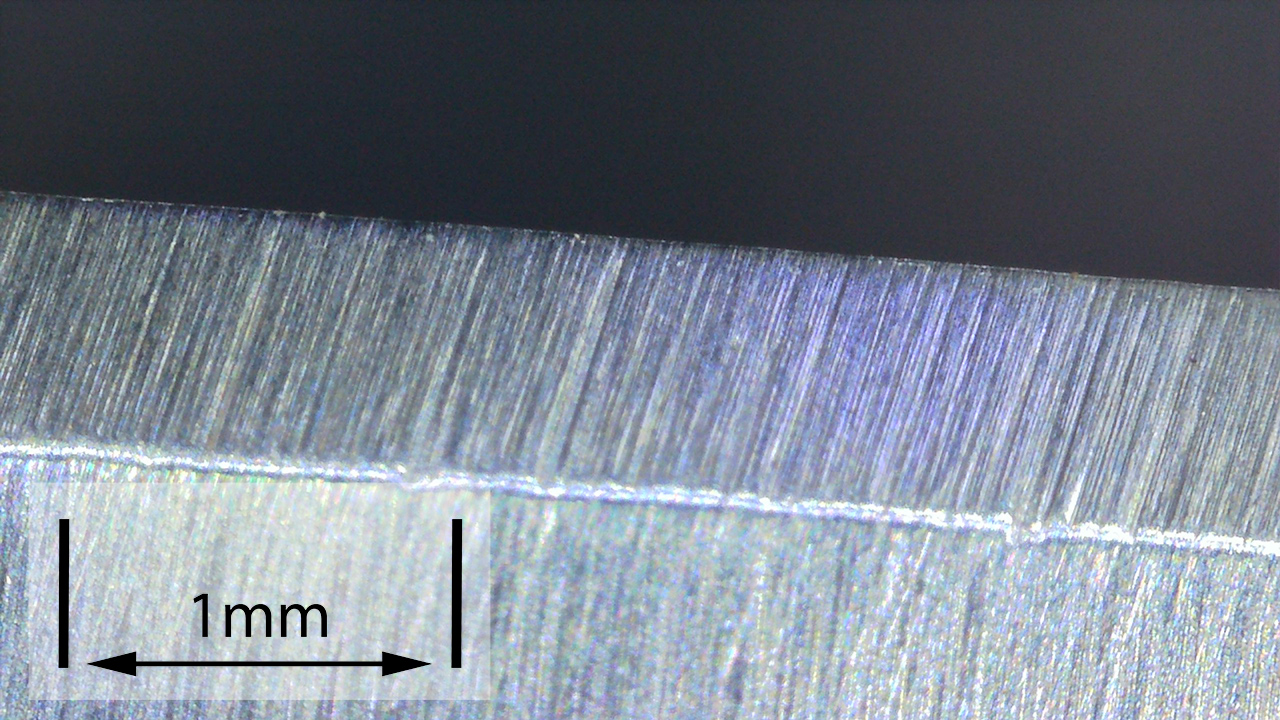
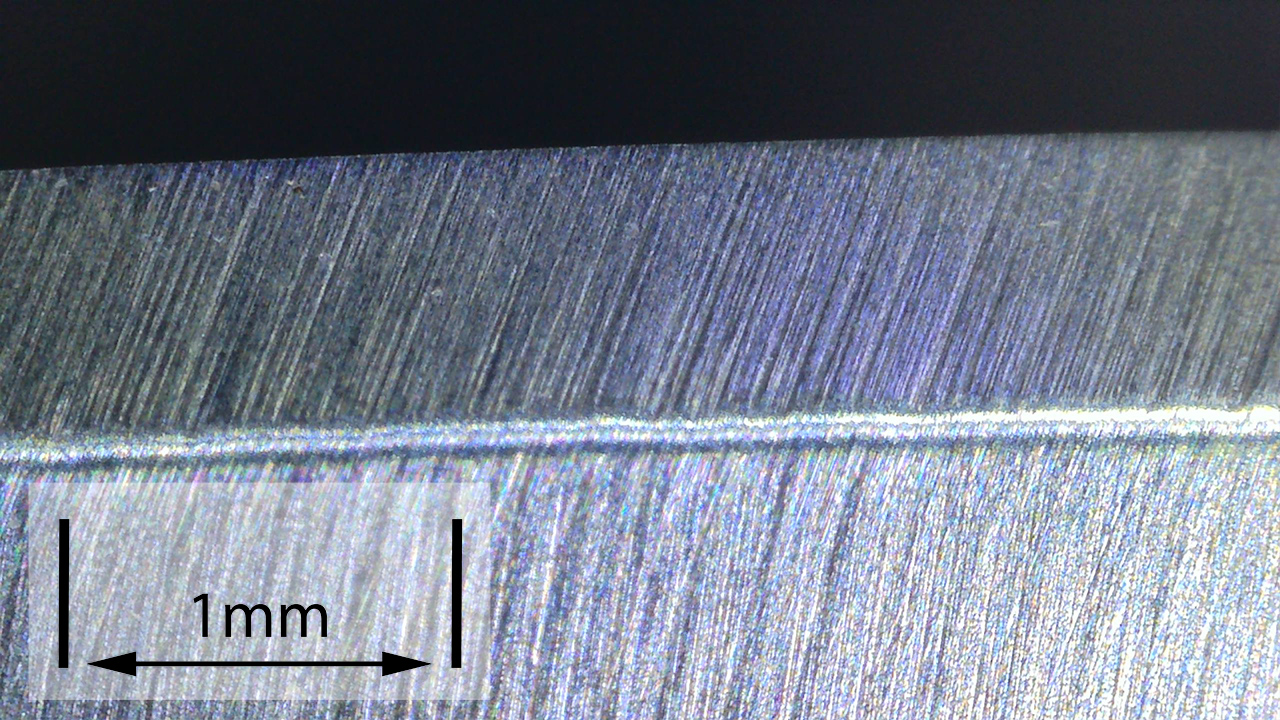
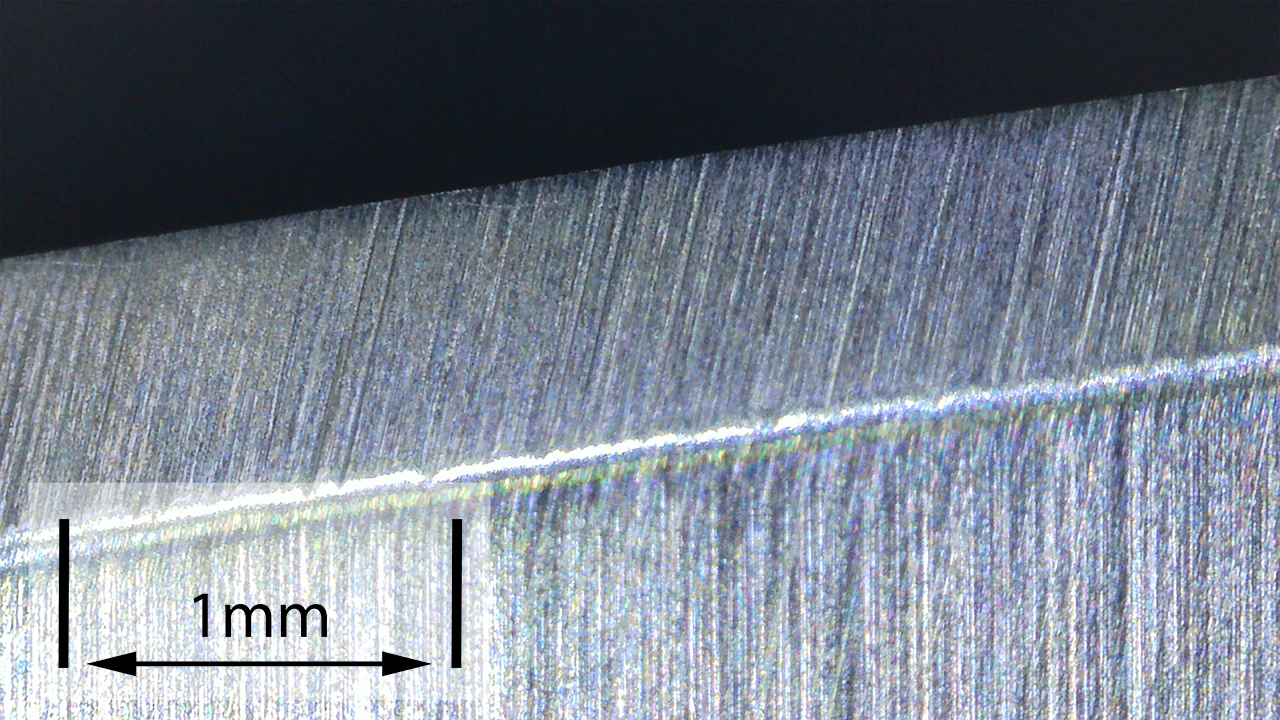
As a further look at the factory edge, this section has been added to include some high magnification photos of the factory edges.


What is it like to use?
Mercury’s Luc reinforces why the slip joint folder pocket knife has been so popular and successful since its inception around 400 years ago. It is a daily tool for all the smaller every day cutting tasks that don’t need a larger, stronger and heavier cutting tool. A type of knife that allows quick, intuitive opening and closing without a lock, but with a spring to provide enough resistance to make it safe to carry and use. Just quickly unfold and fold as needed without having to unlock.
There are those who take the view that non-locking slip joint knives no longer have a place due to being ‘unsafe’ to use, and liable to close unexpectedly on your fingers. However this ‘problem’ with slip joint folding knives is due only to incorrect cutting technique, or inappropriate use of the tool for a cutting job it is not suitable for, and nothing to do with the design at all. Used correctly and appropriately, the slip joint is absolutely relevant and the ideal tool for most smaller cutting tasks. As long as you ensure the cutting force is applied in the direction that pushes the blade open, it cannot close on you, and is perfectly safe to use.

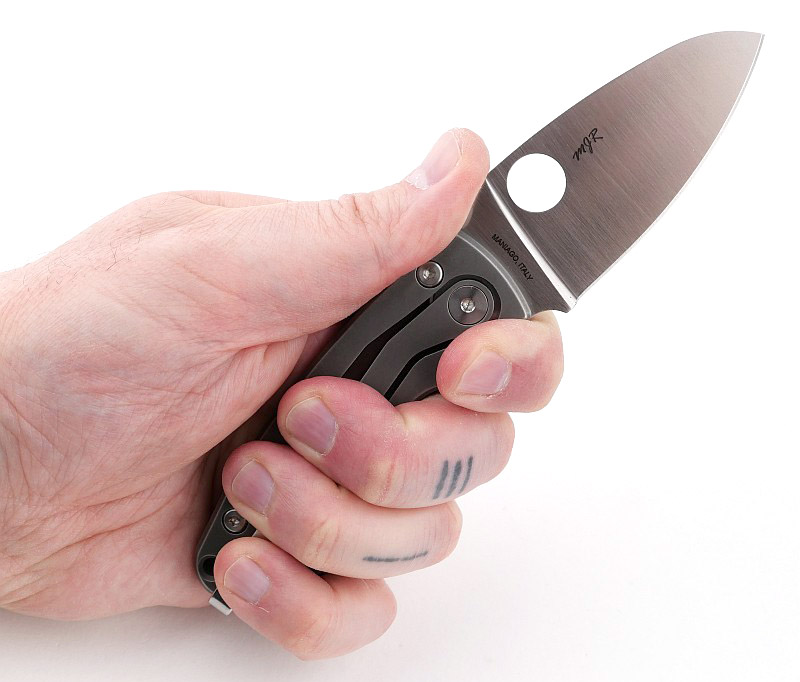
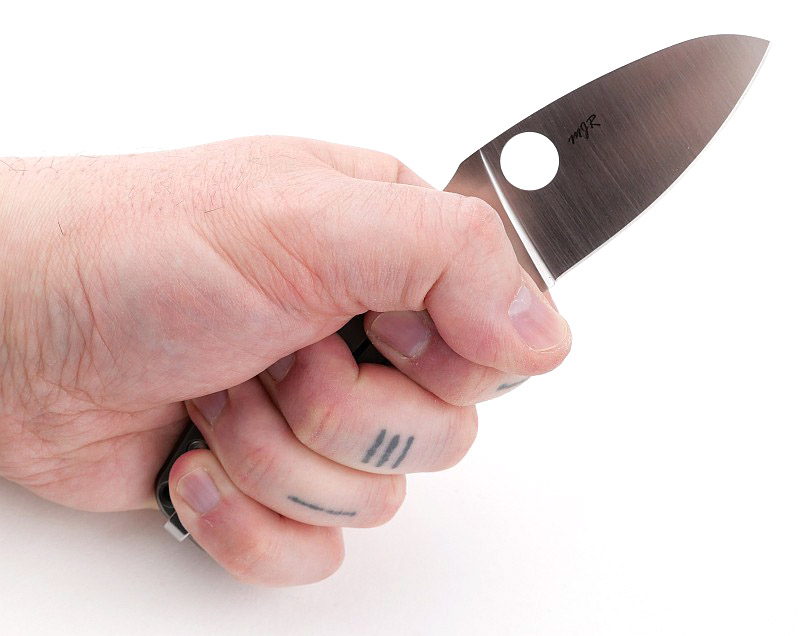
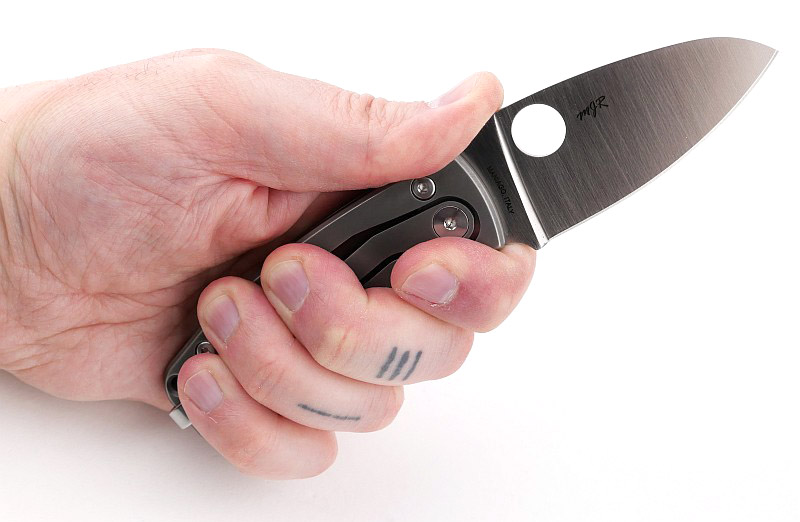
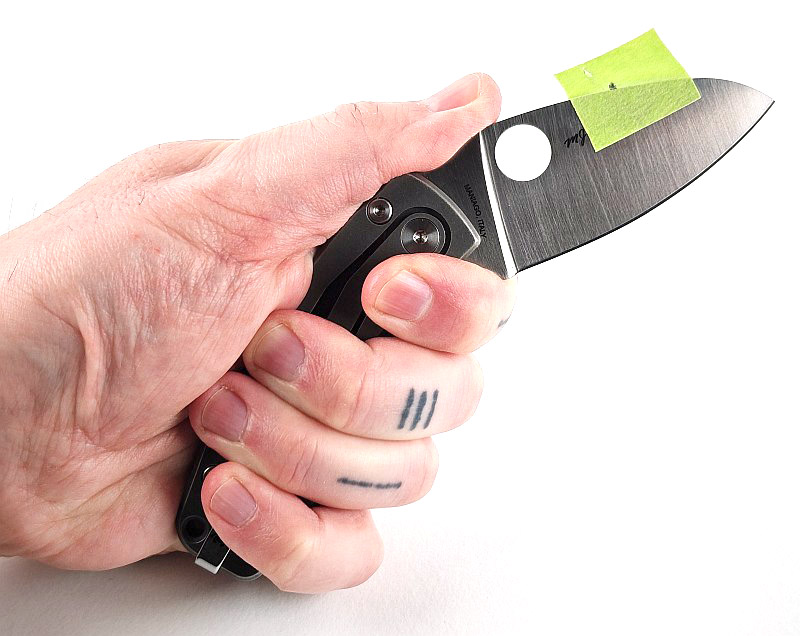
Shown here in my XL glove sized hands, the Mercury Luc is not an insignificant knife, but also not overly large. Easy to handle and comfortable to use for appropriate jobs (those not requiring heavy cuts), the Luc is extremely practical. When taking on slightly heavier cuts the spine is comfortable to press on with your thumb for that extra control and pressure.


Modern urban life, and those directing how we live, seem intent on diminishing the importance of every day tools, but even the tear-open packaging is much better when cleanly cut open. Let’s make the pocket knife an even more common every day tool, and use it how it should be used, to give us back control and provide choice for how we shape our experience in life.

The Mercury Luc gives us a simple, reliable, tool that just does what you need of it; no more, no less.

Carrying both the G10 and micarta versions on me constantly, despite this only being a difference in handle insert, the experience is quite distinct. The G10 has a crisper, brighter look, not just as it is orange, but the G10 has a sharpness. Peeled G10 is very grippy, but also abrasive and this can be fatiguing. With the canvas micarta, this material feels softer (despite also being resin based), warmer and much less harsh to hold. Though not really natural, the micarta has a more natural feel, and like a natural material is more likely to change in appearance through use. Personal preference will dictate your choice.


Mercury Luc Review Summary

The views expressed in this summary table are from the point of view of the reviewer’s personal use. I am not a member of the armed forces and cannot comment on its use beyond a cutting tool or field/hunting knife.

Something that might be a ‘pro’ for one user can be a ‘con’ for another, so the comments are categorised based on my requirements. You should consider all points and if they could be beneficial to you.

_______________________________________________
What doesn’t work so well for me
_______________________________________________

The sharpening choil is too small to fully access the heel.
Peeled G10 can be a bit harsh and abrasive.

_______________________________________________
Things I like
_______________________________________________

Elmax steel provides excellent edge retention.
Firm backspring and open/close action.
Nail ‘nick’ slot gives really good grip.
Handle width is both comfortable and slim.
Reliable and strong phosphor-bronze washers.
Choice of G10, micarta, or plain handles.
Super accessible lanyard hole.
Clean, modern, clip-point blade design.

Mercury Luc Review Videos

Starting with a short format sixty second review:


Onto a full video review covering many more details:


Discussing the Review:
Something new – will it work? A Tactical Reviews Subreddit.
TacticalReviewsChat on Reddit
Please visit there and start/join the conversation.

Knife Review: Hoo Knives V4

In this detailed review of the HOO KNIVES V4 Tanto, a UK EDC-Legal slip-joint, double-detent flipper folder; join me as we look at every aspect of this lovely EDC knife.

Hoo Knives are born from the founder’s true passion for quality knives, and Hoo Knives focus on non-locking, sub 3 inch, practical and safe use folding knives (UK EDC Legal requirements). A very approachable brand who are completely engaged in supporting and listening to their customers, along with the wider EDC community, and, case-in-point, they created the V4 Tanto due to high demand for a Tanto Style Blade in their line up.

What’s in the box?:
The V4 arrives in a proper, hinged, re-usable, plastic box, that you can either keep for storing the knife as part of a collection, or make use of it for other purposes. Contained in this box are the knife, a draw-string cloth case for the knife, a cleaning cloth, specification card, stickers, and warranty information.


A good look round the (folded) Hoo Knives V4 – Things to look out for here are:

This gallery shows the features you can see with the knife folded. Straight out of the box, the deep carry pocket clip has a protective wrap to prevent marks on the handle scale (both so it reaches you in perfect condition, and in case you decide to re-fit it to the other handle). The blade is almost fully contained within the handle, with only a thin part of the spine visible. Ambidextrous thumb studs and a flipper tab can be used to open the blade.
The titanium handles have a stonewashed finish, and while very flat, the edges are well eased for comfort.


A good look round the (opened) Hoo Knives V4’s blade – Things to look out for here are:

Once deployed, we can see details of the blade and the function of the knife’s mechanism. In the open position, the thumb studs come close to the front of the handle but do not touch the handle as they are not used as stop pins, instead this is done with an internal stop pin. A curved plunge line makes the transition from the hollow primary grind to the blade tang. The individual serial number is neatly engraved just in front of the handle. The blade swedge extends for the entire length of the spine, and combines with the outlines of the flat-ground tanto tip, and the blade’s main hollow grind, to give a pleasing mix of flowing curves and straight lines.
Finally looking within the handles you can see the double detent mechanism gripping the blade along with the internal stop pin.


The Blade and Handle – Detailed Measurements:
For full details of the tests and measurements carried out and an explanation of the results, see the page – Knife Technical Testing – How It’s Done.

The blade is made from M390 steel.

Being a slipjoint design the Tactical Reviews technical parameters also include peak torque measurements for opening and closing torque. This gives you an indication of the slipjoint mechanism’s blade stability. Comparative torques can be see on the Knife Technical Testing – How It’s Done page.

Explained by the Maker:
In this section I’m including words directly from the maker themselves.

HOO DESIGNS LIMITED trading as HOO KNIVES was founded in the United Kingdom on 30 March 2021 with the goal of offering premium, British-designed folding knives at fair and competitive prices.

Since then, we’ve expanded our range to include a variety of unique models, each utilising high-quality materials, ensuring durability and top-notch performance.

With a focus on non-locking sub 3 inch practical and safe use folding knives, we’re proud our products are used by professionals and enthusiasts worldwide. We continue to engage with our customers through social media and strive to deliver exceptional performance in every product, alongside a high degree of customer service.

In relation to our name, HOO KNIVES, many may be curious about the connection to the Sutton Hoo site. Sutton Hoo is a significant archaeological site located near Woodbridge, Suffolk, England, known for its medieval cemeteries dating back to the 6th and 7th centuries. The site is famous for the discovery of an Anglo-Saxon royal burial ship, and it has played an important role in British history and heritage. Our name pays homage to this rich historical connection, reflecting the craftsmanship, heritage, and timeless quality that we strive to embody in every knife we create.

Our logo was inspired by the Sutton Hoo helmet, one of the most iconic artefacts from the site. The helmet is part of what is widely regarded as the greatest treasure ever discovered on British soil. We chose to incorporate elements of this historic symbol into our branding to reflect the heritage, strength, and craftsmanship that define HOO KNIVES.

As we build on four years of history, HOO KNIVES continues to evolve and refine our designs. What started in 2021 with a vision to offer premium, British-designed knives at accessible prices has grown into a trusted brand among knife enthusiasts. With each model we release, we aim to offer a product that blends quality, functionality, and class while maintaining a focus on the needs of EDC users in the UK and around the world.

We’ve built a reputation for our commitment to design, performance, and customer service, and as we move forward, we’re excited to continue expanding our range and sharing our passion for knives with an ever-growing community. Every year, we learn, adapt, and strive to improve.

For the longest time members of the EDC community have asked if Hoo would ever make a Tanto Style Blade, we are very proud to reveal our intention to do just that! Introducing the Hoo Knives V4 Tanto.


The Factory edge up close:

Followers of Tactical Reviews will know my views on factory edges, but to recap:

Anyone using a knife will need to sharpen it. That first factory edge is just like the first tank of fuel that a new car comes with (or first charge of the battery).
A good factory edge is a ‘nice to have’ but not a ‘make or break’ for a good knife, as you will be putting your own edge onto it soon enough.
The factory edge does however indicate the care a knife maker has put into the final finish.
It is for this reason Tactical Reviews measures factory edge sharpness and specifications, and includes this information in the detailed technical testing.

As a further look at the factory edge, this section has been added to include some high magnification photos of the factory edges.


What is it like to use?

Flat, stone-washed handles that look great in their natural Titanium grey, and the sleekness of an all metal knife, which is somehow softened slightly but the surface finish and easing of the handle edges. It wants to be held and turned over in your hand a bit like a worry stone.

Hoo Knives V4’s design, considering it is based around the sub 3″ UK EDC Legal requirement, is still a comfortable size knife to hold and has a useful amount of cutting edge. Shown in this gallery, with your first finger firmly placed in the handle finger groove, the flipper tab will prevent the blade closing accidentally. Keeping a tight grip ensures the blade can’t close on you. (Of course you would use correct cutting technique to prevent this as well, wouldn’t you?)

One minor detail that I appreciate, is that with the subtle shaping of the handle at the butt to create a low profile grip hook, this raised section helps to better enclose the tip of the folded blade. All too often the very tip of a folding knife blade is a bit too accessible and can actually catch on your finger. In the case of the V4, that handle shaping at the butt keeps the blade tip well covered.

Combining a flipper tab and thumb stud to open the V4 gives you good flexibility. My personal preference is always to open a blade under full control, so I lean towards using thumb studs. With the thumb studs being tight into the handle on the V4, for an easier start you can use the flipper tab to partially pop the blade open, and then take over with the thumb studs to fully open the blade under manual control. While you certainly can flip the V4’s blade fully open, and also fully thumb it open, I really like this combined method with the tab popping the blade out and finishing with the thumb stud.

The slipjoint action is crisp out of the box and so far the double detent remains nicely crispy. The slip-joint torque figures presented earlier in the review bear this out well, and the blade is held perfectly firmly enough for a slip joint.

With the spring pressure acting on the blade, a slipjoint mechanism tends to mask the true feeling of its pivot bearings. The V4 is fitted with the Hoo Knives’ standard ceramic ball bearings, as used across all models (except the original production run of the V1). Blade rotation on these ceramic ball bearings is slick and precise.

Thanks in part to those ceramic bearings, but also the double-detent blade retention, Hoo Knives have also achieved a truly flippable slipjoint. This is a rare feat in the slipjoint world, as in most cases the blade spring in a slipjoint completely prevents the ability to flip open the blade, instead you do need a detent type of blade retention.


Pocket carry is very unobtrusive, with the slim deep-carry clip being very subtle. All the more sleek in appearance due to the clip’s fixing screws being inside the handle. The only downside to this is if you do want to move the side the clip is fitted to, you do need to take the knife apart.

Tantos have that very useful secondary point and angled chisel-like tip, and initially I was less impressed with cutting performance than I expected. The factory edge average BESS of 272 is OK, if not great, though the 50 degree inclusive edge angle made this factory edge a disappointing under performer. Putting a new 17DPS edge (around 200 BESS) totally transformed the V4 – now that is more like it.

If a tanto is not you favourite blade shape, check out the other Hoo Knives models, all of which are created with the same care as the V4, and as I am writing this, the latest Phoenix and Dragon models have joined the line up.

Just today, I was actually chiseling (push cutting) with the V4’s tanto tip to free up the action of a folding wooden table. Now the V4 is positively asking to be EDCed, and is being put to work on all the every day jobs that present themselves. The V4 is firmly earning its essential EDC status along with those other EDC items I won’t be without.


Review Summary

The views expressed in this summary table are from the point of view of the reviewer’s personal use. I am not a member of the armed forces and cannot comment on its use beyond a cutting tool or field/hunting knife.

Something that might be a ‘pro’ for one user can be a ‘con’ for another, so the comments are categorised based on my requirements. You should consider all points and if they could be beneficial to you.

_______________________________________________
What doesn’t work so well for me
_______________________________________________

Factory edge underwhelming (put your own on it).
Swapping the pocket clip side requires a full strip down.
Thumbs studs a bit scratchy/sharp.

_______________________________________________
Things I like
_______________________________________________

Super sleek deep-carry pocket clip.
A true flipper slipjoint.
M390 steel.
Full metal construction.
Natural stonewashed titanium handles.
Double-detent slip-joint.
Crisp action with good retention.
Ceramic ball bearings.
Flipper tab and Thumb studs.
Both easy to carry and a very useful size.
Great Hoo Knives customer service.

Review Videos

Starting with a short format sixty second review:


Onto a full video review covering many more details:


Discussing the Review:
Something new – will it work? A Tactical Reviews Subreddit.
TacticalReviewsChat on Reddit
Please visit there and start/join the conversation.

Knife Review: Viper Twin

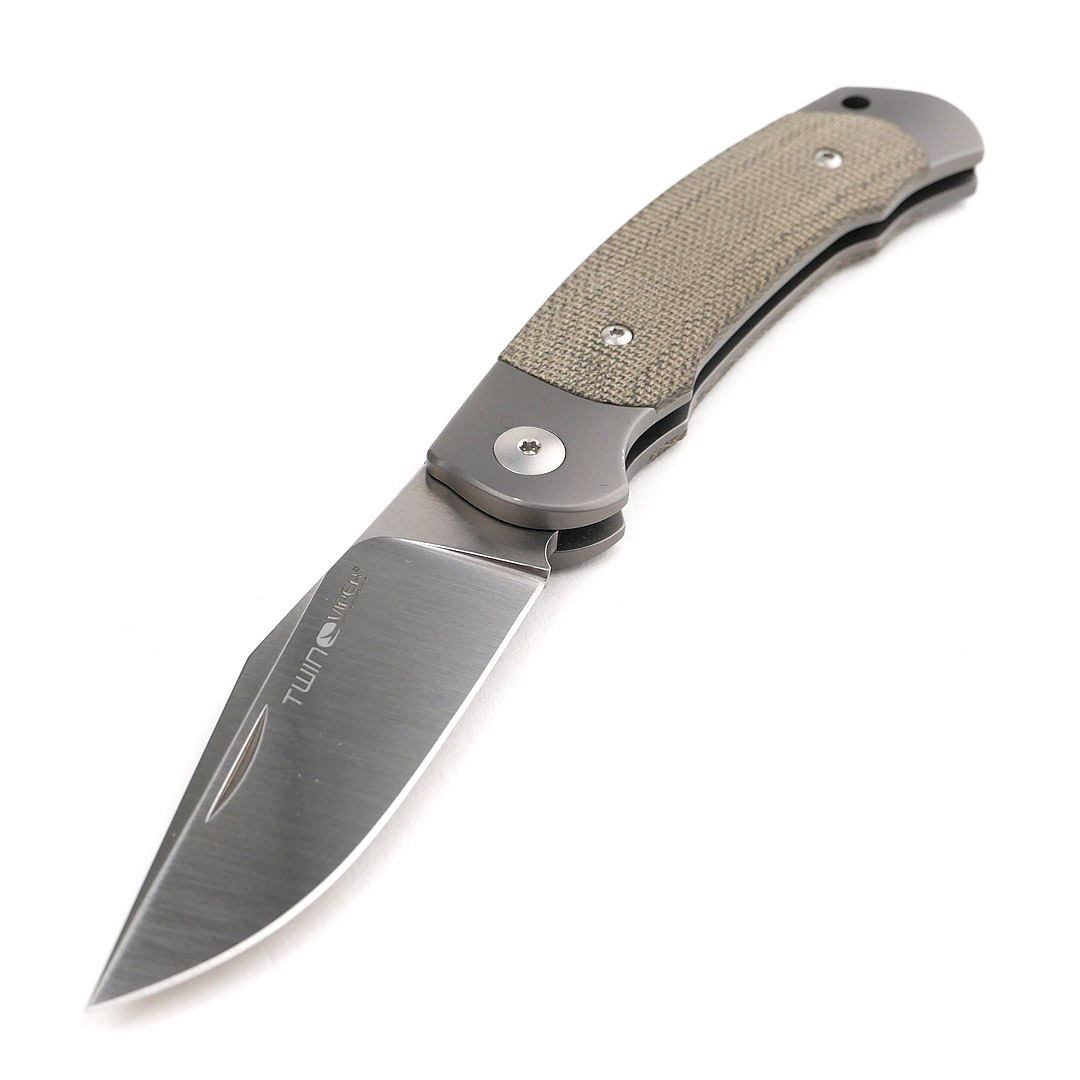
In this Viper Twin review we will be taking a detailed look at this new knife. The Twin is a small and elegant slipjoint gentleman’s pocket knife, especially suitable for every day use. It was designed by Fabrizio Silvestrelli who has been collaborating with Viper for years in the development of new knives.

Each of the Twin’s handles are made from one piece of titanium formed into the body, liner and bolsters, making it very strong, and it is offered with a choice of different colours of scale inserts. You can choose from Dark Matter Gold carbon fiber and the ivory G10 or as shown here, the green Canvas micarta. The Twin also comes with a leather slip case.

The blade is made from M390 stainless steel, an excellent combination of edge retention and corrosion resistance. It is non-locking slipjoint design, and the cutting edge is under three inches long making the knife friendly carry in many places.

What’s in the box?:
This is more of a ‘what would have been in the box’ as I don’t have the box. This knife was a display piece at IWA 2024, so you may see a few marks that would not be there on a new knife, and I have only the slip case and knife.


A good look round the Twin – Things to look out for here are:

This gallery is quite a large one, covering all the main aspects of the Twin. Starting with a detail of the pivot bolt in the integral bolster, moving to the other end of the handle with rear integral bolster and lanyard hole. The spacer/back-spring of the Twin is polished making for a stand out feature next to the matt titanium. The fit of the handle scale, and the one-piece construction of each titanium handle can be seen. My personal preference of phosphor-bronze washers are used for the blade pivot.
Swinging out the blade, initially to the half stop. A drop-point with long swedge gives this a powerful look. Focusing in on a few smaller details on the M390 blade, and into the handle. The final image is of the blade tip with factory edge.


The Blade and Handle – Detailed Measurements:
For full details of the tests and measurements carried out and an explanation of the results, see the page – Knife Technical Testing – How It’s Done.

The blade is made from M390 steel.

Being a slipjoint, the blade’s resistance to opening and closing is a key feature. One of the Tactical Review’s tests is to measure the torque required to open and close the blade, and in here including the half stop. This is done using a force meter and applying it to the blade at a set distance from the pivot.

The final measurements are as follows. A crucial factor you can see in these results is that the closing force is significantly higher than the opening force, making the blade stable during use even though it is non-locking.


The Factory edge up close:

Followers of Tactical Reviews will know my views on factory edges, but to recap:

Anyone using a knife will need to sharpen it. That first factory edge is just like the first tank of fuel that a new car comes with (or first charge of the battery).
A good factory edge is a ‘nice to have’ but not a ‘make or break’ for a good knife, as you will be putting your own edge onto it soon enough.
The factory edge does however indicate the care a knife maker has put into the final finish.
It is for this reason Tactical Reviews measures factory edge sharpness and specifications, and includes this information in the detailed technical testing.

As a further look at the factory edge, this section has been added to include some high magnification photos of the factory edges.

There are a few more images than I normally include as I found this knife, despite being a show knife, still had some burrs from the factory sharpening. A quick strop would remove them quickly and this edge was very good, so this is out of interest more than anything else.


What is it like to use?

As a non-locking knife I’m able to properly EDC it, and have been carried this knife for a considerable time. My nails don’t like nail nicks, and I always pinch-open the blade of the Twin, which is reassuringly firm in its action. The size is both easy to carry but also substantial enough you don’t feel it is lacking, certainly not for typical EDC use. The wide flat ground blade makes light work of various jobs and slices well.
This gallery shows it in my XL glove-size hands.
In the last two images in this gallery (one of which is included full size at the end of the review) you can just make out the modification I have made, which for me completes the Twin, and that is adding a sharpening choil. I find that small point detail incredibly useful when I’m doing certain cuts so I’ll often add this feature if it isn’t there.


You might have noticed the review ‘feature image’ makes the blade appear very dark, and then in the review introduction, another similar image with the blade full of light. And just below here is another version somewhere between. Of course the blade is very reflective and the changing light gives very different character to the blade. Though the feature image is absolutely real, it is not really representative of how you see the Twin most of the time, it was however striking and interesting looking, so I put it as the headline feature image for that reason.

With the minor modification I made (adding the sharpening choil), the Twin is a firm favourite of mine and will be difficult to displace from my daily EDC.


Review Summary

The views expressed in this summary table are from the point of view of the reviewer’s personal use. I am not a member of the armed forces and cannot comment on its use beyond a cutting tool or field/hunting knife.

Something that might be a ‘pro’ for one user can be a ‘con’ for another, so the comments are categorised based on my requirements. You should consider all points and if they could be beneficial to you.

_______________________________________________
What doesn’t work so well for me
_______________________________________________

No sharpening choil (but I added one).

_______________________________________________
Things I like
_______________________________________________

Reassuringly firm blade retention torque.
Stable construction.
Polished back-spring detail stands out.
M390 steel giving excellent edge retention.
Slim and easy to carry.
Strong wide blade.
Leather slip case included.

Review Videos

Starting with a short format sixty second review:


Onto a full video review covering many more details:


Discussing the Review:
Something new – will it work? A Tactical Reviews Subreddit.
TacticalReviewsChat on Reddit
Please visit there and start/join the conversation.

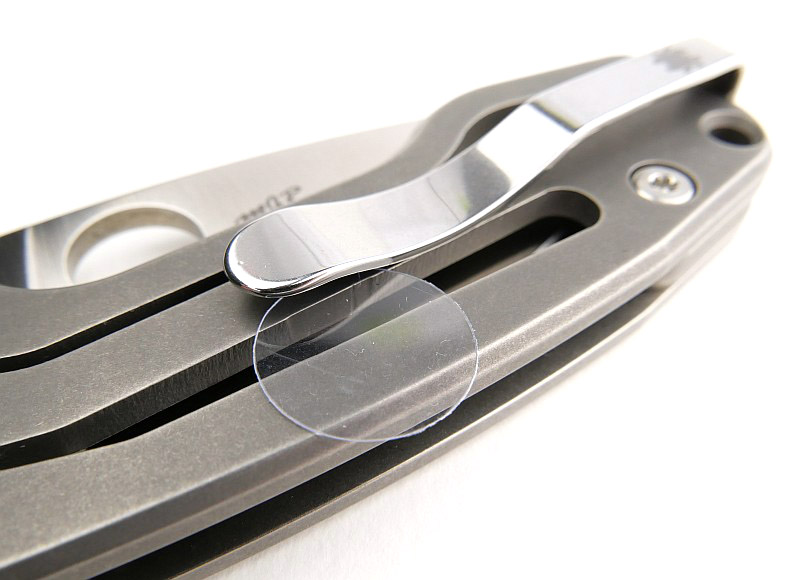
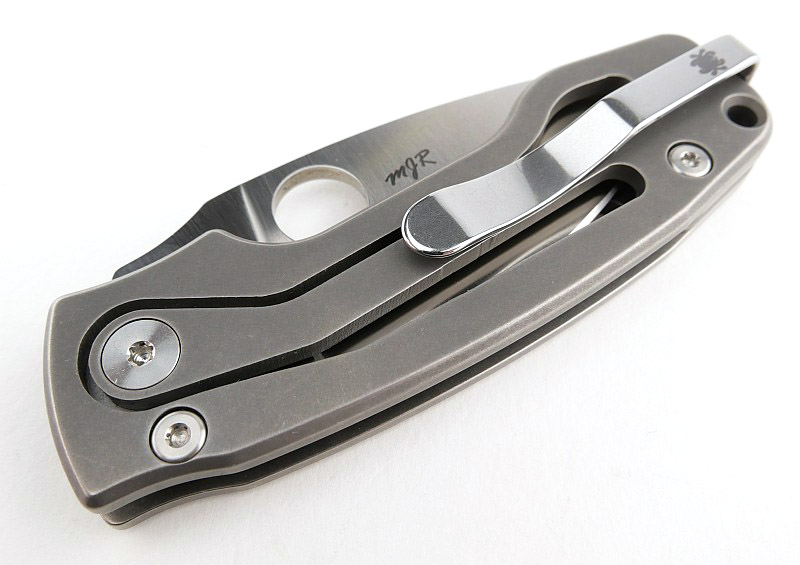
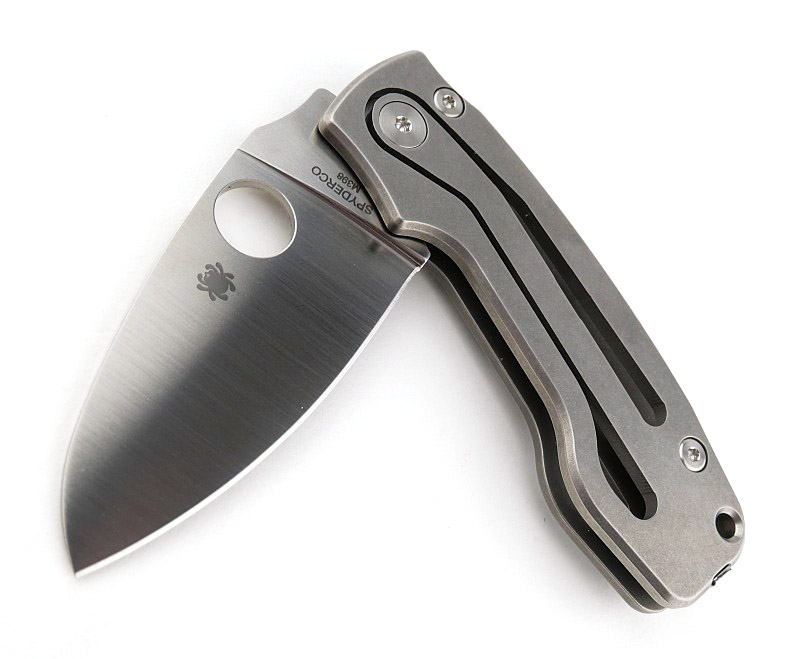
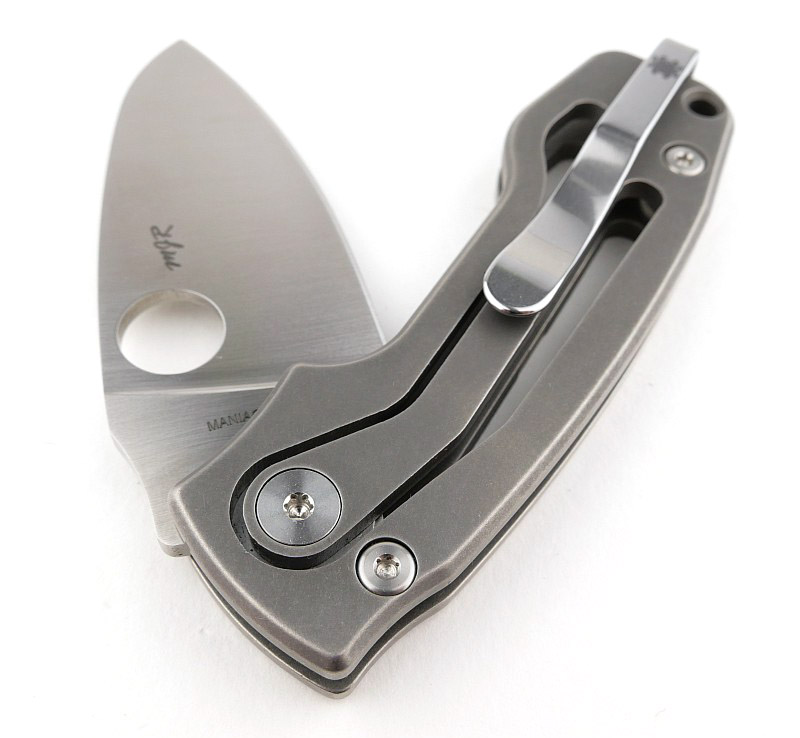
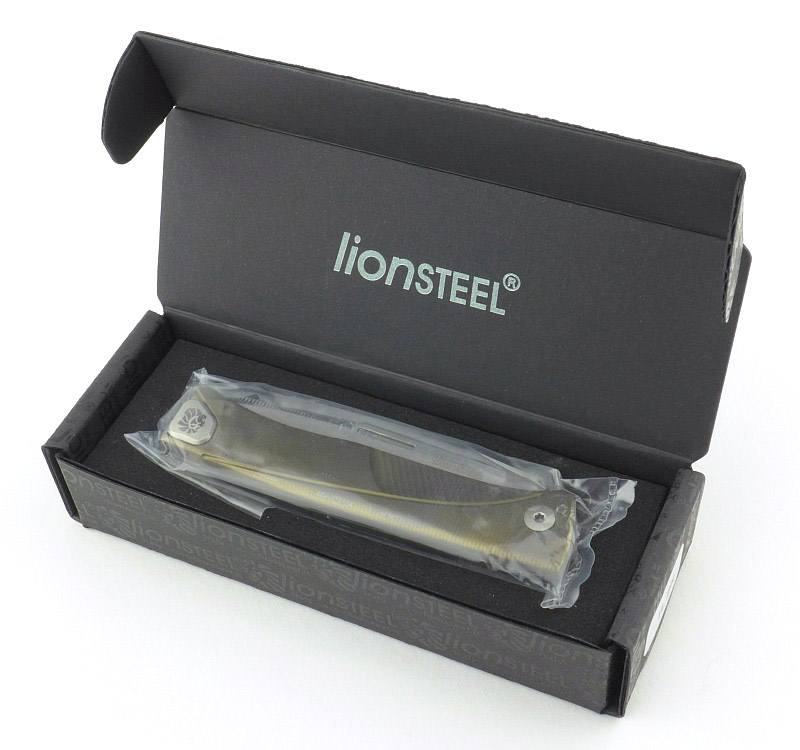
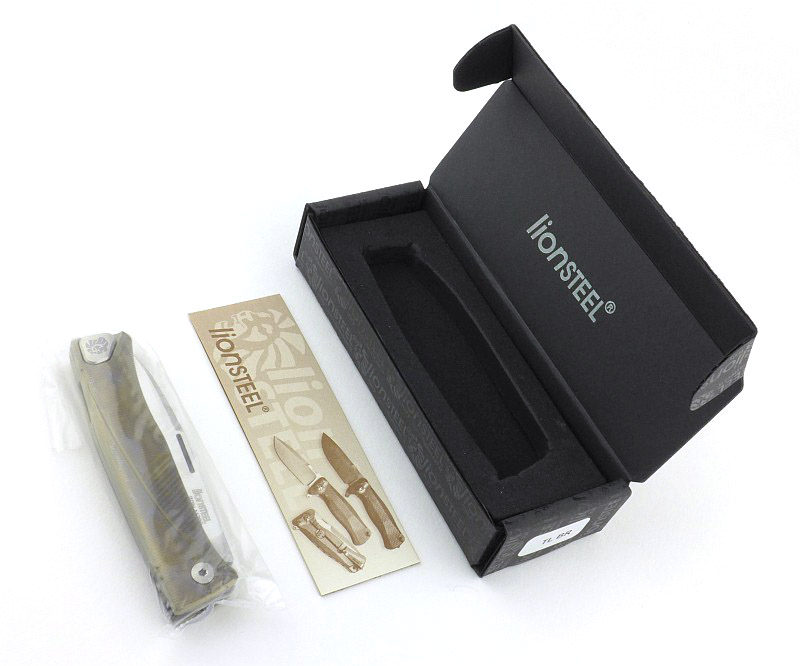
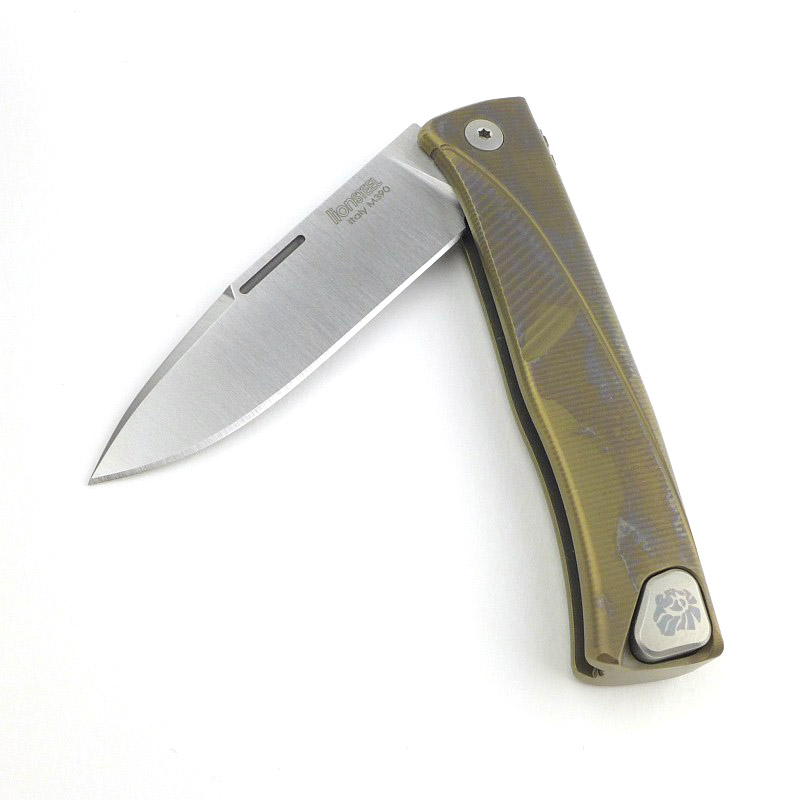
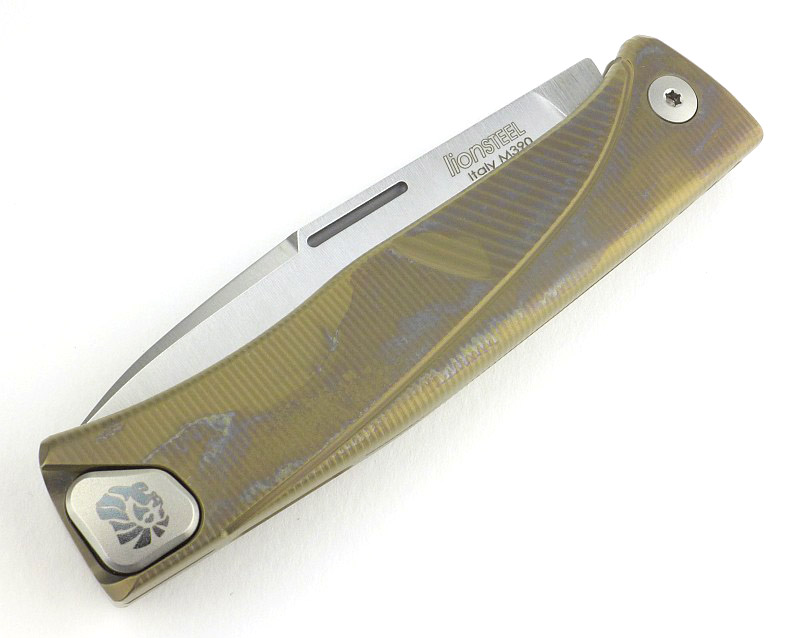
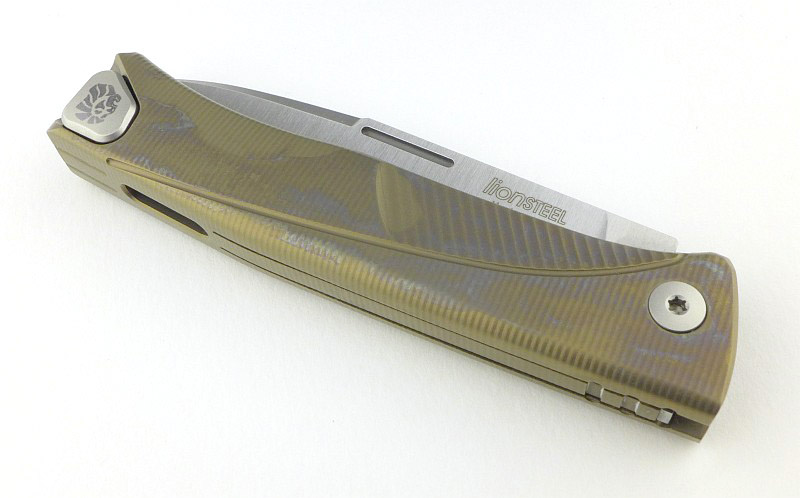
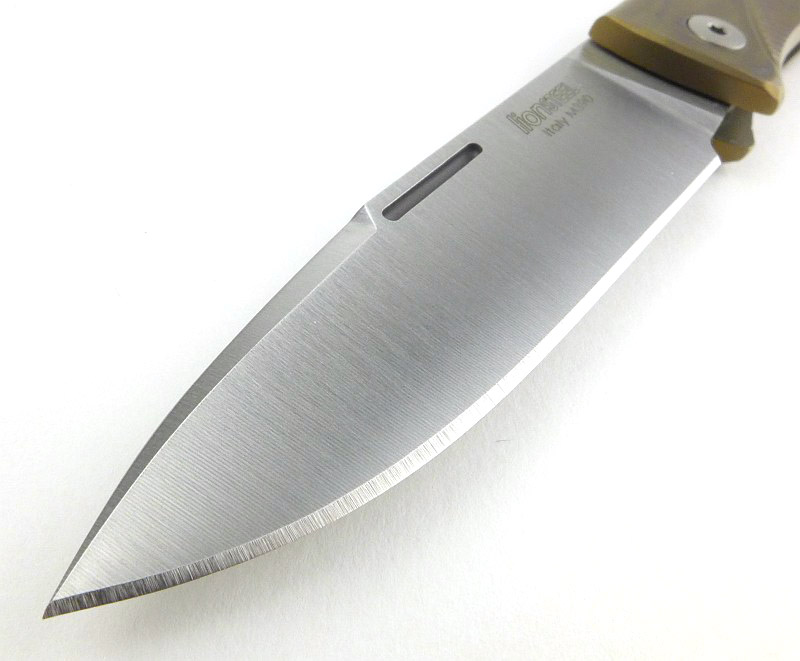
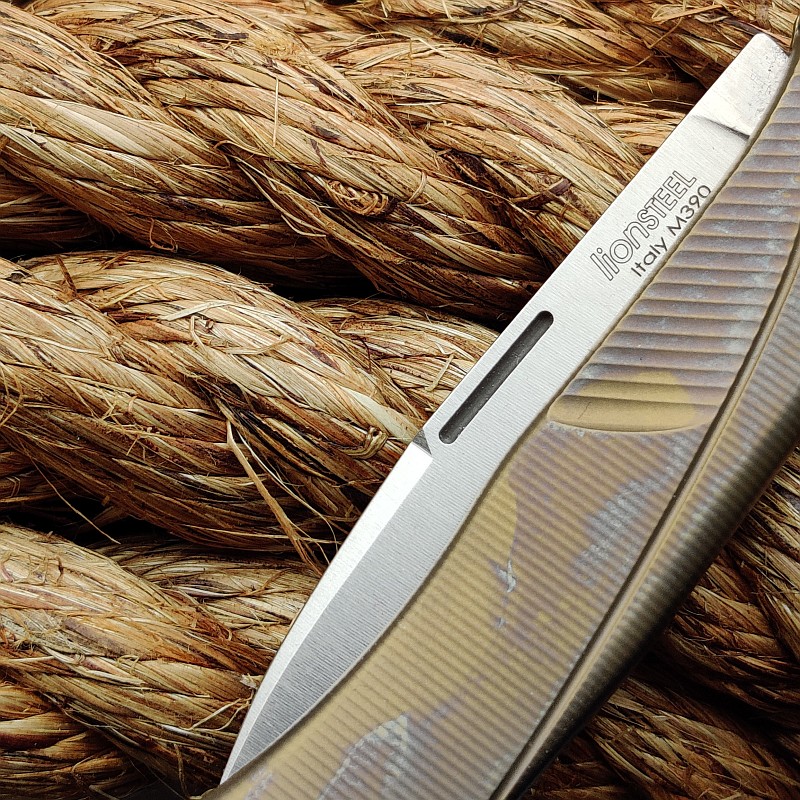
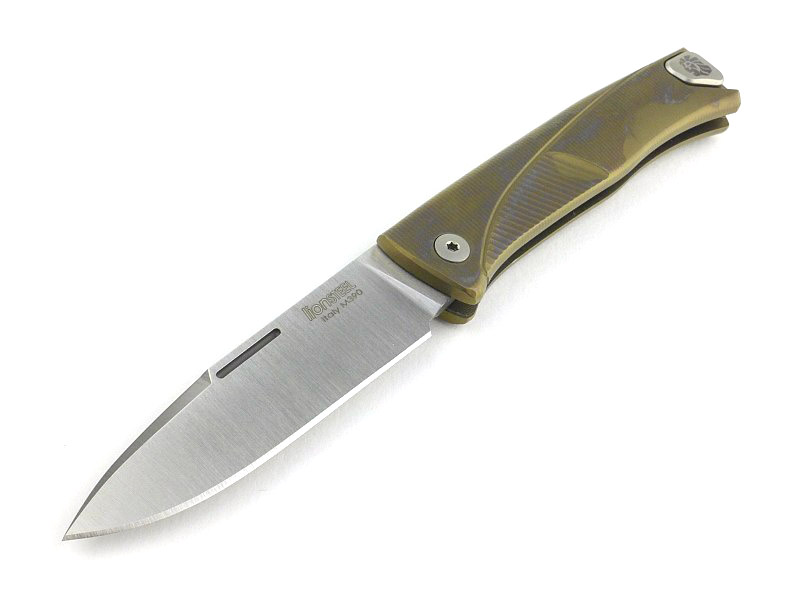
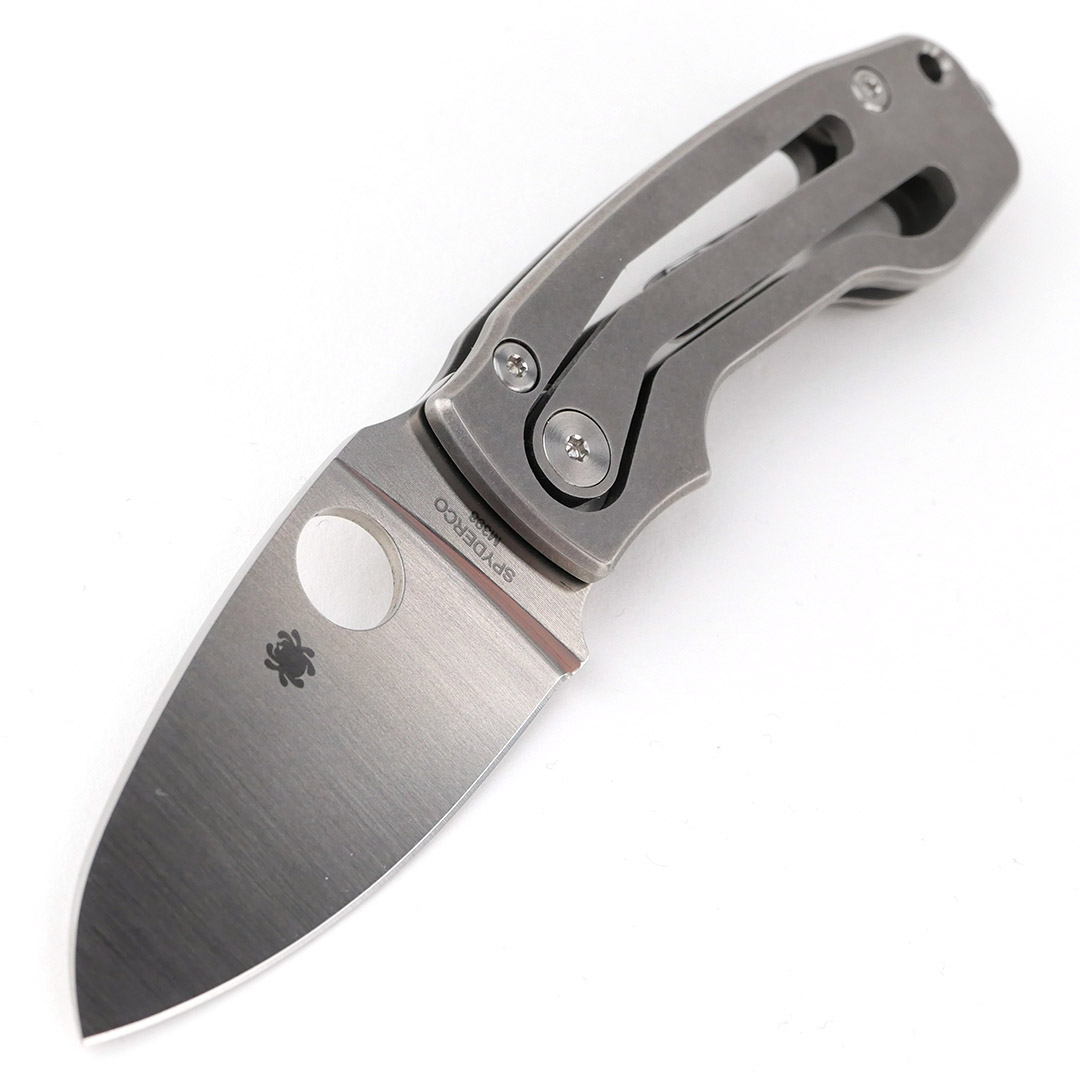
Knife Review: lionSTEEL Thrill

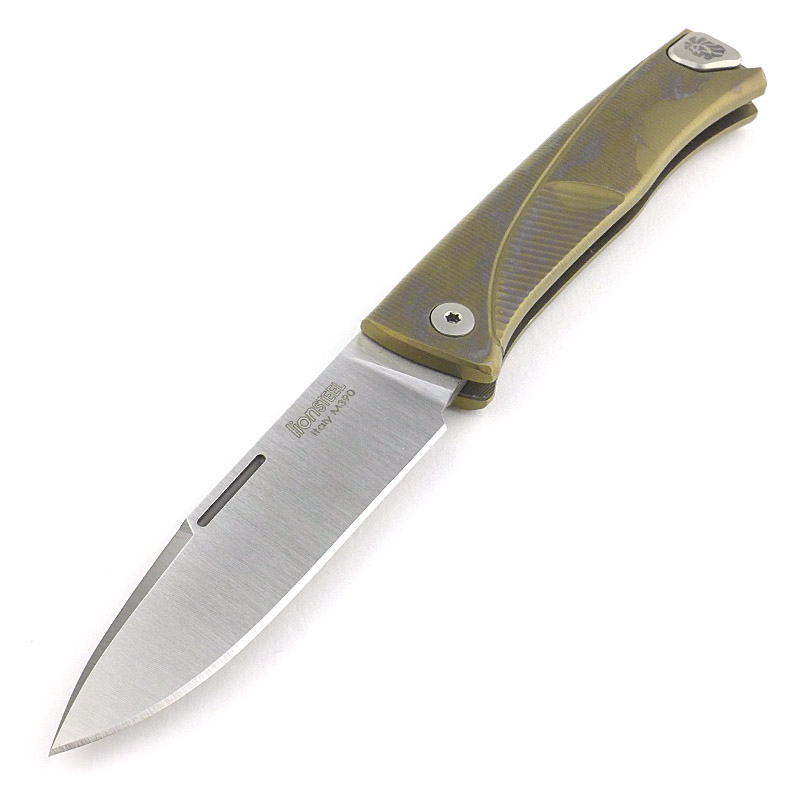
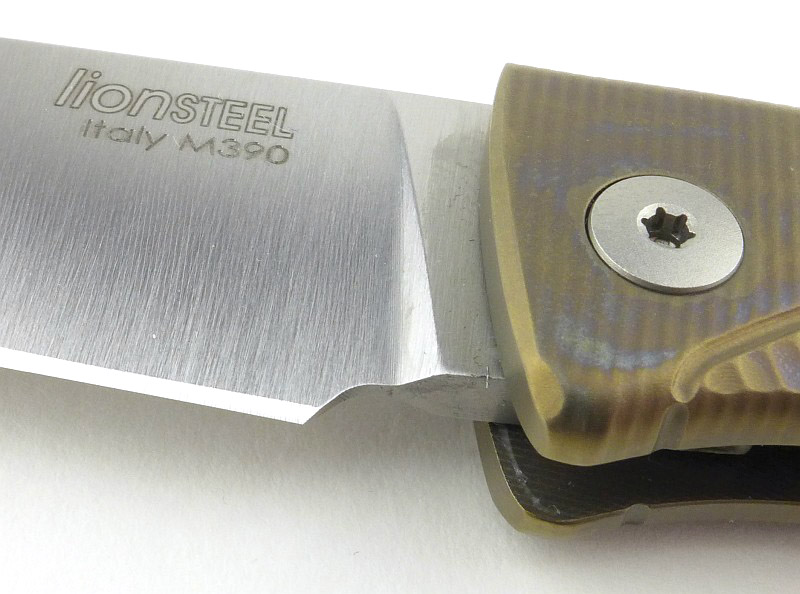
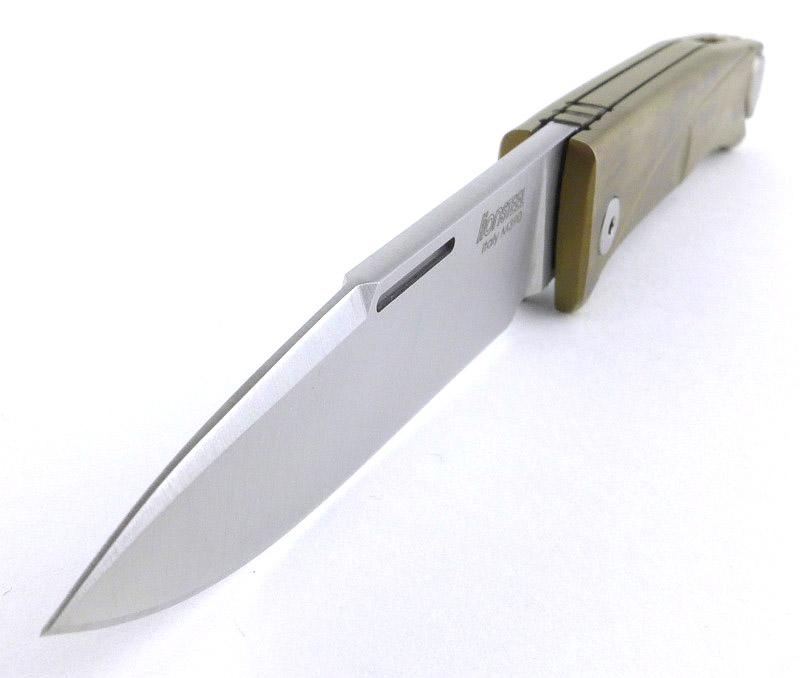
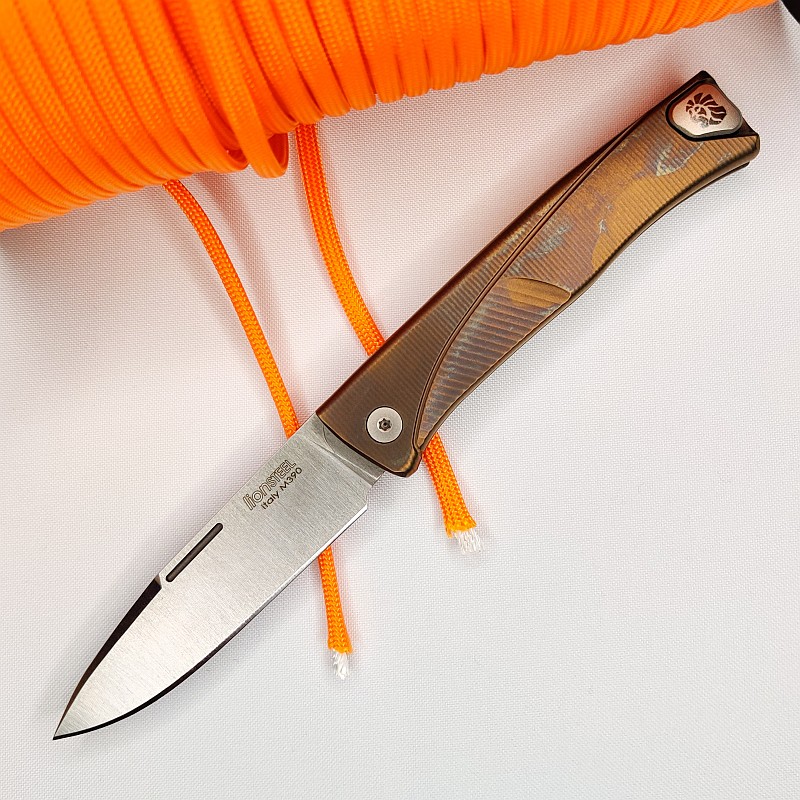
I could not wait to get hold of a lionSTEEL Thrill when I saw it. It’s a slip-joint, and that is part of the attraction, as in the UK, for EDC-legal carry, it has to be non-locking – but there is so much more. The handle and spring are machined from a single solid piece of titanium, it has IKBS pivot bearings, a M390 blade and the stealth ‘hideaway’ pocket clip, making it a fully loaded package. Join me in this review of the lionSTEEL Thrill, a slip-joint pocket knife.

What’s in the box?:
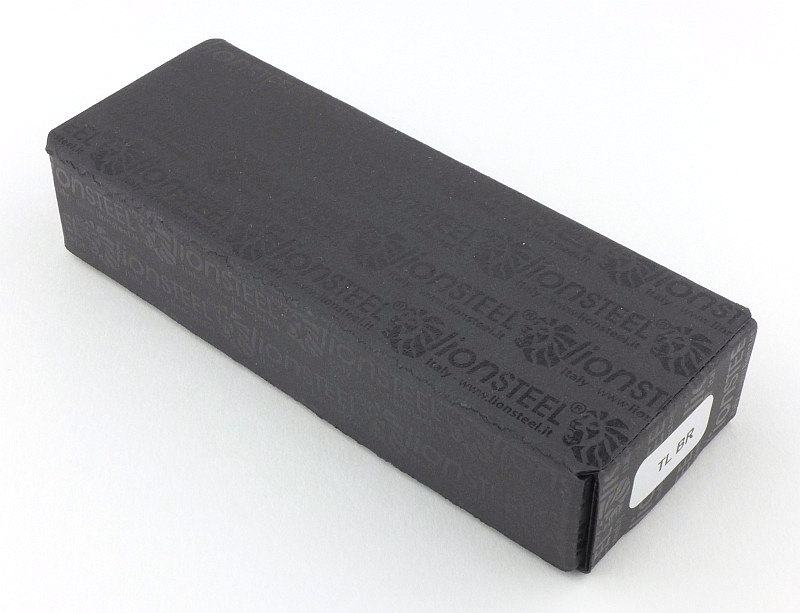
Very well presented packaging.


A good look round the lionSTEEL Thrill – Things to look out for here are:
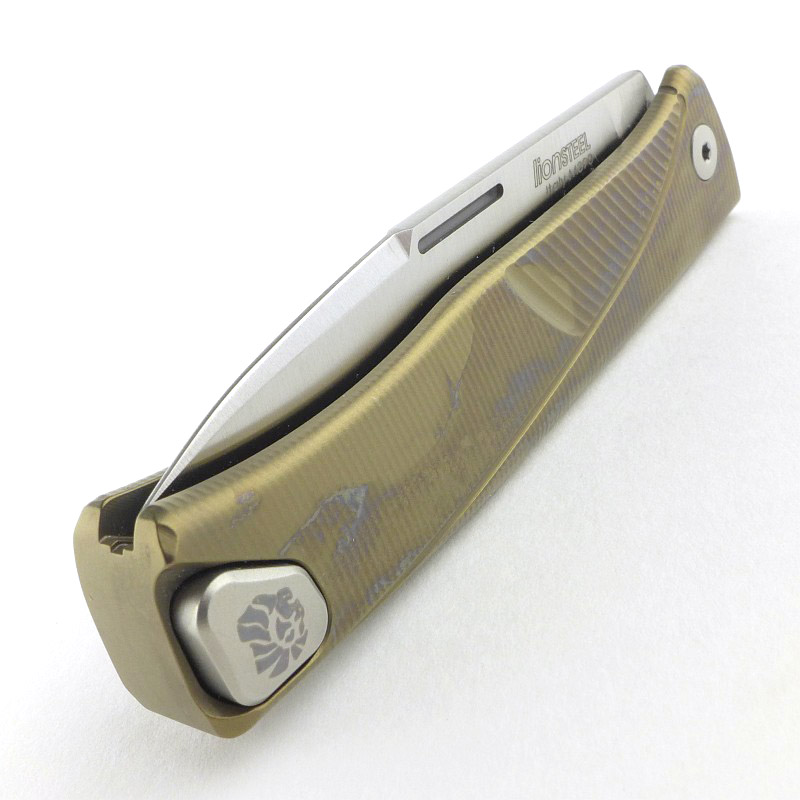
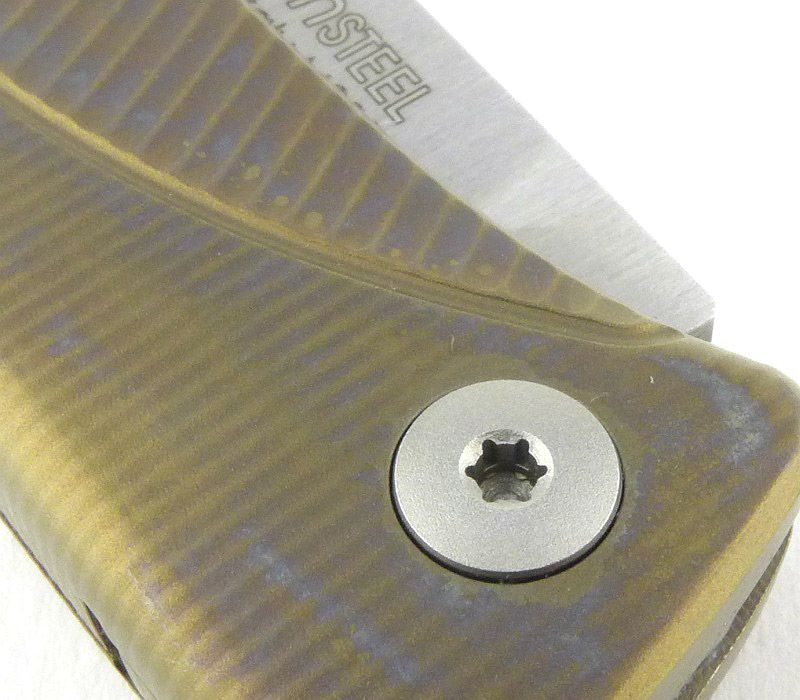
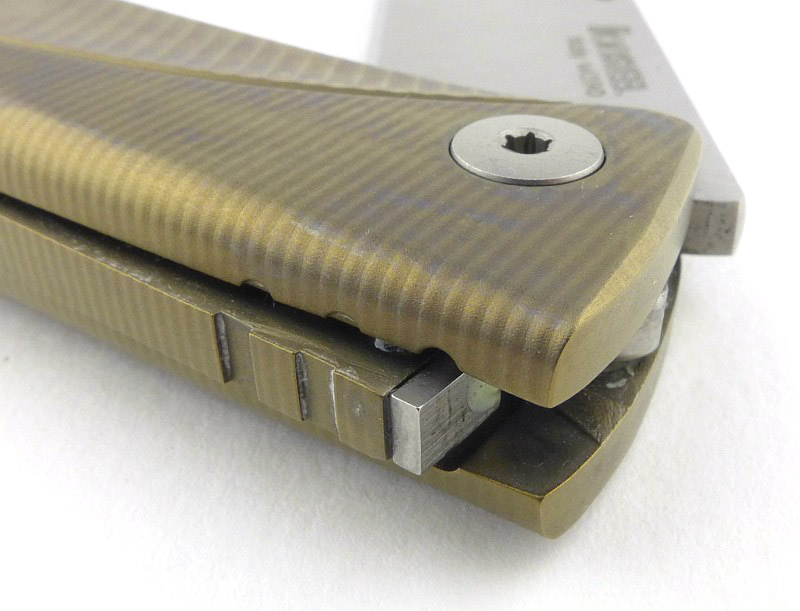
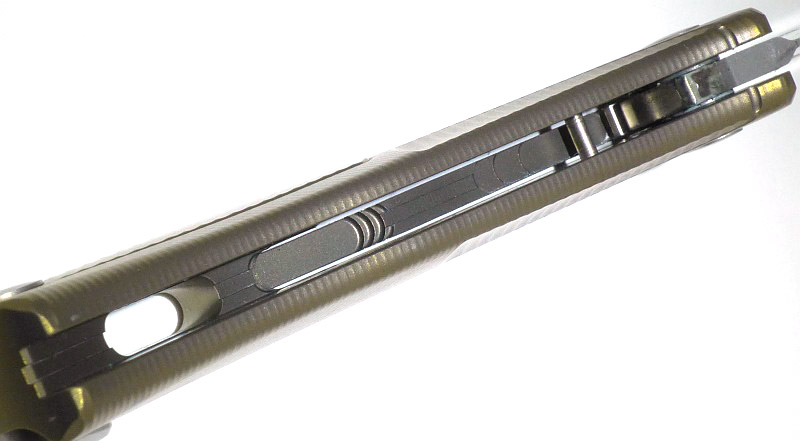
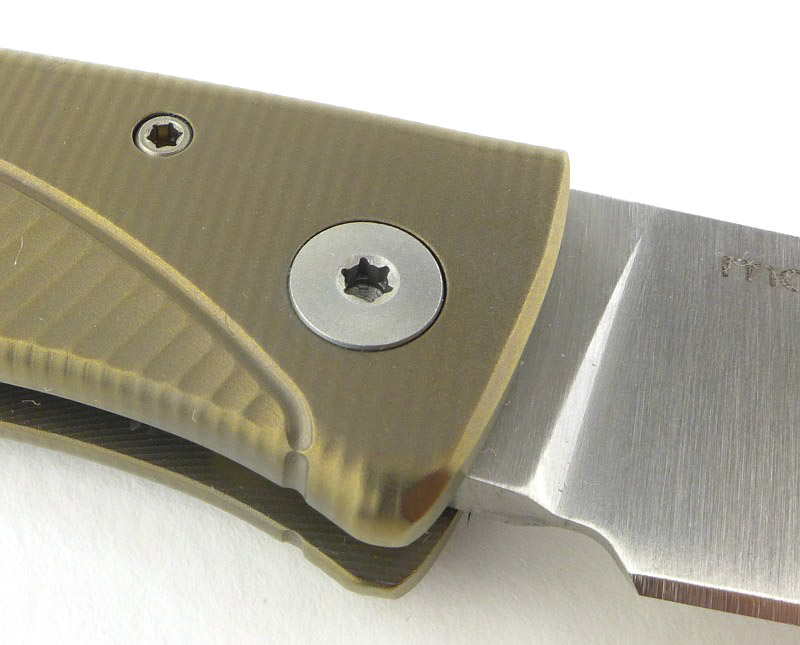
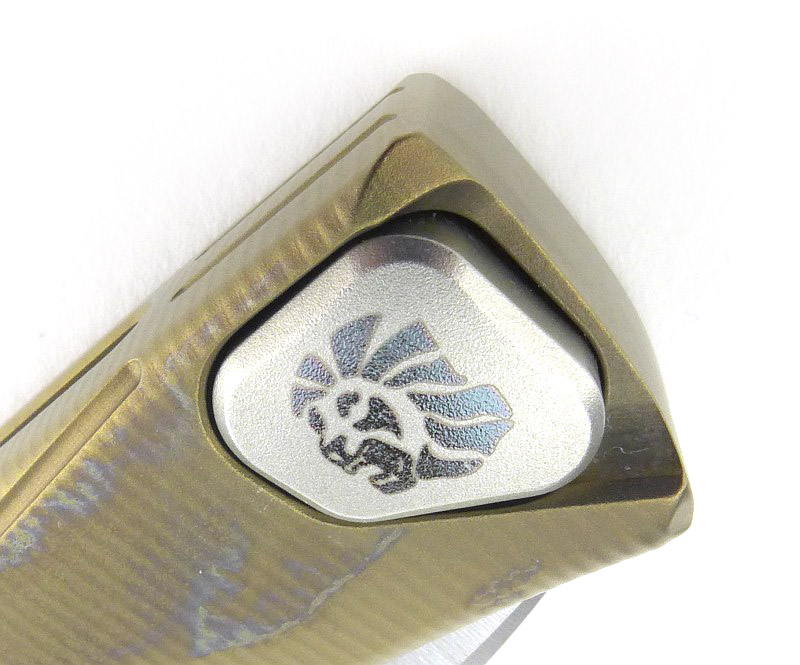
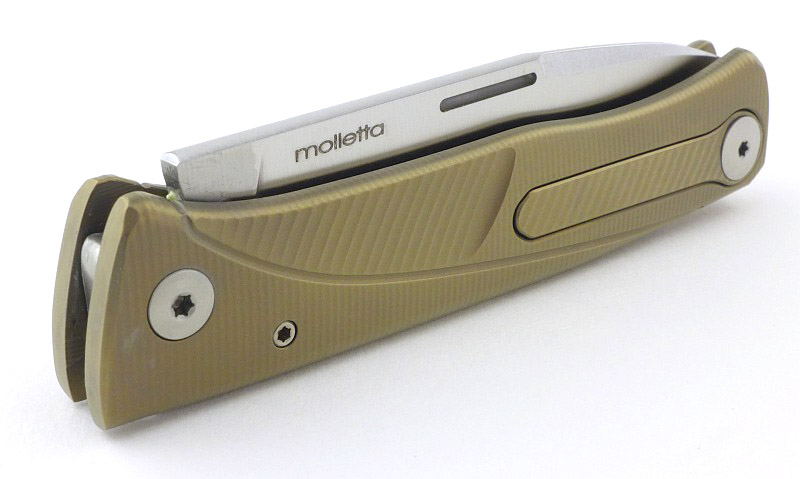
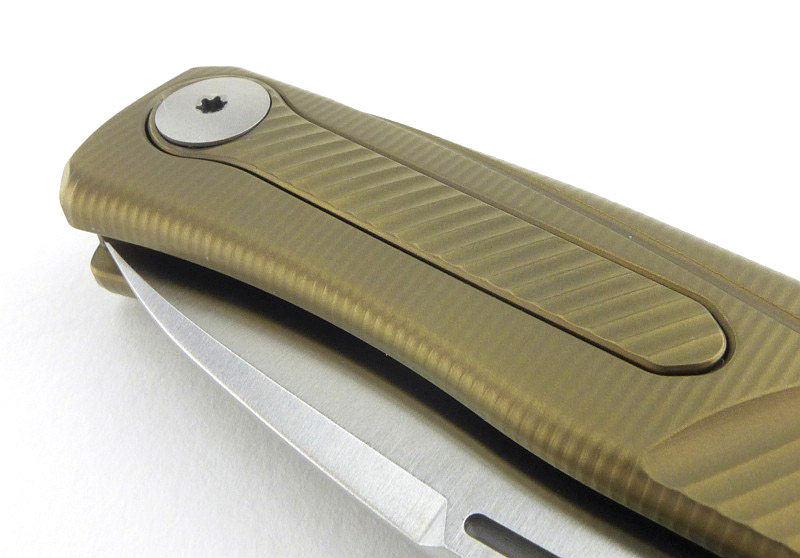
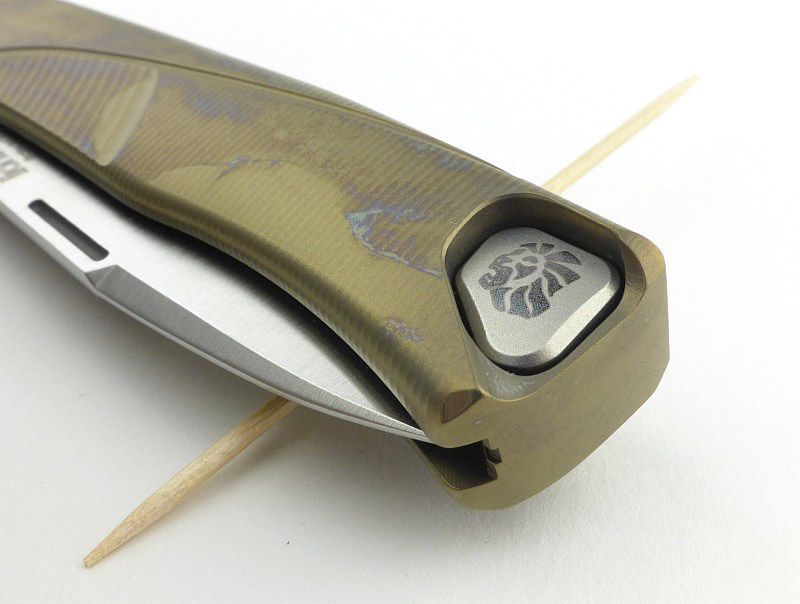
This gallery has a lot to look at (and we take a closer look at the pocket clip separately): the quality of machining and detailing of the solid handle, the steel ‘spring liner’ protecting the titanium spring from the blade tang, fit and finish of the fixings, and machining of the blade.


H.WAYL pocket clip:
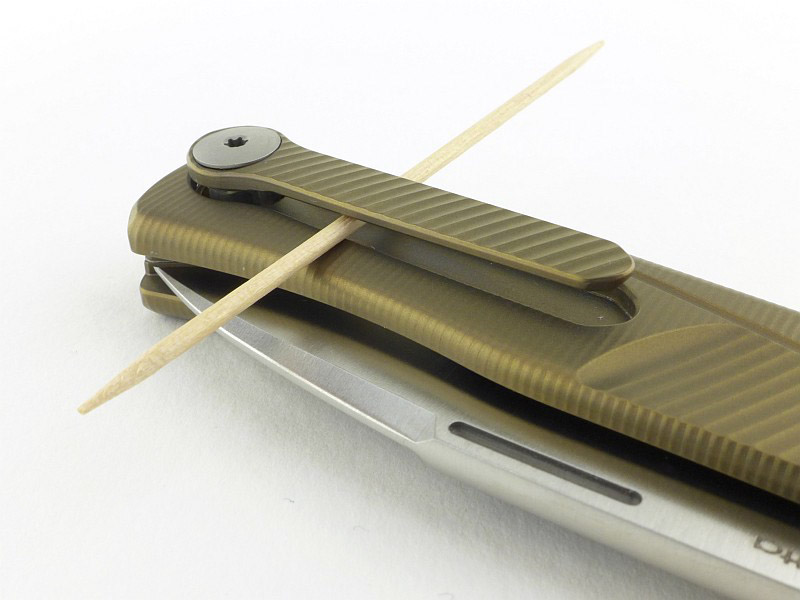
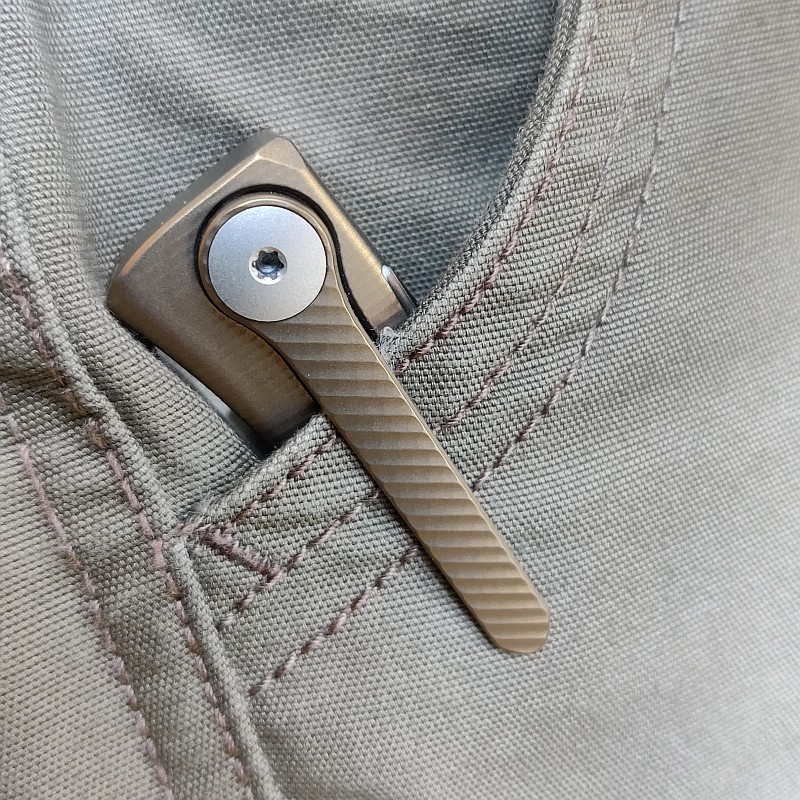
The Thrill uses lionSTEEL’s ‘Hide What Annoys You’ H.WAYL clip system that allows the pocket clip to sit flush with the rest of the handle, instead of sticking out and sticking into your hand when using the knife. When hidden, you press the button to open the clip and allow it to slip over your pocket.


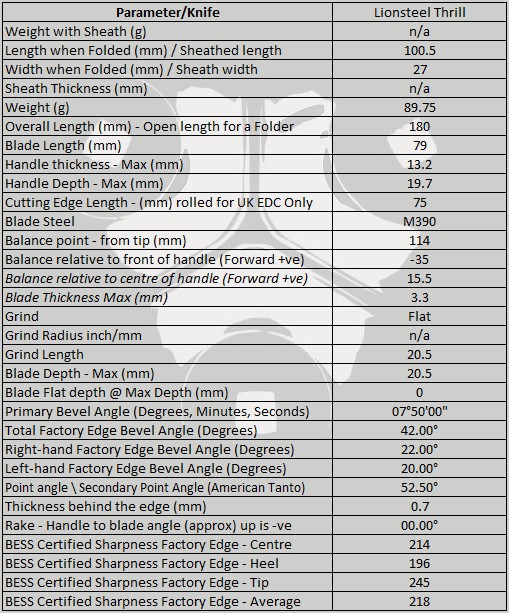
The Blade and Handle – Detailed Measurements:
For full details of the tests and measurements carried out and an explanation of the results, see the page – Knife Technical Testing – How It’s Done.

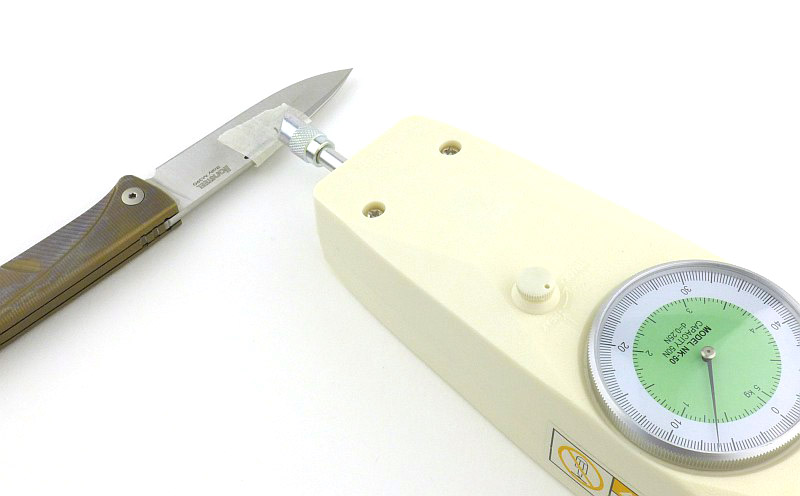
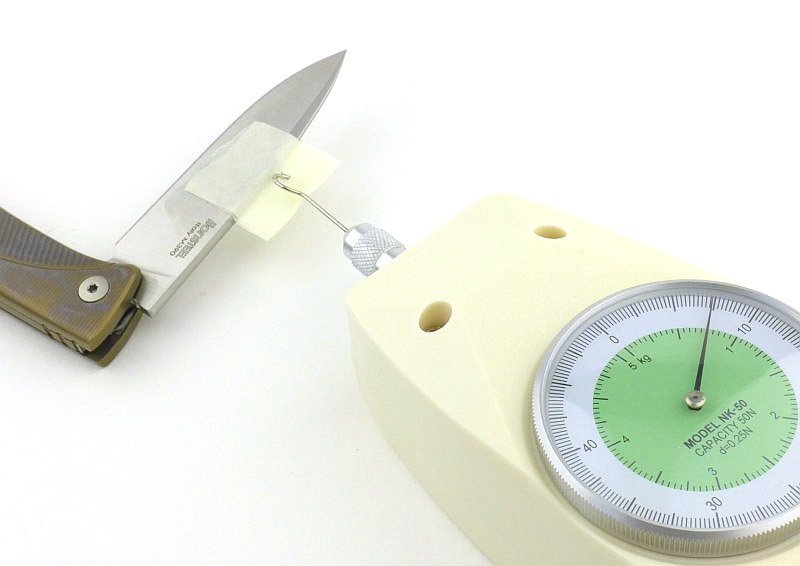
Torque testing:


What is it like to use?
There was one thing I just had to include here, which is the sound of the Thrill opening and closing. The combination of the titanium body and steel spring liner gives it a kind of ‘sheeesh sheeesh’ sound I’ve not heard on any other knife. Well here it is, I love it…

That action feels great with the pivot bearings making the motion super slick, yet the spring strength makes the blade feels secure. A half-stop lets you change grip as you open it all the way, keeping control of the blade.

With the H.WAYL clip system, you can completely forget this knife has a pocket clip. Personally I would not want to trust this clip for two reasons; firstly, the clip’s ‘spring’ pressure is provided by the button spring, and this is not very strong (or you would struggle to open it), and secondly, the underside of the clip is straight and smooth, so has no ‘bump’ or texture to resist sliding off a pocket edge (in fact it gets easier to pull off the further up it moves, without that final clinch).

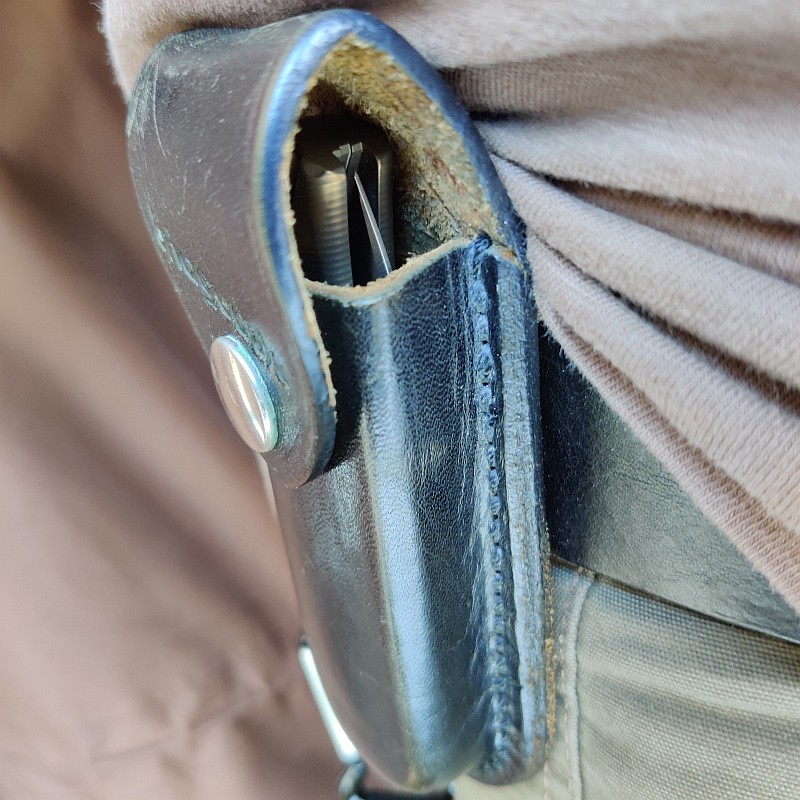
Because of this, and the lack of lanyard attachment, I have taken to carrying this in a belt pouch (as in the gallery below) which has proven to work very well.

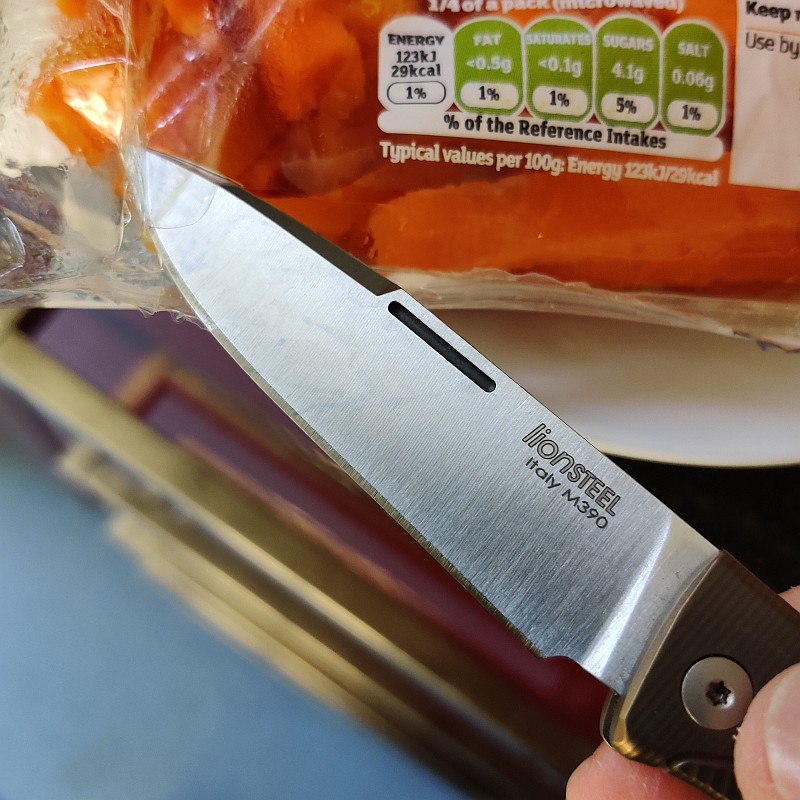
My nails are not very strong, so I don’t like to open stiff blades using a nail-nick; there is, however, enough blade accessible when the Thrill is closed to allow me to pinch grip the blade to open it, so it has been completely comfortable to use.

Blade shape and geometry has proven itself time and again. A full flat grind combined with a blade that is not too thick and not too thin, means it cuts really well. The point of the blade punctures eagerly, helped by the narrow point-angle and swedge. (Of course you must always be careful and utilise correct technique when using the point of a slip-joint, as if you get it wrong you can make the blade close on your fingers.)

Being a slip-joint provides you with a freedom to carry the knife that far outweighs any limitations of not having a locking blade.

The Thrill has been my EDC for a good time now and takes all those daily duties in its stride while leaving you with the feeling it IS something special.


Review Summary

The views expressed in this summary table are from the point of view of the reviewer’s personal use. I am not a member of the armed forces and cannot comment on its use beyond a cutting tool or field/hunting knife.

Something that might be a ‘pro’ for one user can be a ‘con’ for another, so the comments are categorised based on my requirements. You should consider all points and if they could be beneficial to you.

I’m starting with what doesn’t work so well, so I can finish on a more positive note

_______________________________________________
What doesn’t work so well for me
_______________________________________________

Weak pocket clip.
No Lanyard hole.

_______________________________________________
Things I like
_______________________________________________

Lovely action.
Slip-Joint (UK EDC legal).
Firm back-spring pressure.
Versatile blade shape.
Possible to pinch grip the blade to open.
M390 blade steel.
Superb fit and finish.
Single-piece solid handle.
Hideaway pocket clip.

 
Discussing the Review:
Please visit the Tactical Reviews Facebook Page to discuss this review and start/join the conversation.